Understanding the Five-Roll Idler Bracket
The five-roll idler bracket is a specialized support structure designed to hold five idler rollers in a conveyor system. Unlike conventional three-roll troughing sets, this bracket arranges five rollers to create a deeper, more uniform trough profile, which is particularly beneficial when handling large lumps or achieving higher belt capacities. In quarry and aggregate operations, where belt training and load containment are critical, this bracket helps maintain proper belt shape and reduces spillage.
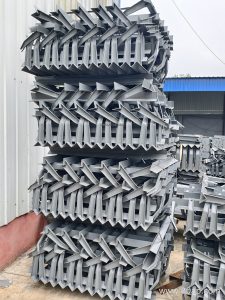
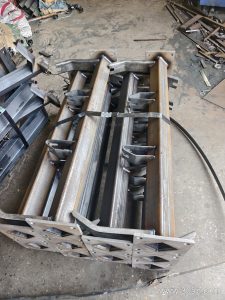
Also known as a five-roll troughing bracket or five-roller idler frame, this component is typically fabricated from angle steel, channel steel, or folded steel plate. The design ensures rigid support for the idler rollers while allowing for easy installation and maintenance. The bracket’s geometry directly influences the conveyor belt’s cross-section, affecting material stability and wear.
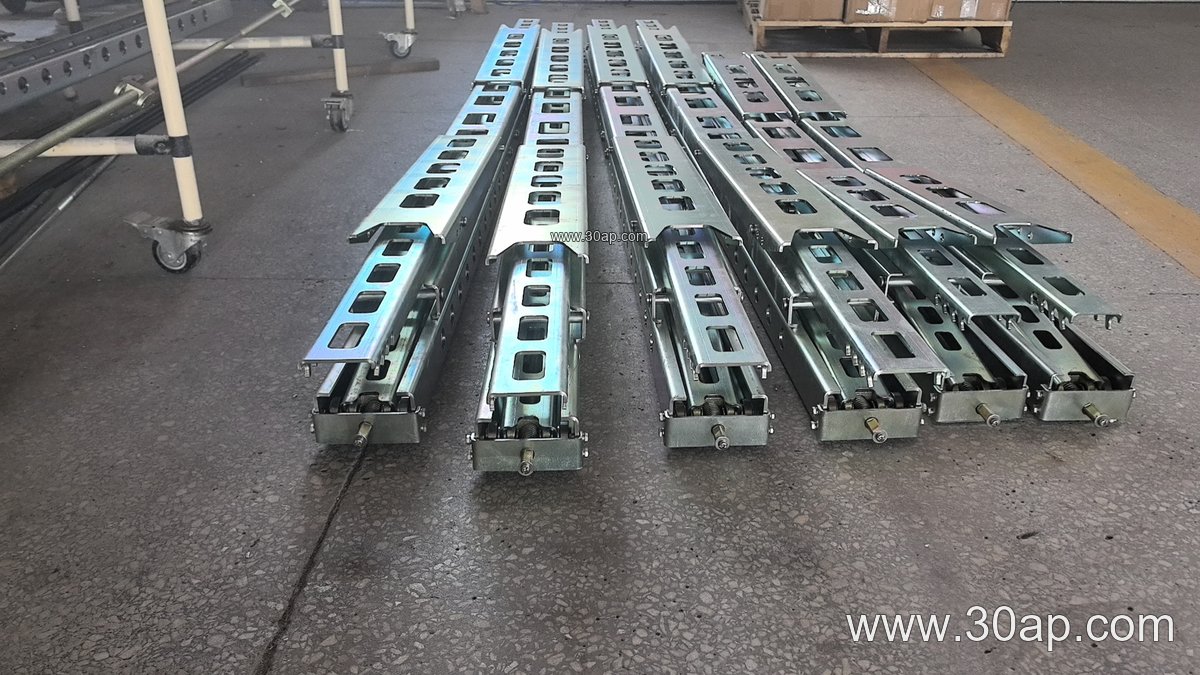
Construction and Key Features
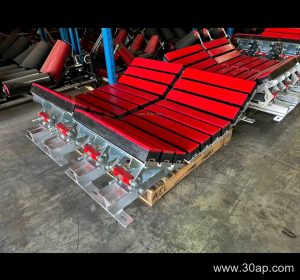
A typical five-roll idler bracket consists of a main crossbeam, side wings, and mounting plates for the idler shafts. The arrangement creates a multi-segment trough, with the two outer rolls angled more steeply and the three central rolls forming a gentler curve. This configuration distributes the load more evenly across the belt, reducing point stresses and extending belt life. The bracket may be fixed or adjustable, with adjustable versions allowing the trough angle to be modified on site to suit different materials and operating conditions.
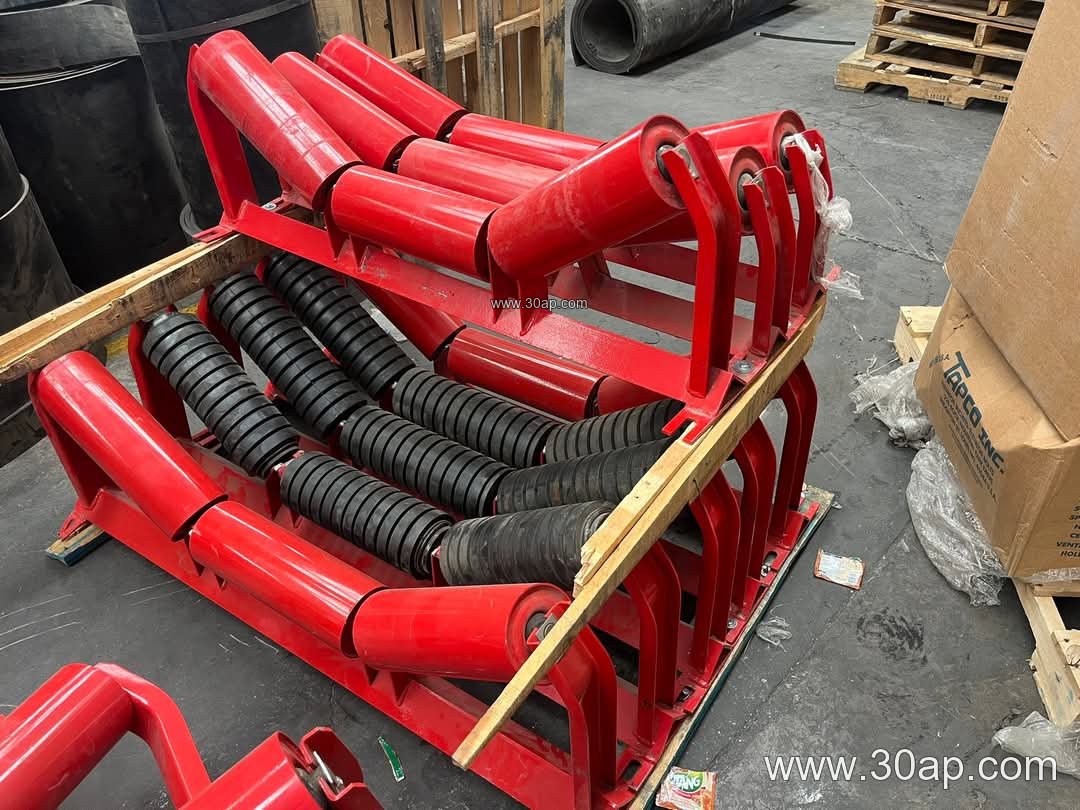
Materials of construction are usually selected for durability in harsh environments. Common choices include hot-rolled angle steel and channel steel, with welded or bolted assemblies. Surface treatment such as painting or galvanizing is often applied to resist corrosion, especially in cement plants and power plant coal handling systems.
Where It Is Used
The five-roll idler bracket is well-suited for heavy-duty applications where belt widths are large and material loads are uneven. In limestone mines and iron ore operations, it helps contain sharp, heavy lumps and maintains belt alignment on the carrying side. Cement plants use these brackets on clinker and raw meal conveyors to reduce dust emission and spillage. In power plant coal yards, the five-roll design improves belt training on long overland conveyors.
It is also found in ship loading and port conveyor systems, where high capacity and reliable material containment are essential. While the three-roll bracket remains the most common, the five-roll variant offers advantages in specific scenarios requiring a deeper trough or better load distribution.
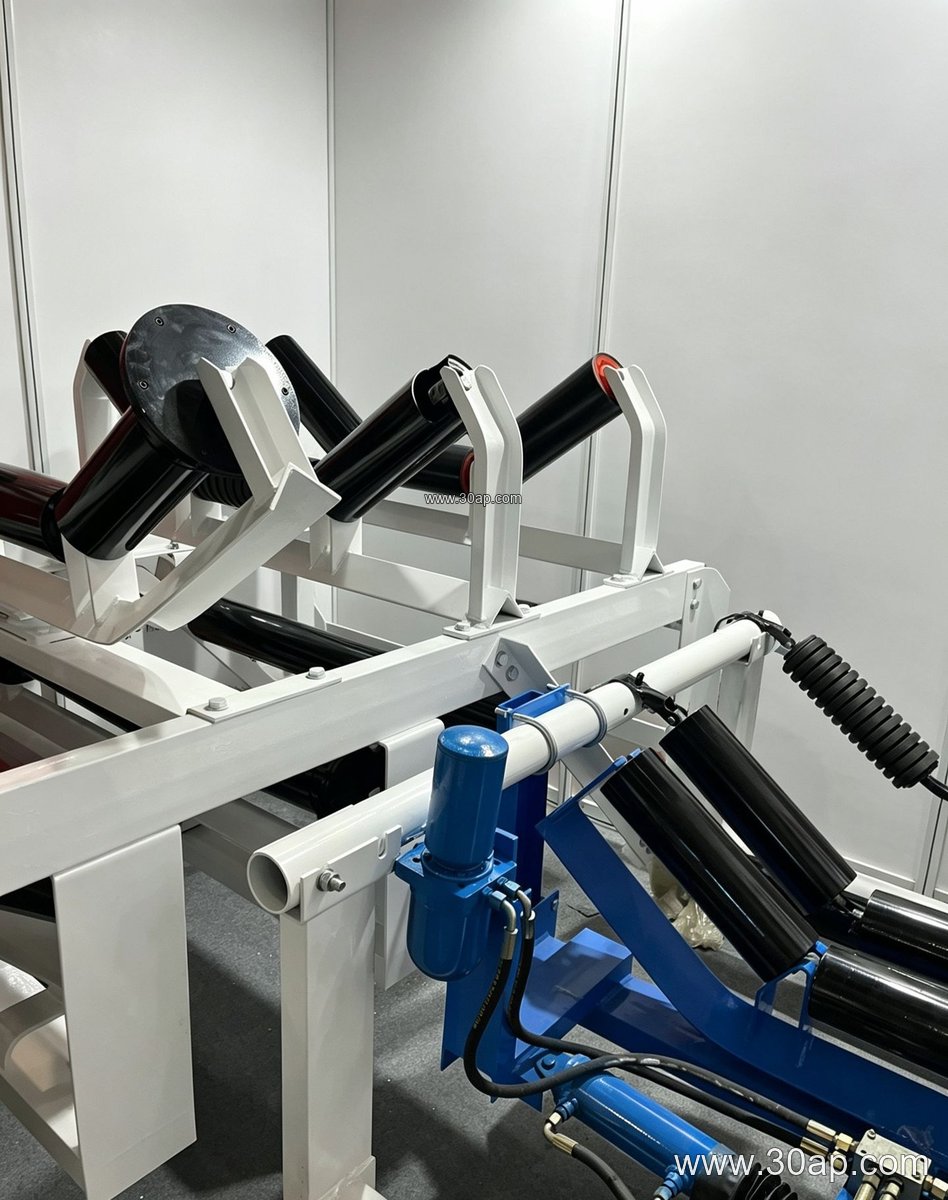
Specifications and Selection Guidelines
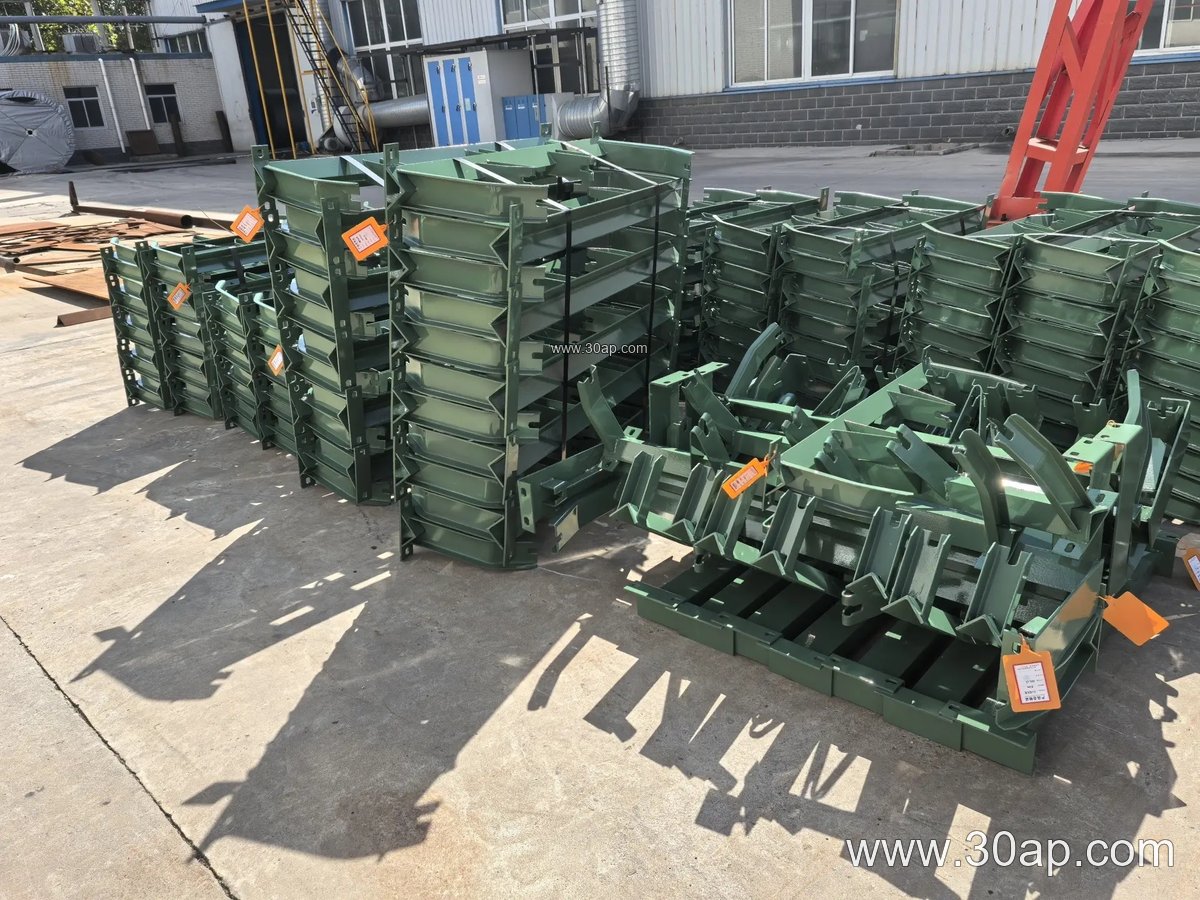
When specifying a five-roll idler bracket, several parameters must be considered. Belt width, trough angle, and roller diameter are the primary factors. The table below lists common reference values; actual dimensions should be confirmed with the manufacturer based on the application.
| Parameter | Common Options |
|---|---|
| Belt width (B) | B500, B650, B800, B1000, B1200, B1400, B1600, B1800, B2000 |
| Trough angle | 20°, 30°, 35°, 45° (adjustable brackets allow variation) |
| Idler diameter | Ø89, Ø108, Ø133, Ø159, Ø194 |
| Bracket material | Angle steel, channel steel, folded steel plate |
For example, a B1200 conveyor handling abrasive ore might use a 35° trough angle with Ø133 idlers, while a B1800 belt in a coal mine could employ a 45° angle and Ø159 rollers. Note that these are typical combinations, not fixed rules. The bracket’s mounting hole spacing and crossbeam length are determined by belt width and trough angle, and should be specified accordingly.
Adjustable five-roll brackets are useful when the conveyor handles multiple material types or when belt training needs fine-tuning. Fixed brackets are simpler and more economical for dedicated lines. Forward-leaning idler brackets, often set at about 1.5° to 2°, can be used for belt training but are a separate subtype and not interchangeable with the five-roll design.
Buyer’s Checklist
- Confirm the conveyor belt width and required trough angle for your application.
- Select idler diameter based on load and belt speed; ensure compatibility with the bracket’s mounting provisions.
- Choose bracket material and surface treatment to suit the environment (e.g., corrosive, abrasive, or wet conditions).
- Decide between fixed and adjustable designs; adjustable types offer flexibility but may require more maintenance.
- Verify that the bracket design allows proper clearance for the conveyor belt and idler rollers.
- Consider the overall conveyor system, including pulleys and other idler types, to ensure harmonious operation.
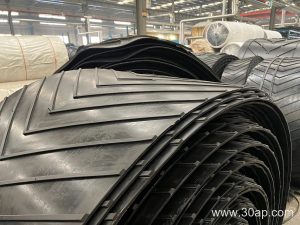
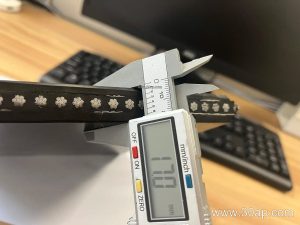
For reliable performance, pair the five-roll bracket with quality idler rollers and a suitable conveyor belt, such as an EP Conveyor Belt or a Heat Resistant Conveyor Belt for high-temperature duties. In mining and quarry environments, an Abrasion Resistant Conveyor Belt can further extend service life. Always consult the conveyor designer to ensure the bracket meets the specific load and training requirements.