What a Ceramic Lagged Bend Pulley Does
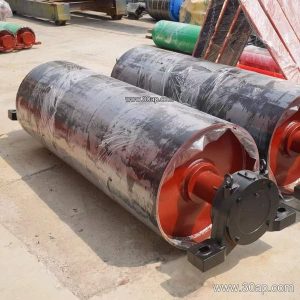
A ceramic lagged bend pulley is a directional change pulley whose shell is covered with ceramic tiles embedded in a rubber or adhesive matrix. It is not a drive pulley or a tail pulley; its job is to guide the conveyor belt along a different path, often increasing wrap angle or routing the belt around structures in a transfer station. In a quarry conveyor or a cement plant clinker line, this pulley helps maintain belt tension and alignment without slipping. The ceramic lagging provides a high-friction surface that grips the belt, reducing the risk of belt wander and extending pulley life in abrasive conditions.
Construction and Surface Options
The base is a steel shell with a shaft, hubs, and bearing housings. The lagging consists of small ceramic tiles, usually alumina, set in a pattern that leaves channels for water and debris to escape. This design improves traction even when the belt is wet or dusty. Common lagging thicknesses are 8, 10, 12, 15, and 20 mm, selected according to belt tension and environmental severity. The ceramic surface is available in plain or grooved patterns, but the key is the exposed ceramic area that contacts the belt.
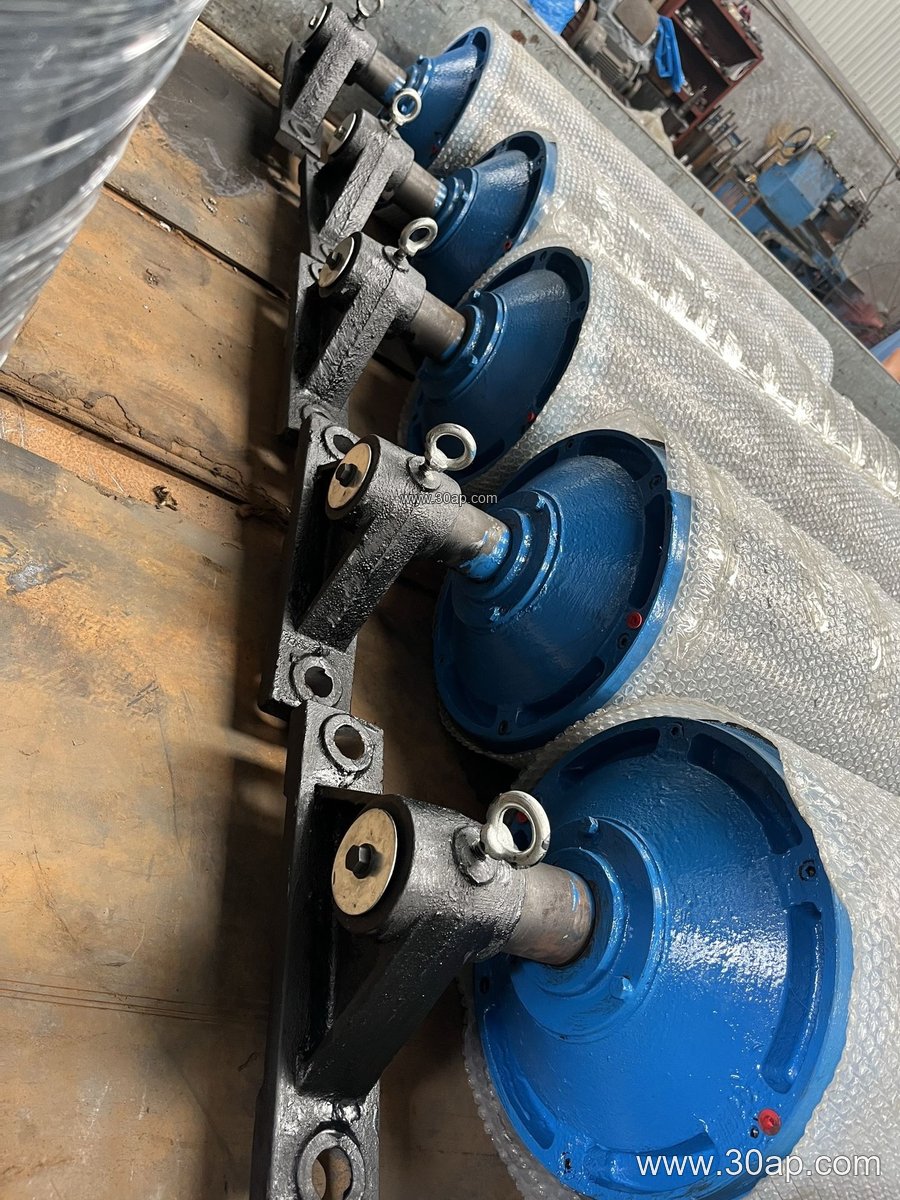
For comparison, a drive pulley often uses diamond or herringbone rubber lagging to transmit torque, while a bend pulley focuses on belt guidance. Ceramic lagging is also used on some tail pulleys in abrasive service, but the bend pulley remains the main subject here. Other pulley types such as snub or take-up pulleys serve different purposes and are not interchangeable with a bend pulley.
Where It Fits in the Conveyor
A ceramic lagged bend pulley is typically installed in the return run or at a transfer point to change belt direction. In a coal mining conveyor or a power plant coal handling system, it may be placed before a drive station to increase wrap angle on the drive pulley, or after a discharge point to route the belt back. In a sand and gravel plant, it helps navigate around chutes and screens. The pulley works with the conveyor belt, idler rollers, and conveyor brackets to keep the system running smoothly.
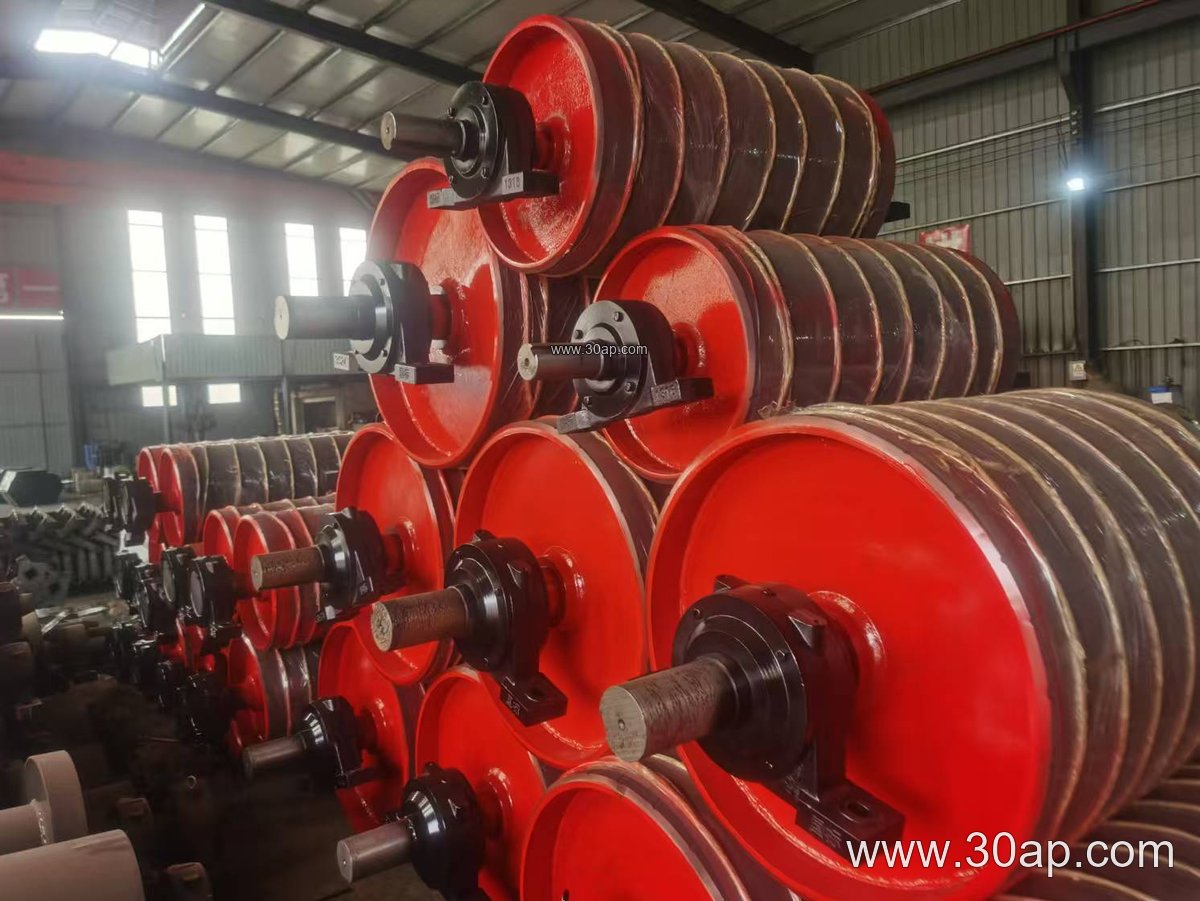
Because the ceramic lagging resists abrasion, it suits abrasive materials like iron ore, copper ore, or crushed rock. It is also useful in wet conditions where rubber lagging might lose grip. However, it is not a substitute for a drive pulley; the drive pulley still provides the motive force.
Sizing and Selection Guidelines
Bend pulleys are sized by belt width, pulley diameter, and shaft diameter. The pulley face width is usually slightly larger than the belt width; for example, a B800 belt may use a pulley face of about 950 mm, while a B1200 belt may use about 1400 mm. Diameters commonly range from Ø200 to Ø800 for bend pulleys, but larger diameters can be used if space allows. Shaft diameter is determined by torque and load, not by belt width alone. A common mistake is to assume a fixed shaft size for a given belt width; instead, the shaft should be calculated based on the actual belt tension and pulley loading.
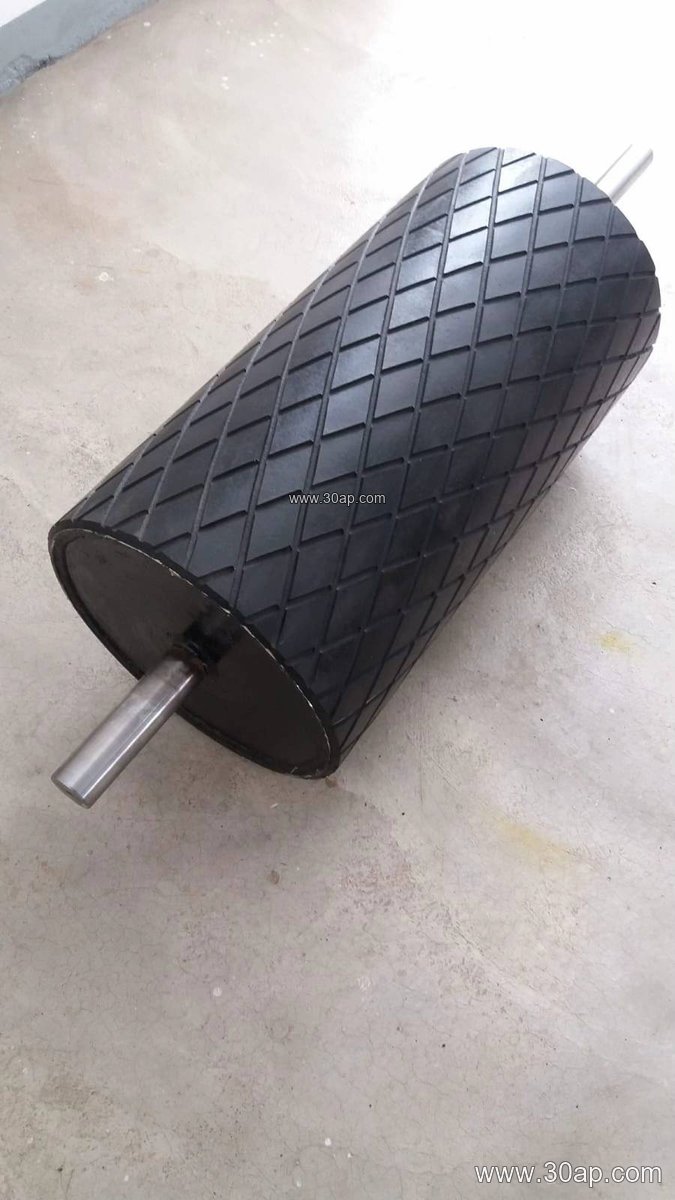
Table 1 shows example combinations for reference only. These are not mandatory pairings, and final selection depends on the conveyor design.
| Belt Width (mm) | Pulley Face Width (mm) | Common Diameter Range (mm) | Typical Lagging Thickness (mm) |
|---|---|---|---|
| B500 | 600 | Ø200–Ø400 | 8–12 |
| B650 | 750 | Ø250–Ø500 | 10–15 |
| B800 | 950 | Ø315–Ø630 | 10–15 |
| B1000 | 1150 | Ø400–Ø800 | 12–20 |
| B1200 | 1400 | Ø500–Ø1000 | 15–20 |
When selecting a ceramic lagged bend pulley, consider the belt type and service conditions. For a heavy-duty mining conveyor belt or an abrasion resistant conveyor belt, a thicker ceramic lagging may be beneficial. In food or clean environments, ceramic lagging is less common due to hygiene concerns, but it can be used in some bulk material handling outside strict sanitary zones.
Buyer Checklist
- Confirm the pulley’s location and function: bend, take-up, or snub. Do not confuse it with a drive or tail pulley.
- Check belt width and required face width. Ensure the pulley face is wider than the belt to avoid edge damage.
- Verify shaft diameter based on calculated load, not just belt width.
- Select lagging thickness and pattern for the environment: abrasive, wet, or oily. Ceramic lagging excels in abrasion but may not suit all applications.
- Ensure compatibility with conveyor brackets and bearing housings.
- Review the belt specification, such as EP conveyor belt or steel cord conveyor belt, to ensure the pulley can handle the tension.
For reliable belt tracking and extended service life in tough industries like mining, quarrying, and cement, a ceramic lagged bend pulley is a practical choice when specified correctly. Always consult the conveyor design and pulley manufacturer for final dimensions and lagging details.