What an Ore Conveyor Pulley Does in a Bulk Handling System
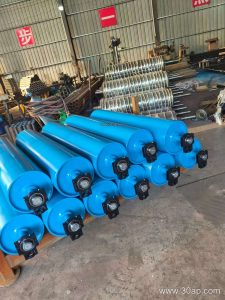
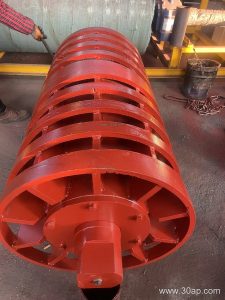
An ore conveyor pulley is the cylindrical rotating component that drives, redirects, or tensions the conveyor belt in a mineral processing or bulk material transport line. In a typical crushing and screening circuit at an iron ore mine or a copper concentrator, several pulleys work together: the drive pulley transmits torque from the gearbox to the belt, the tail pulley returns the belt at the loading end, and bend or take-up pulleys manage belt path and tension. Each position places different demands on the pulley shell, shaft, and lagging, so the term covers a family of components rather than a single interchangeable part. A drive pulley, a tail pulley, and a bend pulley are not substitutes for one another, and specifying one as if it were another is a common source of belt tracking and wear problems.
Construction Details That Matter on Site
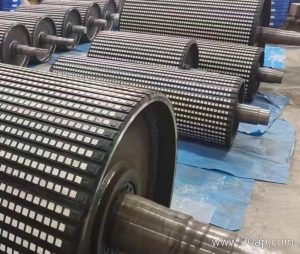
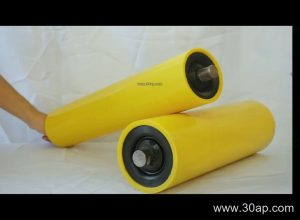
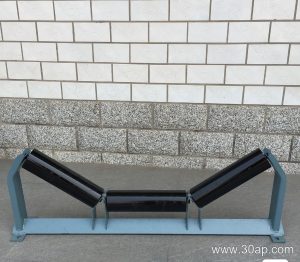
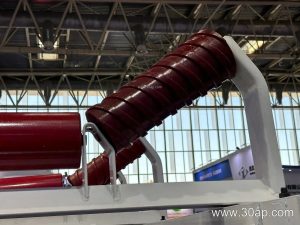
The core of an ore conveyor pulley is usually a welded steel shell mounted on a shaft, with end discs and hub assemblies transferring the load. The shaft diameter is determined by torque and radial load, not by belt width alone; common shaft sizes range from Ø50 mm up to Ø200 mm depending on the duty. The shell surface may be plain, rubber-lagged, or ceramic-lagged, and the lagging is often applied in thicknesses of 8, 10, 12, 15, or 20 mm. For abrasive iron ore or wet limestone, a diamond or herringbone lagging pattern can improve grip and help shed fines. The pulley is supported by conveyor brackets or bearing housings that must align with the conveyor frame, and the belt itself — whether an abrasion resistant conveyor belt or a steel cord conveyor belt — interacts directly with the lagging surface, so surface choice and belt type should be considered together.
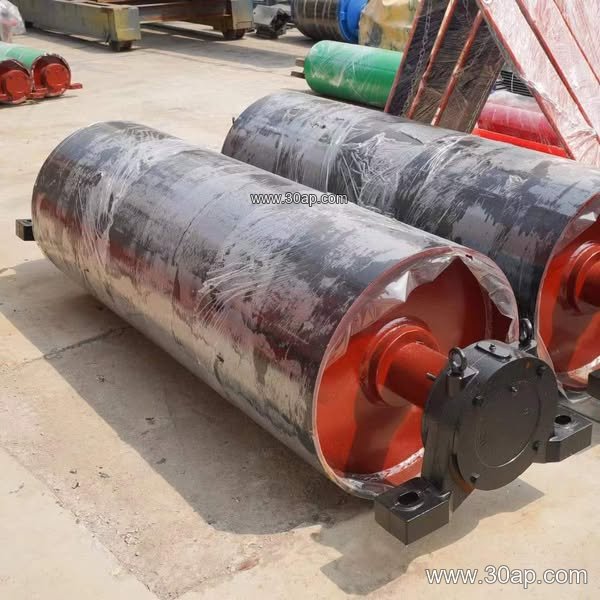
Matching Pulley Dimensions to the Conveyor
Pulley face width is normally wider than the belt to accommodate misalignment and belt wander. Reference combinations such as B800 × Ø500 or B1200 × Ø1000 appear in many designs, but these are common examples, not fixed rules. The table below lists typical face widths for standard belt widths; the final diameter and shaft size should be confirmed by the conveyor designer.
| Belt width | Typical pulley face width | Example diameter range |
|---|---|---|
| B500 | about 600 mm | Ø250 to Ø400 |
| B650 | about 750 mm | Ø315 to Ø500 |
| B800 | about 950 mm | Ø400 to Ø630 |
| B1000 | about 1150 mm | Ø500 to Ø800 |
| B1200 | about 1400 mm | Ø630 to Ø1000 |
| B1400 | about 1600 mm | Ø800 to Ø1250 |
Larger diameters are sometimes needed to reduce belt bending stress or to increase wrap angle on the drive pulley. On a coal mining conveyor belt system with limited space, a smaller diameter with higher-tension lagging may be preferred, while a long overland iron ore conveyor often uses a large drive pulley to keep belt stress within the cord rating.
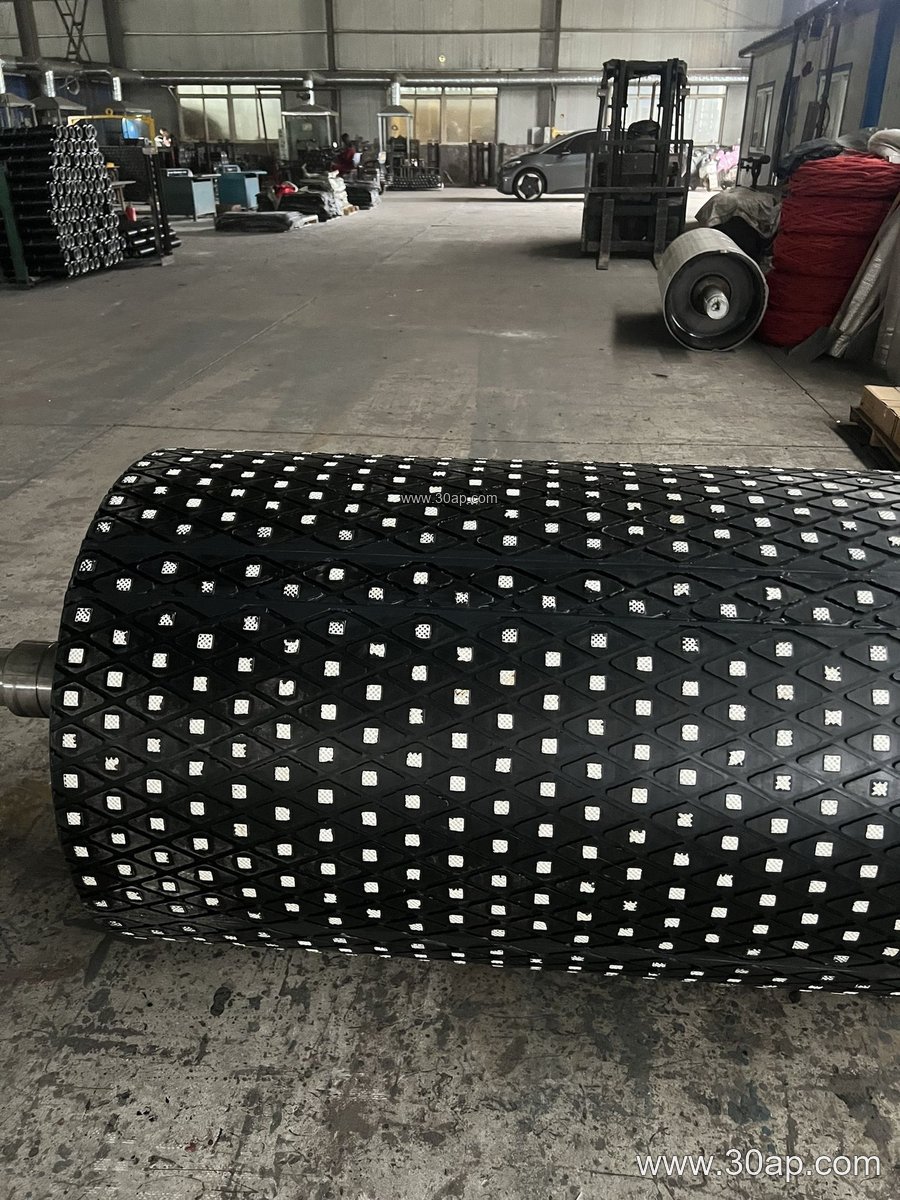
Where Ore Conveyor Pulleys Are Used
These pulleys appear across mining and processing operations: underground coal mining conveyors, quarry aggregate lines, cement plant clinker transport, power plant coal handling, and port bulk terminals. In a wash plant or a sinter feed line, a tail pulley with good self-cleaning lagging helps prevent material buildup that would otherwise misalign the belt. In a tunnel spoil removal system, compact bend pulleys keep the belt path tight around the machine frame. The pulley must suit the conveyor belt type in service, whether that is a flame retardant conveyor belt for underground work or a heat resistant conveyor belt near a kiln discharge.
Buyer Checklist Before Ordering
- Confirm the pulley position: drive, tail, bend, take-up, or snub — each has different load and lagging requirements.
- Provide belt width, belt type, and maximum belt tension so the shell and shaft can be sized correctly.
- State the lagging preference: plain, rubber, diamond, ceramic, or herringbone, with thickness if specified.
- Check shaft diameter against the gearbox coupling and bearing bore, not just against belt width.
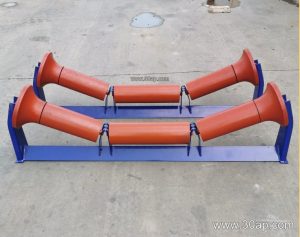
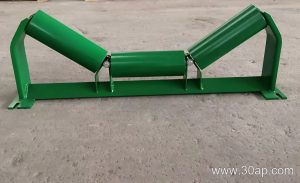
- Verify bracket and bearing housing dimensions match the existing conveyor frame.
- Ask for the balancing class and runout tolerance if the pulley will operate at higher belt speeds.
For queries about compatible conveyor components, visit conveyor pulley and conveyor bracket resources, or review belt options such as EP conveyor belt and steel cord conveyor belt to ensure the pulley lagging and belt cover work as a system.