What Conveyor Bracket Fabrication Involves
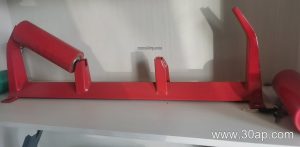
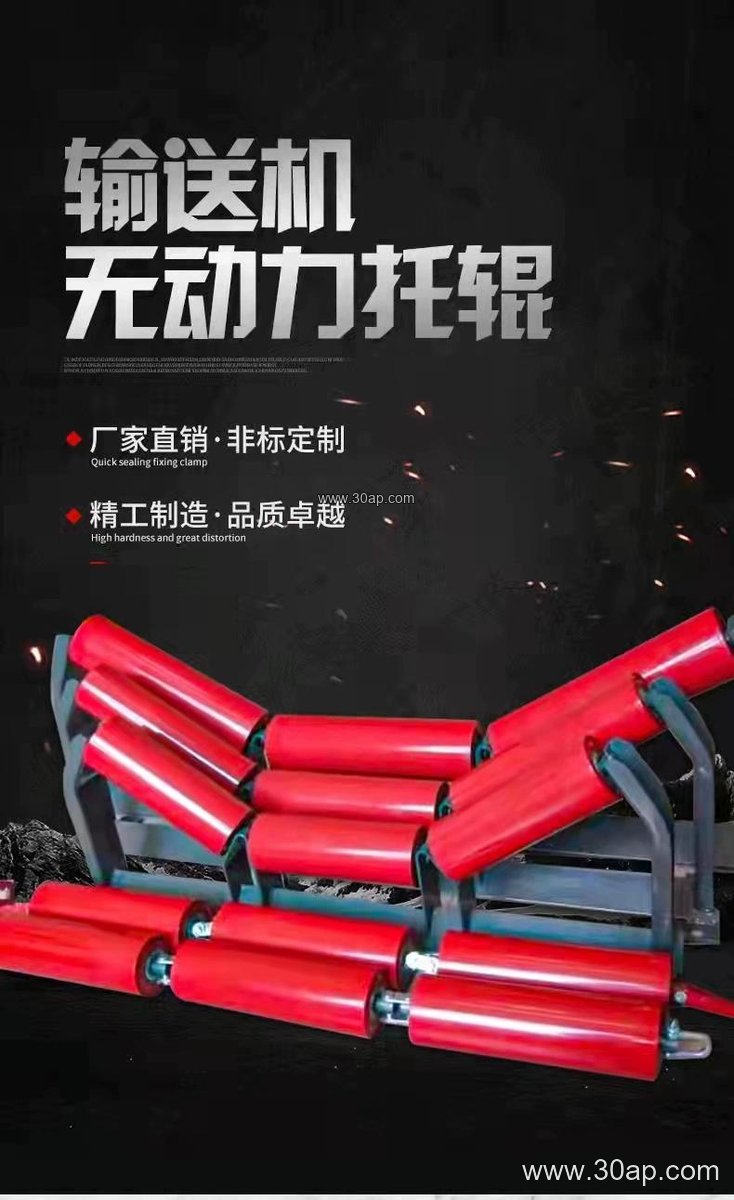
Conveyor bracket fabrication is the process of cutting, bending, welding, and finishing steel components that hold idlers and form the load-bearing frame of a conveyor. These brackets, often called idler frames or stands, position the conveyor belt at the correct trough angle and keep it aligned along the entire route. Whether the system runs in a quarry, a cement plant, or a coal handling facility, the fabricated bracket must match the belt width, roller diameter, and loading conditions.
Materials and Construction
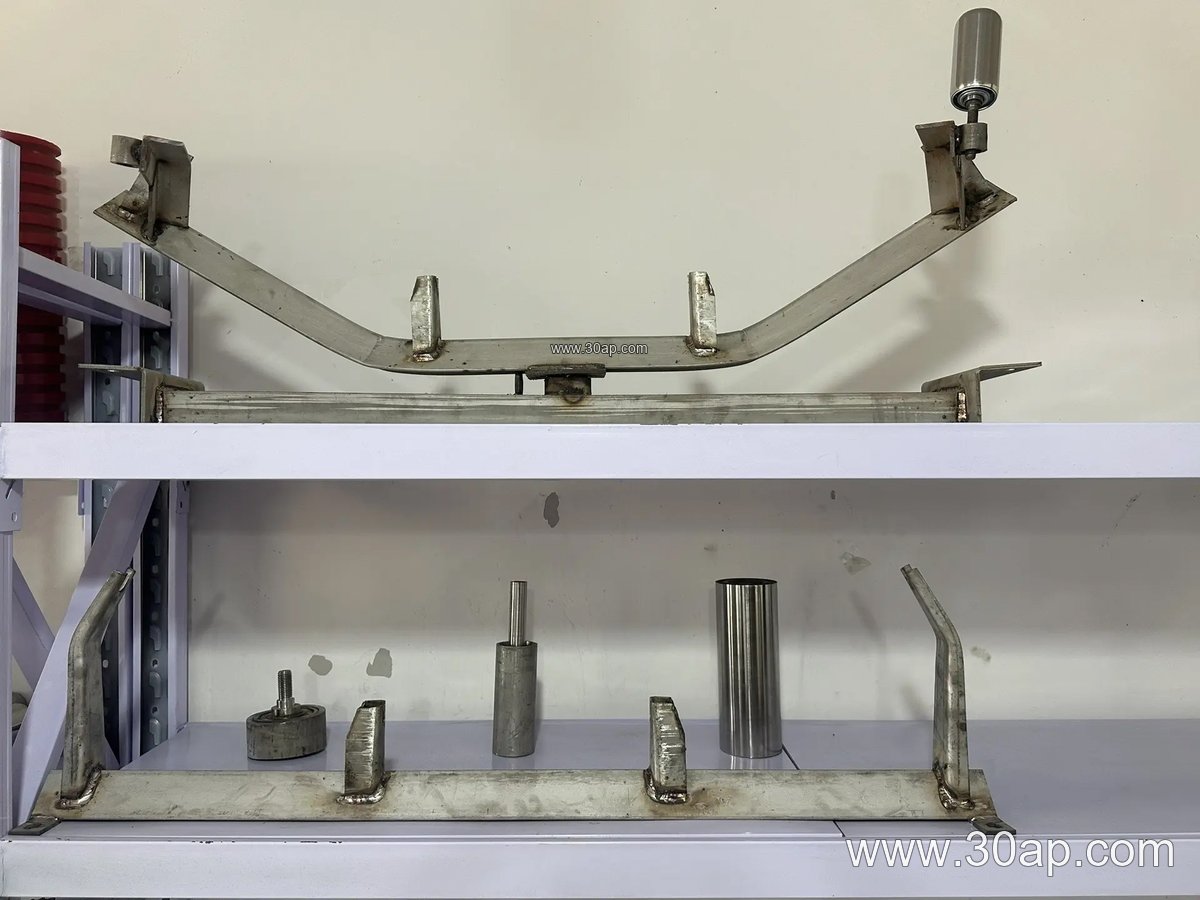
Fabricators typically work with angle steel, channel steel, or folded steel plate. The choice depends on the required strength and the environment. For example, a heavy-duty mining conveyor belt system may call for thicker channel sections, while a lighter aggregate line can use folded plate brackets. The fabrication steps include:
- Cutting raw steel to length
- Punching or drilling mounting holes
- Bending to achieve the desired trough angle
- Welding gussets and reinforcement plates
- Surface treatment such as painting or galvanizing
Accuracy in hole spacing and angle setting is critical so that the idler roller sits properly and the belt runs without misalignment.
Common Bracket Types and Their Role
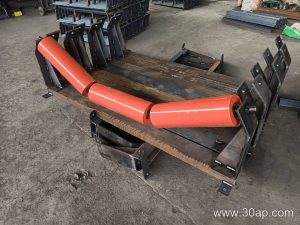
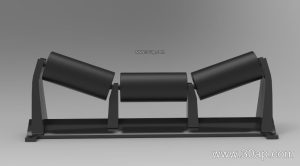
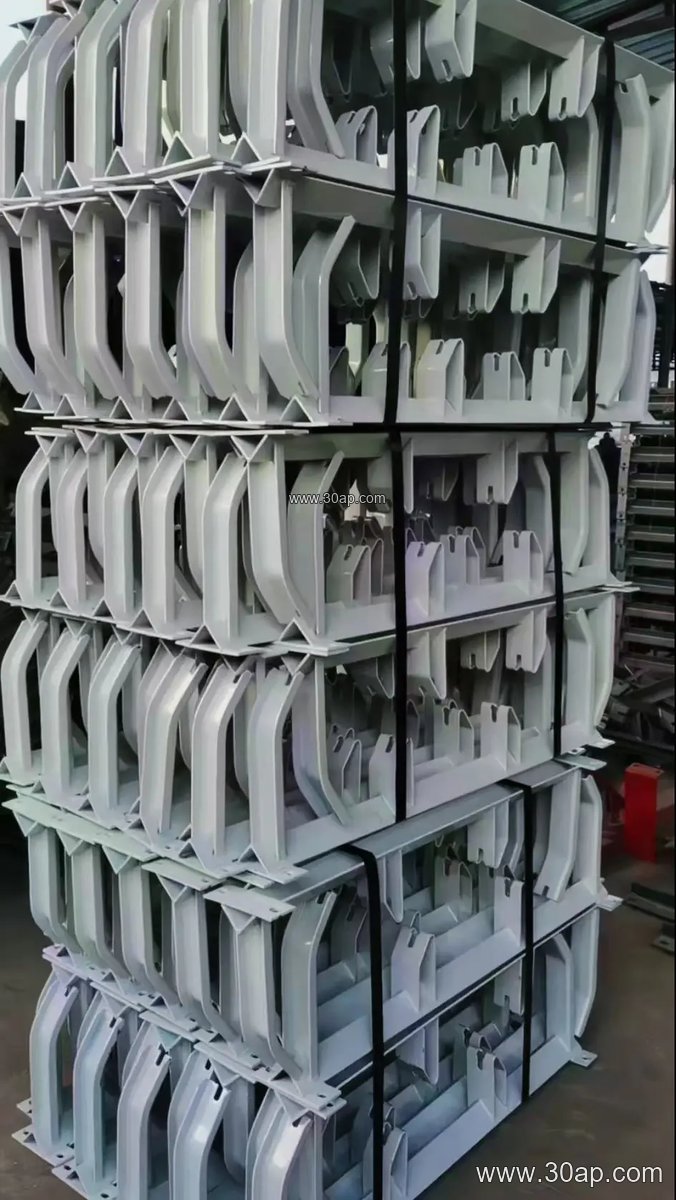
Different positions on the conveyor require different bracket designs. Troughing brackets support the carrying side and are set at a specific angle. Return brackets hold the belt on the return run, often in a flat or V-shaped configuration. Impact brackets with rubber cushions absorb shock at transfer points. Self-aligning brackets help correct belt tracking. Adjustable brackets allow the trough angle to be changed on site, which is useful when belt loading conditions vary.
For a typical troughed section, a bracket might be specified as B800, 35 degrees, with Ø108 idlers. Another common combination for wider belts is B1200, 45 degrees, Ø133. These are examples only; the actual match depends on the conveyor design and the belt manufacturer’s recommendation. A 1200mm wide conveyor belt does not automatically dictate a single roller diameter or trough angle.
Where Fabricated Brackets Are Used
Fabricated brackets appear wherever bulk material moves on a belt. In a limestone quarry, they support the crusher conveyor belt through dusty, abrasive conditions. In a coal-fired power plant, they hold idlers under a flame retardant conveyor belt on the coal handling system. Other applications include sand and gravel lines, cement plants, and port loading facilities. The bracket must suit the belt type it carries, whether that is an EP conveyor belt, a steel cord conveyor belt, or a heat resistant conveyor belt in a foundry area.
Key Parameters for Buyers
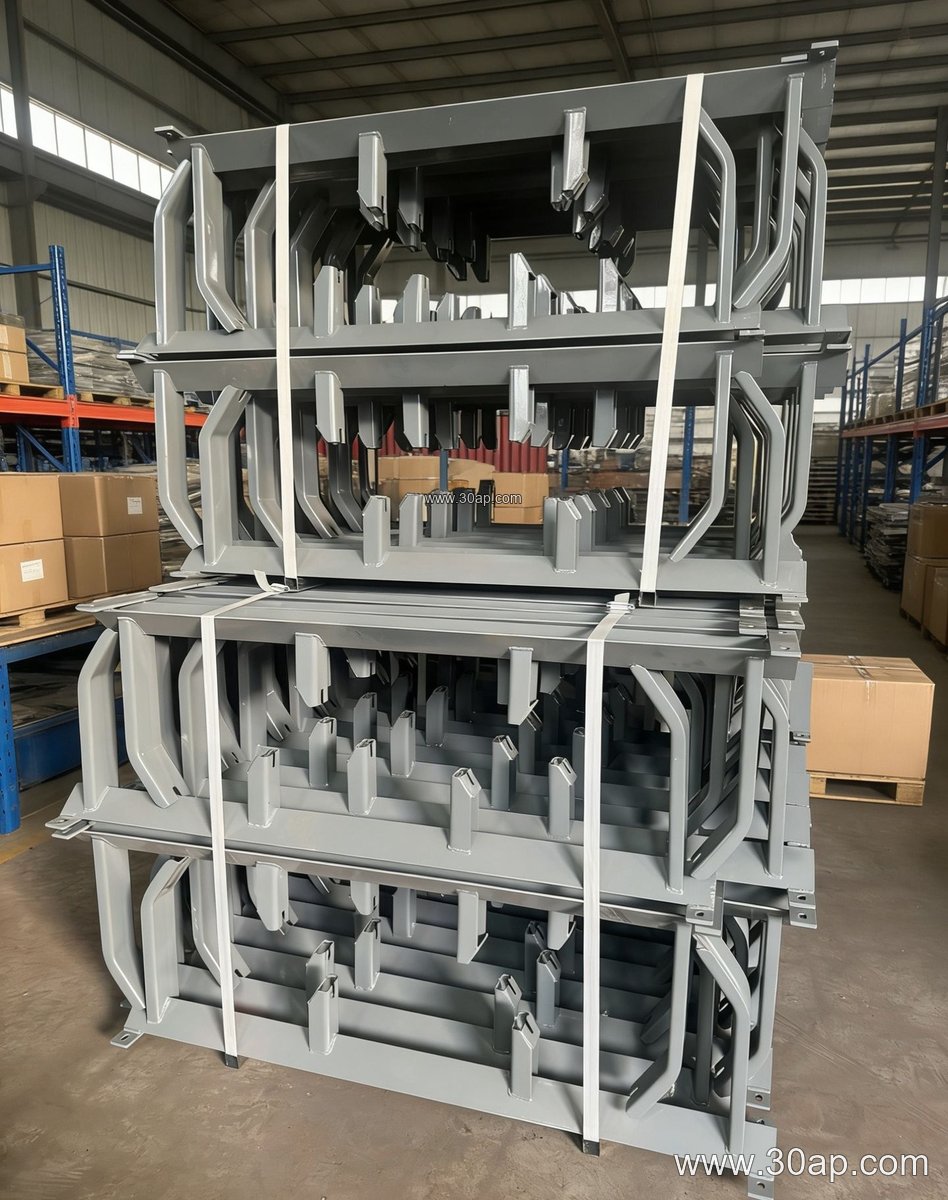
When specifying conveyor bracket fabrication, several dimensions and features should be confirmed with the fabricator. The table below lists common reference values; actual requirements are determined by the conveyor design.
| Parameter | Common Range or Options | Notes |
|---|---|---|
| Belt width (B) | B500, B650, B800, B1000, B1200, B1400, B1600, B1800, B2000, B2200 | Bracket length and hole spacing vary with width |
| Trough angle | 20°, 30°, 35°, 45° | Adjustable brackets can be set within this range |
| Idler diameter | Ø89, Ø108, Ø133, Ø159, Ø194 | Selected based on load and belt speed |
| Material | Angle steel, channel steel, folded plate | Thickness depends on duty level |
| Bracket type | Troughing, return, impact, self-aligning, adjustable, suspension | Position on conveyor determines type |
Buyers should also ask about surface treatment, welding quality, and dimensional tolerances. For instance, a bracket used with a fire resistant conveyor belt in an underground mine may need extra corrosion protection, while one carrying a food grade conveyor belt in a processing plant must be easy to clean.
Fabrication Quality and Maintenance
Poorly fabricated brackets cause belt mistracking, premature idler wear, and increased power consumption. Good fabrication ensures that mounting surfaces are flat, angles are consistent, and welds are sound. During maintenance, check for bent brackets, loose bolts, and worn pivot points on adjustable types. Replacing a damaged bracket early prevents damage to the conveyor pulley and the belt itself.
In summary, conveyor bracket fabrication is a detail-oriented task that directly affects conveyor reliability. Understanding the relationship between belt width, trough angle, and roller size helps buyers specify the right fabricated components for their site.