What a Mining Ceramic Lagged Pulley Does
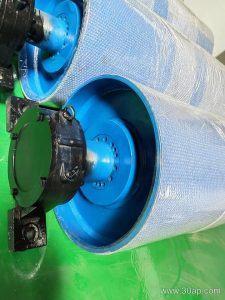
A mining ceramic lagged pulley is a conveyor pulley whose shell is covered with ceramic tiles set into a rubber backing. The ceramic surface raises friction between the pulley and the conveyor belt, which reduces slip when the drive transmits heavy torque. In hard-rock mines, coal preparation plants, copper concentrators and aggregate quarries, this pulley is often chosen for the drive position where grip matters most.
The same product also appears under the accurate equivalent name ceramic lagged conveyor pulley. Drive, tail and bend pulleys are not interchangeable names, and this article focuses on the drive duty unless a comparison is clearly stated.
How the Ceramic Lagging Is Built
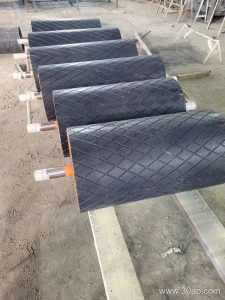
Ceramic tiles, usually small squares or rectangles with raised studs, are bonded into a rubber layer that is then applied to the pulley shell. The rubber absorbs shock and flexes slightly under belt pressure, while the exposed ceramic provides a hard, abrasive-resistant grip surface. Common lagging thicknesses are 8, 10, 12, 15 and 20 mm, with thicker layers used where belt tension and impact are high.
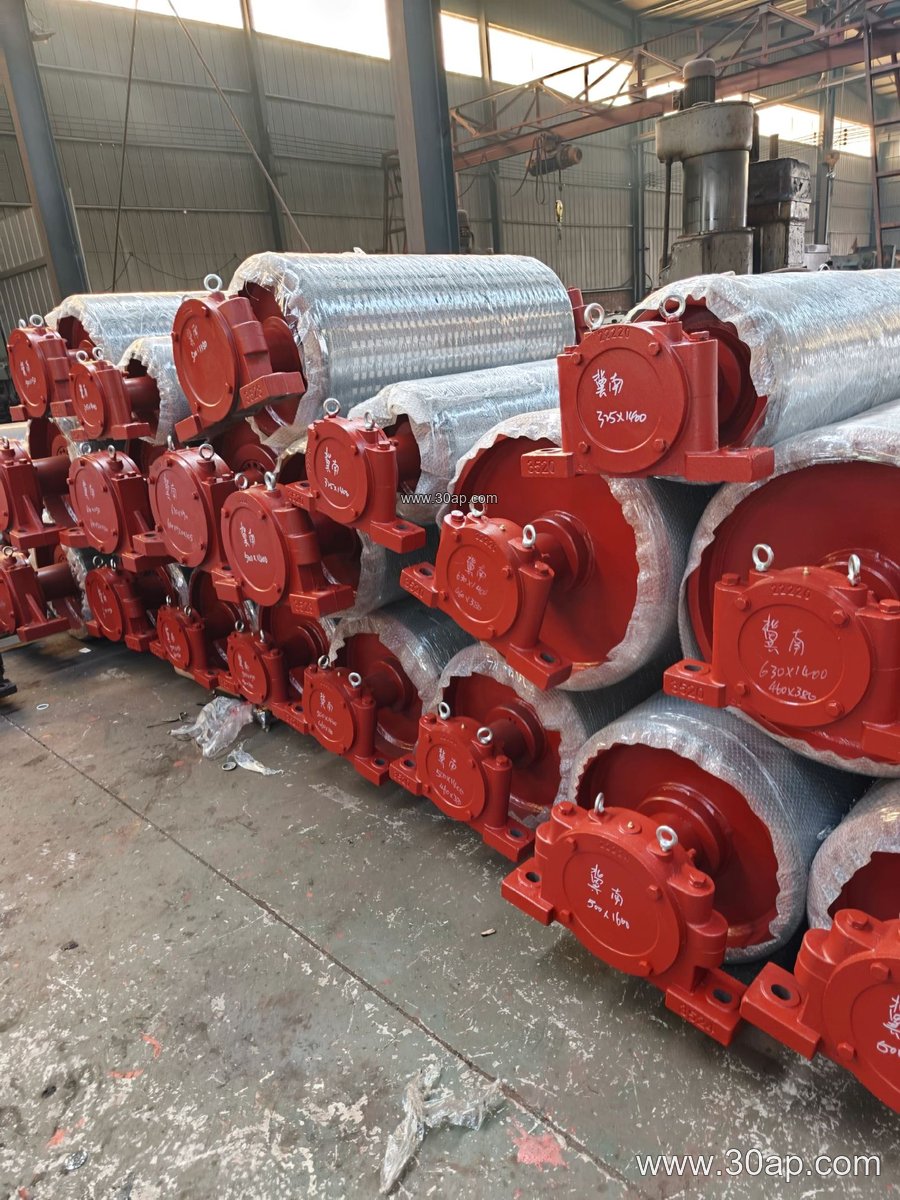
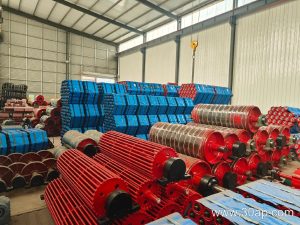
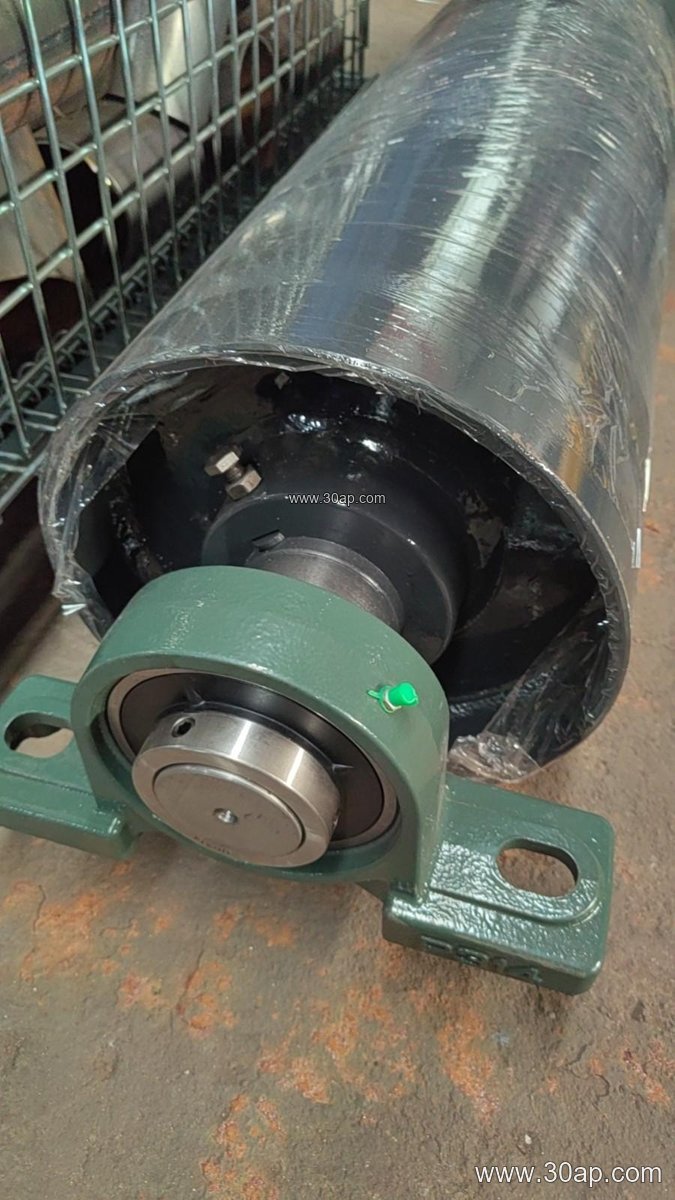
The pulley body itself is a welded steel shell with end discs and a shaft. Shaft diameters are commonly Ø50 to Ø200 mm, but the final size is determined by torque and load, not by belt width alone. A B1200 × Ø1000 or B1400 × Ø800 combination may appear in design drawings, yet no single belt width locks a pulley to one diameter.
Where It Fits on the Conveyor
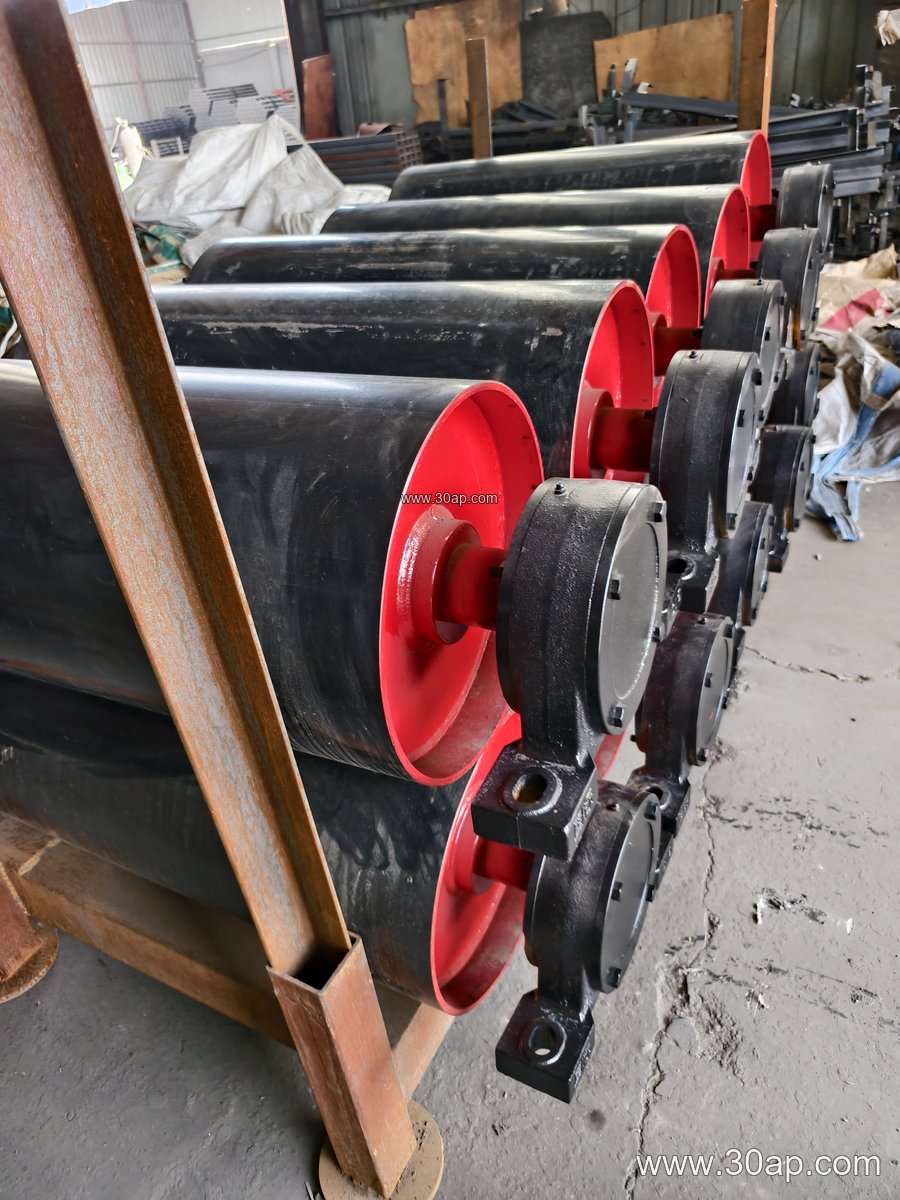
Ceramic lagging is most useful at the head or drive pulley, where the belt leaves under load. It can also be applied to a tension or snub position when extra grip is needed. A bend pulley is a different duty and is normally not the place for ceramic lagging unless the design specifically calls for it.
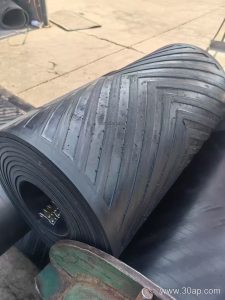
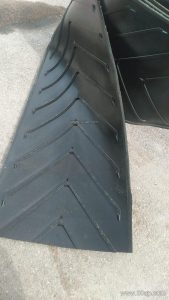
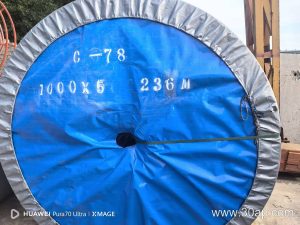
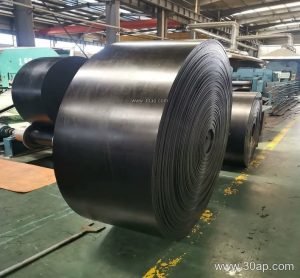
Typical sites include a copper ore conveyor in a concentrator, a limestone crushing line feeding a cement plant, a coal washing plant, and a power plant coal yard. In these places the pulley works with a heavy-duty mining conveyor belt, idler rollers and sturdy conveyor brackets. The belt may be an abrasion resistant conveyor belt, a flame retardant conveyor belt for underground coal mining, or a steel cord conveyor belt on a long overland run.
Matching the Pulley to the Belt and Duty
Selection starts with the belt width, the belt type and the working tension. A fabric core conveyor belt such as an EP conveyor belt or NN conveyor belt behaves differently from a steel cord conveyor belt, so the lagging profile and pulley diameter should follow the actual belt construction. The table below shows reference combinations, not fixed rules.
| Belt width | Typical pulley face width | Reference diameter | Common shaft range |
|---|---|---|---|
| B650 | about 750 mm | Ø400 to Ø630 | Ø60 to Ø100 mm |
| B800 | about 950 mm | Ø500 to Ø800 | Ø70 to Ø120 mm |
| B1000 | about 1150 mm | Ø630 to Ø1000 | Ø80 to Ø140 mm |
| B1200 | about 1400 mm | Ø800 to Ø1250 | Ø90 to Ø160 mm |
| B1400 | about 1600 mm | Ø1000 to Ø1400 | Ø100 to Ø180 mm |
| B1600 | about 1800 mm | Ø1250 to Ø1600 | Ø120 to Ø200 mm |
Belt speed, wrap angle and starting torque all influence the choice. A high-tension steel cord conveyor belt on a long incline may need a larger diameter and a thicker lagging than a short fabric belt line. The ceramic pattern should be selected for the material carried, whether it is wet, dusty or oily.
Buyer Checklist
- Confirm the pulley duty: drive, tail, tension or bend. Only the first two are likely candidates for ceramic lagging.
- State the belt width and belt type, for example an EP1000 1200mm conveyor belt or a ST1600 steel cord belt.
- Give the working tension and starting torque so the shaft and shell can be sized correctly.
- Specify lagging thickness and ceramic tile shape for the site conditions.
- Check that the pulley face width is wider than the belt, and confirm the conveyor bracket and bearing fit.
For a quarry conveyor belt or an iron ore conveyor belt, ceramic lagging can extend service life where rubber alone wears too fast. For a food grade conveyor belt line, it is usually not the right surface. Buyers should ask for a drawing that shows shell diameter, face width, shaft size and lagging detail before ordering.
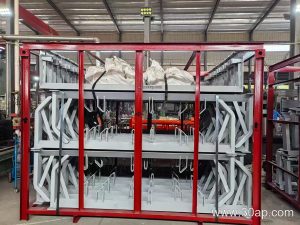
Related equipment such as idler rollers, the conveyor pulley frame and the conveyor bracket should be reviewed together, because a well-matched pulley still depends on correct alignment and belt tension. A ceramic lagged pulley is a durable drive solution, but it works best when the whole conveyor system is designed as one unit.