Why the Conveyor Pulley Defines System Efficiency
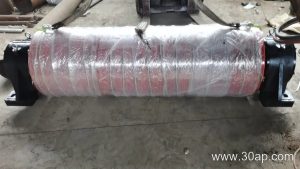
The conveyor pulley is not just a rotating cylinder; it is the structural and functional anchor of any belt conveyor. It drives the belt, maintains tension, and changes direction, directly influencing load stability and energy consumption. A poorly chosen pulley leads to belt misalignment, premature wear, and costly downtime.
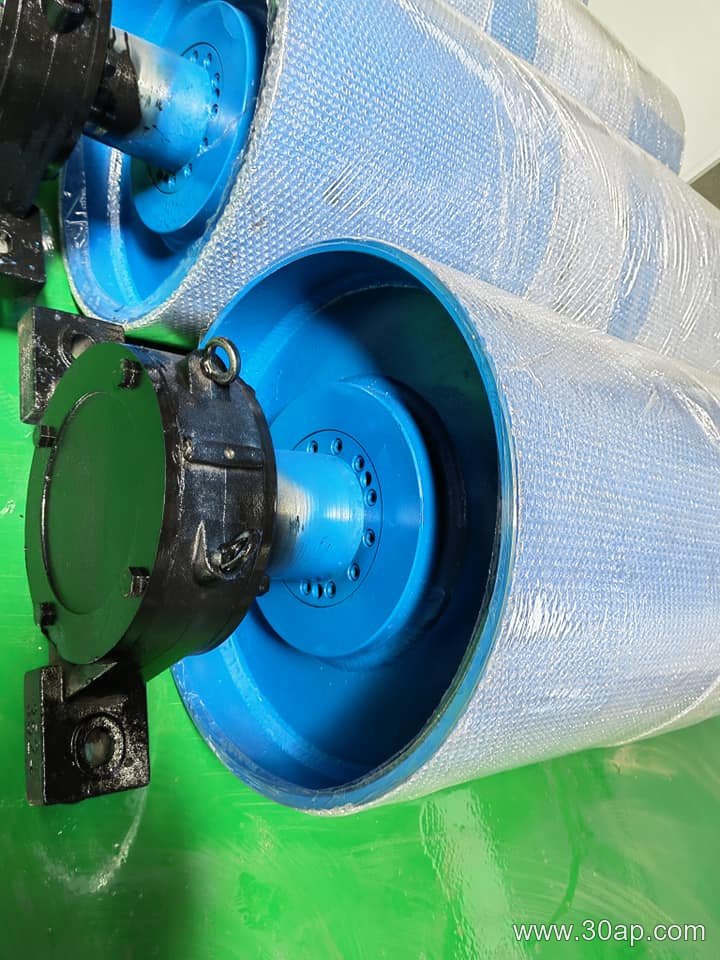
Key Criteria for Purchasing Industrial Conveyor Pulleys
- Load rating and shaft size: Match the pulley’s dynamic capacity to your peak tonnage and belt speed, not just average load.
- Lagging type: Use ceramic lagging for wet or high-slip conditions; rubber lagging suits dry, abrasive environments.
- Crown or flat face: Crowned pulleys aid self-centering on long belts; flat faces are better for reversing or high-tension applications.
- End disc and hub design: Ensure weld quality and concentricity tolerances below 0.5 mm to avoid vibration.
Always request the manufacturer’s deflection and fatigue test data. For replacement, measure the existing pulley’s shell thickness, bearing center distance, and keyway dimensions precisely. Invest in a pulley with a replaceable shaft or bushings to reduce future maintenance costs. Finally, verify compliance with ISO 5048 or CEMA standards for your region.
Why the Conveyor Bracket Matters More Than You Think
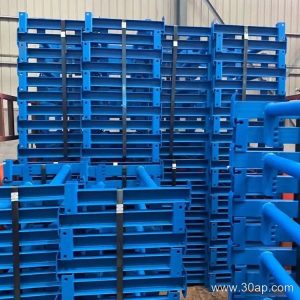
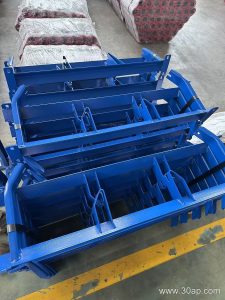
The conveyor bracket is the unsung hero of any bulk handling or assembly line. It anchors rollers, idlers, and belt structures, absorbing shock and misalignment daily. A poorly chosen bracket causes downtime, belt wear, and even structural failure.
Selecting the Right Conveyor Bracket
- Material: Choose galvanized steel for corrosive environments, stainless for food or chemical plants, and powder-coated mild steel for dry indoor lines.
- Load capacity: Always rate brackets above peak dynamic load, not just static weight—vibration adds 20–30% stress.
- Adjustability: Slotted or multi-position brackets allow quick realignment without cutting or welding.
Purchasing Advice for Industrial Buyers
Verify bolt-hole spacing matches your existing frame. Request samples for a 72-hour stress test under full belt tension. Check weld seams for porosity and ensure edge radii avoid snagging belts. For high-speed conveyors (over 2 m/s), insist on brackets with rubber cushion inserts to dampen harmonics.
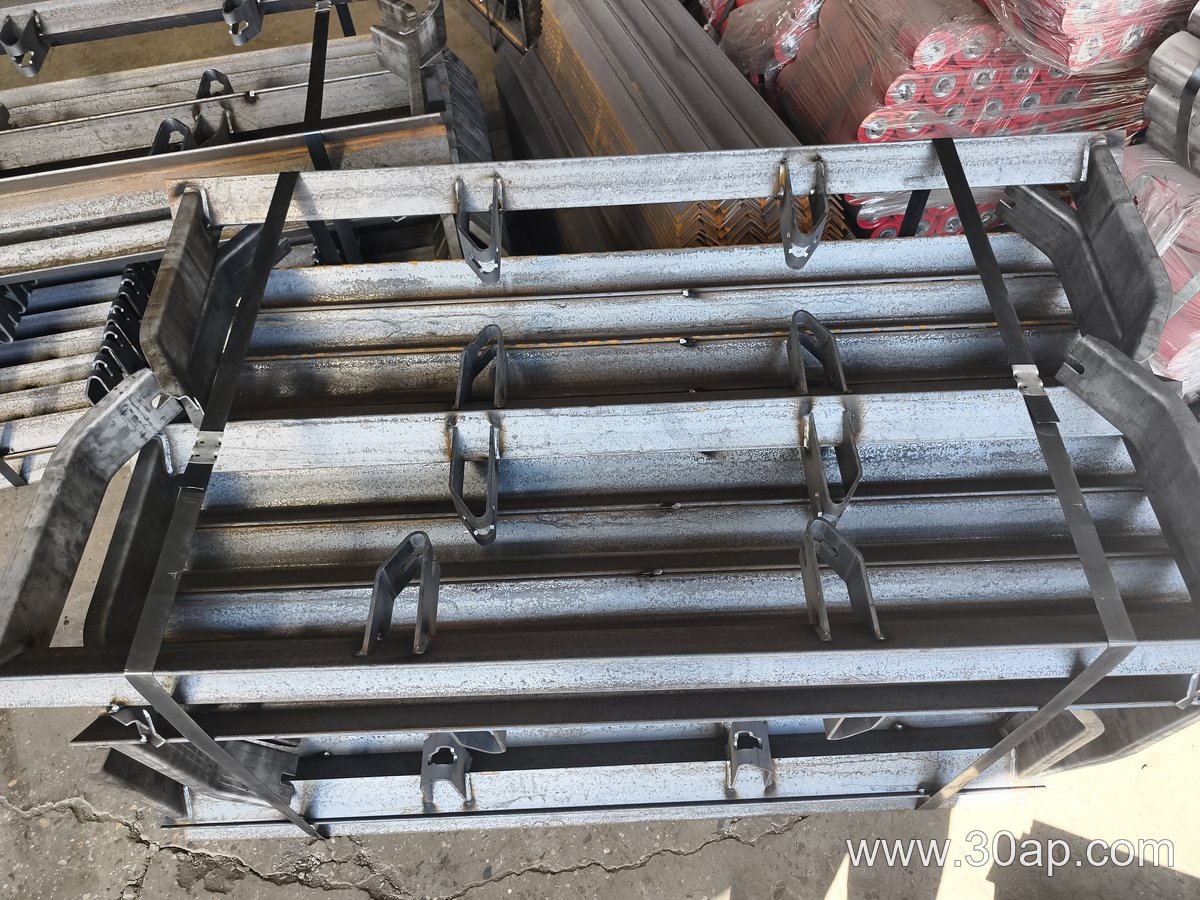
Finally, stock a 10% spare inventory of your most common bracket—a $15 part can save a $15,000 shutdown.
Why the Right Conveyor Belt Matters
The conveyor belt is the unsung hero of modern material handling. Its performance directly impacts throughput, downtime, and total operating cost. Choosing a belt without analyzing your load, environment, and speed leads to premature wear and expensive stoppages.
Key Factors in Conveyor Belt Specification
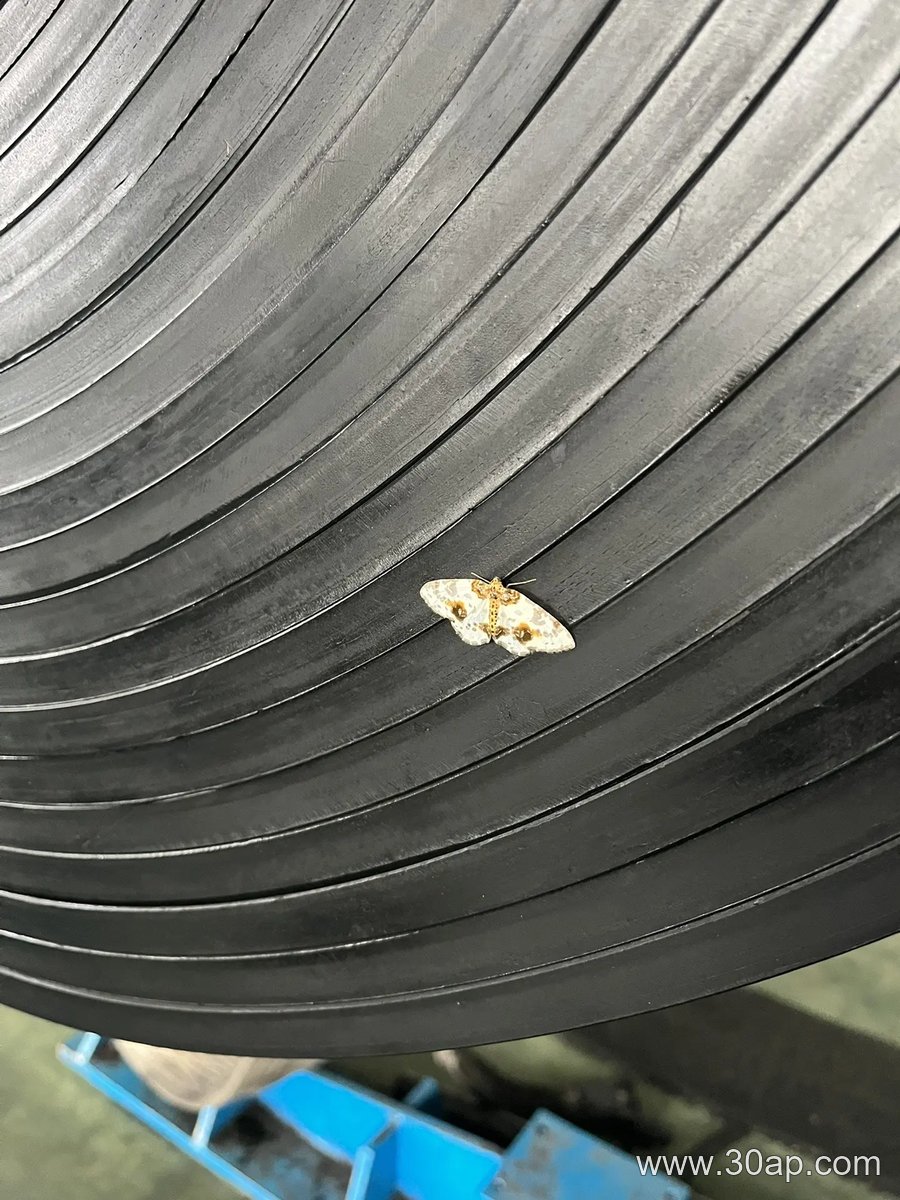
Start with the material you move. Weight, abrasiveness, temperature, and chemical exposure dictate belt cover and carcass. For sharp or heavy loads, select a reinforced rubber belt with higher tensile strength. For food or pharmaceutical use, opt for a smooth, washable, and FDA-compliant surface.
- Measure the belt length and width against your frame and pulley diameters.
- Check operating speed and required tension to avoid slipping or stretch.
- Consider belt thickness and edge treatment for impact resistance.
- Verify splice method—mechanical fasteners for quick repairs, vulcanized for seamless, high-speed runs.
- Ask about fire resistance, antistatic properties, and oil resistance if your site demands them.
Purchasing Advice for Long-Term Value
Never buy on price alone. Request a sample or small trial batch to test wear under real conditions. Compare the belt’s rated service life against its cost per hour of operation. Reliable suppliers should provide detailed technical datasheets and offer after-sales support for installation and maintenance. Also, order a spare belt length or a repair kit to minimize downtime during peak production. Finally, schedule regular inspections—catching minor cuts early prolongs the conveyor belt’s life significantly.
Understanding the Idle Roller’s Core Role
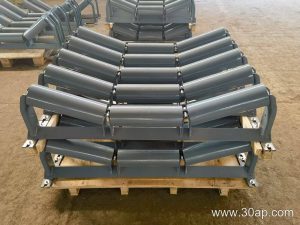
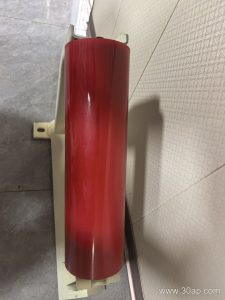
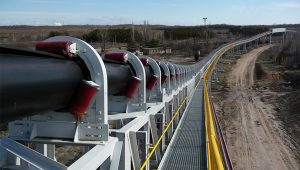
The idler roller is the unsung hero of any bulk material handling system, supporting the belt and cargo while minimizing friction and wear. Without precisely engineered idlers, even the strongest conveyor belt will misalign, sag, or suffer premature failure.
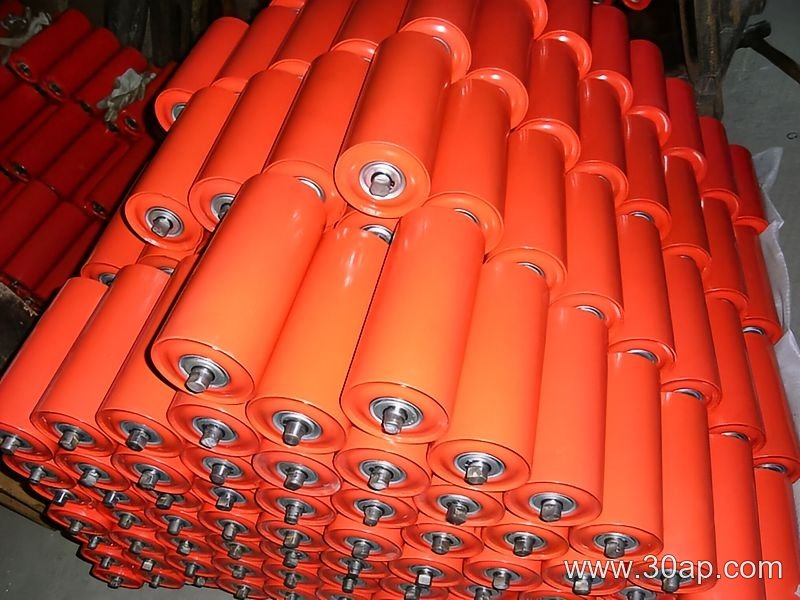
Key Factors in Idler Roller Selection
- Load rating: Match the roller’s dynamic capacity to your maximum belt load and speed to prevent deformation.
- Sealing system: Choose labyrinth or contact seals based on dust, moisture, and operating temperature to extend service life.
- Roller diameter and shell thickness: Larger diameters reduce belt sag and energy consumption; thicker shells resist impact.
- Bearing quality: Opt for C3 clearance bearings with proper lubrication for high-speed or high-temperature environments.
Purchasing Advice for Long-Term Value
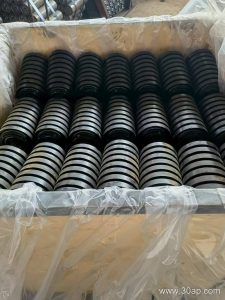
When buying idler rollers, request certified test data for concentricity and run-out. Verify that the roller’s trough angle (20°, 35°, or 45°) matches your existing frame. For corrosive or abrasive materials, specify stainless steel or rubber-disc idlers. Always source from manufacturers who offer a warranty on bearing life under stated conditions, and keep spare rollers for critical transfer points.