What an EP Conveyor Belt, 10mm Thick Actually Is
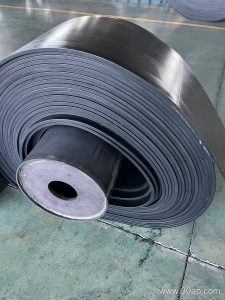
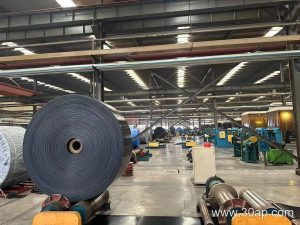
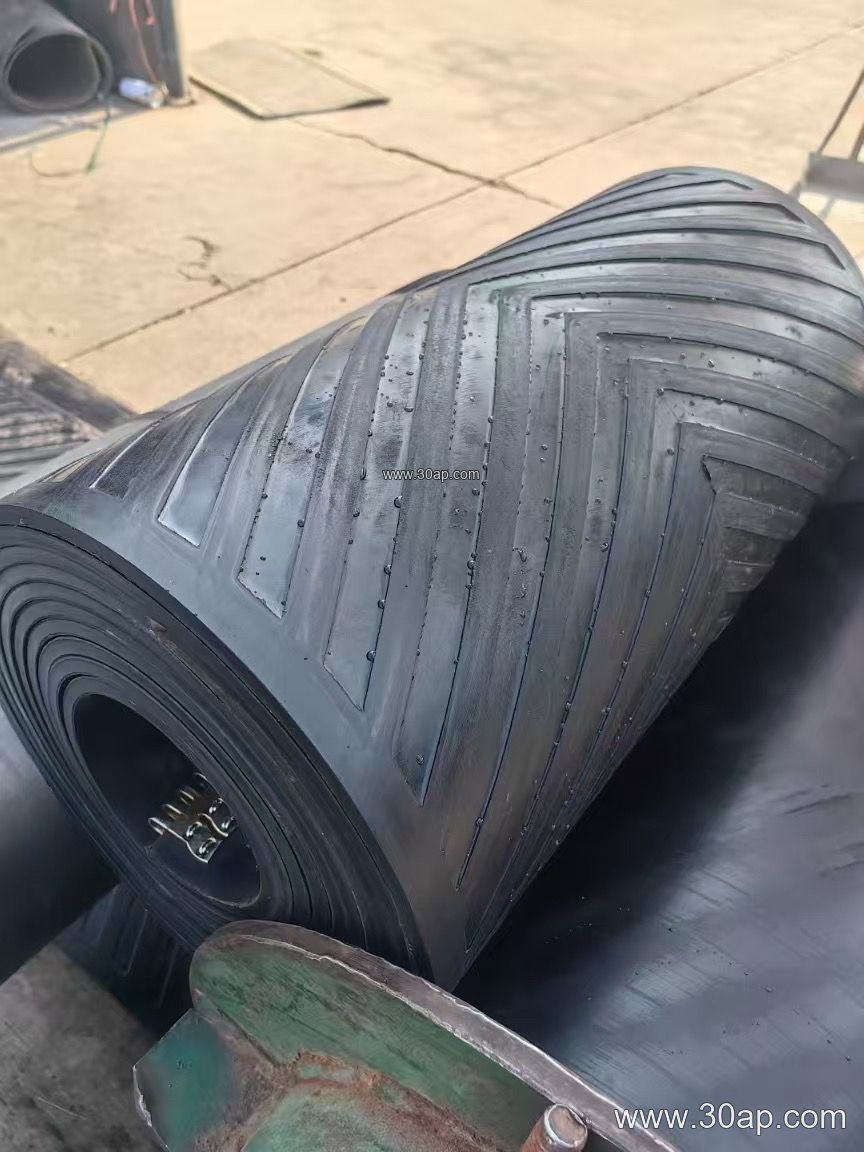
An EP conveyor belt, 10mm thick, is a fabric-core rubber belt built around polyester (E) and nylon (P) warp and weft yarns. The 10mm figure refers to the total belt thickness, combining the top cover, the EP fabric carcass and the bottom cover. Because the carcass is a multi-ply fabric core rather than steel cord, this belt balances tensile strength with flexibility, making it a common choice on medium-duty and heavy-duty conveying lines in mining, cement, power and aggregate operations.
The same product is often described as an EP rubber conveyor belt or an EP fabric core conveyor belt. Those names point to the same construction, not to a different belt type.
How the 10mm Build Is Put Together
A 10mm thick EP belt usually pairs a fabric carcass of two to six plies with cover rubber on both faces. Typical cover combinations for this thickness class include 4+2 mm, 5+2 mm and 6+2 mm, though the exact split depends on the duty. The top cover takes the abrasion and impact, while the bottom cover runs against the idler roller and pulley surfaces.
Thickness alone does not define strength. The carcass grade does. Common EP grades include EP200, EP315, EP400, EP500, EP630, EP800, EP1000, EP1250, EP1600 and EP2000. A 10mm belt may be built in several of these grades, so buyers should specify both thickness and grade rather than treating one as a proxy for the other.
Reference Data for Selection
| Parameter | Common Options |
|---|---|
| Belt type | EP fabric core, multi-ply |
| Total thickness | 10 mm |
| Carcass grade | EP200, EP315, EP400, EP500, EP630, EP800, EP1000, EP1250 |
| Cover rubber | 4+2 mm, 5+2 mm, 6+2 mm |
| Belt width | B650, B800, B1000, B1200, B1400, B1600 |
| Ply count | 2 to 6 plies |
These values are reference data only. Actual construction is confirmed by design and by the manufacturer’s data sheet.
Where a 10mm EP Belt Fits
The 10mm thickness suits main haulage and transfer conveyors that see steady loads without extreme impact. Typical settings include:
- Quarry and aggregate lines moving crushed stone and sand
- Cement plants handling clinker and raw meal
- Power plant coal conveying and ash handling
- Iron ore, copper ore and other ore conveyor duties
- Port and ship loading conveyors for bulk material
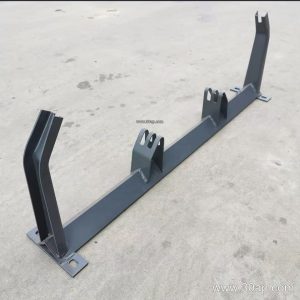
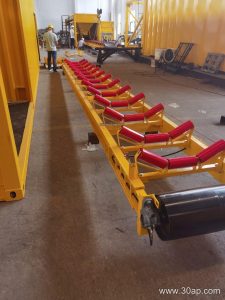
In these circuits the belt runs over idler rollers, wraps the drive pulley and tail pulley, and is held by conveyor brackets and frames. Where the load is heavier or the drop height is greater, a thicker cover or a higher EP grade is usually specified rather than simply adding thickness.
Cover Compounds and Special Duties
The base EP construction can be paired with cover compounds for specific conditions. An abrasion resistant conveyor belt cover is common in quarry and crusher duty. A heat resistant conveyor belt cover suits cement and clinker lines. A flame retardant conveyor belt or fire resistant conveyor belt grade is often requested for coal mining conveyor and underground coal mining conveyor applications. Oil resistant, cold resistant and anti-static versions are also available where the duty calls for them.
For comparison, an NN conveyor belt uses nylon in both warp and weft, while a steel cord conveyor belt carries steel cables instead of fabric plies. Those are different constructions and are not substitutes for the EP belt described here.
What to Confirm Before Ordering
- Grade and ply count — confirm the EP grade and number of plies, not just the 10mm thickness.
- Cover split — state top and bottom cover thickness, for example 5+2 mm.
- Width — match the belt width to the conveyor frame and pulley face; width and pulley diameter are separate design decisions.
- Compound — specify abrasion, heat, flame or oil resistance as needed.
- Joint method — decide between mechanical fastening and vulcanized splicing, and confirm belt ends are prepared accordingly.
- Belt speed and load — share the duty so the supplier can check the carcass grade against the actual tension.
For buyers sourcing through a bulk material conveyor belt supplier, it helps to request the data sheet alongside the quotation. A 10mm EP belt is a workhorse product, but the right grade, cover and joint decide how long it lasts on the line.