What a Conveyor Idler Bracket Does
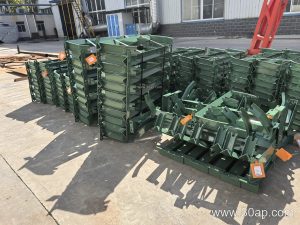
A conveyor idler bracket is the structural component that holds idler rollers in position along a conveyor frame. It sets the trough angle, carries the load, and keeps the belt tracking correctly. Often called a conveyor bracket or idler support bracket, this part is simple in appearance but critical to the performance of the entire conveyor system. Whether you are running a quarry conveyor belt, a coal mining conveyor belt, or a aggregate conveyor belt, the idler bracket directly affects belt life and energy consumption.
In a typical installation, the bracket is bolted or welded to the conveyor stringer. The idler roller sits in the bracket’s cradle, and the conveyor belt runs over the roller. Proper bracket alignment ensures the belt stays centered, reduces edge damage, and prevents material spillage. For demanding applications such as iron ore conveyor belt or copper ore conveyor belt lines, the bracket material and design must withstand heavy loads and abrasive conditions.
Construction and Common Types
Most conveyor idler brackets are fabricated from angle steel, channel steel, or folded steel plate. The choice of material depends on load requirements and environmental conditions. In a cement plant conveyor belt system, for example, brackets are often painted or galvanized to resist dust and moisture. In underground coal mining conveyor belt applications, flame retardant conveyor belt and fire resistant conveyor belt are paired with robust brackets that meet specific safety standards.
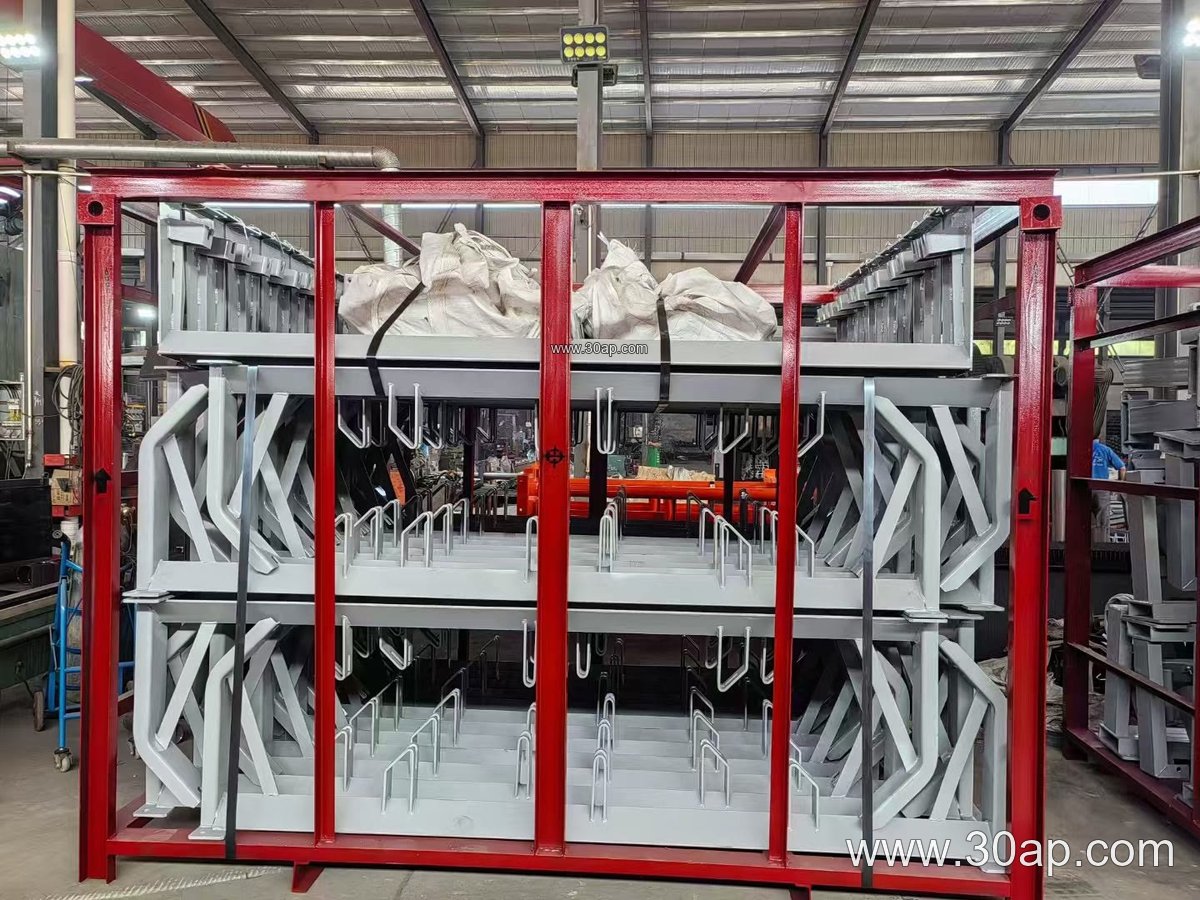
Several bracket types are available to suit different positions on the conveyor:
- Troughing bracket (carrying side): Supports three idlers at a trough angle, typically 20, 30, 35, or 45 degrees. Common for bulk material conveyor belt handling.
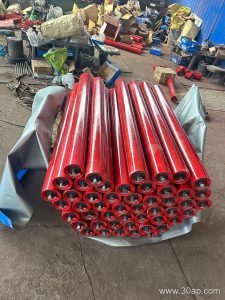
- Return bracket: Holds the return idler rollers, often flat or V-shaped, to support the belt on its return path.
- Impact bracket: Reinforced design used under loading points to absorb shock from falling material, often paired with impact resistant conveyor belt.
- Self-aligning bracket: Includes a pivot or forward tilt (commonly about 1.5 to 2 degrees) to help center the belt and reduce misalignment.
- Adjustable bracket: Allows the trough angle to be changed on site, useful when belt conditions or material characteristics vary.
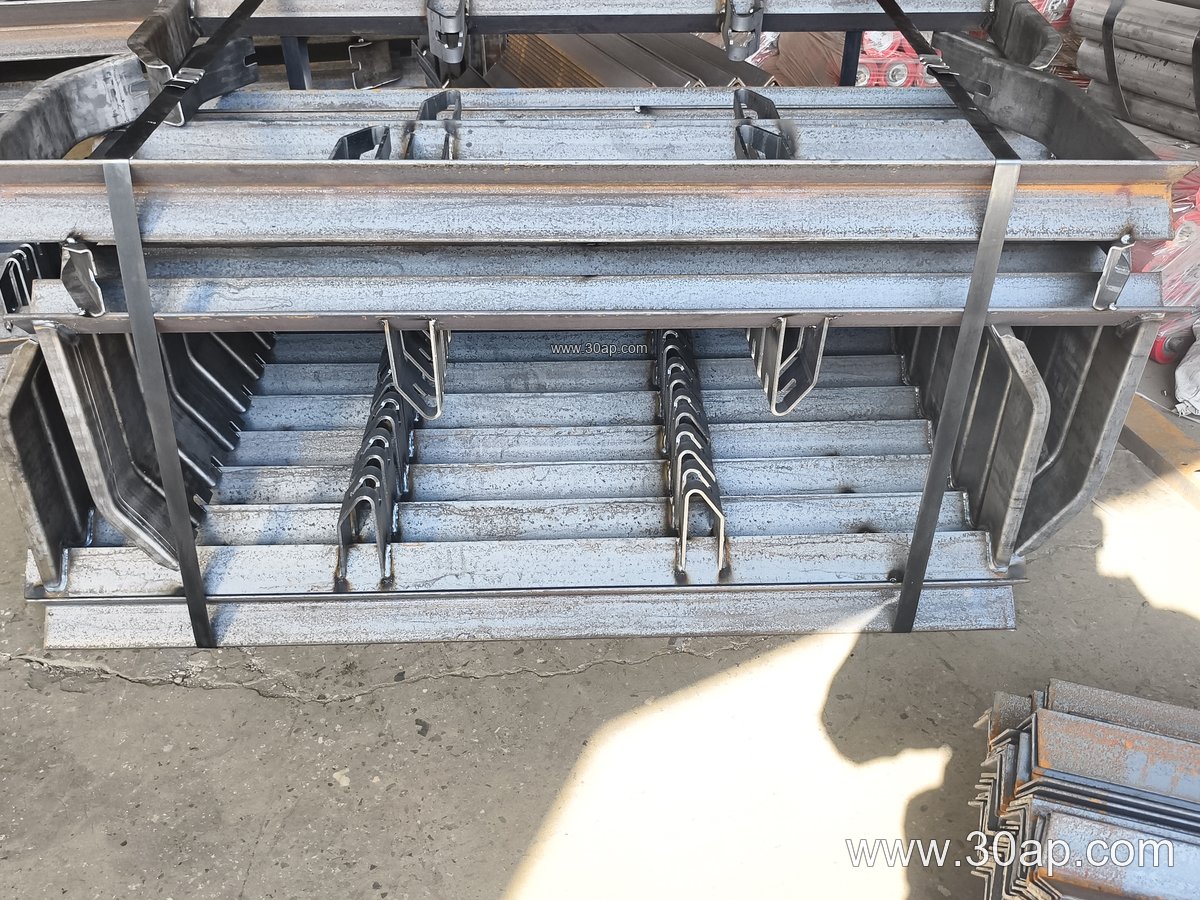
Bracket dimensions, such as mounting hole spacing and crossbeam length, are determined by belt width, trough angle, and idler diameter. They are not fixed numbers and should be confirmed with the conveyor designer.
Matching Brackets to Belt Width and Idler Diameter
Selecting the right conveyor idler bracket involves matching it to the conveyor belt width and idler roller diameter. Common belt widths include B500, B650, B800, B1000, B1200, B1400, B1600, B1800, B2000, and B2200. Idler diameters are typically Ø89, Ø108, Ø133, Ø159, and Ø194. A bracket designed for B800 belt with 35-degree trough and Ø108 idler will not fit a B1200 belt with 45-degree trough and Ø133 idler. There is no universal one-to-one relationship between belt width and idler diameter; the correct combination depends on load, speed, and material lump size.
For example, a B650 conveyor carrying abrasive stone may use a 30-degree trough with Ø89 idlers, while a B1200 conveyor in a power plant coal handling system might use a 35-degree trough with Ø133 idlers. In heavy-duty mining conveyor belt applications, wider belts such as B1600 or B1800 often use Ø159 or Ø194 idlers with reinforced brackets. Always refer to the conveyor design manual for the specific bracket model and dimensions.
Installation and Maintenance Tips
Correct installation of the conveyor idler bracket is essential for belt tracking. Brackets should be aligned perpendicular to the belt centerline and at the same height across the conveyor. Misalignment can cause the belt to run off-center, leading to edge wear and reduced belt life. When installing a new bracket, check that the mounting bolts are tightened to the recommended torque and that the idler roller rotates freely.
Regular inspection helps identify worn or damaged brackets before they cause belt damage. Look for bent brackets, loose bolts, or cracked welds. In dusty environments such as a cement plant or a quarry, clean accumulated material from the brackets to prevent idler seizure. For conveyors using a heat resistant conveyor belt or a cold resistant conveyor belt, ensure the bracket material and any coatings are suitable for the operating temperature.
Buyer’s Checklist for Conveyor Idler Brackets
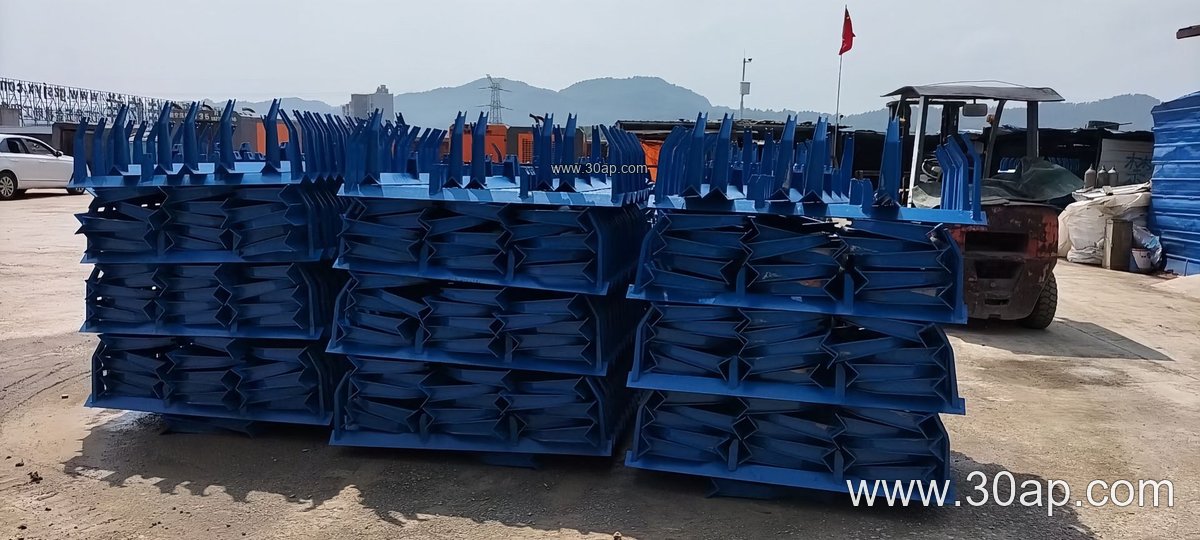
Before ordering, gather the following information:
- Belt width (e.g., B800, B1200)
- Trough angle required (20, 30, 35, or 45 degrees)
- Idler diameter (Ø89, Ø108, Ø133, Ø159, Ø194)
- Bracket type (troughing, return, impact, self-aligning, adjustable)
- Material and surface treatment (angle steel, channel steel, painted or galvanized)
- Mounting hole spacing and crossbeam length (confirm with drawing)
- Environmental conditions (dust, moisture, temperature, corrosion)
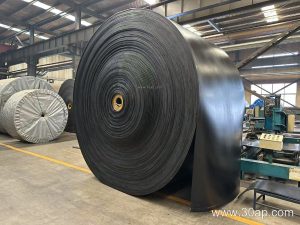
Also consider the type of conveyor belt in use. A steel cord conveyor belt or a heavy-duty mining conveyor belt may require stronger brackets than a lightweight EP conveyor belt. For port conveyor belt or ship loading conveyor belt applications, stainless steel or heavily coated brackets may be needed to resist salt air. Provide the conveyor manufacturer with your belt width, idler size, and trough angle to receive the correct bracket model.
For more information on conveyor components, visit conveyor idler bracket and conveyor belt resources.