What a Conveyor Vertical Roller Does
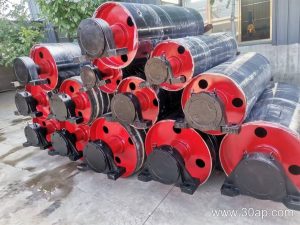
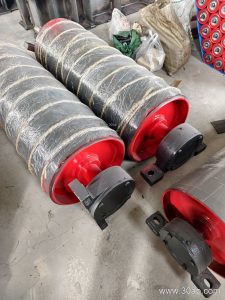
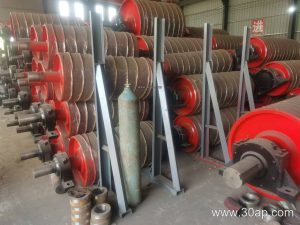
A conveyor vertical roller, also described as a vertical idler roller, is a guide roller mounted in an upright position rather than across the belt line. It usually sits near the edges of a conveyor belt, where it keeps the belt tracking straight, limits side sway, and protects the belt edge from rubbing against the structure. Some plants call the same component a vertical guide roller or edge control roller. It is not a carrying idler, and it is not a drive pulley, tail pulley or bend pulley; those parts transmit power or change belt direction, while the vertical roller only guides.
Construction and Common Forms
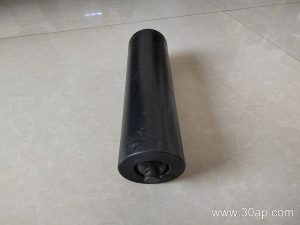
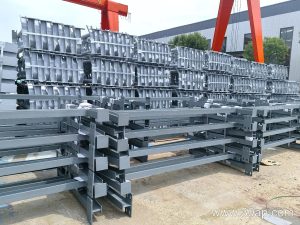
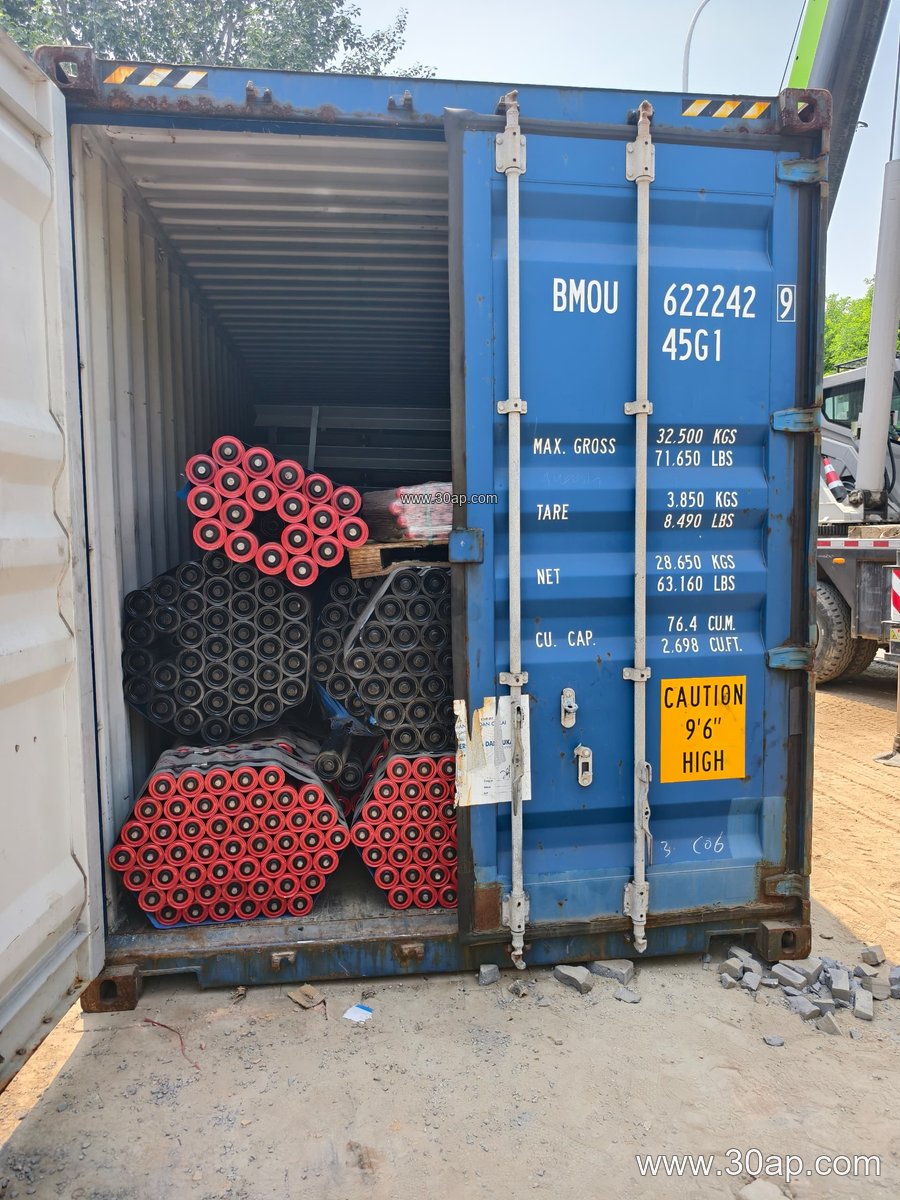
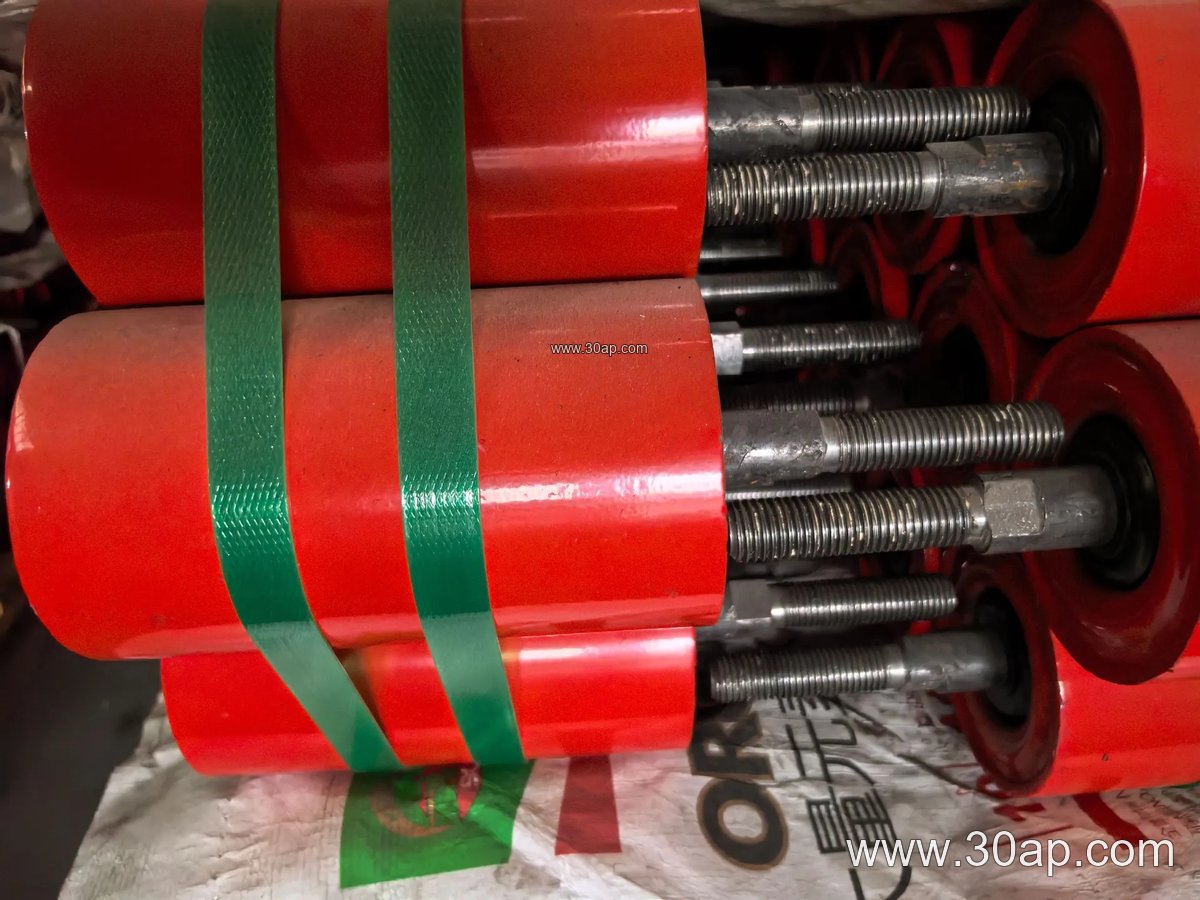
The body is typically a steel tube with a shaft, bearing housing and sealing arrangement. Roller diameters for guide positions usually fall in the smaller range, such as Ø63, Ø76, Ø89 or Ø102 mm, though the final size follows the conveyor design. Surface options may include plain steel, nylon, or a rubber-covered version where edge contact is severe. Bearings are commonly selected from 6204, 6205 or 6305 series depending on load and shaft size. A conveyor bracket holds the roller in place, and the assembly should allow simple height and angle adjustment during belt alignment.
Where Vertical Rollers Are Used
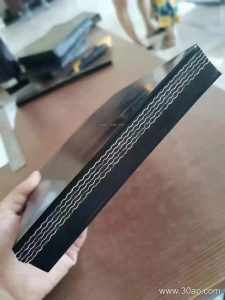
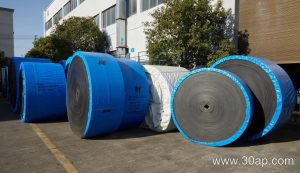
These rollers appear on both fixed and mobile conveyors. In a quarry or aggregate line, they help keep a fabric core conveyor belt or EP conveyor belt centered after a crusher discharge. In a coal preparation plant, a flame retardant conveyor belt may run through a transfer point where side movement is likely, and vertical rollers reduce edge wear. Cement plants and power plant coal handling systems also use them at loading and unloading zones. They are common wherever a belt is long, slightly misaligned, or exposed to side wind and uneven loading.
Vertical Roller Versus Other Idler Positions
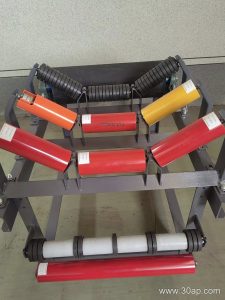
A troughing idler set supports the loaded belt with two or three rolls, and a return roller supports the empty strand underneath. A vertical roller works at the belt edge and does not carry the main material load. This difference matters when ordering spare parts: a vertical guide roller cannot replace a troughing idler, and a return roller or impact roller should not be substituted for it. For comparison only, a self-aligning idler may correct tracking through its angled rolls, while a vertical roller corrects tracking by touching the belt edge.
Sizes and Selection Notes
There is no single belt width to roller diameter rule. A B650 belt and a B1200 belt may both use vertical rollers, but the roller length, shaft, bracket position and clearance are set by the conveyor frame and belt path. Common belt widths in bulk handling include B500, B650, B800, B1000, B1200, B1400 and B1600, and wider belts such as B1800 and B2000 are also found in large ports and mines. The table below shows typical reference values, not a fixed matching chart.
| Reference item | Common range or example | Note |
|---|---|---|
| Roller diameter | Ø63, Ø76, Ø89, Ø102, Ø108 mm | Selected by load and mounting space |
| Belt width | B500 to B2000 mm | Frame and belt path decide roller length |
| Bearing | 6204, 6205, 6305, 6306 | Not tied to one diameter |
| Surface | Steel tube, nylon, rubber ring | Rubber helps at harsh edge contact |
| Mounting | Adjustable conveyor bracket | Allows alignment during installation |
Buyer Checklist
- Confirm the mounting position and whether the roller is vertical or inclined.
- Provide belt width, belt type and the actual frame drawing, not only a diameter.
- State the environment: dust, moisture, coal dust, cement powder or coastal air.
- Check shaft end shape, bracket hole spacing and adjustment range.
- Ask about sealing and bearing grade for the expected service life.
- Match replacement rollers to the existing bracket before ordering a full set.
For plant operators, the vertical roller is a small but useful part of belt alignment. On a site running a heavy-duty mining conveyor belt, an abrasion resistant conveyor belt or a steel cord conveyor belt, edge guides should be inspected together with the conveyor pulley, idler roller and conveyor bracket. A worn vertical roller can wear the belt edge quickly, so periodic checks of rotation, play and surface condition are worthwhile. More belt conveyor component references are available at www.example.com/conveyor-vertical-roller and through our conveyor roller pages.