Understanding Conveyor Brackets in Bulk Material Handling
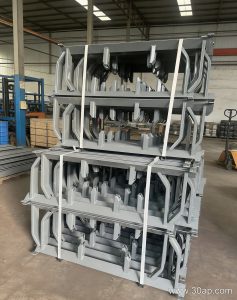
A conveyor bracket is the structural interface that holds idler rollers in position along a belt conveyor. Often referred to as an idler bracket or idler frame, this component determines the trough angle, roller spacing, and overall stability of the carrying and return sides. In quarry, cement plant, and power plant coal handling lines, the bracket must resist vibration, dust, and continuous load. Procurement decisions directly affect belt tracking, roller life, and maintenance downtime.
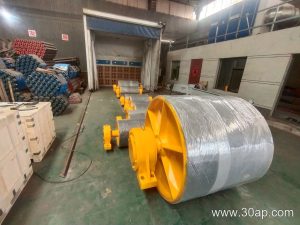
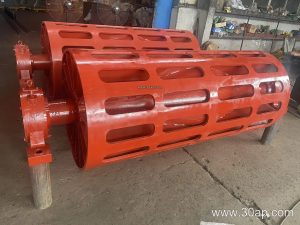
Unlike a drive pulley or tail pulley, which transmit motion and tension, the bracket is a static support element. It is not interchangeable with a bend pulley or any pulley subtype. A conveyor pulley handles rotation and power transmission; the bracket simply locates and secures the idler roller. This distinction matters when specifying spare parts for a system that uses a Fabric Core Conveyor Belt or a Steel Cord Conveyor Belt.
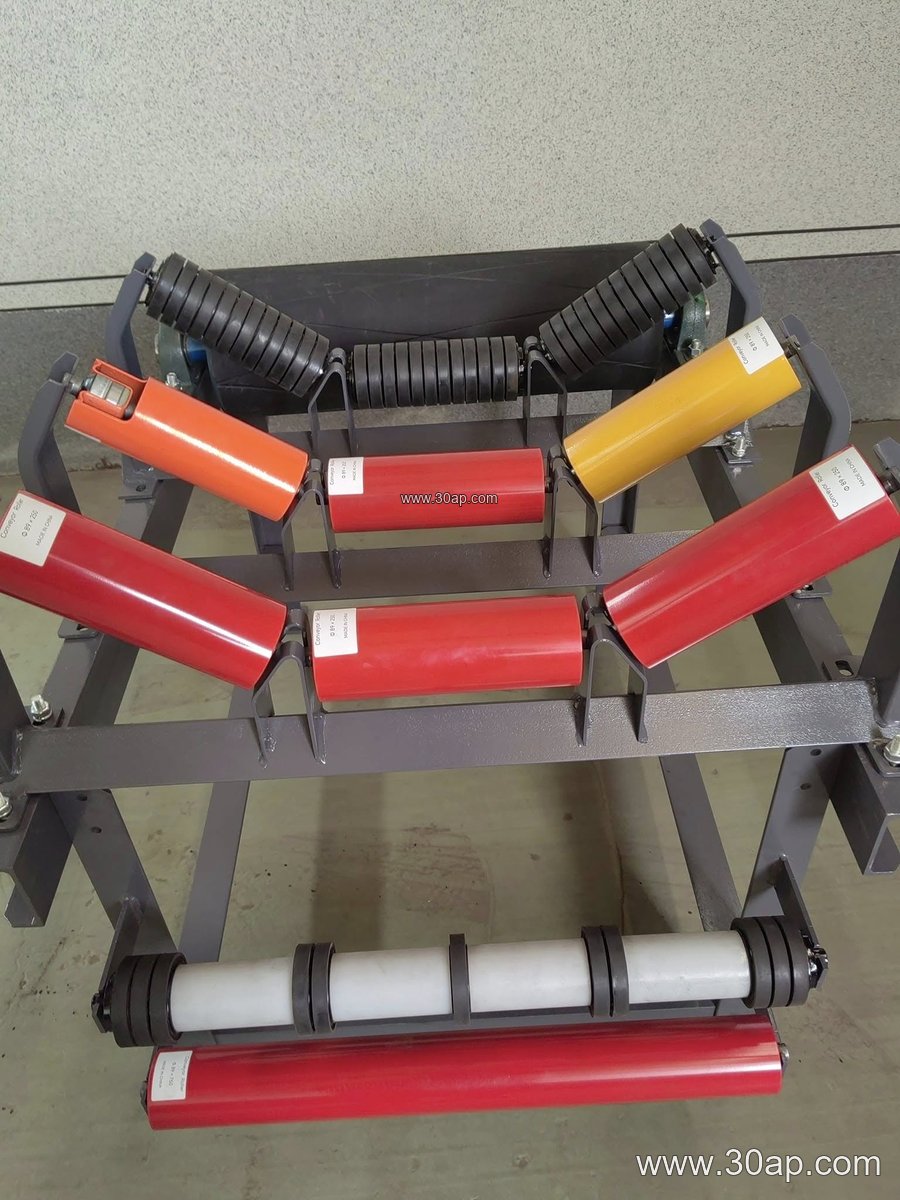
Construction and Common Configurations
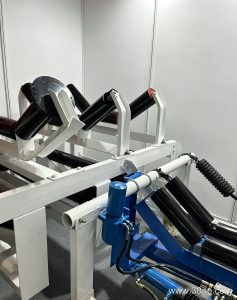
Most brackets are fabricated from angle steel, channel steel, or folded steel plate. The frame includes mounting slots or holes that match the conveyor stringer spacing. Troughing brackets are available in fixed and adjustable designs. An adjustable bracket allows the operator to change the trough angle between common values such as 20, 30, 35, and 45 degrees. Forward-leaning brackets often use a tilt of about 1.5 to 2 degrees to assist belt centering.
- Troughing bracket (carrying side): supports three or more idlers to form the belt trough.
- Return bracket (return side): flat or V-shaped to support the empty belt.
- Impact bracket: reinforced for loading zones where a Mining Conveyor Belt receives lump material.
- Self-aligning bracket: uses pivoting or forward-leaning rollers to correct belt drift.
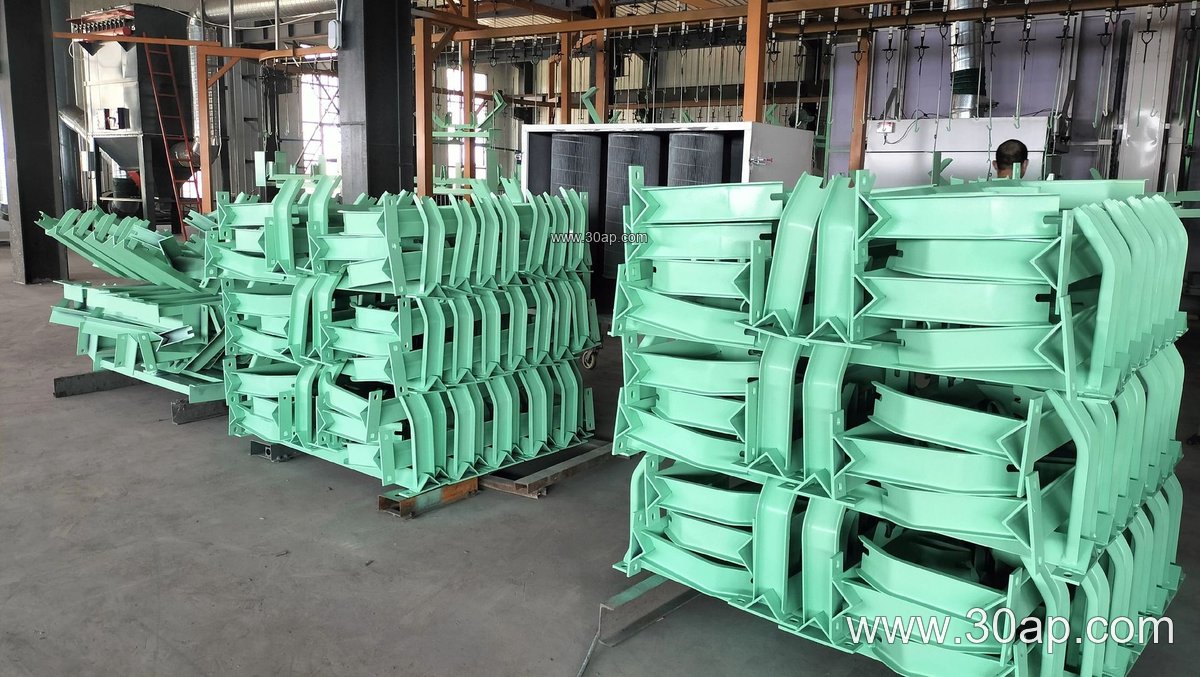
Material thickness and weld quality should suit the application. In a coal mining conveyor or a cement plant, dust and moisture demand galvanized or painted finishes. The bracket must also accommodate the selected idler roller diameter, commonly Ø89, Ø108, Ø133, Ø159, or Ø194 mm. Belt width and trough angle are not fixed to one roller diameter; the design engineer confirms the combination.
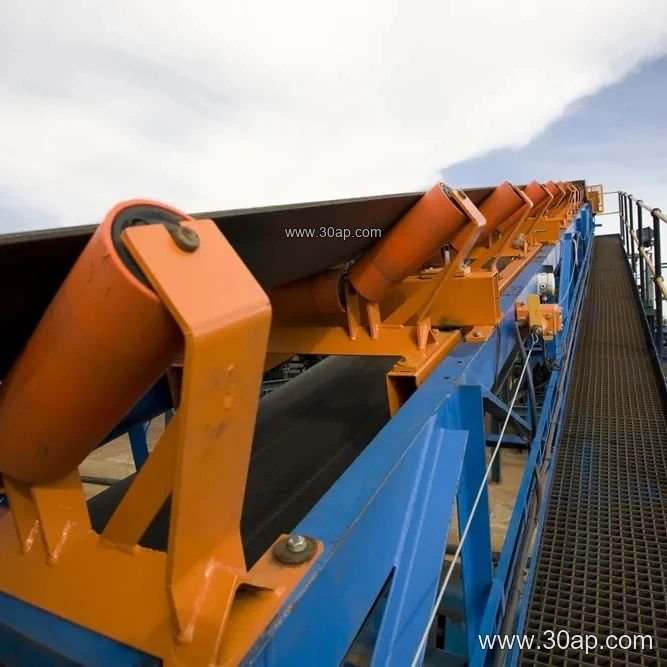
Where Conveyor Brackets Are Used
Brackets appear wherever a belt conveyor moves bulk material. In a limestone quarry, troughing brackets carry a high-abrasion conveyor belt over long distances. In a power plant coal yard, flame retardant and anti-static properties of the belt are critical, while the bracket must withstand coal dust and occasional washdown. The same bracket family supports an EP Conveyor Belt in a sand and gravel line or a Heat Resistant Conveyor Belt in a cement clinker transport section.
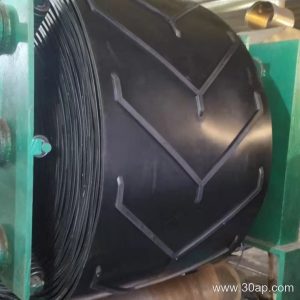
Because the bracket sets the roller position, it influences belt training. A poorly aligned bracket can cause edge wear on an Abrasion Resistant Conveyor Belt or mistracking on a Chevron Conveyor Belt. Procurement should therefore include inspection of mounting hole alignment and frame squareness.
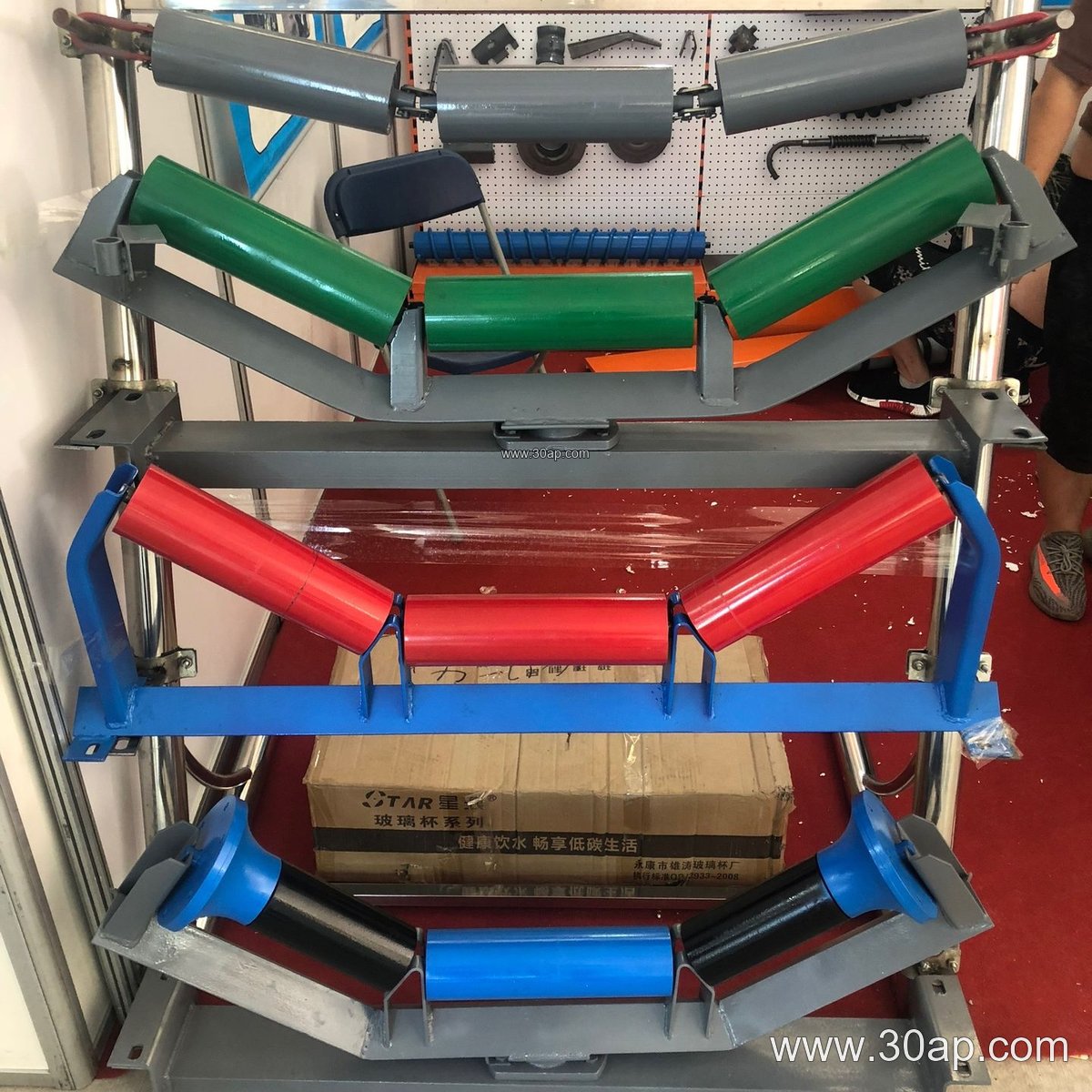
Key Procurement Parameters
Buyers should collect the following data before ordering. The table below shows typical reference values; final dimensions are confirmed by the conveyor design.
| Parameter | Common reference values |
|---|---|
| Belt width (B) | B500, B650, B800, B1000, B1200, B1400, B1600, B1800, B2000, B2200 |
| Trough angle | 20°, 30°, 35°, 45° (adjustable types cover a range) |
| Idler diameter | Ø89, Ø108, Ø133, Ø159, Ø194 |
| Bracket material | Angle steel, channel steel, folded steel plate |
| Mounting | Bolted or welded; hole spacing varies with belt width and trough angle |
Do not assume a fixed shaft diameter from belt width alone. The idler shaft size depends on load rating and bearing selection. For a heavy-duty mining conveyor belt or an underground coal mining conveyor belt, the bracket may need extra reinforcement at impact points. A pipe conveyor belt or corrugated sidewall belt may require special bracket geometry, but the core function remains support and alignment.
Selection and Maintenance Notes
Match the bracket type to the belt line duty. Fixed troughing brackets suit stable, well-aligned structures. Adjustable brackets help during commissioning or where belt tracking changes with load. In a crusher discharge zone, impact brackets protect both the idler roller and the belt. For a food grade conveyor belt or a cold resistant conveyor belt, consider washdown compatibility and low-temperature steel toughness.
During procurement, request dimensional drawings that show hole centers, overall width, and roller mounting height. Confirm that the bracket accepts the planned idler roller series. Spare brackets should be stored indoors to prevent thread damage and corrosion. Regular inspection of bracket bolts and frame straightness reduces unexpected stoppages in port conveyor belts, steel plant conveyor belts, and aggregate conveyor belts.
For more information on matching brackets with conveyor belts and rollers, visit www.example.com/conveyor-bracket and www.example.com/idler-roller. A systematic approach to conveyor bracket procurement keeps the entire belt conveyor system running smoothly.