Understanding the 1250mm Diameter Conveyor Pulley
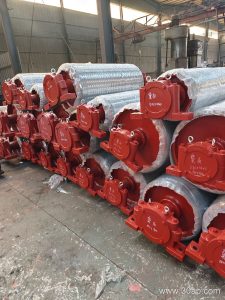
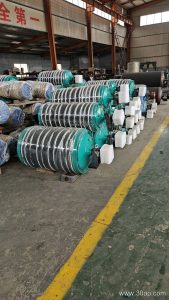
A 1250mm diameter conveyor pulley is a large, heavy-duty component used in bulk material handling systems to drive, tension, or redirect the conveyor belt. With a diameter of 1250mm, this pulley is typically employed in high-capacity applications where significant torque and belt wrap are required. It is commonly found in industries such as mining, cement, power generation, and port operations. The large diameter helps reduce belt stress and improves traction, making it suitable for demanding environments.
Construction and Key Features
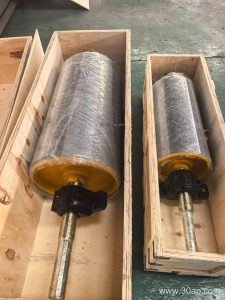
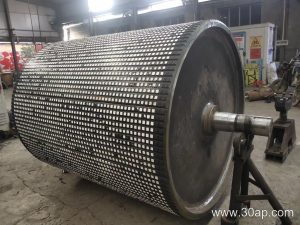
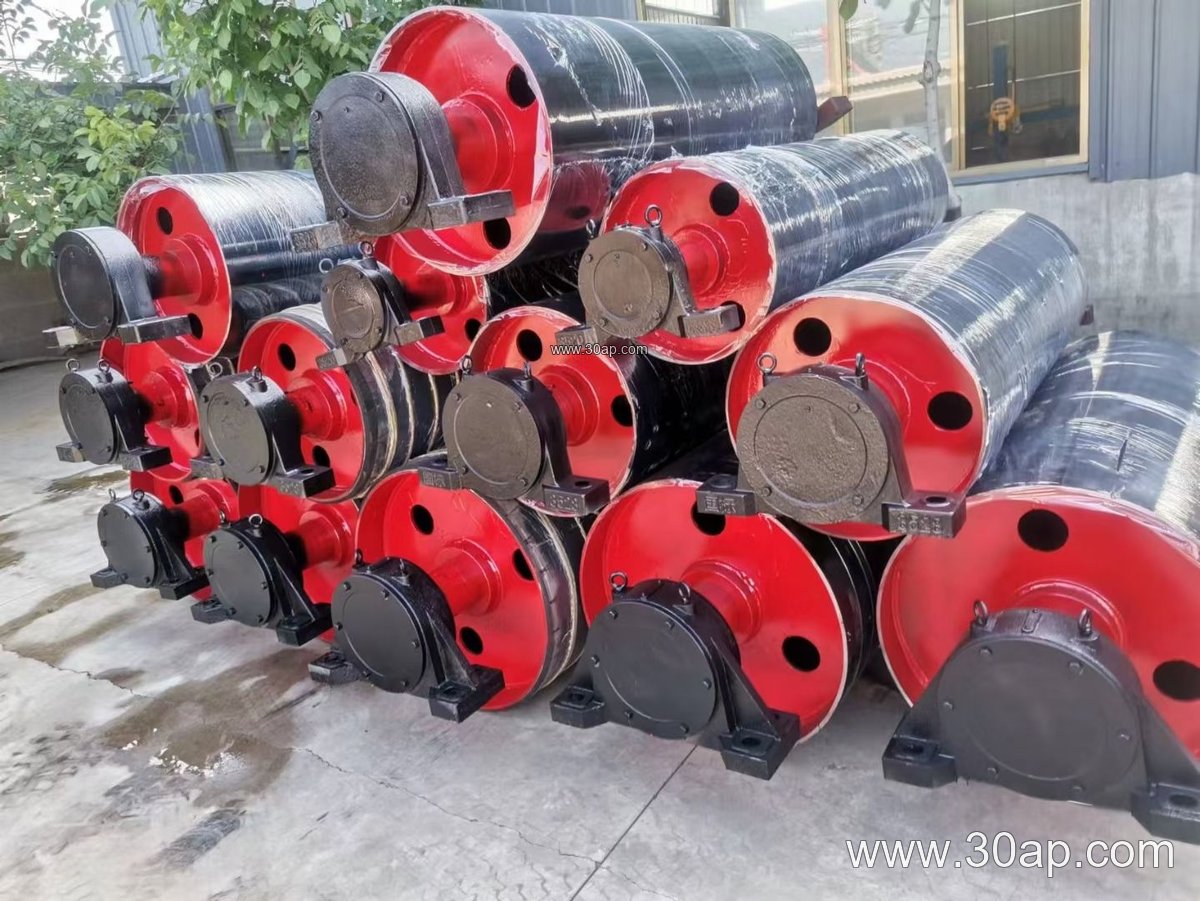
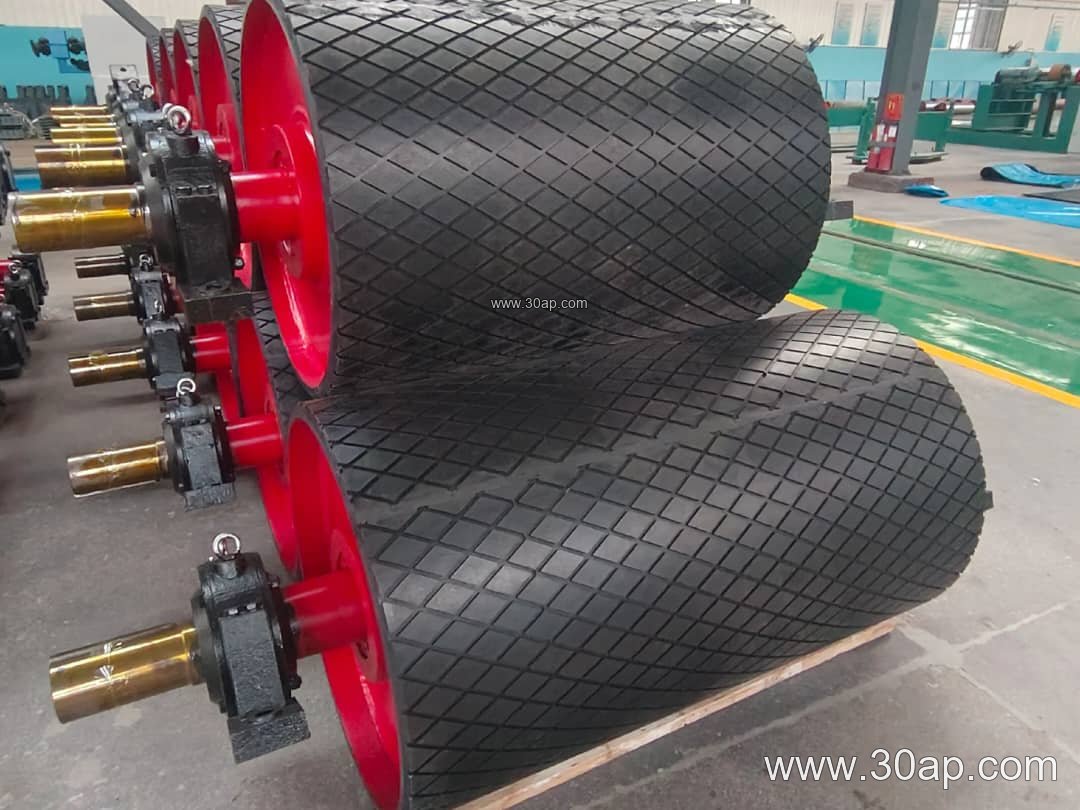
The 1250mm diameter conveyor pulley is built with a robust cylindrical shell, typically made from steel, and is equipped with shafts, hubs, and bearing assemblies. The shell may be machined or rolled, and the end discs are welded for strength. Surface options include plain, rubber lagged, or ceramic lagged, depending on the application. Lagging improves friction between the pulley and the belt, reducing slip. Common lagging thicknesses are 8, 10, 12, 15, and 20 mm. The pulley is designed to accommodate belt widths that are narrower than the pulley face; for instance, a pulley with a 1400mm face width might be used with a 1200mm wide conveyor belt. The shaft diameter is determined by the torque and load, not by the belt width alone, and common shaft sizes range from Ø50 to Ø200mm.
Where It Is Used
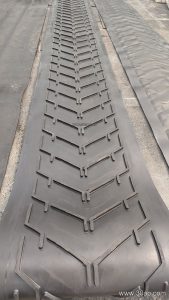
This large pulley is often installed as a drive pulley at the head of the conveyor, where it transmits power to the belt. It can also serve as a tail pulley or bend pulley in high-tension systems. In a typical quarry or aggregate plant, a 1250mm diameter pulley might be paired with a heavy-duty abrasion resistant conveyor belt to handle crushed stone. In coal mining, it may work with a flame retardant conveyor belt to ensure safety. The pulley’s size allows it to handle high belt tensions and provide reliable performance in continuous operation.
Selection and Maintenance Tips
When selecting a 1250mm diameter conveyor pulley, consider the belt width, the required torque, and the environmental conditions. The pulley face width should be slightly wider than the belt to prevent edge damage. For example, a B1200 conveyor belt would typically require a pulley face of about 1400mm. The lagging type should match the material being conveyed; for oily or wet conditions, rubber lagging is preferred, while ceramic lagging offers superior grip in abrasive environments. Regular maintenance includes checking bearing condition, lagging wear, and alignment. Proper lubrication and timely replacement of worn lagging extend the pulley’s service life.
Related Equipment and Considerations
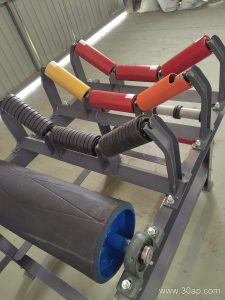
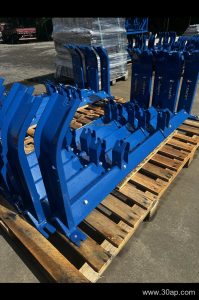
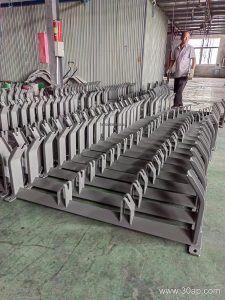
This pulley works in conjunction with other conveyor components such as idler rollers, conveyor brackets, and the conveyor belt itself. The choice of belt can impact pulley performance; for instance, a steel cord conveyor belt may require a larger pulley diameter to reduce bending stress. In a cement plant, a heat resistant conveyor belt might be used alongside a 1250mm pulley in clinker handling. It’s important to match the pulley’s load capacity with the overall system design to avoid premature failure.
Common Specifications
| Parameter | Typical Range |
|---|---|
| Diameter | 1250 mm |
| Belt Width (B) | B1000 to B2000 |
| Face Width | Approx. 1150 to 2200 mm |
| Shaft Diameter | Ø80 to Ø200 mm |
| Lagging Thickness | 8 to 20 mm |
| Surface Options | Plain, rubber, ceramic, diamond, herringbone |
For more information on conveyor pulleys and related products, visit our site at www.example.com/conveyor-pulley. Explore our range of conveyor belts and idler rollers to complete your system.