What a Comb Return Idler Does
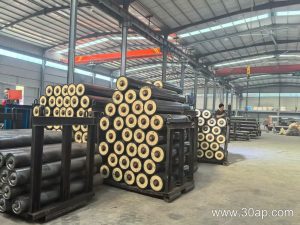
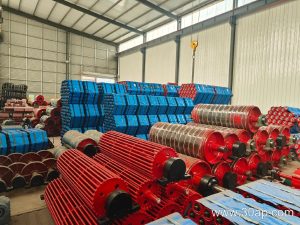
A comb return idler is a return-side roller fitted with a series of rubber or polyurethane discs, often called comb rings, along its shaft. Unlike a plain flat return idler, the comb design creates a self-cleaning effect: as the roller turns, the flexible discs shed sticky material before it can build up on the roller face. This makes the comb return idler a practical choice for conveyors handling wet, clay-like, or fibrous bulk materials where carryback tends to cling to the belt and drop onto the return strand.
The comb return idler is not a substitute for a drive pulley, tail pulley, or bend pulley. Those components transmit power and change belt direction, while the comb return idler only supports and cleans the returning conveyor belt. In a typical conveyor structure, the comb return idler sits between the head pulley and the tail pulley, directly under the carrying side, and works alongside other idler roller types such as training idlers and impact idlers.
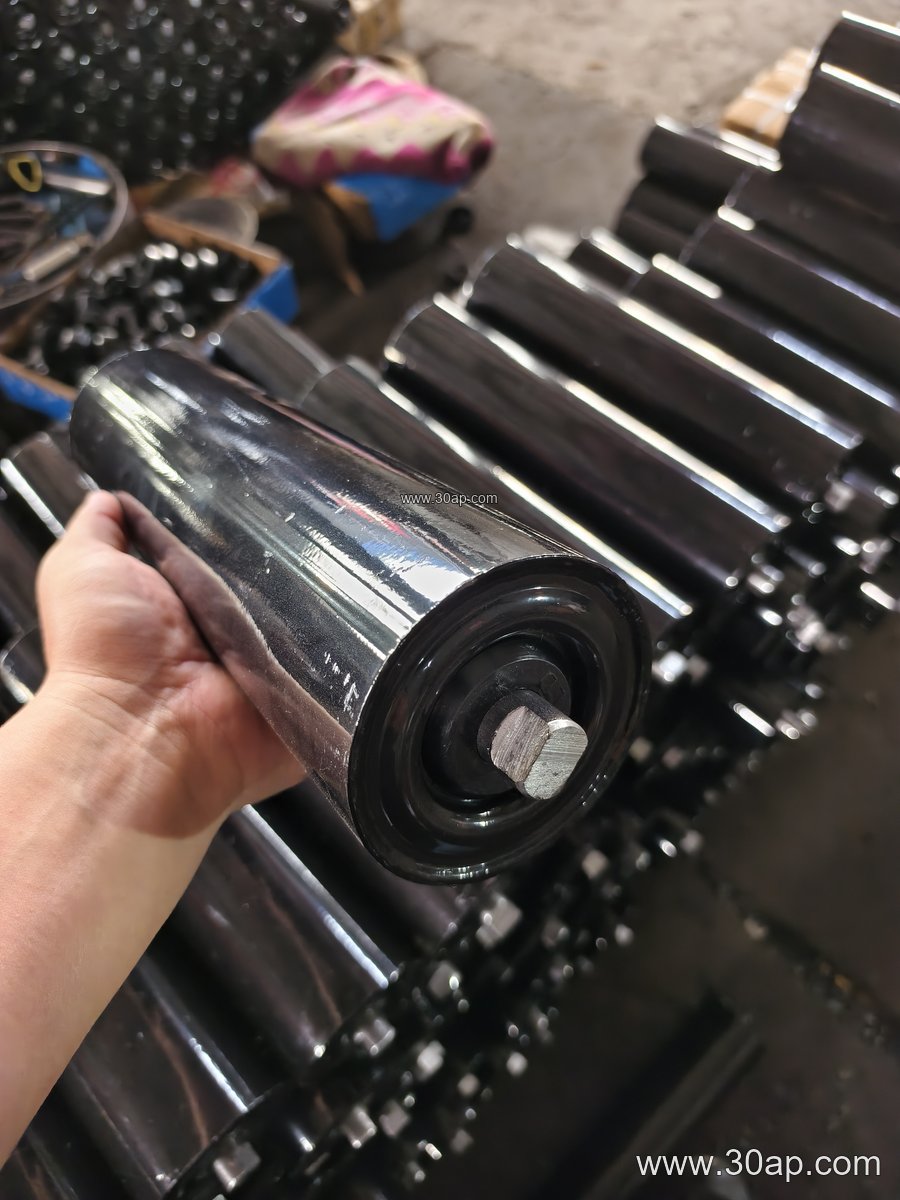
Construction and Key Components
A comb return idler usually consists of a steel shaft, bearing housings, and a set of spaced comb discs mounted on the roller body. The discs are commonly made of wear-resistant rubber or polymer, and their spacing allows fines and moisture to fall away instead of packing between them. Bearings are often selected from common sizes such as 6205, 6305, or 6308, depending on the load and shaft design; no single bearing size is tied to one roller diameter.
The roller surface may be plain steel, nylon, or rubber-covered depending on the duty. For the comb return idler, the comb rings themselves are the defining feature. Roller diameters commonly used in return positions include Ø89, Ø102, Ø108, Ø127, Ø133, and Ø159, while larger diameters such as Ø178 or Ø194 may appear on high-capacity conveyors. Belt widths from B500 to B2000 are routinely served, and the roller length is set by the belt width, trough angle, and idler arrangement rather than by a single fixed rule.
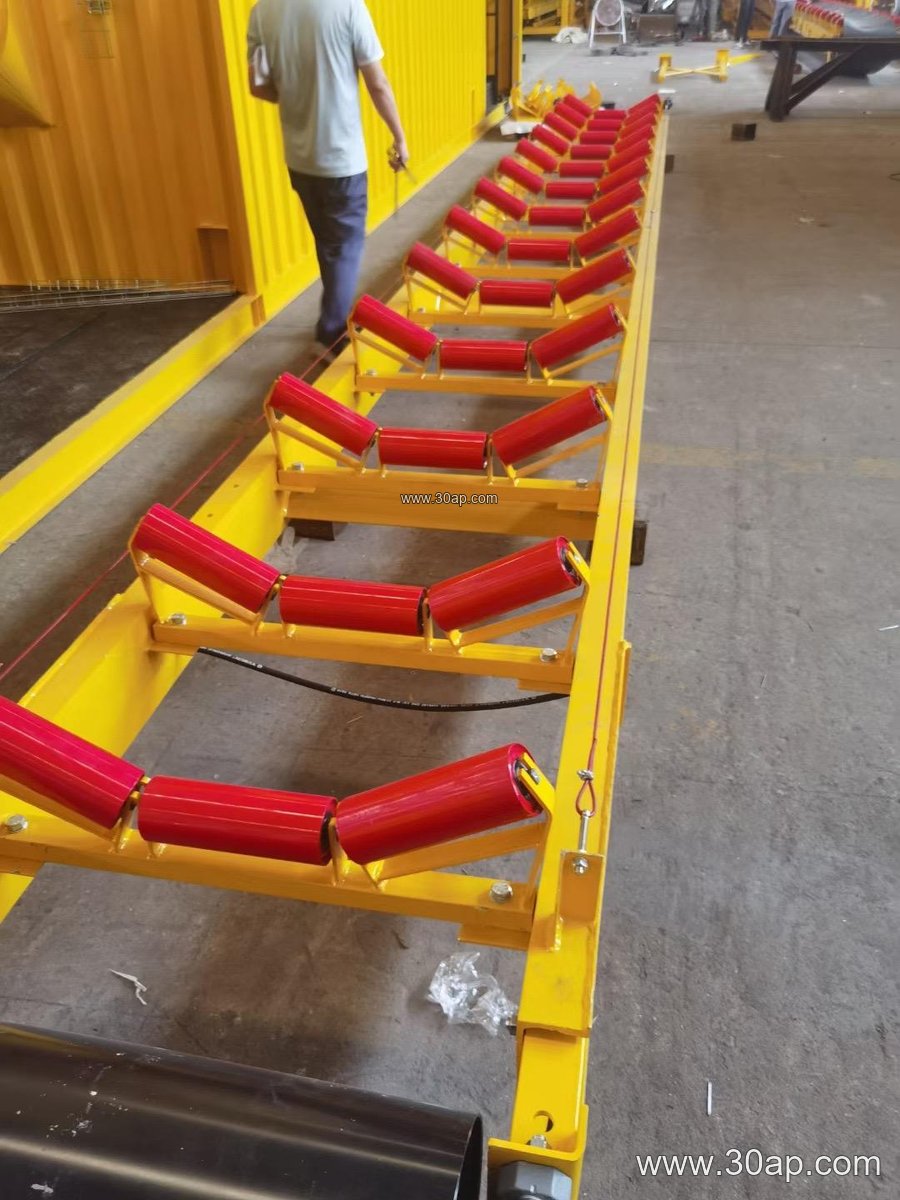
Common Reference Dimensions
The following values are typical reference examples, not mandatory specifications or company supply promises.
| Belt Width | Typical Return Roller Length (example) | Common Roller Diameter Range |
|---|---|---|
| B500 | 200 mm | Ø89–Ø108 |
| B650 | 250 mm | Ø89–Ø108 |
| B800 | 315 mm | Ø102–Ø127 |
| B1000 | 380 mm | Ø108–Ø133 |
| B1200 | 465 mm | Ø108–Ø159 |
| B1400 | 530 mm | Ø127–Ø159 |
| B1600 | 600 mm | Ø133–Ø178 |
| B1800 | 670 mm | Ø133–Ø194 |
| B2000 | 750 mm | Ø159–Ø194 |
These figures are for general reference only. Side rollers and center rollers in a troughing set can differ, and a comb return idler on a specific conveyor should be confirmed against the actual belt width, load, and space available.
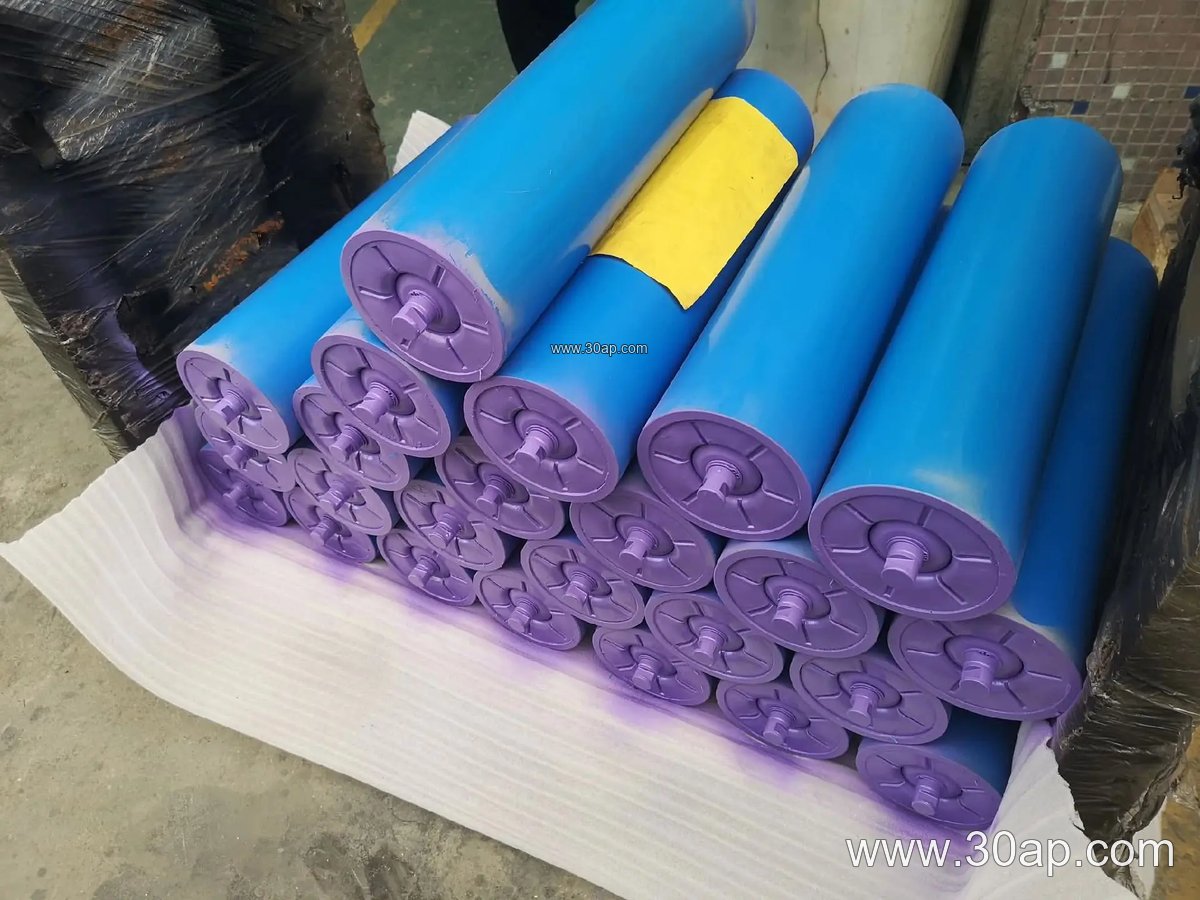
Where Comb Return Idlers Are Used
Comb return idlers are common in limestone quarries and aggregate crushing lines, where damp fines and dust cling to the belt and ordinary return rollers can become lumpy. They also appear in cement plants handling raw meal and clinker dust, and in coal washing plants where fine coal and water create a sticky return strand. In these environments, a comb return idler helps keep the return side cleaner and reduces the risk of material wrapping around the roller.
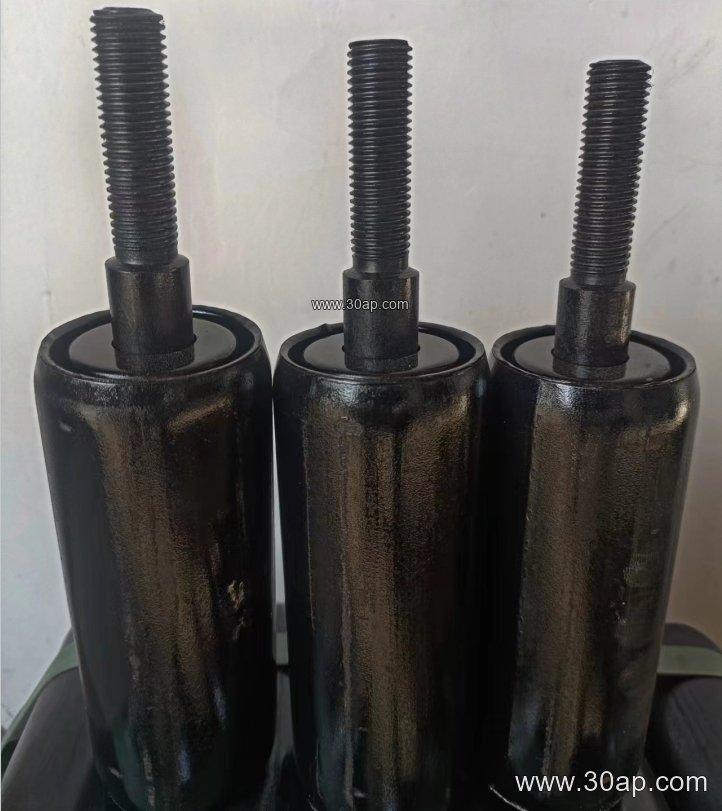
The cleaning action also supports the life of the conveyor belt itself. When carryback is not controlled, it can migrate to the tail pulley and cause misalignment or belt edge damage. A comb return idler works best as part of a broader cleaning strategy that includes belt scrapers and well-positioned return idlers. It should not be confused with a bend pulley or a tail pulley, which serve different mechanical roles in the conveyor drive and tension system.
Selection and Maintenance Notes
Buyers should match the comb return idler to the belt width, the material being conveyed, and the expected loading. For heavy, abrasive ore or wet sand, comb discs with good wear resistance and a robust bearing seal are important. The idler should be mounted on a conveyor bracket that keeps it square to the belt and at the correct height, so the comb rings contact the belt evenly without excessive pressure.
Maintenance is relatively straightforward: check for worn or missing comb discs, listen for bearing noise, and confirm that the roller turns freely. A comb return idler that stops rotating will quickly wear through its discs and can damage the conveyor belt. Spare discs and bearings should be kept according to the actual idler model and shaft size, not guessed from belt width alone. When specifying a replacement, provide the belt width, roller diameter, shaft end type, and mounting dimensions to avoid a mismatch.
For related conveyor components, the comb return idler is often supplied together with troughing idlers, impact idlers, and conveyor pulleys as part of a complete conveyor structure. A well-chosen comb return idler contributes to cleaner operation and longer service life for the conveyor belt in demanding bulk handling environments.