What the PVG800S Conveyor Belt Is
The PVG800S Conveyor Belt is a solid-woven, PVC-based conveyor belt built for demanding bulk handling. In the PVG family, the designation points to a whole-belt construction rather than a rubber-covered carcass: synthetic fabric plies are impregnated and bonded with PVC, then finished with a protective cover compound. The “S” suffix in this product name typically signals a variant grade within the PVG800 range, so buyers should confirm the exact compound and cover specification with the supplier before ordering. It is a distinct product from an EP Conveyor Belt or a Steel Cord Conveyor Belt, and it should not be treated as a drop-in substitute for those constructions.
Construction and Material Layout
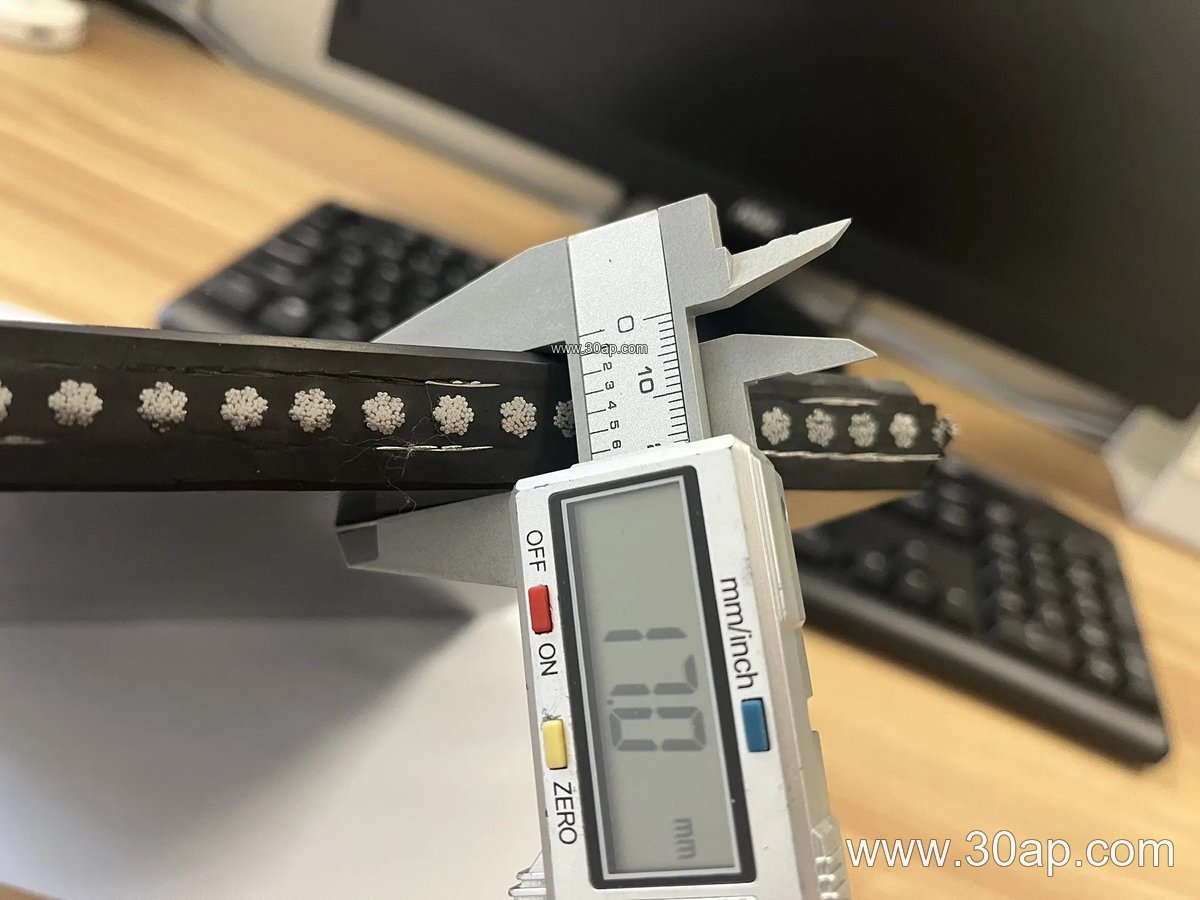
A PVG800S belt is normally built around a multi-ply fabric core. The plies are woven synthetic fabric, consolidated under heat and pressure with PVC paste, which gives the belt a dense, low-stretch body. The covers are PVC-based compounds formulated for different duties. Because the carcass is solid-woven and impregnated, the belt resists moisture penetration better than many open fabric designs, which matters in wet mines and wash plants.
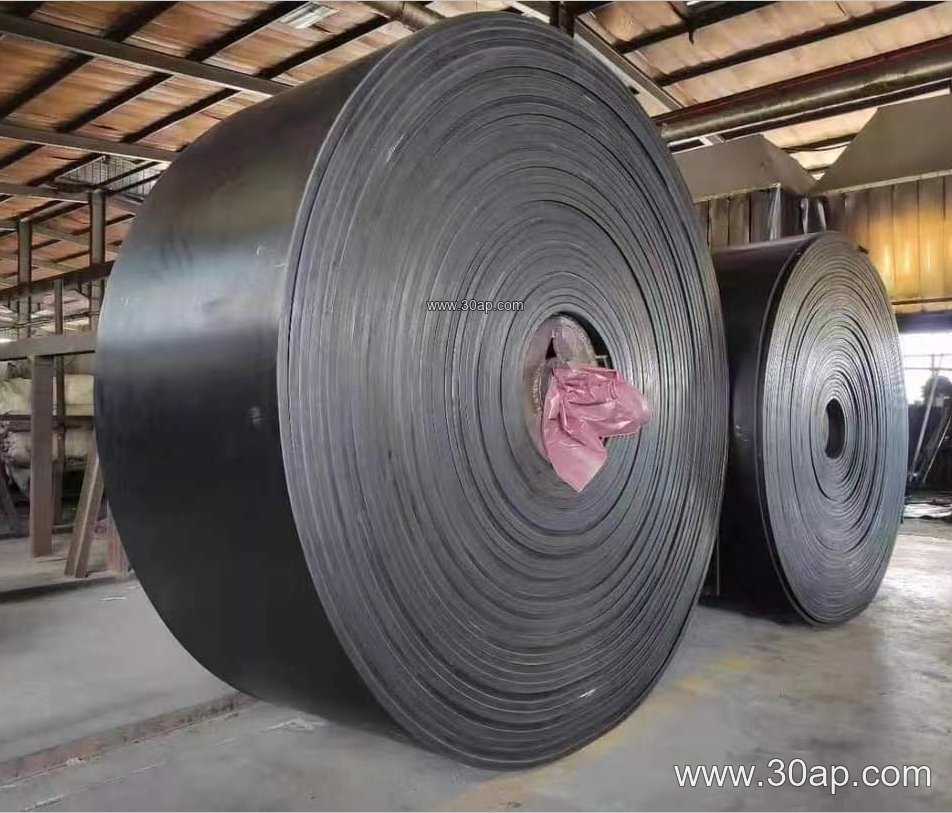
- Fabric core: multiple synthetic plies, usually 2 to 6 depending on strength class.
- Impregnation: PVC paste penetrating and bonding the plies.
- Covers: PVC compound top and bottom, with thickness selected by duty.
- Edges: usually sealed or molded to limit wicking and fraying.
Cover thickness is commonly quoted in pairs such as 3+1.5 mm, 4+2 mm, 5+2 mm, 6+2 mm or 8+3 mm. These are reference values, not a fixed rule, and the final gauge should follow the conveyor design.
Where This Belt Fits in the Plant
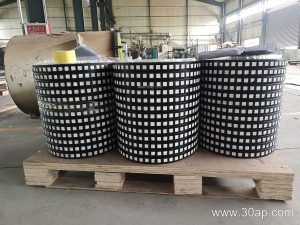
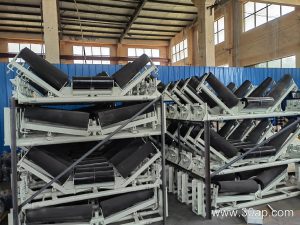
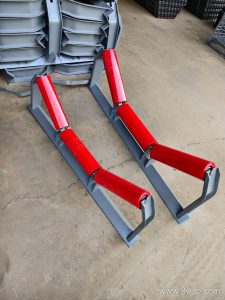
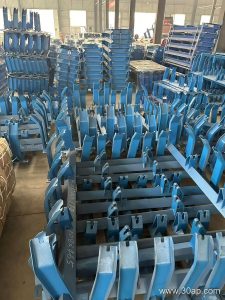
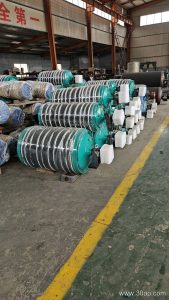
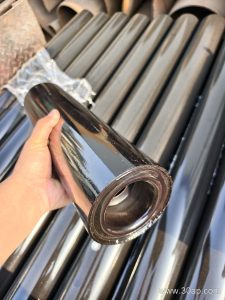
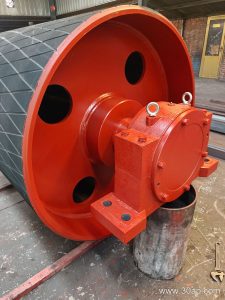
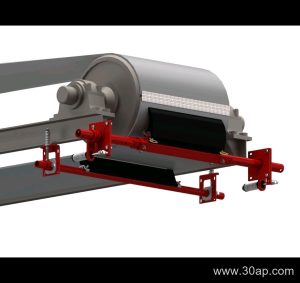
PVG belts are widely used in underground coal mining, where flame-retardant and anti-static behavior is often required. The same construction suits cement plants, power plant coal yards, gypsum and clinker handling, sand and gravel operations, and quarry or aggregate circuits. In a typical transfer, the belt runs over a conveyor pulley at the drive and tail, supported by idler roller sets mounted on conveyor bracket frames. The PVG800S Conveyor Belt can be a practical choice where a rubber conveyor belt would swell or delaminate in damp conditions, and where a lighter, more flexible body is preferred over a heavy Steel Cord Conveyor Belt.
Common Sizes and Related Specifications
The table below collects typical reference data for PVG-type belts. Values vary by manufacturer and should be confirmed against the actual duty and pulley layout.
| Parameter | Common reference range |
|---|---|
| Belt width | B500, B650, B800, B1000, B1200, B1400, B1600, B1800, B2000 |
| Cover thickness | 3+1.5 mm, 4+2 mm, 5+2 mm, 6+2 mm, 8+3 mm |
| Carcass plies | 2 to 6 plies |
| Strength class | Selected by design; PVG800 sits in a mid-range solid-woven class |
| Surface options | Plain, chevron, or with corrugated sidewall for steep inclines |
Note that belt width does not dictate a single pulley diameter. Drive, tail and bend pulleys are sized from tension, wrap angle and shaft load, and they are not interchangeable terms. A 1200mm wide belt may run on quite different pulley diameters in two plants.
Selection Points for Buyers
Start with the material: lump size, moisture, oil content and temperature. A hot clinker stream may call for a Heat Resistant Conveyor Belt rather than a standard PVG grade, while oily scrap favors an Oil Resistant Conveyor Belt. For underground coal work, insist on verified Flame Retardant Conveyor Belt and Anti-Static Conveyor Belt behavior. Check the incline: a Chevron Conveyor Belt or Corrugated Sidewall Conveyor Belt may be needed where the angle exceeds what a smooth PVG800S belt can hold.
Confirm the splice method with the supplier, since solid-woven belts are often joined with finger splices or mechanical fasteners. Ask for the recommended minimum pulley diameter, the take-up allowance, and the cover grade in writing. Also review the idler roller spacing and conveyor pulley lagging: these details affect belt life as much as the belt itself.
Handling and Maintenance Notes
Store PVG800S rolls on a clean, dry surface away from direct sunlight and ozone sources. During installation, keep the belt aligned and avoid dragging it over sharp edges. In service, inspect the covers for cuts and the edges for wicking, and check that idler roller and conveyor pulley surfaces are free of buildup. A misaligned belt wears fast regardless of carcass quality, so adjust conveyor bracket and frame alignment early. With sensible tension and clean running surfaces, a PVG800S Conveyor Belt can serve reliably in wet, dusty and moderately abrasive bulk handling duty.