What a Multi-Ply Fabric Core Conveyor Belt Is
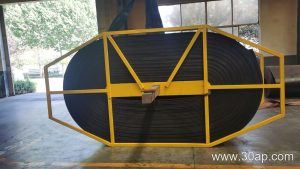
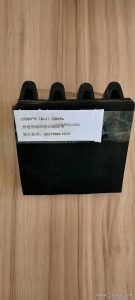
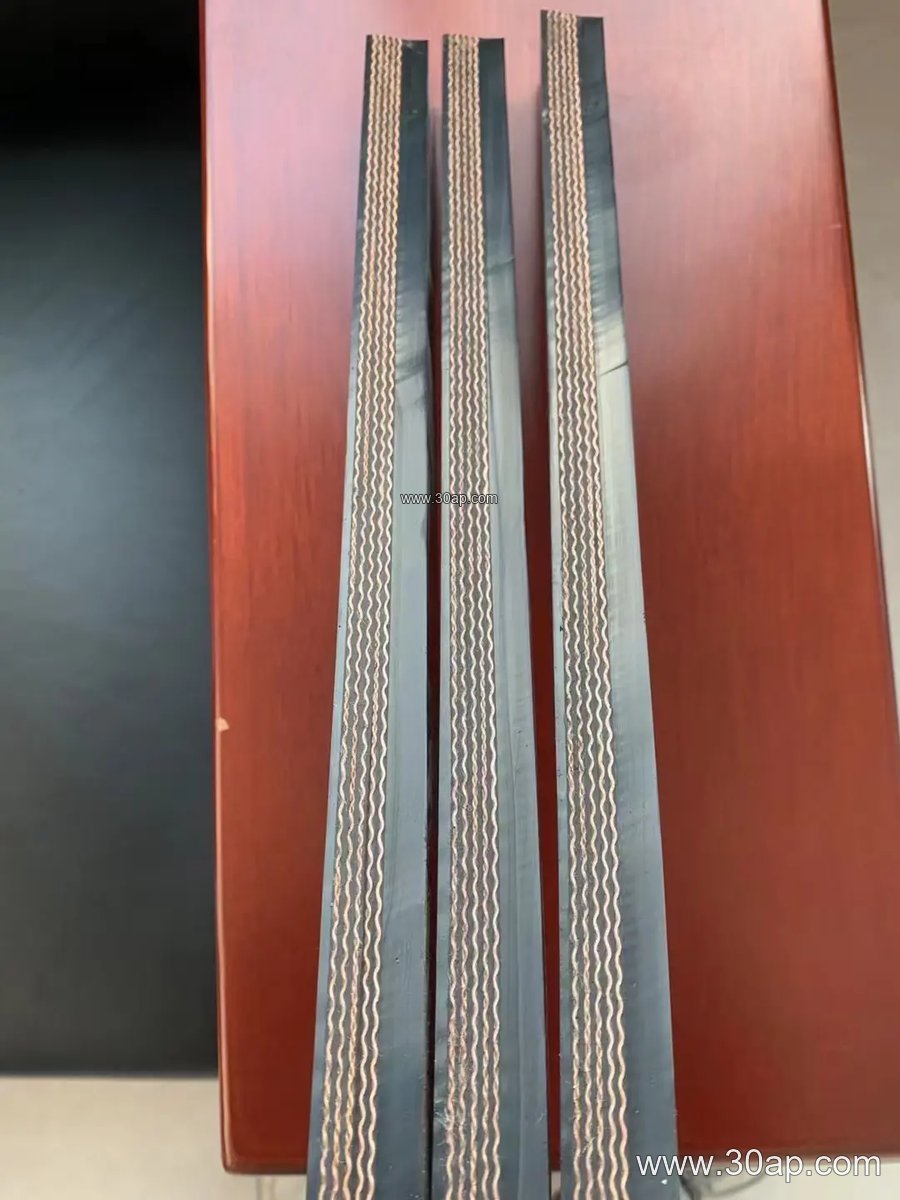
A Multi-Ply Fabric Core Conveyor Belt is a heavy-duty rubber belt built around several layers of woven fabric, usually EP (polyester-cotton) or NN (nylon-nylon) canvas, bonded together with rubber skim compounds and protected by top and bottom cover rubber. The plural plies are the defining feature: instead of a single fabric layer, two to six carcass plies share the tensile load, which gives the belt balanced strength, troughability and resistance to impact along the conveyor line.
In daily site language this product is also called a multi-ply fabric conveyor belt or an EP/NN fabric core belt. It is a distinct product from a steel cord belt, where steel wires replace the fabric carcass, and from single-ply light belts used on small package handling lines. The Fabric Core Conveyor Belt family covers all of these fabric-reinforced designs, and the multi-ply version is the workhorse for bulk material transport.
How the Belt Is Built
The carcass is the load-bearing part. Each fabric ply is calendered with rubber, stacked to the required number of layers, and consolidated under heat and pressure so the plies act as one body. Cover rubber is then applied to both faces. A typical construction for general bulk handling uses cover gauges such as 4+2 mm or 5+2 mm, with thicker 6+2 mm or 8+3 mm covers on abrasive rock and ore duties.
- Carcass: 2 to 6 fabric plies, EP or NN, chosen for strength and elongation.
- Cover rubber: abrasion resistant, heat resistant, oil resistant, flame retardant or anti-static grades.
- Edges: cut edges or moulded edges depending on belt width and duty.
Because the plies are thin and flexible, the belt troughs well over three-roll idler sets and tracks reliably around head, tail and bend pulleys. That flexibility is why multi-ply construction remains common on long overland and in-plant conveyors.
Typical Duty Points and Industries
Multi-ply fabric belts appear in mines, coal preparation plants, cement works, power stations, quarries, sand and aggregate yards, steel plants and port loading systems. They carry crushed rock, clinker, limestone, coal, ore, fertilizer and similar bulk loads. On a quarry conveyor belt or crusher conveyor belt, the multi-ply carcass absorbs lump impact better than a thin single-ply belt, while still allowing the belt to negotiate relatively small pulleys.
Grade selection matters as much as ply count. A Heat Resistant Conveyor Belt is specified where clinker or sinter carries residual heat; a flame retardant grade suits underground coal mining conveyors; an abrasion resistant cover is standard for hard rock and iron ore. Where oil or chemicals are present, an oil resistant or acid resistant cover protects the carcass from swelling and ply separation.
Common Strength and Size References
The tables below show reference values used when specifying a multi-ply belt. They are common ranges, not fixed rules, and final figures are confirmed by the belt designer against the conveyor layout, load and pulley arrangement.
Fabric carcass strength grades
| Grade | Typical use |
|---|---|
| EP200 / NN200 | Light to medium bulk conveying |
| EP315 / EP400 | General quarry and cement duty |
| EP500 / EP630 | Mine and plant main lines |
| EP800 / EP1000 | Heavy-duty mining and ore |
| EP1250 / EP1600 | High-strength long conveyors |
Belt width and cover gauge references
| Item | Common values |
|---|---|
| Belt width | B500, B650, B800, B1000, B1200, B1400, B1600, B1800, B2000 mm |
| Cover gauge | 3+1.5, 4+2, 5+2, 6+2, 8+3 mm |
| Carcass plies | 2 to 6 layers |
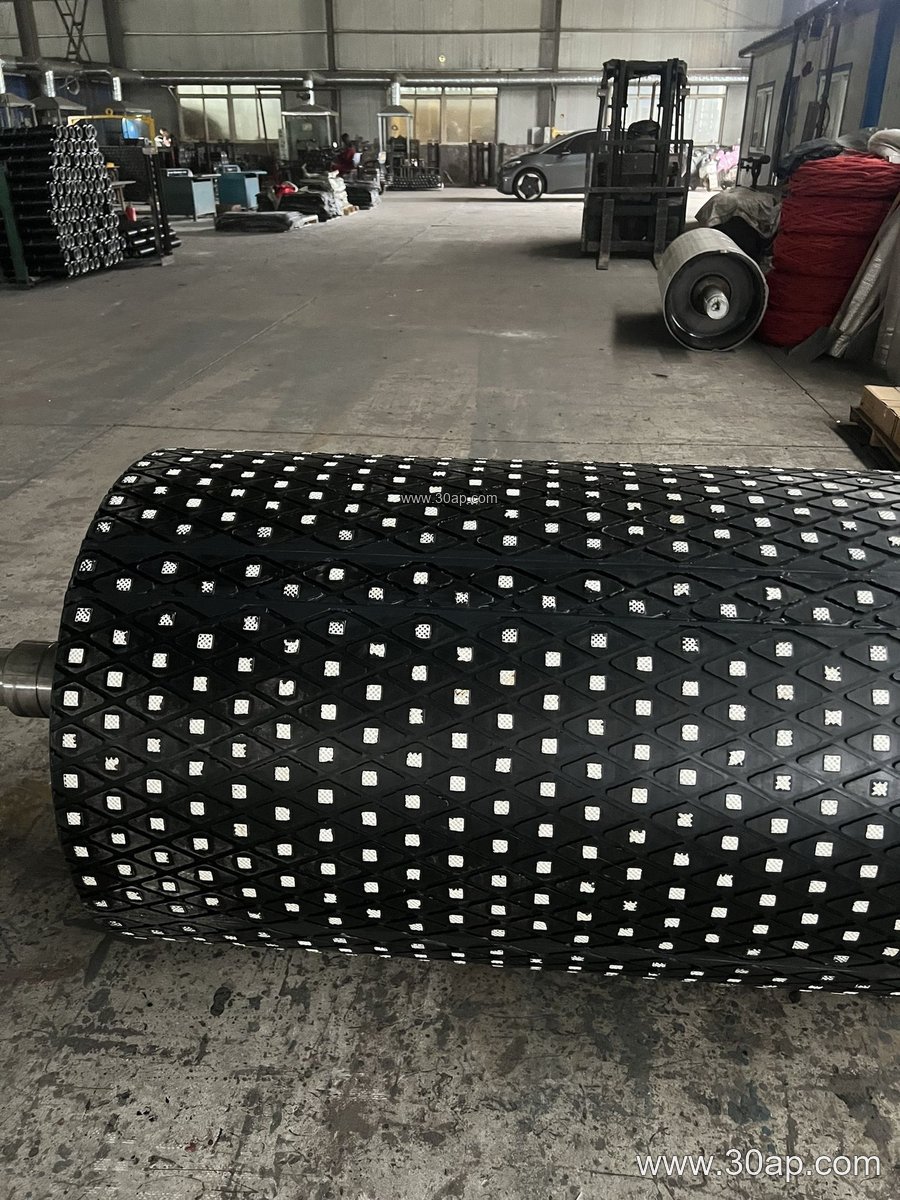
Belt width and pulley diameter are matched through the conveyor design, not by a one-to-one rule. A wider belt does not automatically require a specific shaft size, and the same width may run on different pulley diameters depending on tension and wrap angle.
Buyer Checklist Before Ordering
- Confirm the material carried, lump size and temperature, since these decide the cover grade and thickness.
- State the required tensile grade (for example EP630 or EP1000) and the number of plies.
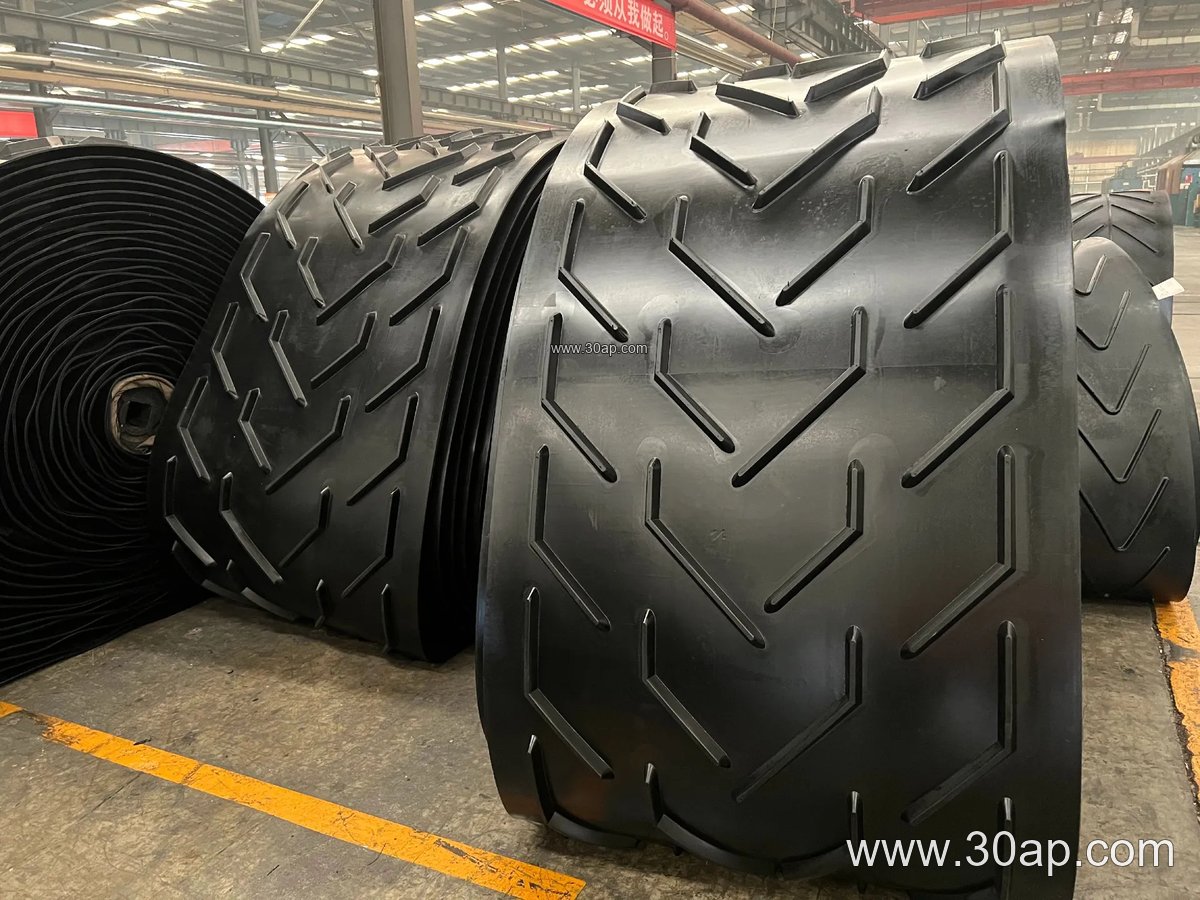
- Give belt width, centre distance, incline angle and whether a chevron or corrugated sidewall profile is needed.
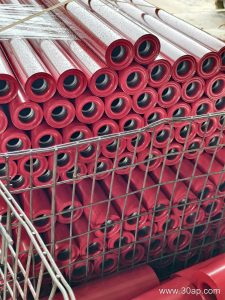
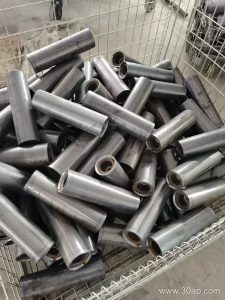
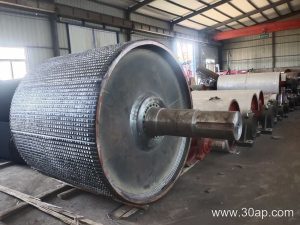
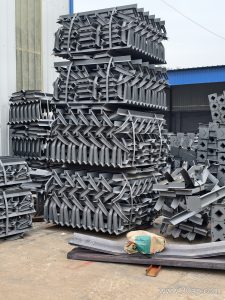
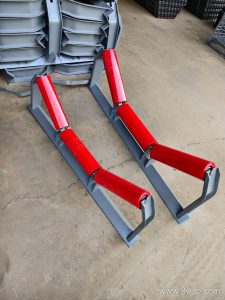
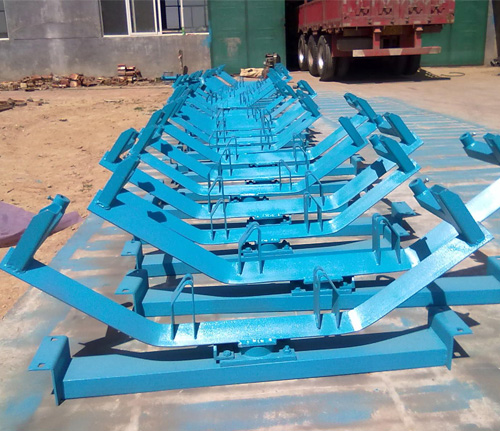
- Check the compatibility of the belt with the conveyor pulley diameters, idler roller spacing and conveyor bracket layout.
- For underground coal work, specify flame retardant and anti-static properties explicitly.
A correctly matched multi-ply belt, with suitable covers and a proper splice, usually delivers long service on bulk material conveyors. Buyers should treat catalogue figures as starting points and ask the belt supplier to verify the construction against the actual conveyor duty.