What Conveyor Bracket Fabrication Involves
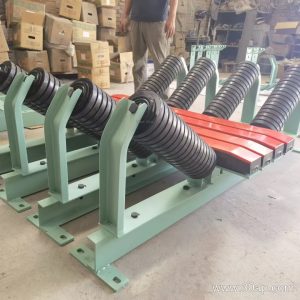
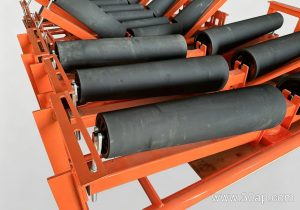
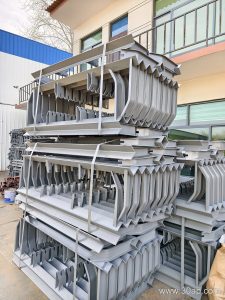
Conveyor bracket fabrication is the process of cutting, forming, drilling, and welding metal components that hold idler rollers in place along a conveyor system. These brackets, often called idler frames or roller supports, are the structural link between the conveyor belt and the idlers that carry it. A fabricator produces them to match the belt width, trough angle, and roller diameter specified for each conveyor section. In a quarry, coal preparation plant, or cement kiln feed line, the bracket must keep the belt running true without crushing the roller or distorting under load.
Unlike a conveyor pulley, which drives or redirects the belt at the ends, a bracket works continuously along the carrying and return runs. The fabrication shop receives drawings or design data, then selects material and builds each frame to suit the installation point.
Materials and Construction Methods
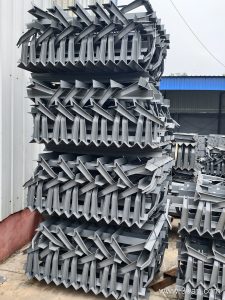
Most brackets are fabricated from angle steel, channel steel, or folded steel plate. The choice depends on load, span, and environmental conditions. For dusty or wet locations such as a limestone mine or a port transfer tower, fabricators may add reinforcement ribs or use thicker plate to resist corrosion and fatigue.
Typical steps include:
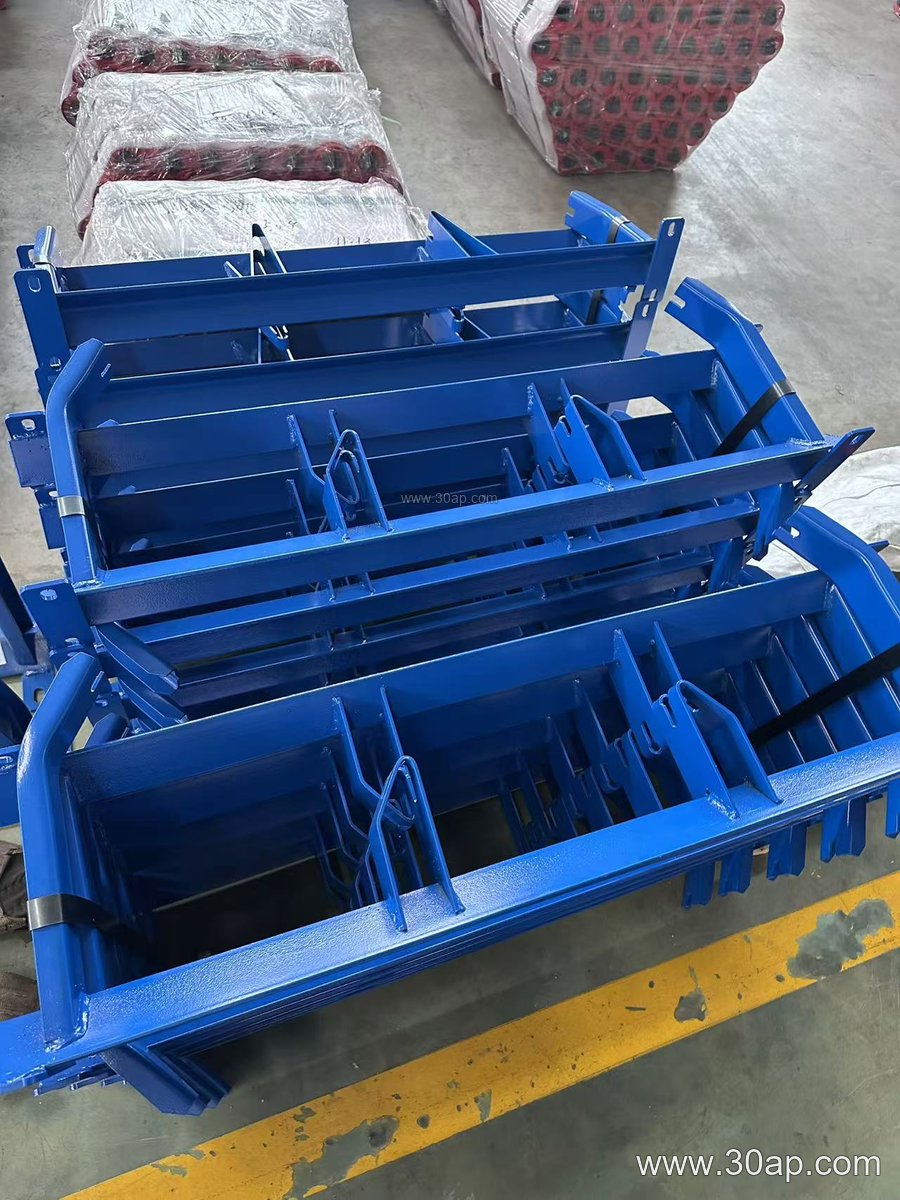
- Cutting raw stock to length
- Punching or drilling mounting holes for idler shafts
- Bending or welding cross members to set the trough angle
- Aligning and welding end plates or attachment tabs
- Cleaning and applying a protective finish
Hole spacing and crossbeam length change with belt width and trough angle. They are not fixed numbers. A fabricator works from the design drawing rather than assuming a standard layout.
Common Types and Their Roles
Fabrication covers several bracket styles, each positioned for a specific job on the conveyor.
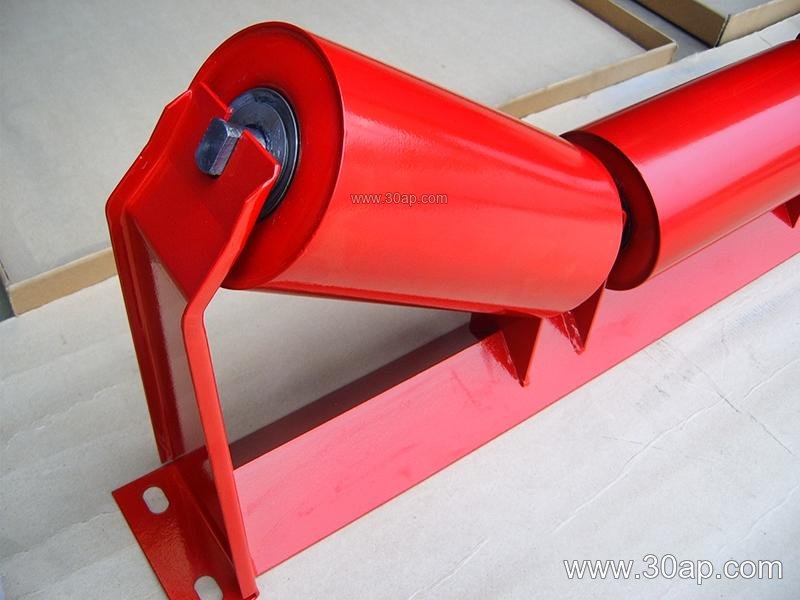
- Troughing bracket — supports the carrying idlers that shape the belt into a trough. Common trough angles are 20, 30, 35, and 45 degrees.
- Return bracket — holds the lower idlers that support the empty belt on its return path.
- Impact bracket — reinforced under loading points to absorb material drop energy.
- Self-aligning bracket — allows slight pivoting to correct belt tracking.
- Adjustable bracket — permits changing the trough angle or roller position on site.
A bend pulley or tail pulley is a different component and is not a substitute for a bracket. The bracket supports idlers; the pulley turns the belt. Both are needed, but they perform separate functions.
Matching Brackets to Belt and Roller Sizes
Belt width and roller diameter guide the bracket design, but they do not lock a fabricator into one combination. A bracket for a B800 belt can be built for Ø89, Ø108, or Ø133 rollers depending on the load and belt speed. Similarly, a B1200 system might use Ø133 or Ø159 idlers. The table below shows common pairings, not mandatory rules.
| Belt Width | Trough Angle | Roller Diameter | Typical Bracket Style |
|---|---|---|---|
| B500 | 20° | Ø89 | Troughing, return |
| B650 | 30° | Ø89 | Troughing, impact |
| B800 | 35° | Ø108 | Troughing, self-aligning |
| B1000 | 35° | Ø133 | Troughing, return |
| B1200 | 45° | Ø133 | Troughing, impact |
| B1400 | 45° | Ø159 | Troughing, adjustable |
| B1600 | 35° | Ø159 | Troughing, return |
| B1800 | 45° | Ø194 | Troughing, impact |
| B2000 | 45° | Ø194 | Troughing, self-aligning |
| B2200 | 45° | Ø194 | Troughing, adjustable |
These values are common references. Actual fabrication follows the conveyor design, and many combinations are possible. A fabricator should never assume that one belt width forces a single roller diameter or trough angle.
Where Fabricated Brackets Are Used
Brackets appear in almost every bulk material handling system. In a sand and gravel plant, they support troughing idlers under the crusher discharge. In a power plant coal yard, they hold return idlers that keep the belt off the ground. In a fertilizer granulation line or a grain silo gallery, stainless or coated brackets may be needed for corrosion resistance.
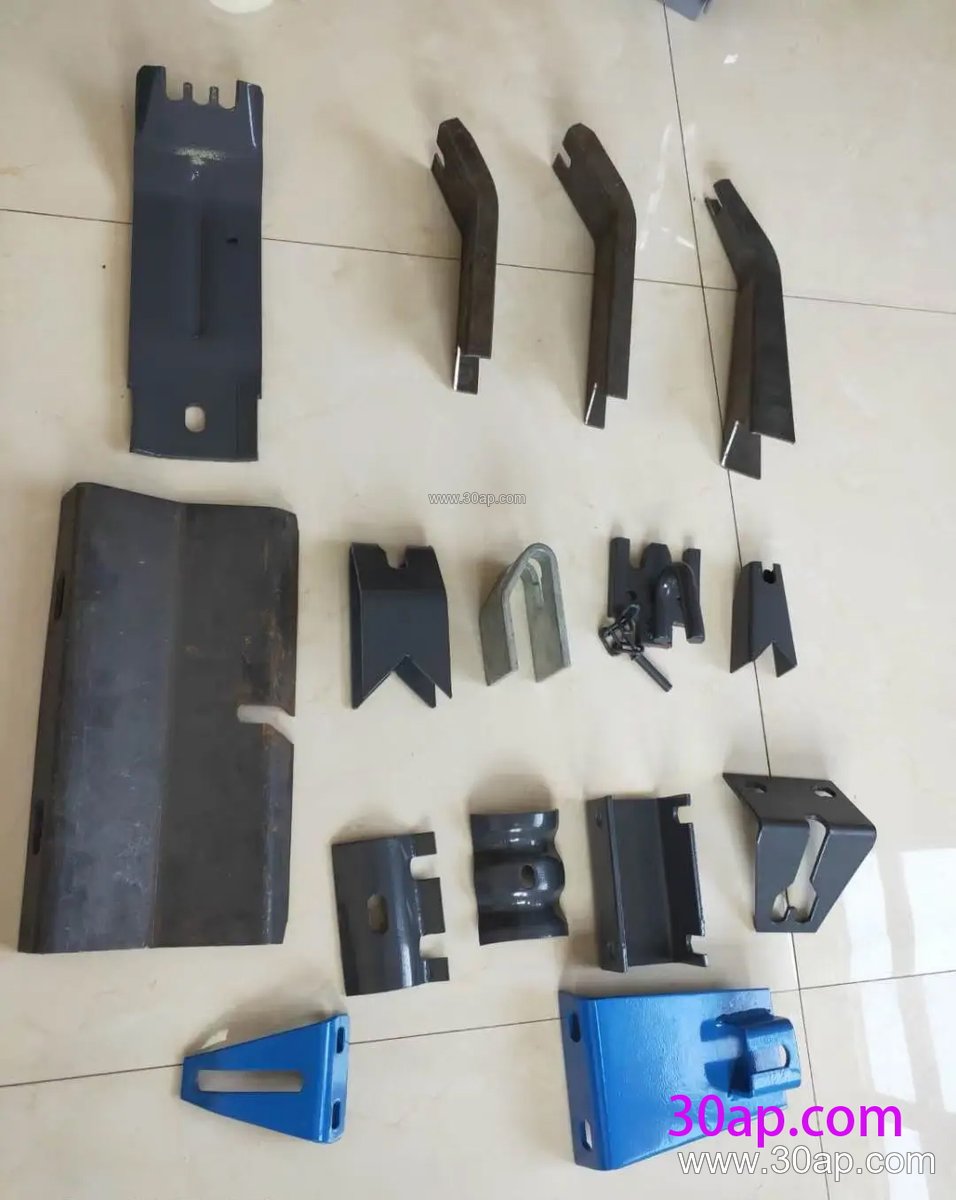
The working environment affects fabrication choices. A tunnel boring operation may require compact brackets that fit tight spaces. A steel mill sinter line may need heavy-duty frames to survive heat and impact. The common thread is that the bracket must match the conveyor belt, idler roller, and conveyor pulley layout without interfering with belt travel.
What Buyers Should Check Before Ordering
When sourcing fabricated brackets, a buyer should confirm the following:
- Belt width and trough angle for each conveyor section
- Roller shaft diameter and mounting hole pattern
- Material thickness and finish suitable for the site conditions
- Whether the bracket is fixed or adjustable
- Compatibility with the existing conveyor pulley and idler roller positions
Fabrication drawings should show hole spacing, crossbeam length, and weld details. These dimensions vary with design and should be taken from the project specification, not from a generic table. A bracket that fits one conveyor may not fit another, even if the belt width is the same.
Well-fabricated brackets reduce belt misalignment, extend roller life, and keep maintenance predictable. They are a small but critical part of any conveyor system, from a small aggregate screen to a large port loading facility.