What a Ceramic-Lined Pulley Is
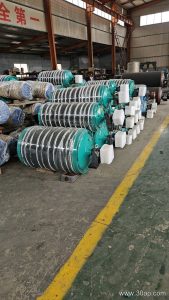
A ceramic-lined pulley is a conveyor pulley whose shell is covered with ceramic tiles set in a rubber or epoxy matrix. It is also sold as a ceramic lagged pulley, and the two names describe the same product. The ceramic layer is a wear surface, not a structural part: the shell, shaft and end discs still carry the belt tension and the load.
The idea behind the design is simple. In a quarry, a coal preparation plant or a cement clinker line, fine hard material works its way onto the pulley face. Plain steel becomes polished and the belt slips. Rubber lagging grips better but can wear through. Ceramic tiles resist that cutting action, and the raised pattern of the tiles also helps water and dust escape from the contact area.
How the Pulley Is Built
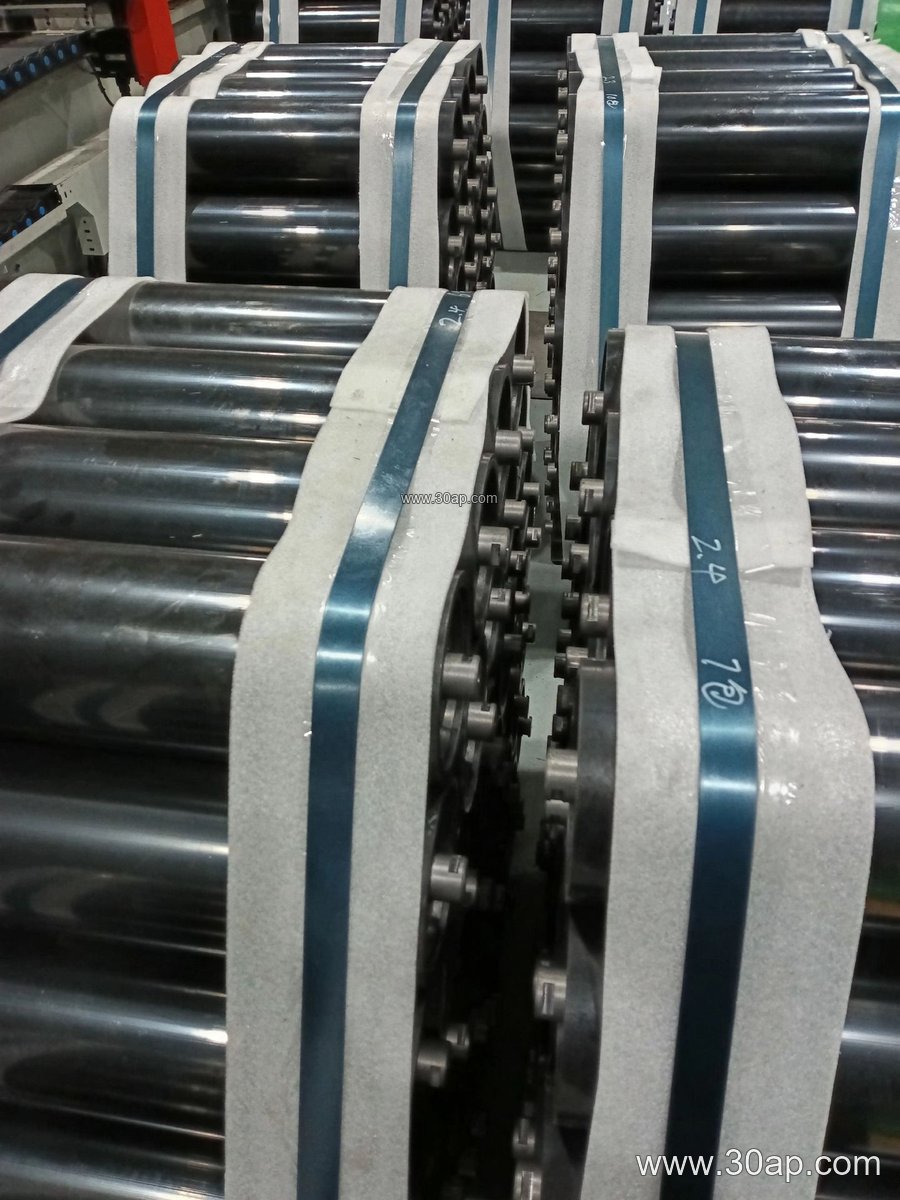
The base is a welded steel drum, machined and balanced. Ceramic tiles, usually small squares or rectangles with chamfered edges, are bonded to the shell. The bond is the critical detail: a tile that lifts at one corner will soon be knocked off by the belt. Quality suppliers test bond strength on sample plates before shipment.
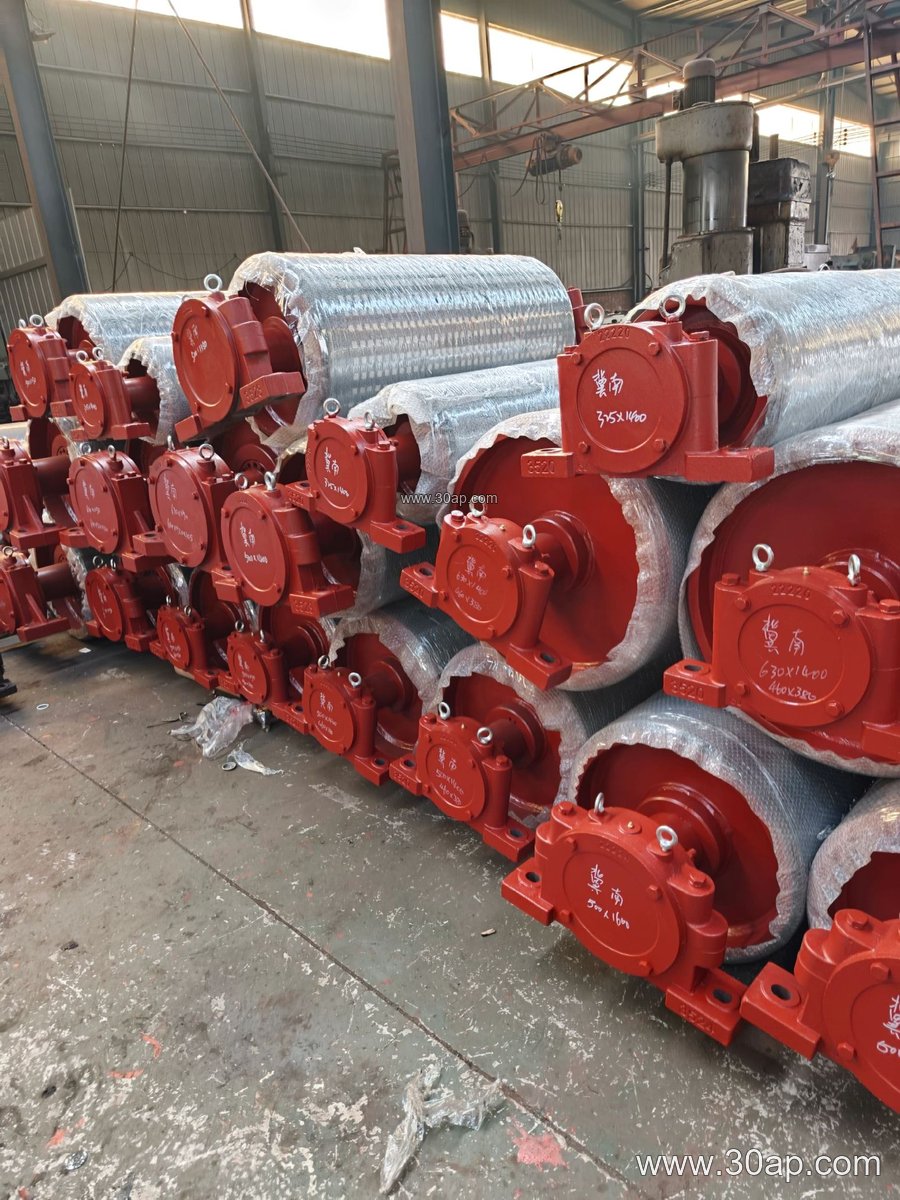
Typical reference data for this product family:
| Item | Common reference values |
|---|---|
| Belt width | B400, B500, B650, B800, B1000, B1200, B1400, B1600, B1800, B2000 |
| Pulley diameter | Ø200, Ø250, Ø315, Ø400, Ø500, Ø630, Ø800, Ø1000, Ø1250 |
| Shell face width | Usually wider than the belt, e.g. B800 about 950 mm, B1200 about 1400 mm |
| Shaft diameter | Ø50 to Ø200 depending on torque and load, set by design |
These are reference ranges, not fixed pairings. A B800 belt may run on Ø500 in one conveyor and Ø630 in another, depending on belt tension, wrap angle and shaft loading. Shaft size is calculated from torque and bearing load, never taken from belt width alone.
Where It Fits on the Conveyor
The ceramic surface is most useful where the belt wraps a pulley at high tension and where grit is present. That is often the drive pulley at the head end. A tail pulley in a dusty transfer point can also benefit. A bend pulley is a different position and a different duty; it is usually smaller and carries less torque, so a ceramic face there is a choice made for wear reasons rather than grip.
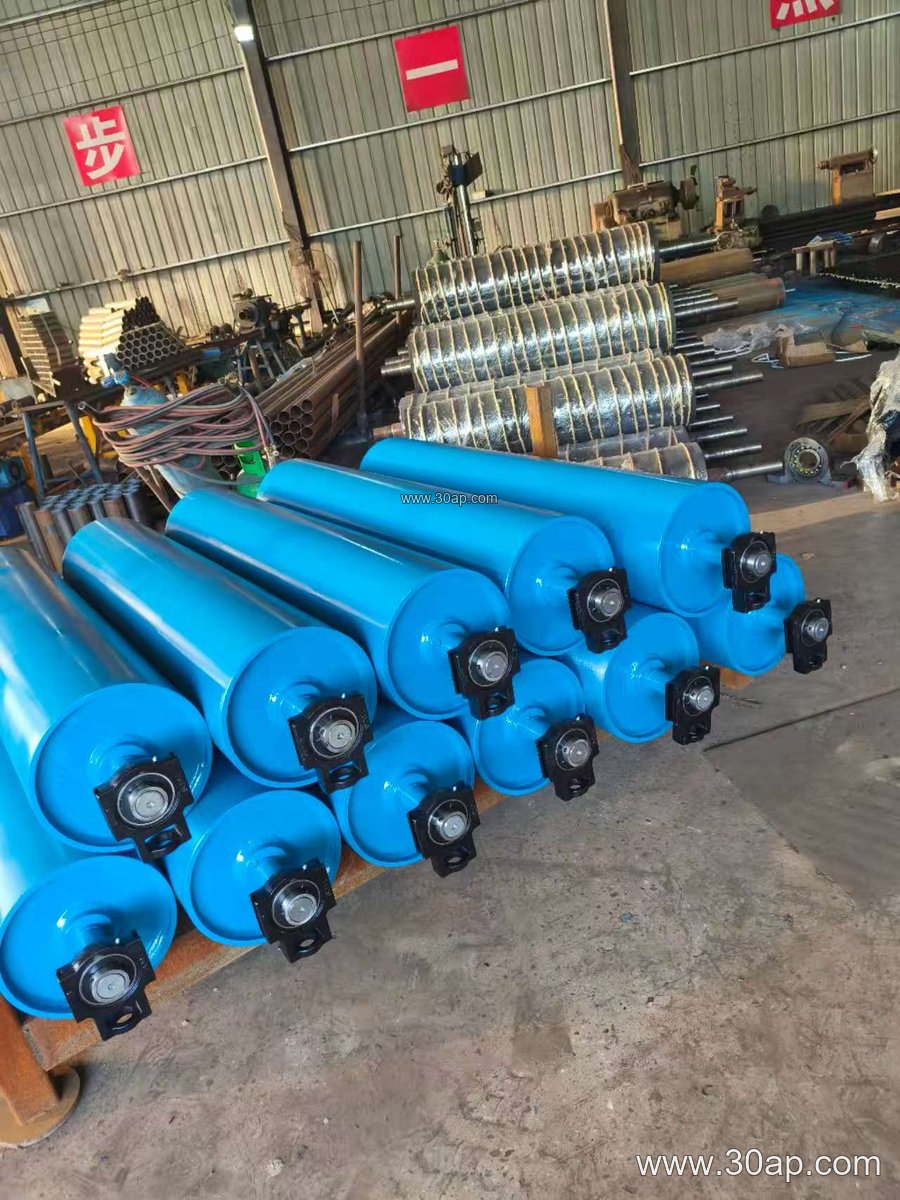
In a coal handling plant, a ceramic drive pulley can reduce slip on a wet, dusty belt. In a sand and gravel line, the same surface protects the shell from sharp particles. In a power station coal yard, the combination of moisture and fines makes plain lagging slippery, and ceramic tiles keep the friction more stable.
What to Check Before Buying
- Confirm the pulley position: drive, tail or bend. Each has its own load case and should be specified separately.
- State the belt width and the required face width, plus the belt speed and starting torque.
- Ask how the tiles are bonded and whether bond strength is tested. This is where cheap products fail.
- Check the shaft diameter and bearing size against the actual load, not against a table.
- For a drive pulley, ask whether the ceramic surface is flat or patterned in a way that suits the belt and the material.
- Look at the conveyor bracket and bearing housing arrangement so the pulley fits the existing frame.
Maintenance and Good Practice
Inspect the ceramic face at every scheduled shutdown. Look for missing tiles, lifted corners and worn edges. A single missing tile exposes the bond layer, and the belt can then peel the neighbouring tiles. Clean the pulley face and check the scraper or cleaner setting; a cleaner that is too tight can damage the tiles.
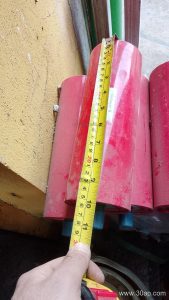
Match the pulley to the conveyor belt and to the idler roller set on the same line. If the belt tracks poorly, the cause is often alignment or a worn idler roller rather than the pulley surface. Keep spare tiles and the correct adhesive on site so small repairs do not wait for a full replacement.