What Makes a Heavy-Duty Conveyor Belt Different
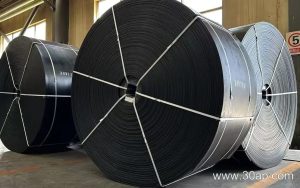
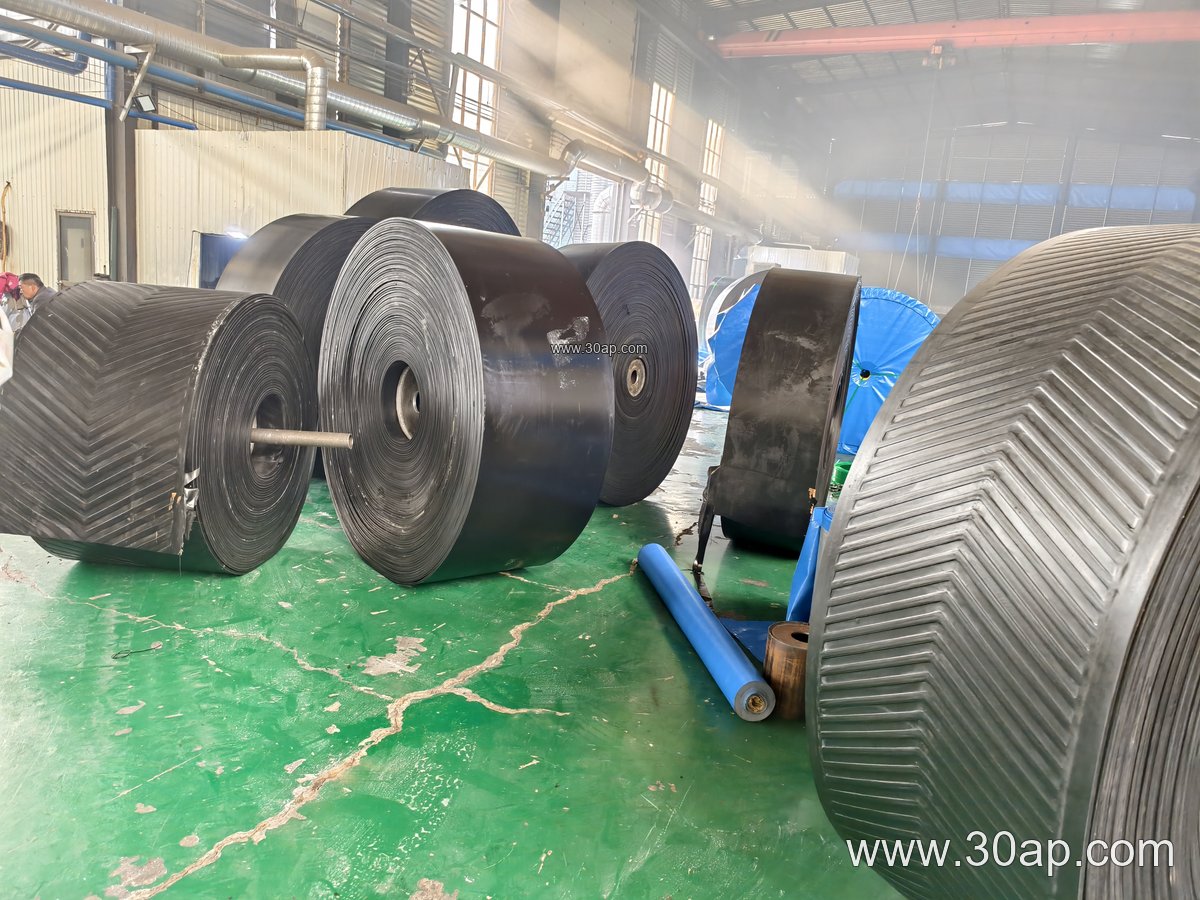
A heavy-duty conveyor belt is a robust, high-capacity belt designed to carry abrasive, heavy, or sharp bulk materials over long distances and through tough operating conditions. Unlike lighter general-purpose belts, this class of belt typically uses a stronger carcass, thicker rubber covers, and reinforced edges to resist cutting, impact, and wear. In mining, quarrying, cement plants, power stations, and steel works, the heavy-duty conveyor belt is the load-bearing backbone of the entire conveyor system.
The term covers several constructions, including high-strength fabric-core belts and steel cord belts. A common example is the EP conveyor belt, which uses polyester-nylon fabric plies for excellent tensile strength and low elongation. For very high tensions and long overland routes, a steel cord conveyor belt is often chosen. Both fall under the heavy-duty umbrella when built with heavy covers and robust splices.
Construction and Key Components
The belt is a composite structure. The carcass provides tensile strength and maintains the belt’s shape under load. Fabric-core belts usually have two to six plies, while steel cord belts use parallel brass-plated wires. The top and bottom rubber covers protect the carcass from abrasion, impact, and environmental attack. Cover thickness is commonly expressed as top plus bottom, for example 6+2 mm or 8+3 mm, and these values are selected according to the material being carried and the drop height at transfer points.
Edge construction also matters. Heavy-duty belts often feature molded or cut edges with reinforced fabric to prevent edge fraying and moisture ingress. For specific duties, the rubber compound can be modified: abrasion resistant conveyor belt grades resist wear from sharp rock and ore; heat resistant conveyor belt grades handle clinker and sinter; flame retardant conveyor belt and fire resistant conveyor belt grades are used in coal mining and enclosed spaces; oil resistant and cold resistant grades serve special industries. In underground coal mining, PVG conveyor belt (polyvinyl chloride) and PVC conveyor belt constructions are common because of their flame-retardant and anti-static properties.
Where Heavy-Duty Belts Are Used
These belts appear wherever bulk material flow is continuous and unforgiving. Typical industries include:
- Mining and mineral processing — iron ore, copper ore, gold mining, and underground coal mining conveyor systems.
- Quarries and aggregate plants — crusher conveyor belts, screen feed belts, and stockpile belts.
- Cement plants — raw meal, clinker, and limestone transport.
- Power plants — coal handling and ash removal.
- Steel plants — coke, ore, and slag handling.
- Ports and ship loading — high-capacity bulk material conveyor belts.
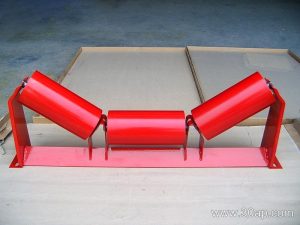
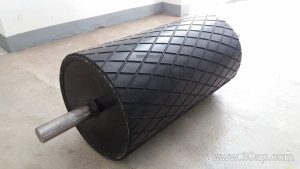
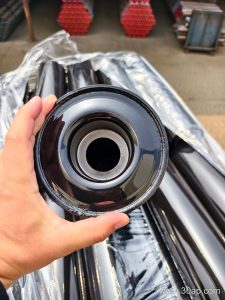
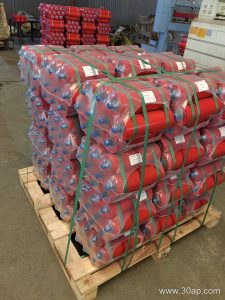
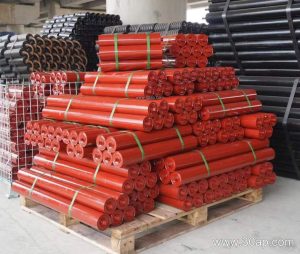
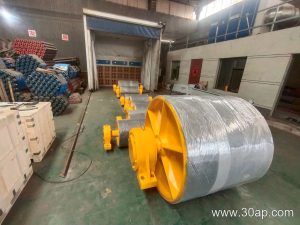
In these settings, the belt works together with conveyor pulleys, idler rollers, and conveyor brackets to form a reliable system. The drive pulley transmits power, the tail pulley maintains tension, and bend pulleys route the belt. Each pulley type has a distinct role and should not be confused with another.
Specifications and Selection Considerations
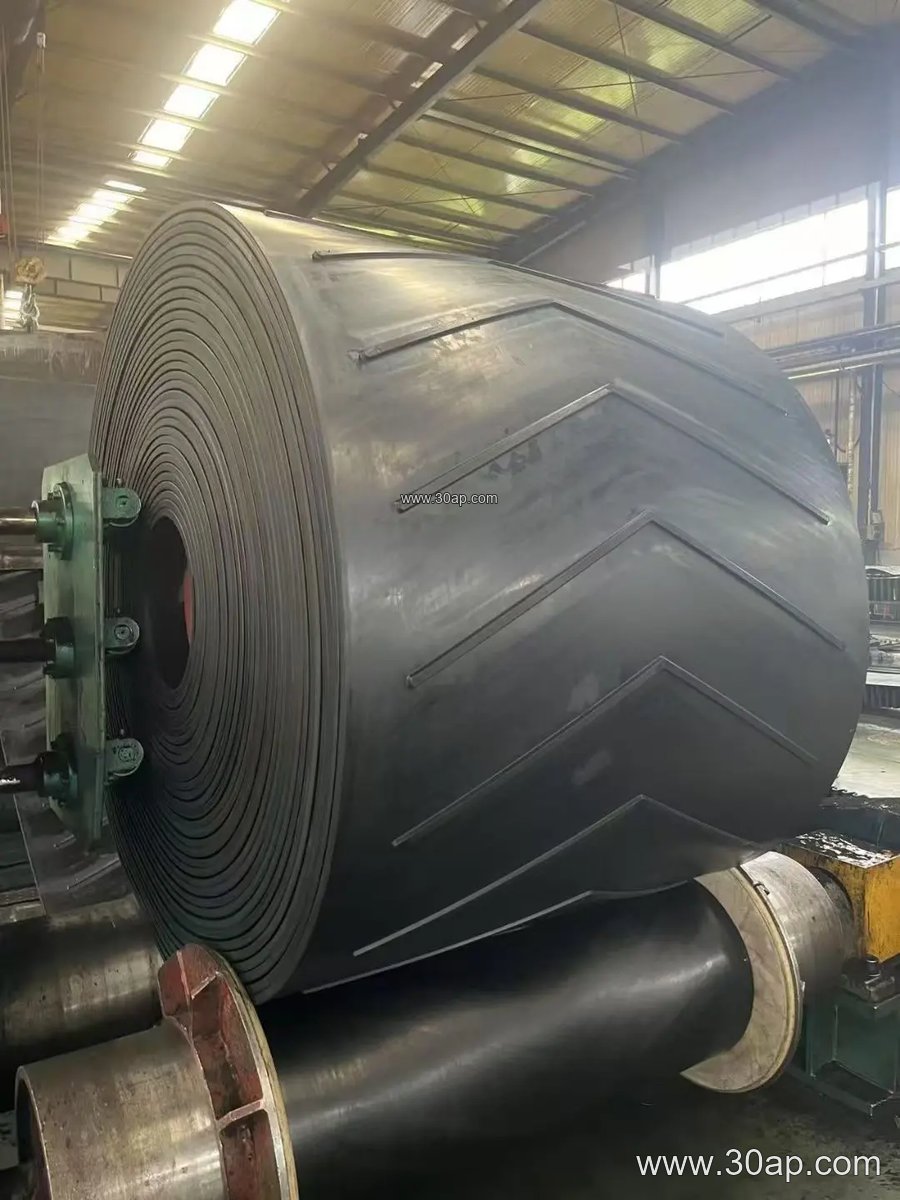
Heavy-duty belts are available in a wide range of strengths and widths. Common fabric-core grades include EP200, EP315, EP400, EP500, EP630, EP800, EP1000, EP1250, EP1600, and EP2000. Steel cord grades are often designated by ST ratings such as ST1000, ST1250, ST1600, ST2000, ST2500, and ST3150. Belt widths commonly range from 500 mm to 2400 mm, with 1200 mm, 1500 mm, and 1800 mm being frequent choices for high-tonnage systems. The table below lists representative reference values — actual supply should be confirmed with the manufacturer.
| Parameter | Common Reference Range |
|---|---|
| Fabric-core strength grades | EP200 to EP2000 (also NN100 to NN400 nylon) |
| Steel cord strength grades | ST1000 to ST3150 |
| Belt width | 500 mm, 650 mm, 800 mm, 1000 mm, 1200 mm, 1400 mm, 1600 mm, 1800 mm, 2000 mm, 2200 mm, 2400 mm |
| Cover thickness (top + bottom) | 3+1.5 mm, 4+2 mm, 5+2 mm, 6+2 mm, 8+3 mm |
| Number of fabric plies | 2 to 6 plies (typical) |
When selecting a heavy-duty conveyor belt, consider the material type, lump size, drop height, belt speed, troughing angle, and ambient conditions. A belt that is too stiff for the pulley diameter may splice poorly, while an under-specified belt may fail prematurely. Always match the belt strength and cover grade to the calculated tension and wear conditions. For coal mining, flame retardant and anti-static properties are essential; for cement or clinker, heat resistance is critical; for ore with sharp edges, a high abrasion resistant conveyor belt compound is advisable.
Maintenance and Operational Notes
Proper maintenance extends belt life. Keep idler rollers turning freely, align conveyor pulleys, and maintain correct tension. Inspect splices regularly, as they are often the weakest point. Avoid material buildup on the return side, which can cause tracking problems and edge damage. When storing spare belts, keep them in a cool, dry place away from direct sunlight and ozone sources. For harsh environments, consider a heavy-duty mining conveyor belt with reinforced edges and extra cover thickness.
For more information on heavy-duty conveyor belts and related components such as conveyor pulleys, idler rollers, and conveyor brackets, visit our site at www.example.com/heavy-duty-conveyor-belt. Our team can help you specify the right belt for your mining, quarry, cement, or power plant application.