Understanding the Internal Mechanics of a Coal Mine Belt Conveyor Idler
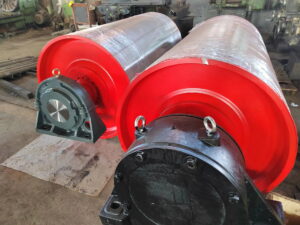
Underground coal mining environments subject material handling systems to continuous abrasive dust, moisture, and heavy loads. Within these harsh conditions, the performance of a Coal Mine Belt Conveyor Idler relies heavily on its internal bearing and multi-labryinth sealing arrangements. Unlike conveyor pulley assemblies that drive the conveyor belt, idlers are passive support components that must rotate freely millions of times while maintaining structural integrity.
When engineering a bulk material handling line for heavy-duty applications such as a Coal Mining Conveyor Belt network, selecting the correct bearing size and sealing design prevents premature failure caused by coal fines ingress. The stationary axle supports rotating steel or composite roller shells through precision-machined bearing housings.
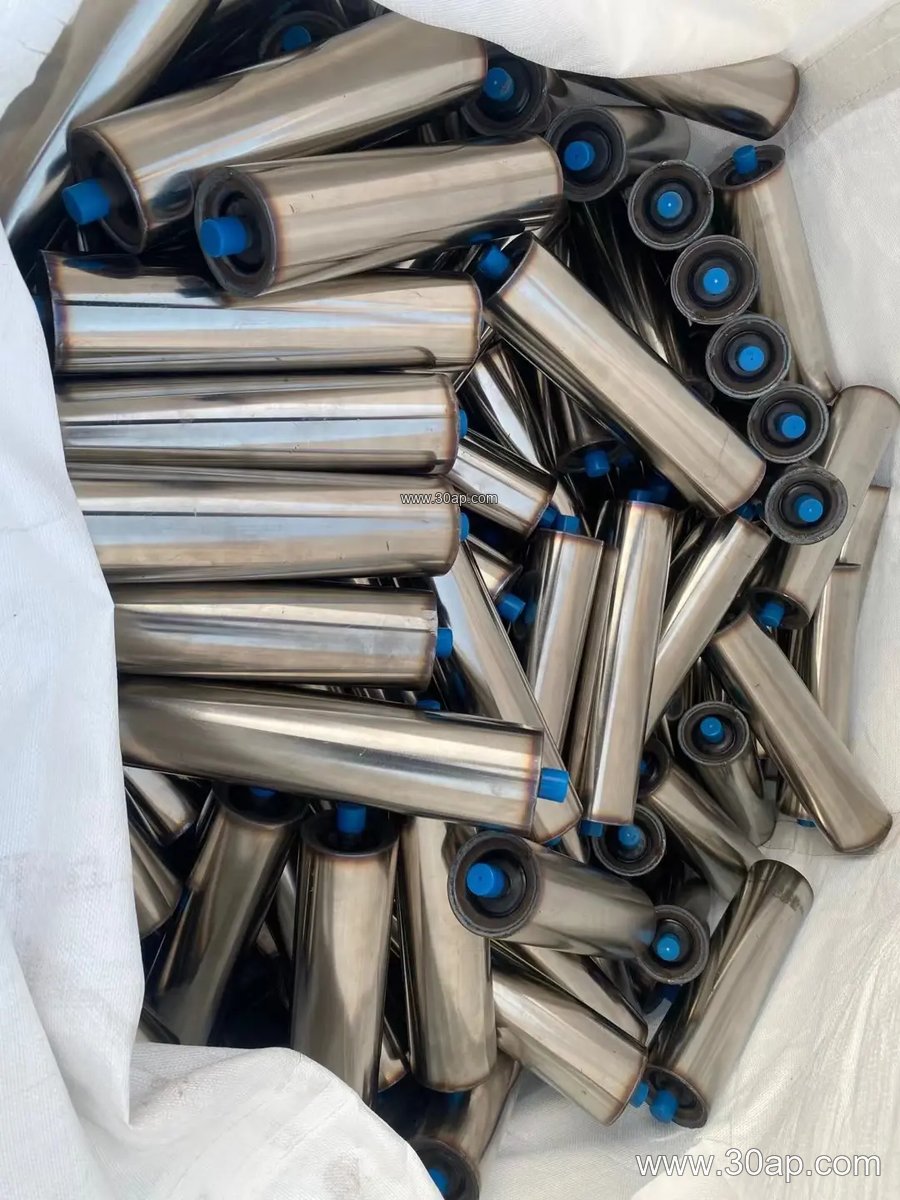
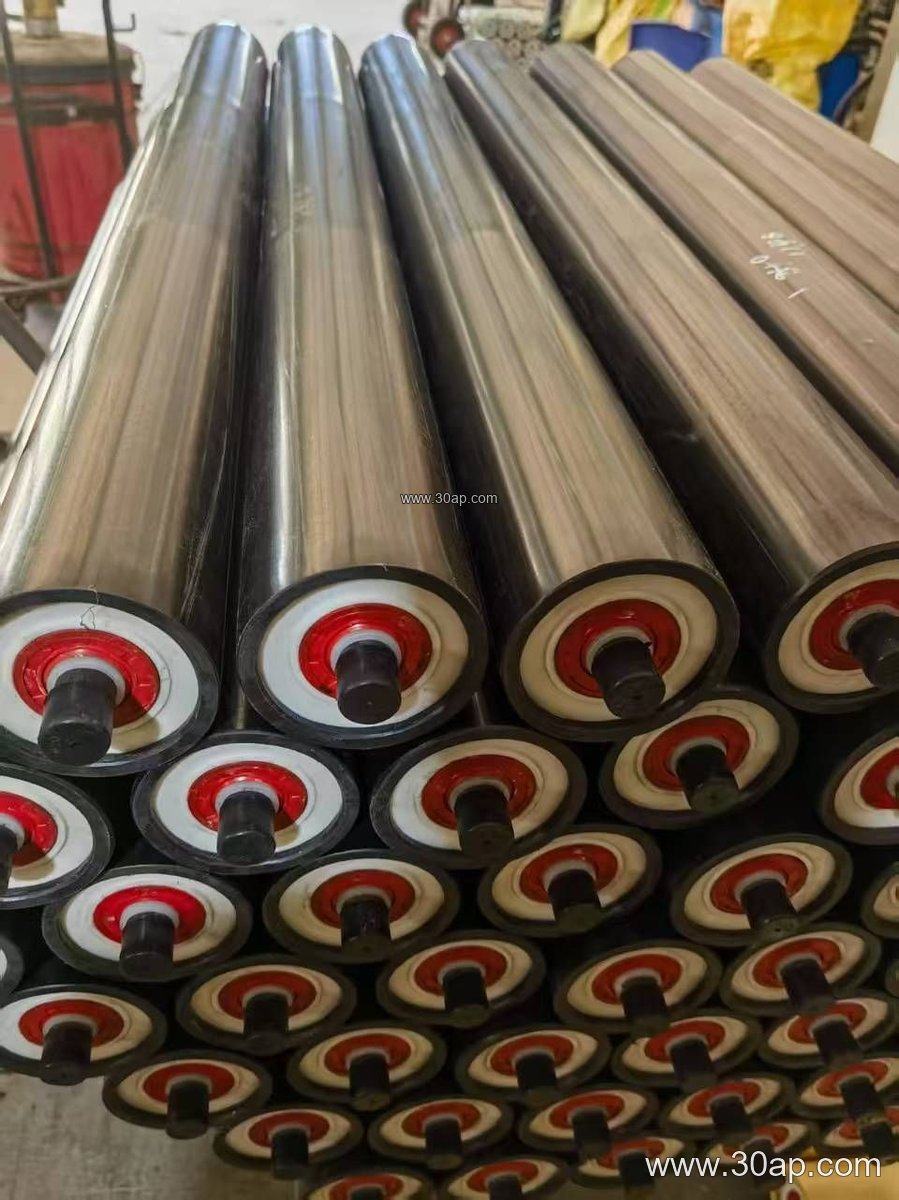
Bearing Selections and Roller Diameters
The rotational resistance of an idler depends directly on bearing selection and shell dimensions. Common metric rolling bearings utilized in these assemblies include standard sizes matched to appropriate radial loads and rotational speeds.
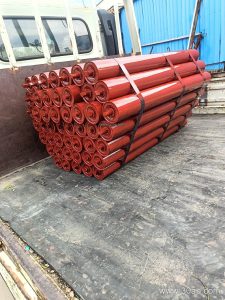
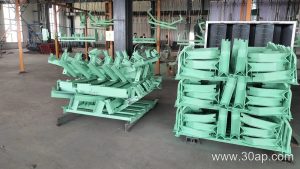
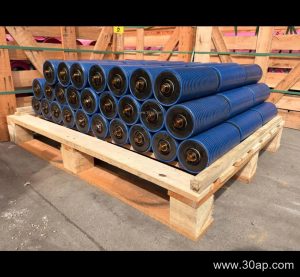
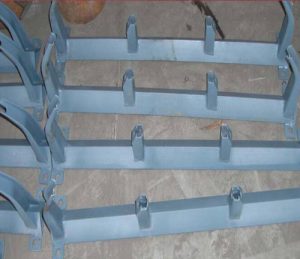
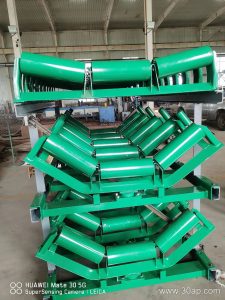
Roller diameters vary according to belt speeds and load capacities. Typical outer diameters for these components span a broad range, paired with matching structural conveyor bracket arrangements to maintain proper alignment across the Underground Coal Mining Conveyor Belt framework.
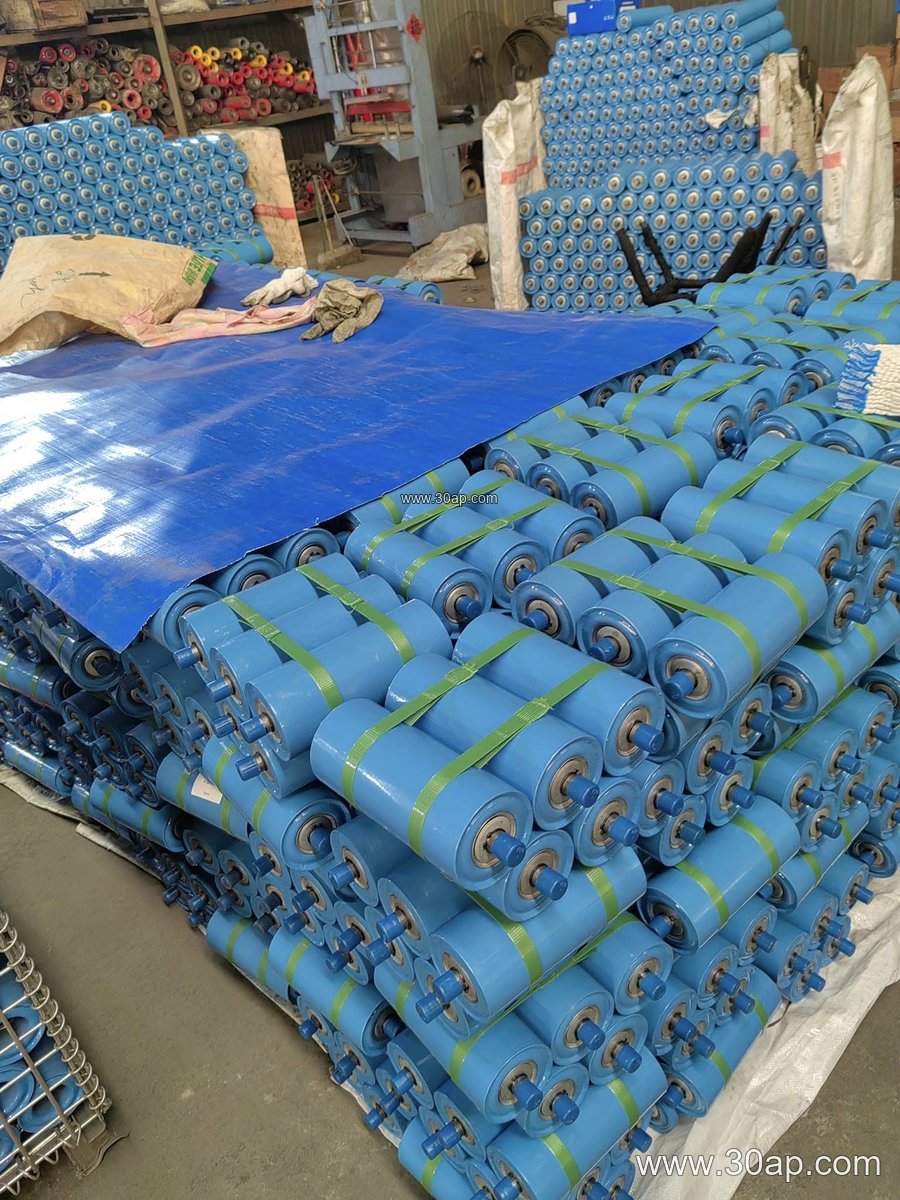
Reference Parameters for Idler Assemblies
Design engineers reference standardized dimensions when laying out idler configurations for various operational widths and shell specifications. The following structural data outlines common sizing ranges found in heavy-duty bulk handling installations:
- Common Roller Diameters (mm): Ø89, Ø108, Ø127, Ø159, Ø194
- Supported Belt Widths: B650, B800, B1000, B1200, B1400, B1600
- Common Bearing Series: 6204, 6205, 6305, 6306, 6308
- Roll Face Materials: Steel tube, nylon, ceramic coated, rubber cushioned rings
Maintenance and Operational Longevity
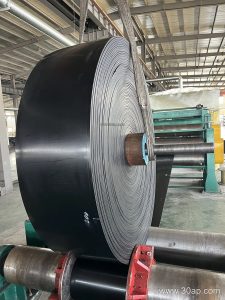
Routine inspection of rotating components ensures that seized bearings or worn roller shells do not damage the running surface of the heavy-duty Flame Retardant Conveyor Belt. Dust accumulation around the labyrinth seals should be cleared periodically to prevent frictional heating and ensure smooth, uninterrupted coal transport from underground extraction zones to surface processing facilities.