How to Inspect and Maintain an Idler Roller in a Bulk-Material Port Terminal
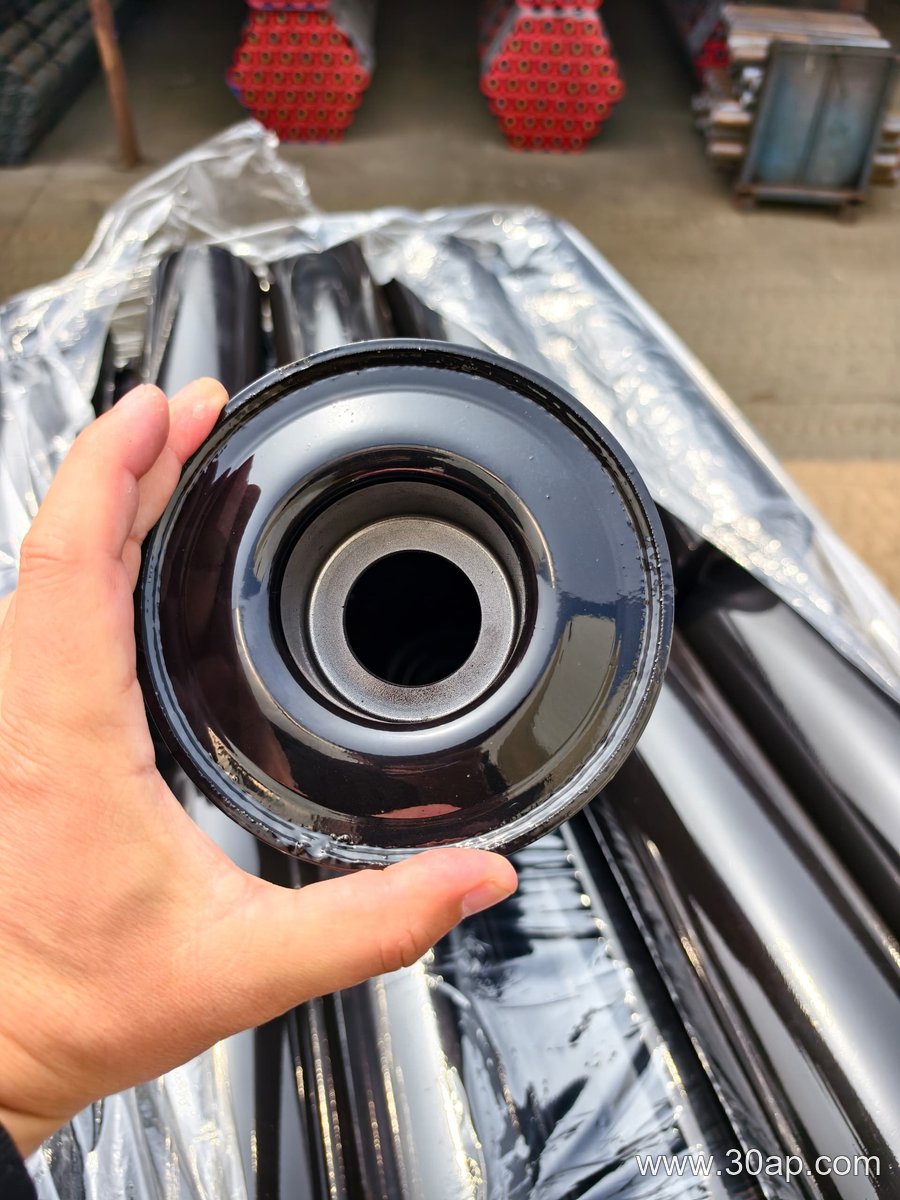
In a bulk-material port terminal, an idler roller can fail prematurely due to salt spray, dust, and heavy loads. Regular inspection and preventive maintenance are essential to avoid unplanned downtime.
Inspection and Preventive Maintenance
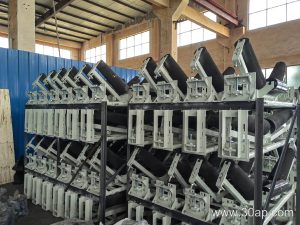
Check for vibration, noise, and belt tracking issues. Lubricate bearings per manufacturer guidelines, and clean debris from the roller surface. In corrosive environments, consider sealed or stainless-steel idler rollers.
Signs Replacement Is Needed
- Visible shell wear or cracks
- Seized or rough bearings
- Excessive radial play
- Persistent belt misalignment
Replace the idler roller when these signs appear to maintain terminal efficiency.
What Should a Mineral Processing Plant Include in a Conveyor Pulley Specification Before Contacting Chinese Suppliers?
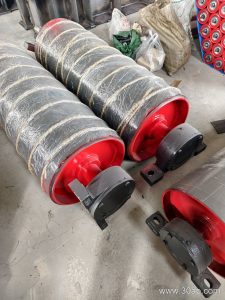
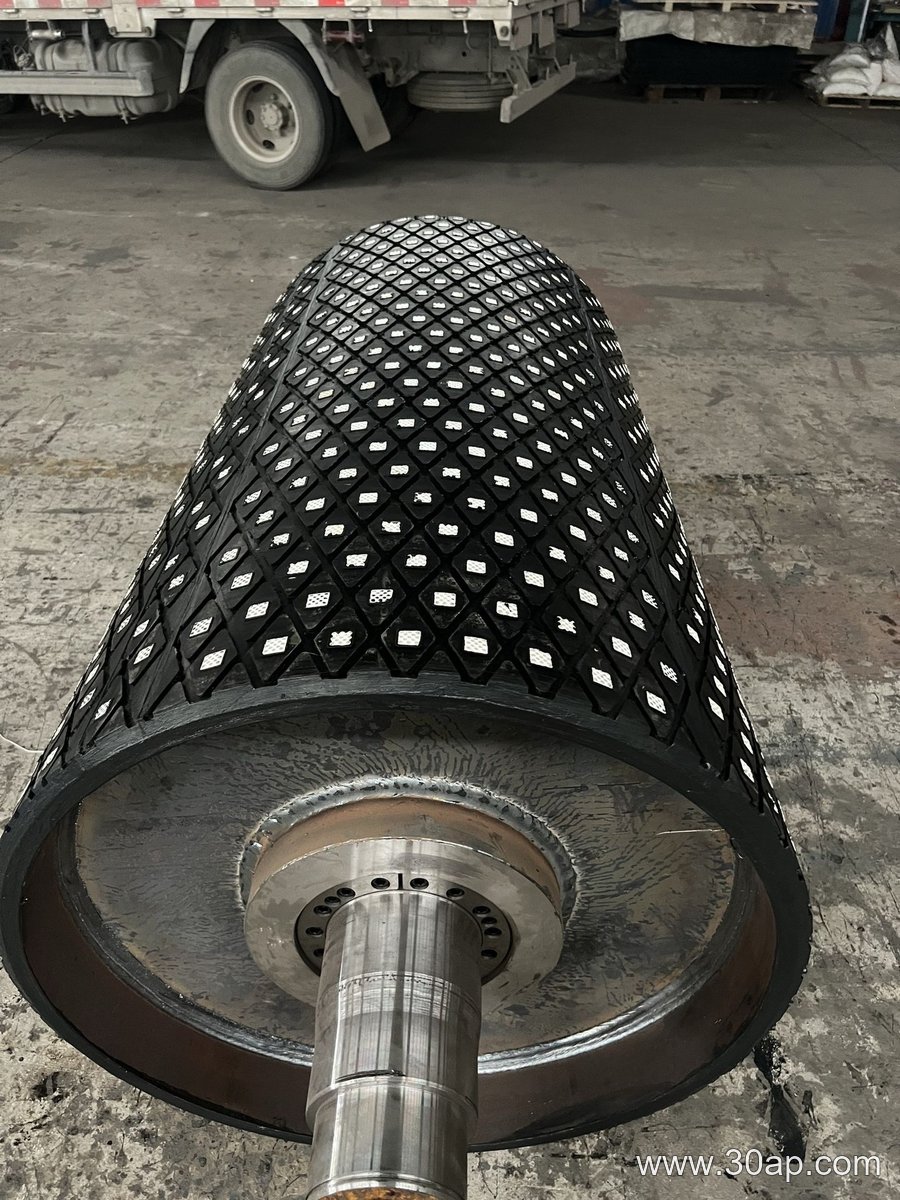
A complete conveyor pulley specification starts with duty, not dimensions. For a mineral processing plant, state the belt tension, radial load, shell diameter, face width, shaft material, lagging type, and bearing life. Add the operating environment: dust, moisture, and temperature range. These inputs let a supplier quote a pulley that fits, rather than a catalog look-alike.
How Can Buyers Evaluate a Chinese Conveyor Pulley Supplier Beyond Price?
Ask for the manufacturing route: shell rolling, end-disc welding, machining, dynamic balancing, and lagging application. Request material certificates for the shaft and shell, and a dimensional inspection report. A supplier who explains these steps clearly is easier to audit than one who only sends a price list. For a mineral processing plant, confirm the pulley will be balanced for the intended belt speed and that the lagging grade suits abrasive ore.
Which Documents Reduce Procurement Risk?
- Dimensional drawing with tolerances
- Shaft material certificate
- Balancing report
- Lagging hardness and thickness record
Use a trial order or third-party inspection before full production. The goal is a conveyor pulley that matches the plant’s duty, not the lowest quote.
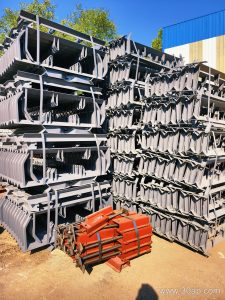
Classifying Conveyor Brackets by Construction and Duty
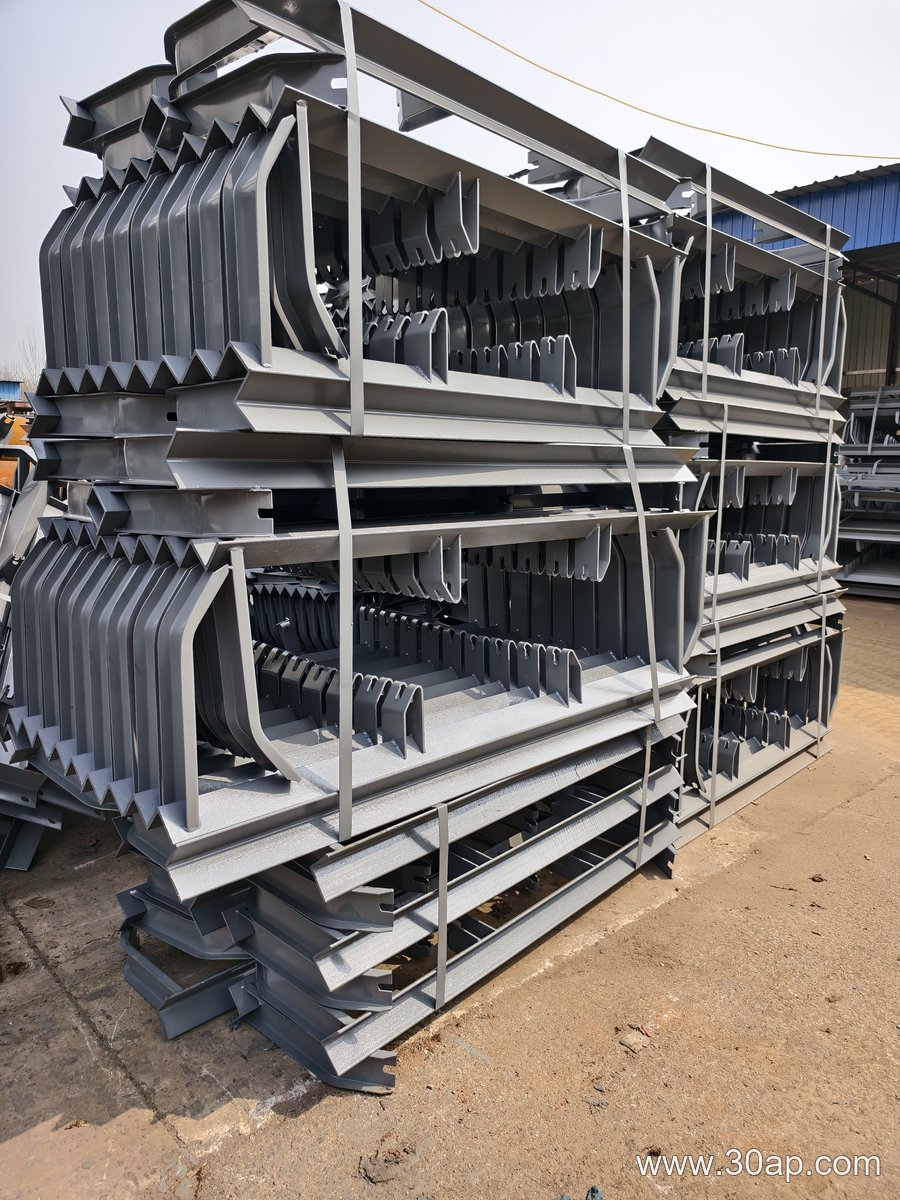
In a mineral-processing plant, a conveyor bracket must resist impact, abrasion, and misalignment. The right type depends on how it is built and the duty it serves.
Welded Fixed Brackets
Used for steady, high-load lines where alignment is permanent. Offer maximum rigidity but no adjustment.
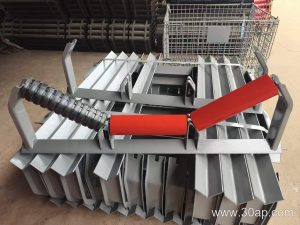
Bolted Adjustable Brackets
Allow idler height and angle tuning after installation. Preferred where belt tracking may change with wear or material surcharge.
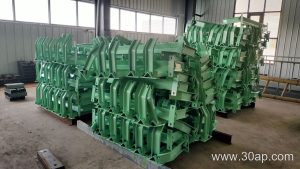
Heavy-Duty Steel Brackets
Reinforced with gussets or thicker plate for impact zones and primary crushing discharge. Choose when shock loads are frequent.
Non-Standard Brackets
Fabricated to fit unusual stringer spacing or legacy structures. Use when standard hole patterns cannot align with existing supports.
Match the bracket to the duty, not the catalog alone.
Impact Management for a Conveyor Belt at a Crusher Discharge
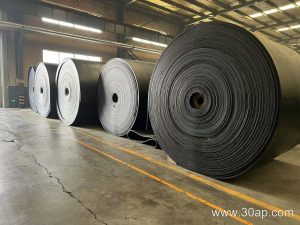
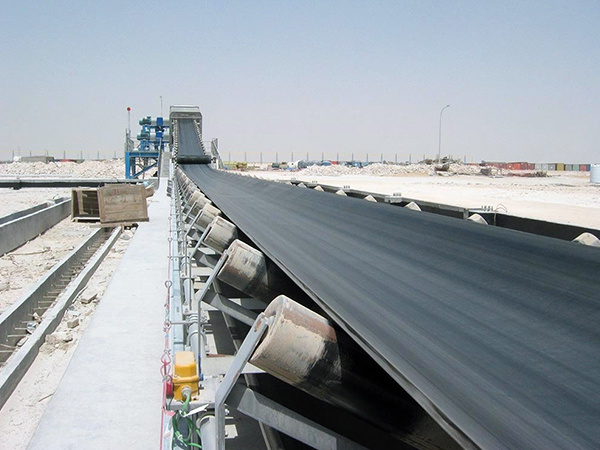
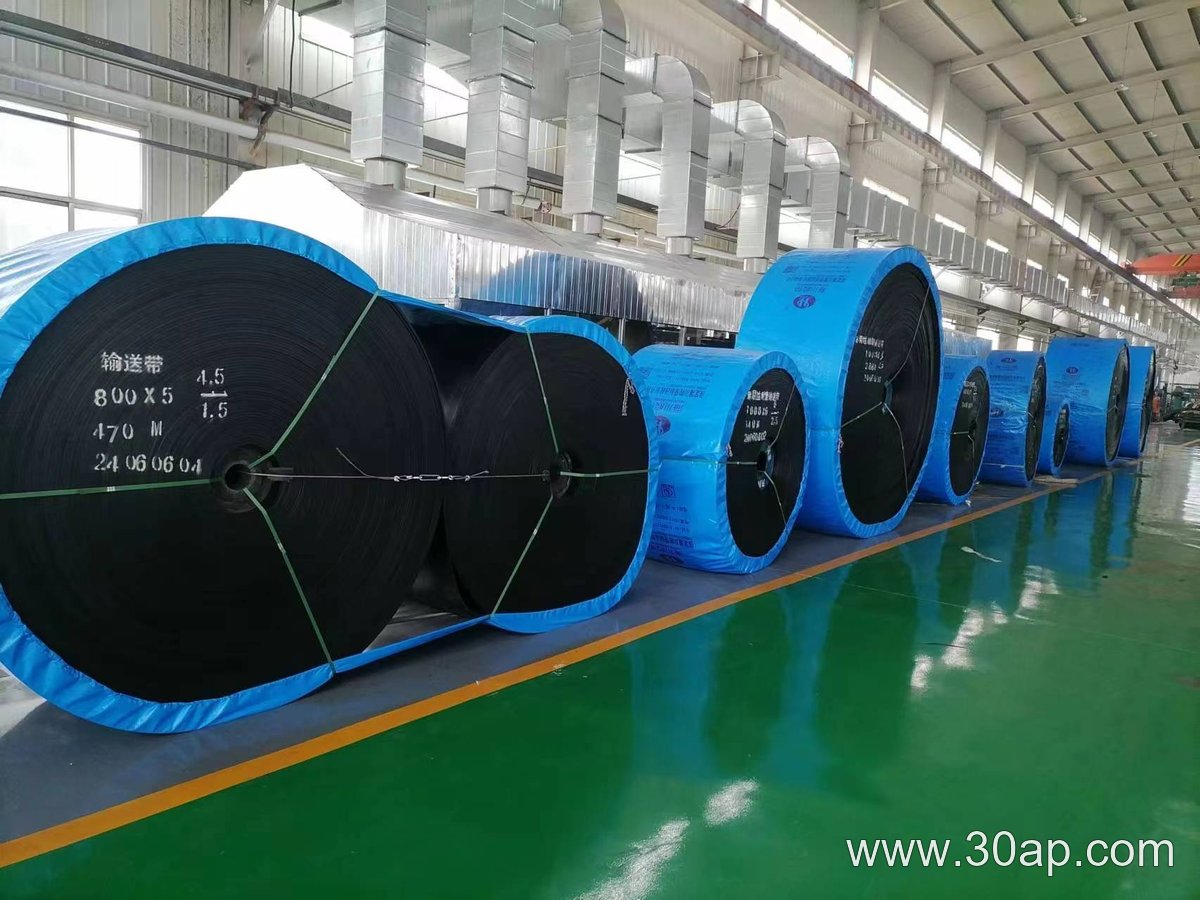
At a mineral-processing plant, a conveyor belt receiving run-of-mine ore directly from a primary crusher faces severe impact. The engineering trade-off is between a thick, energy-absorbing cover and a lighter belt that reduces tension and power demand. A common solution is a conveyor belt with a reinforced carcass and a impact-resistant rubber cover, often paired with impact idlers or a slider bed.
Design Checks for High-Impact Service
- Verify the belt’s rated impact energy against the largest lump size and drop height.
- Confirm that the cover compound resists cutting and gouging without excessive thickness that could cause tracking issues.
- Check that the carcass can handle the tension from the extra weight and the starting torque.
In a hypothetical project, a 1,200 mm wide conveyor belt moving 2,000 t/h of copper ore with a 1.5 m drop might use a 10 mm top cover and a steel-cord carcass. This is an illustrative example, not a universal specification. The final selection depends on detailed engineering and site conditions.