What a V-Type Idler Bracket Does
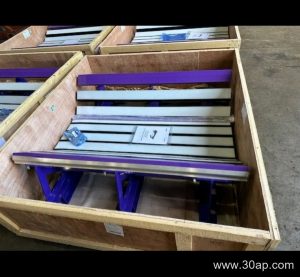
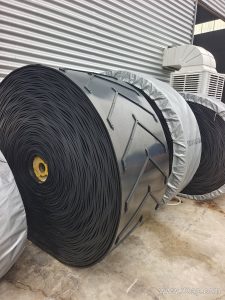
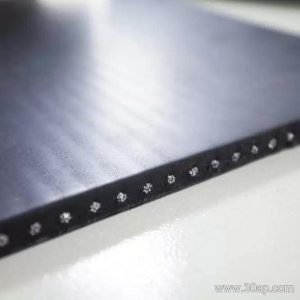
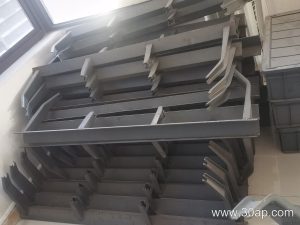
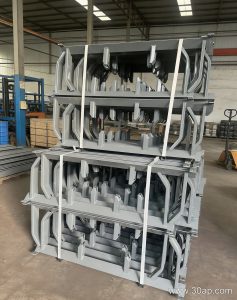
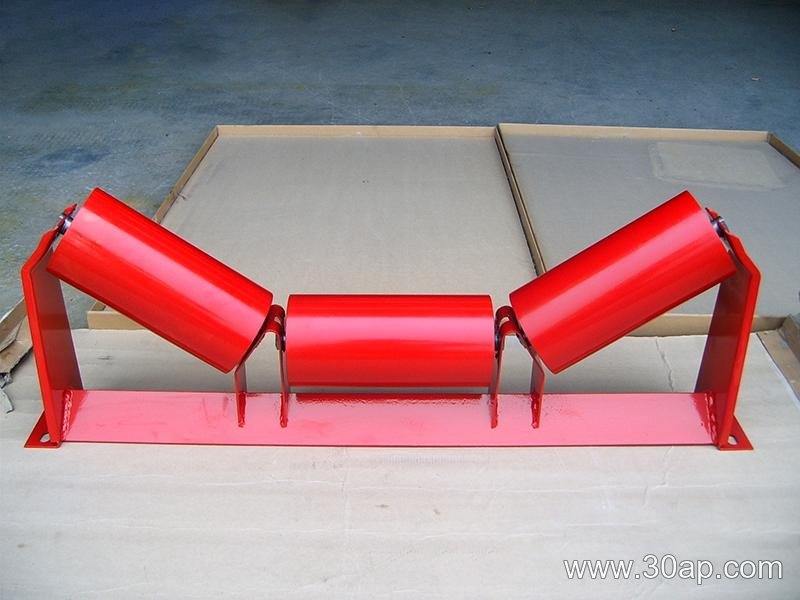
A V-Type Idler Bracket is the support structure that holds two idler rollers in a V-shaped trough, usually on the return side of a conveyor belt. Instead of a single flat roller, this bracket positions two rolls at an angle so they form a shallow V. That shape helps the belt track better and keeps material from spilling. The bracket is also called a V-return bracket or V-type idler frame, and those names refer to the same component. It is not a drive pulley, tail pulley, or bend pulley. Those are completely different parts of a conveyor system. A V-Type Idler Bracket works together with the conveyor belt, idler roller, and conveyor bracket assembly to keep the belt moving smoothly.
How the Bracket Is Built
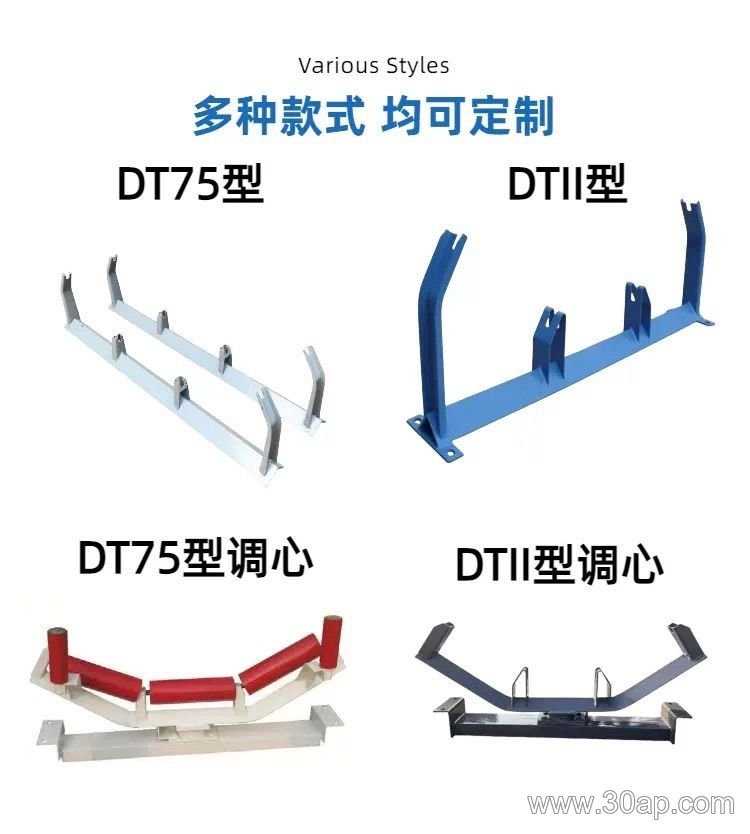
Most V-Type Idler Brackets are made from angle steel, channel steel, or folded steel plate. The frame has two angled arms that hold the idler rollers, plus mounting holes for attaching to the conveyor structure. The angle between the two rollers is typically fixed, but some designs allow adjustment. Common roller diameters used with these brackets include Ø89, Ø108, Ø133, Ø159, and Ø194. The bracket width and hole spacing depend on the belt width and the roller size. For example, a bracket for a B800 belt may differ from one for a B1200 belt, but there is no single rule that ties one belt width to one roller diameter. The design is determined by the conveyor engineer based on load, speed, and material characteristics.
Where It Fits on a Conveyor
V-Type Idler Brackets are most often found on the return run, supporting the empty belt after material has been discharged. They can also appear in transition zones or at loading points where belt support is critical. In a quarry, a V-return bracket might sit under the belt after the crusher. In a coal washing plant, it helps keep the belt centered as it returns to the tail. The bracket works with the conveyor belt to reduce sag and misalignment. It is not a substitute for a troughing idler bracket on the carrying side, but the two often appear on the same conveyor. Other bracket types, such as flat return brackets or impact brackets, serve different purposes and are not interchangeable with a V-Type Idler Bracket.
Choosing the Right Bracket
When selecting a V-Type Idler Bracket, buyers should consider belt width, roller diameter, and mounting dimensions. The bracket must match the conveyor frame’s hole pattern. Common belt widths in the reference data include B500, B650, B800, B1000, B1200, B1400, B1600, B1800, B2000, and B2200. Roller diameters like Ø89 or Ø108 are often used with narrower belts, while Ø133 or Ø159 may appear on wider or heavier-duty conveyors. However, these are not fixed pairings. A B1000 belt could use different roller sizes depending on the application. The bracket material also matters: angle steel is common for light to medium duty, while channel steel or folded plate may be chosen for higher loads. Adjustable brackets let maintenance crews fine-tune the V angle, but fixed brackets are simpler and often more economical.
Installation and Maintenance Notes
Correct installation keeps the V centered under the belt. If the bracket is offset, the belt may drift to one side. Bolts should be tightened to the manufacturer’s recommendation, and the rollers should spin freely. Inspect the bracket for bending, corrosion, or loose fasteners during regular conveyor checks. A worn or damaged V-Type Idler Bracket can cause belt edge damage or excessive vibration. Replacing it with the correct size and type restores proper belt support. Remember that this bracket is one part of a larger system that includes the conveyor belt, idler rollers, and pulleys. Each component has its own role, and they are not interchangeable.
Key Points for Buyers
- Confirm the belt width and roller diameter before ordering.
- Check mounting hole spacing and frame dimensions.
- Choose material based on load and environment.
- Decide between fixed and adjustable V angle.
- Verify that the bracket is designed for the return side, not the carrying side.
A V-Type Idler Bracket may look simple, but it plays a vital role in belt training and support. By matching it to the conveyor’s specific needs, you can reduce downtime and extend belt life.