What the Ø63.5 Conveyor Idler Is
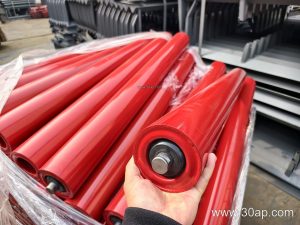
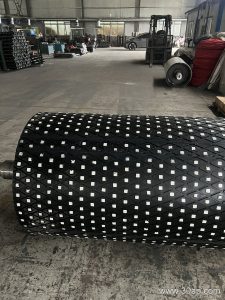
A Ø63.5 conveyor idler is a small-diameter carrying roller built around a 63.5 mm shell, a size that sits at the light end of the idler range. In practice it is an idler roller used to support the conveyor belt on narrow to medium-width lines, and it is often chosen where a larger roller would add unnecessary weight and cost. The same product also appears under the equivalent name 63.5 mm diameter conveyor roller, and both names describe the same item. It should not be confused with a conveyor pulley: drive, tail and bend pulleys transmit power and change belt direction, while an idler simply carries the belt.
How the Roller Is Put Together
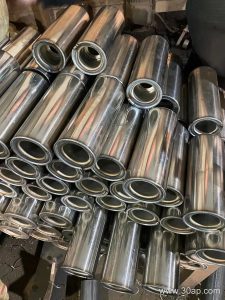
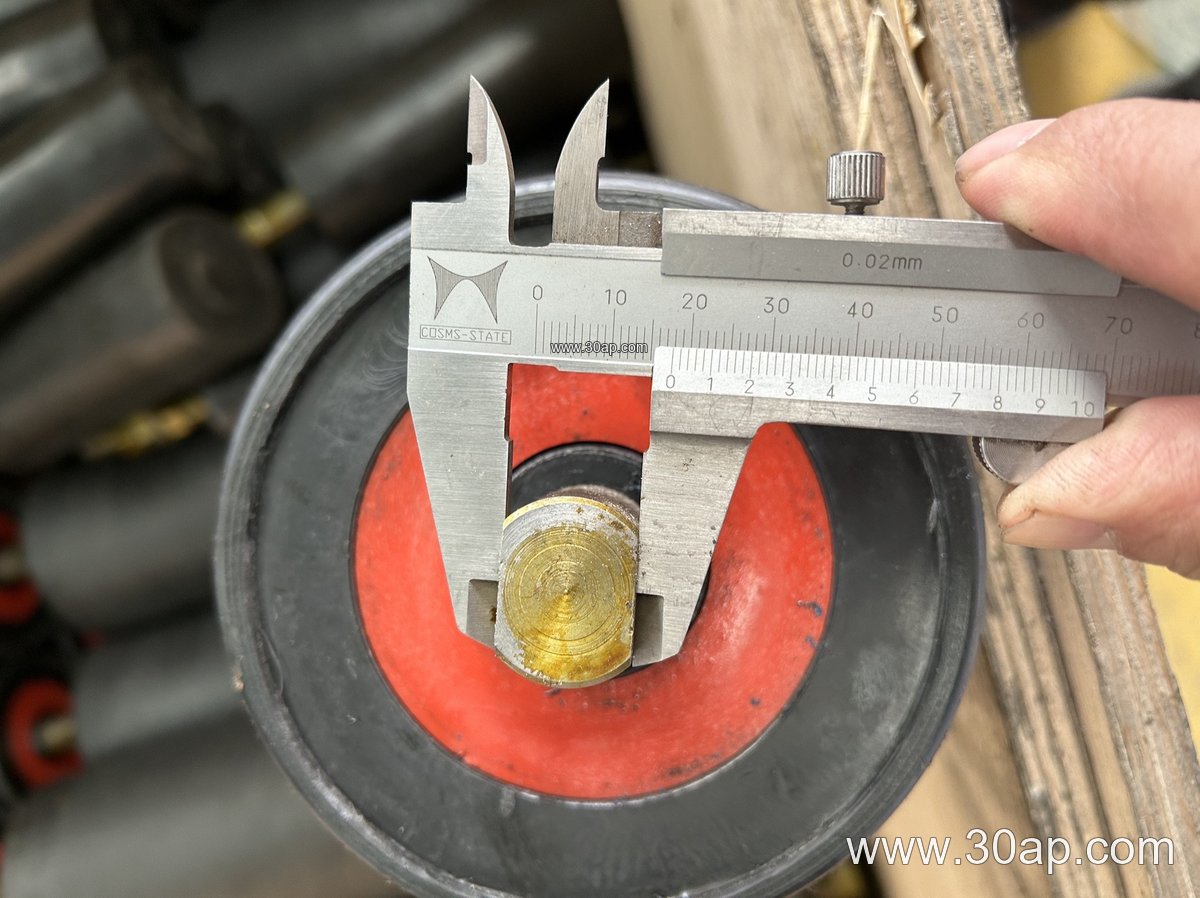
The basic build is a steel tube shell, a shaft, two bearing housings, and a sealing arrangement at each end. The 63.5 mm shell is usually a welded steel tube with machined ends, fitted with pressed or cast bearing housings. Common bearing choices in this size class include 6204 and 6205, though the final bearing selection follows the load and speed calculated for the application rather than the diameter alone.
Sealing matters as much as the tube. Dust, fines and moisture are the main enemies of a roller, so labyrinth seals, felt seals or combined lip and labyrinth designs are used depending on the environment. For abrasive service such as a quarry conveyor belt line or a stone crushing circuit, a well-sealed idler roller lasts noticeably longer than a basic open type.
Typical Mounting Positions
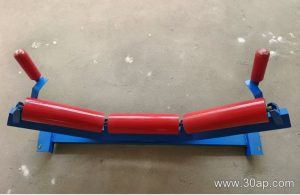
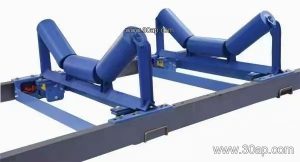
At this diameter the roller usually appears in troughing sets on smaller belts, in return runs as a flat or V-return roller, and in transition positions where the belt changes angle. A three-roll troughing set with 20 or 30 degree trough angle is common on B500 and B650 belts, while 35 degree sets are also seen where material needs a deeper trough. The roller length follows belt width, trough angle and frame form; for example, a three-roll set on a B500 belt often uses rolls around 200 mm long, and on B650 about 250 mm, with side rolls possibly differing from the centre roll. These are reference examples, not fixed pairings.
On wider belts, a larger diameter such as Ø89 or Ø108 is more typical, and the Ø63.5 size is rarely the first choice. That comparison is useful for buyers: the small roller suits lighter belts and lower loads, not heavy-duty mining conveyor belt duties where impact and lump size are high.
Where It Fits in Real Installations
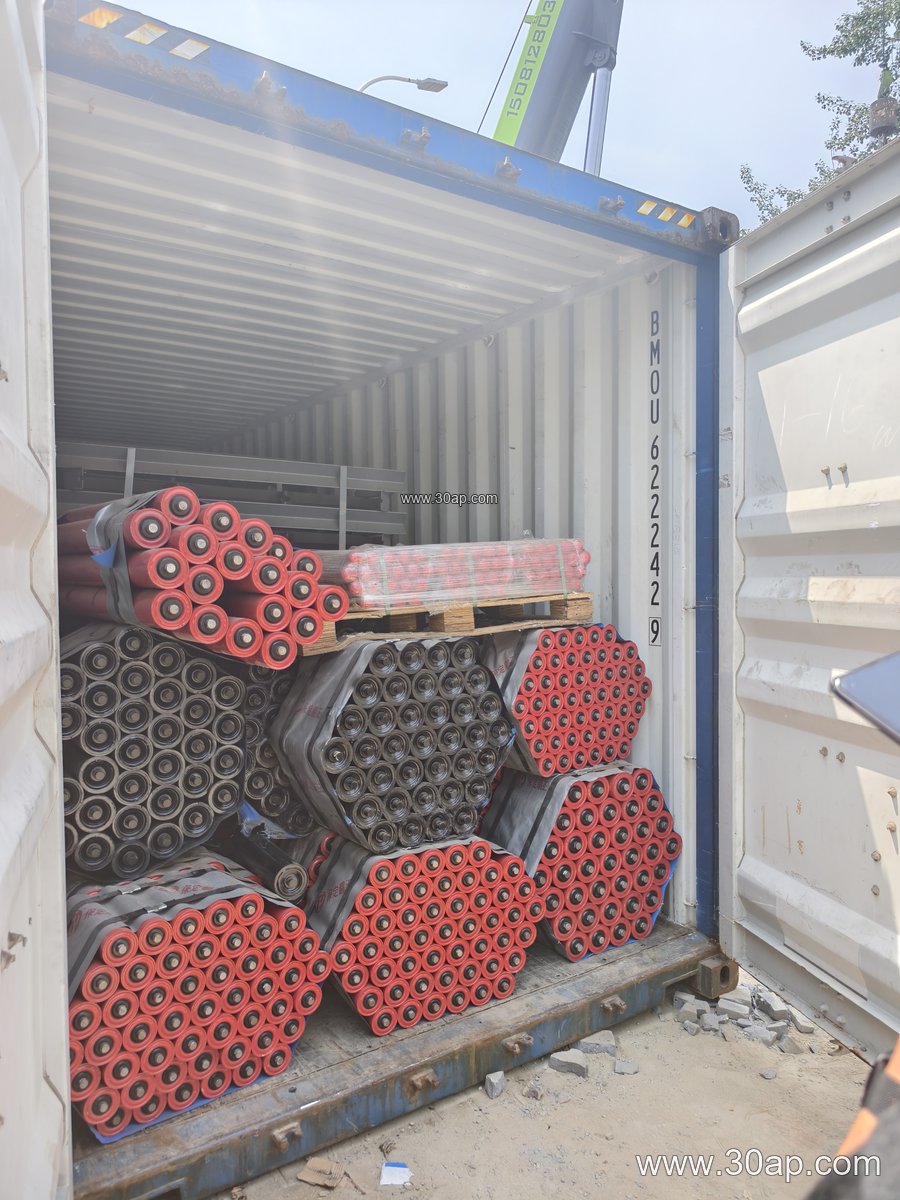
Small-diameter idlers turn up in sand and aggregate lines, in fertilizer and grain handling, in concrete batching plants, and on short transfer conveyors in a cement plant or power plant coal yard. They are also used on lighter sections of a tunnelling muck line and on recycling sorters. In these places the belt itself may be a fabric core conveyor belt, an EP conveyor belt or a PVC belt, and the roller simply has to keep it tracking with low rolling resistance.
Where the belt carries hot clinker or sinter, a heat resistant conveyor belt may be used, but the idler still needs suitable bearing grease and clearance. In coal handling, a flame retardant conveyor belt is often specified for safety, and the idler should be matched to the same dust and moisture conditions.
Selection Points for Buyers
- Belt width and trough angle determine roll length and the number of rolls in the set.
- Load and lump size decide whether Ø63.5 is adequate or a larger shell is needed.
- Environment decides the seal type and surface finish; wet, dusty or corrosive sites need better protection.
- Speed affects bearing choice and balance quality.
- Frame and bracket compatibility must be checked; a conveyor bracket made for a 20 mm shaft will not accept a different shaft size.
A common mistake is to assume a belt width dictates a single shaft diameter. It does not. Shaft size, bearing and shell thickness are design decisions based on load, span and speed, so buyers should confirm these with the supplier rather than infer them from the belt width.
Installation and Maintenance Notes
Keep the roller axis square to the belt direction, and check that all rolls in a set sit at the same height. A single high or low roller can cause belt wander and edge wear. Grease sealed-for-life rollers are not re-lubricated, while regreasable types need a modest, regular dose; over-greasing can push seals out. Replace a roller when it seizes, runs rough or shows a worn shell, and inspect return rollers after any spillage event.
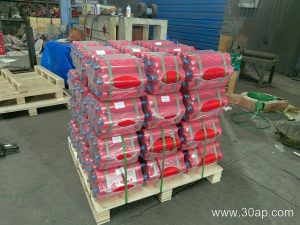
For plant operators sourcing spares, keeping a small stock of Ø63.5 idlers with the correct roll length and shaft end avoids long stops on light conveyor lines. The right approach is to match the roller to the duty, not to force one size onto every conveyor in the plant.