What an Adjustable Conveyor Bracket Does
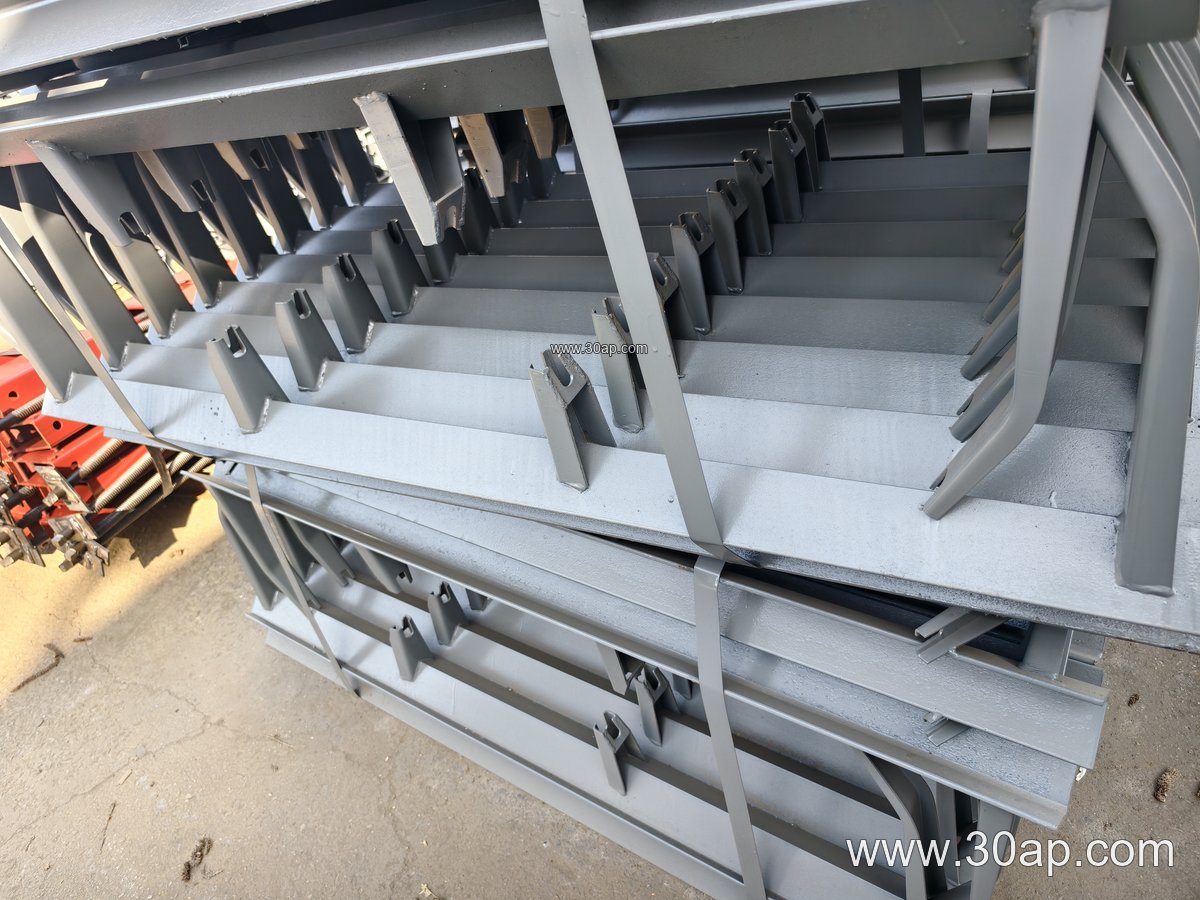
An adjustable conveyor bracket is a support component that holds idler rollers at a chosen trough angle on a belt conveyor. Unlike a fixed bracket welded or bolted at one specific angle, this bracket allows maintenance crews to change the trough angle—typically among 20, 30, 35, and 45 degrees—to suit different bulk materials and belt loading conditions. In a quarry or sand and gravel line, for example, a wider trough angle can help contain a fluffy load, while a flatter angle may reduce belt stress when handling heavy, blocky rock. The bracket is part of the conveyor frame, not a pulley or drive component, so it should not be confused with a drive pulley, tail pulley, or bend pulley, which serve entirely different functions in the belt path.
Construction and Mounting
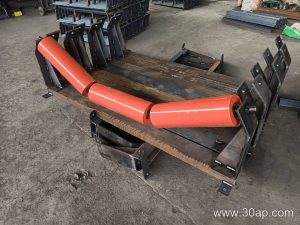
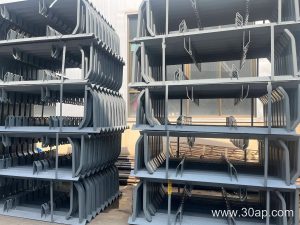
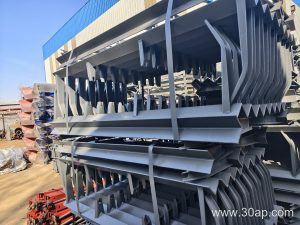
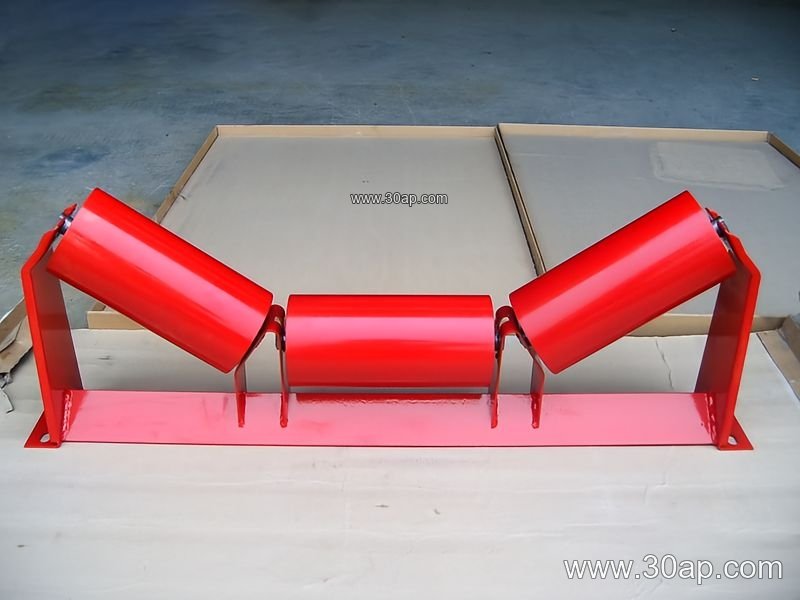
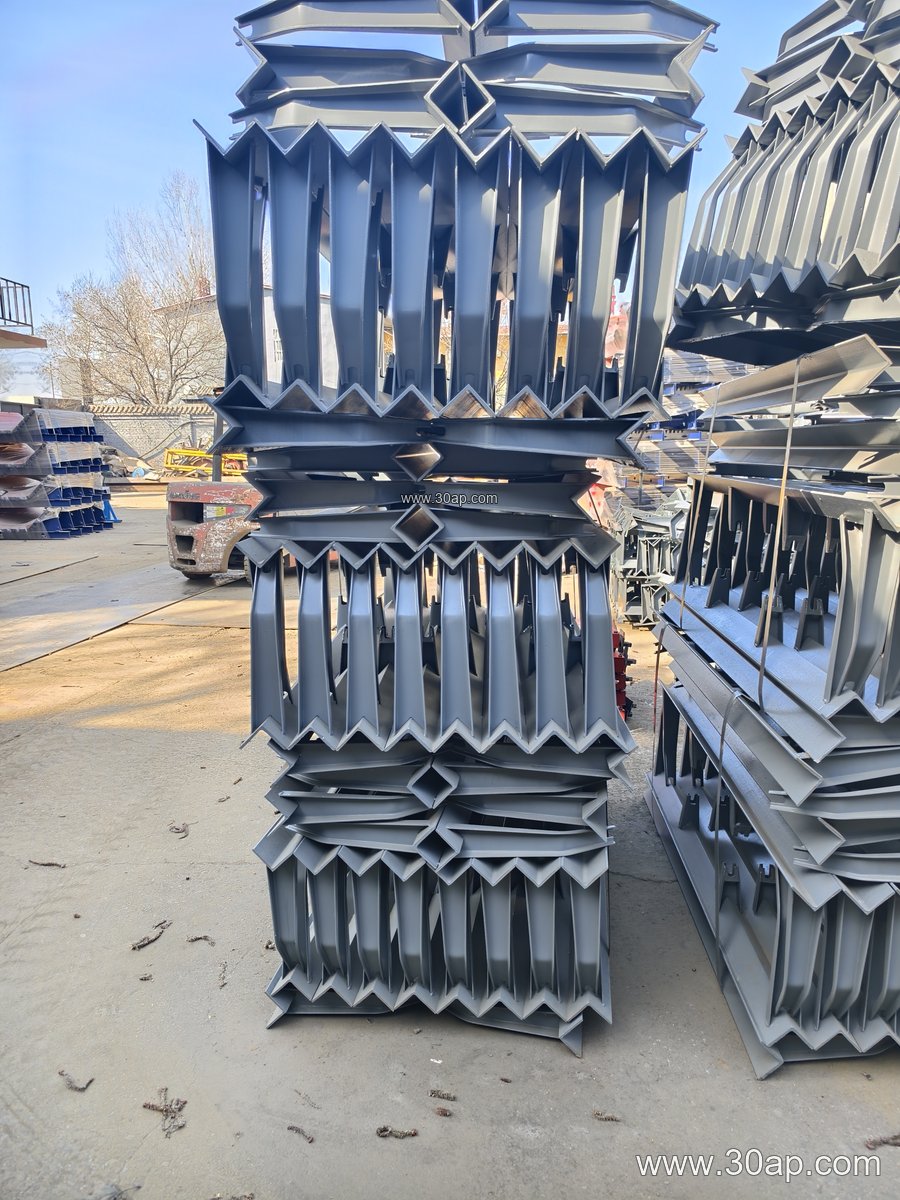
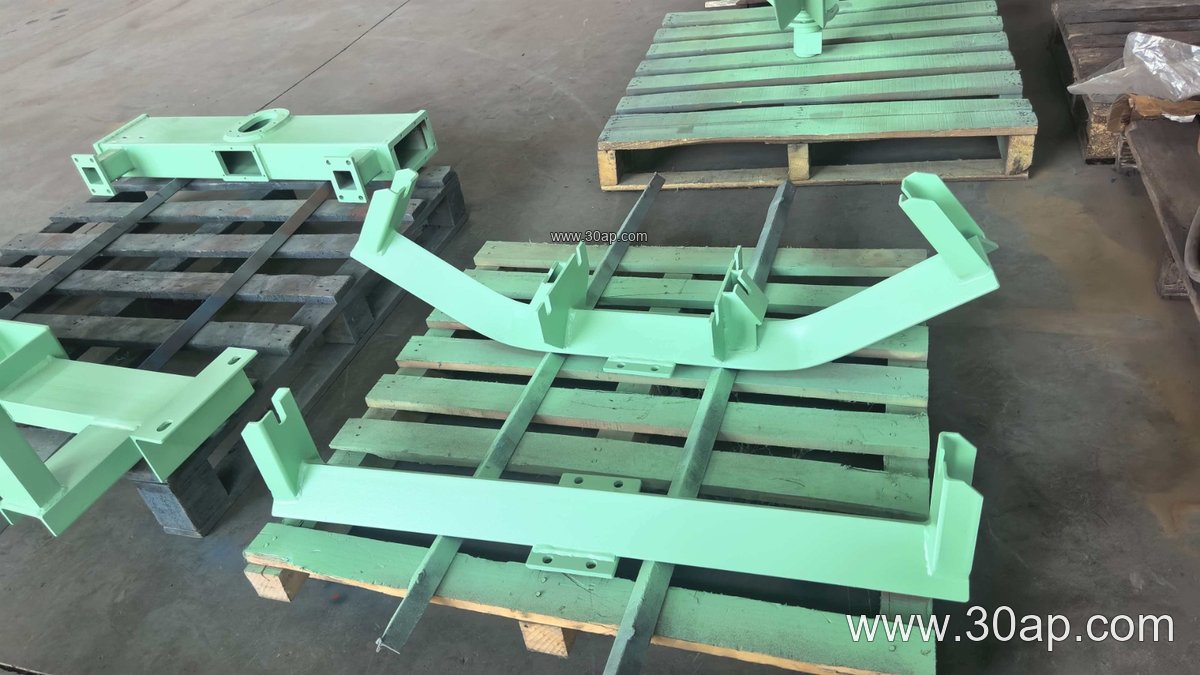
Most adjustable conveyor brackets are fabricated from angle steel, channel steel, or folded steel plate. The design usually includes slotted holes or a pivoting connection that lets the idler support arms move through a range of angles before being locked in place. The bracket mounts to the conveyor stringer or cross beam, and its mounting hole spacing and beam length are determined by the belt width and the required trough angle—these are not universal fixed numbers. A typical arrangement might involve a B800 belt with a 35 degree trough and Ø108 idler rollers, or a B1200 belt with a 45 degree trough and Ø133 rollers. The bracket must be rigid enough to resist vibration and belt pull, especially in heavy-duty mining conveyor belt systems where shock loads are common.
Where It Fits in the Conveyor System
Adjustable brackets are often used on the carrying side of the conveyor, forming the trough that supports the conveyor belt and its load. They work together with idler rollers, and sometimes with impact or transition idlers near transfer points. In a coal mining conveyor belt or underground mining conveyor belt, the ability to fine-tune the trough angle can help reduce spillage and belt mistracking. The same bracket style may appear in cement plants, power plant coal handling, and aggregate conveyor belt lines. While the main subject here is the adjustable bracket, it is worth noting that fixed troughing brackets are a separate subtype used where the angle never needs to change; the two are not interchangeable in terms of adjustment capability.
Selection Points for Buyers
When specifying an adjustable conveyor bracket, buyers should confirm the belt width, the required trough angle range, and the idler roller diameter. Common belt widths include B500, B650, B800, B1000, B1200, B1400, B1600, B1800, B2000, B2200, and B2400, but the bracket should be ordered to match the actual conveyor design rather than assuming a standard fit. Roller diameters such as Ø89, Ø108, Ø133, Ø159, and Ø194 are common, and the bracket must accept the chosen roller without interference. The material and surface treatment should suit the environment—for instance, a washdown area or a dusty coal preparation plant may call for galvanized or painted finishes. It is also wise to check whether the bracket is intended for a specific idler type, such as a troughing idler, return idler, or impact idler, since mounting details differ.
Maintenance and Compatibility
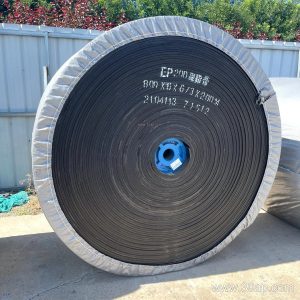
Adjustable brackets should be inspected for loose bolts, bent arms, and corrosion. Because they carry the weight of the belt and material, any deformation can affect belt training and increase wear on the conveyor belt. Lubrication is rarely required, but the locking mechanism should be kept free of debris so the angle can be changed when needed. These brackets are compatible with a wide range of conveyor belt constructions, including EP conveyor belt, NN conveyor belt, steel cord conveyor belt, and flame retardant conveyor belt grades used in underground coal mining. In a port or ship loading conveyor belt system, the adjustable feature can help optimize the trough for different cargoes without replacing the entire idler frame.
Practical Notes
An adjustable conveyor bracket is a small but useful component that adds flexibility to conveyor setup and maintenance. It is not a substitute for a conveyor pulley, and it should be selected with the same care as any load-bearing part. For buyers, the key is to match the bracket to the belt width, roller diameter, and desired trough angle range, and to verify the mounting dimensions against the existing conveyor structure. Whether the application is a limestone quarry, a cement plant, or a power station coal yard, the right bracket helps keep the belt centered and the material moving efficiently.