What a 315mm Diameter Conveyor Pulley Is
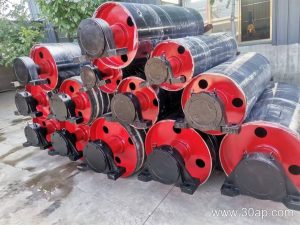
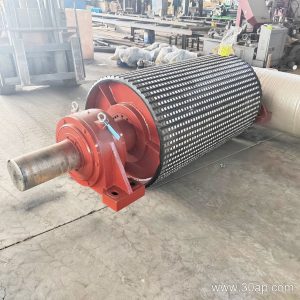
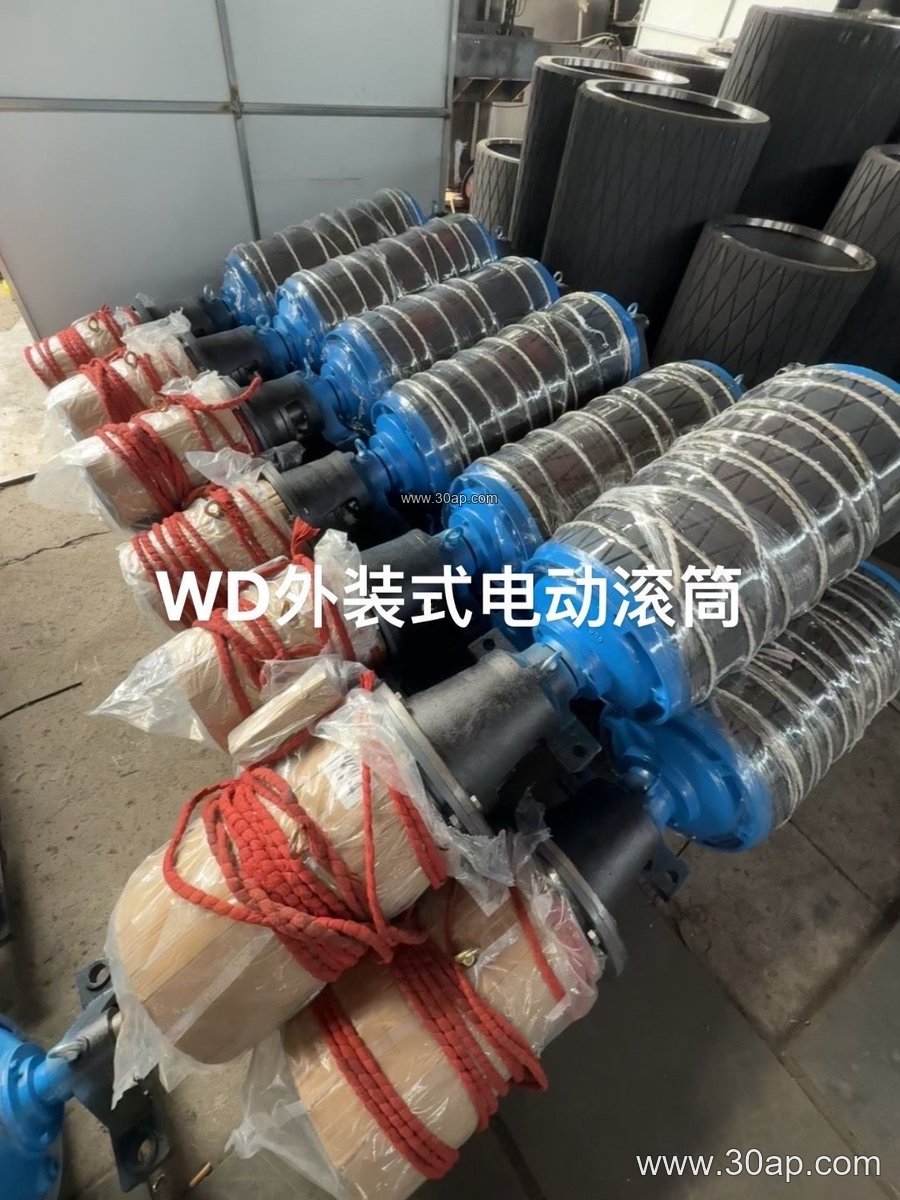
A 315mm diameter conveyor pulley is a mid-sized drum that rotates with the conveyor belt to transmit power or guide its path. The diameter refers to the outer working surface of the drum shell, which is often fitted with a rubber or ceramic lagging. In a crushing and screening circuit, this size sits comfortably between the smaller snub rollers and the large head drums, making it a practical choice for secondary and tertiary belts where space is limited but torque demand is still significant.
The same product is also called a Ø315 conveyor drum or 315mm belt conveyor pulley. It is a single component, not a category, and its role depends on where it is mounted on the conveyor frame.
How the Drum Is Built
Construction usually starts with a rolled steel shell welded to two end discs, each bored for the shaft. The shaft is keyed or shrink-fitted to the hubs, and bearing housings are bolted to the pulley ends. A 315mm diameter conveyor pulley often uses a shaft in the Ø80 to Ø120 range, but the exact shaft size is set by torque and radial load rather than by belt width alone.
Surface finish is a major decision. Plain finish suits clean, dry belts. Rubber lagging in 8, 10, 12 or 15 mm thickness improves grip on wet or dusty belts. Diamond and herringbone patterns help shed water and fines, while ceramic lagging is reserved for high-wear duty such as sinter or iron ore transfer. The face width is normally wider than the belt, for example about 750 mm for a B650 conveyor belt and about 950 mm for a B800 belt.
Where It Fits on the Conveyor
The position on the conveyor changes the job description. As a bend pulley, the 315mm drum redirects the belt around a curve in a transfer house or tunnel. As a tail pulley, it returns the belt at the loading end and may carry a self-cleaning cage. As a tension pulley, it takes up slack in a screw or gravity take-up. A drive pulley of this diameter is less common on long mainlines but appears on short feeders and auxiliary belts.
For comparison, a larger head pulley at the discharge point may reach Ø630 or Ø800 to handle full belt tension, while the 315mm unit works as a supporting redirect. The two are not interchangeable; each is selected for its location.
Typical Duty in Different Plants
In a limestone quarry, a 315mm diameter conveyor pulley often serves on a collection belt beneath the primary screen, where fines and moisture demand a lagged surface. In a coal preparation plant, the same drum may act as a bend pulley on a belt that carries washed coal, so cold-bonded rubber lagging is a frequent choice. Cement plants use it on clinker and additive belts, while power station coal yards apply it on short transfer conveyors.
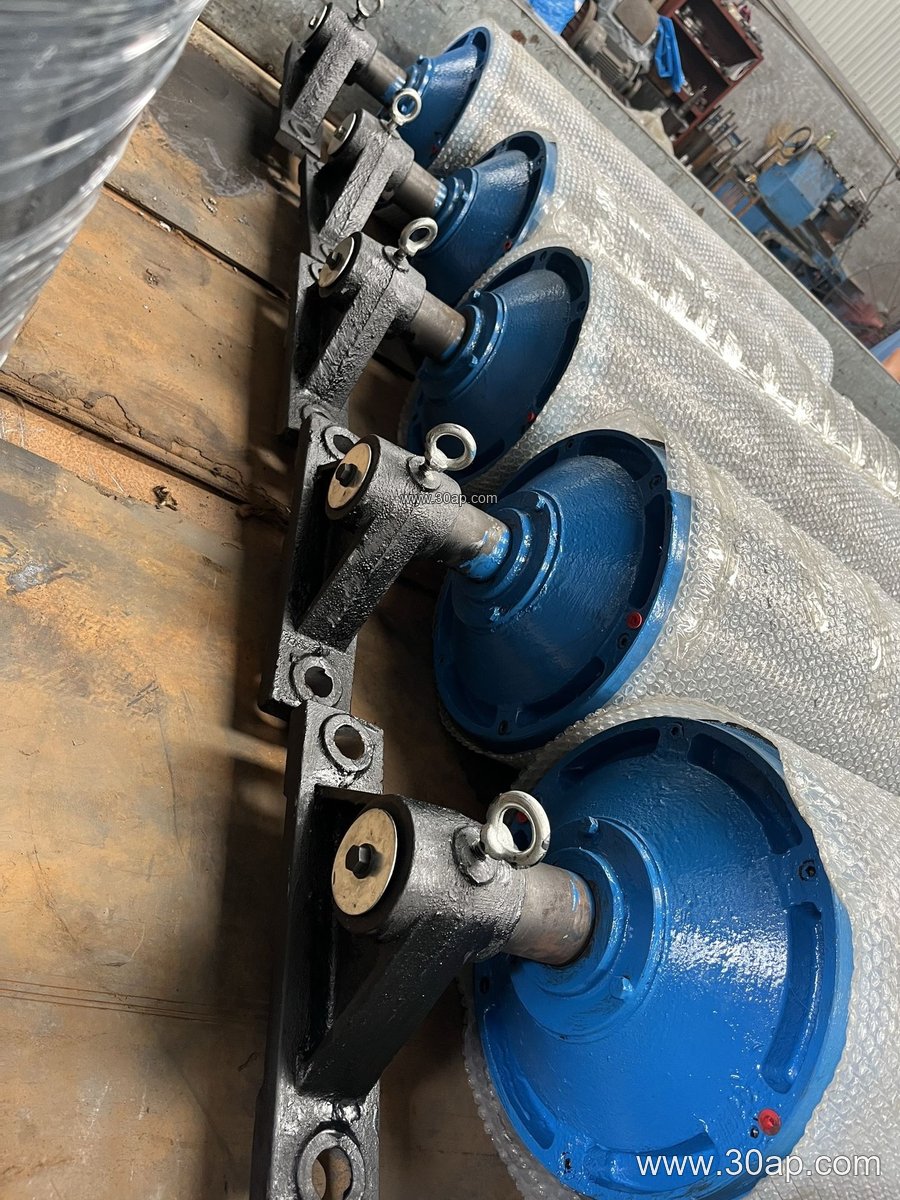
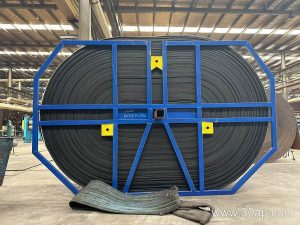
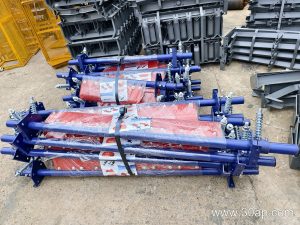
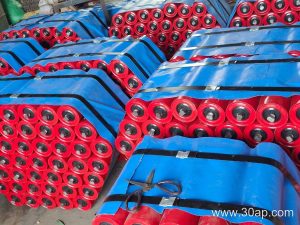
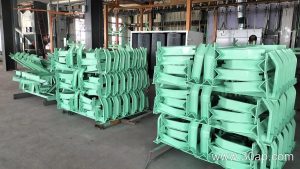
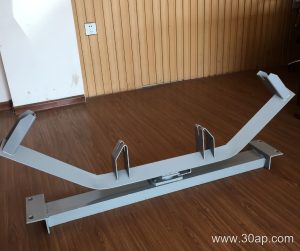
Other settings include sand and gravel lines, fertilizer handling, and grain silos. In each case the pulley works with the conveyor belt, idler roller sets, and conveyor bracket assemblies to keep the belt tracking and tensioned.
Specification Points Buyers Should Check
Before ordering, confirm the belt width, the required face width, the shaft diameter, and the bearing type. The table below lists common reference values; final dimensions follow the design drawing.
| Parameter | Common reference values |
|---|---|
| Outside diameter | Ø315 mm |
| Belt width examples | B650, B800, B1000, B1200 |
| Face width examples | about 750 mm, 950 mm, 1150 mm, 1400 mm |
| Shaft diameter range | Ø80, Ø90, Ø100, Ø120 (by torque and load) |
| Lagging options | plain, cold-bonded rubber, hot vulcanized rubber, diamond, herringbone, ceramic |
| Lagging thickness | 8, 10, 12, 15, 20 mm |
| Bearing type | pillow block or flange, selected by radial load |
Also ask about balancing grade, weld inspection, and the lagging bond method. A 315mm diameter conveyor pulley that is poorly balanced will vibrate and wear the belt edges, especially at higher belt speeds.
Selection and Maintenance Notes
- Match the pulley diameter to the belt’s minimum bend radius; a 315mm drum suits many fabric belts but should be checked against the belt manufacturer’s data.
- Choose lagging by the material being carried, not by habit.
- Inspect lagging wear and shaft seals during planned shutdowns.
- Keep the pulley aligned with the idler roller frames and conveyor brackets to avoid edge damage.
- Confirm that the take-up travel is sufficient for the belt’s elongation.
Used with the right belt and support components, a 315mm diameter conveyor pulley delivers steady performance in quarry, coal, cement, and power applications without demanding the space of a larger head drum.