What a 1500mm Conveyor Belt Is
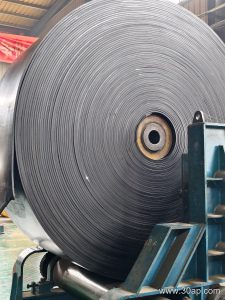
A 1500mm conveyor belt is a wide-profile rubber belt built for conveyor systems that move large volumes of bulk material. With a nominal width of 1.5 meters, this belt class sits between standard narrow belts and the widest bulk-handling belts used in mining, coal preparation, cement plants, power stations and sand and gravel yards. The width allows high throughput without pushing belt speed too high, which helps reduce wear on the belt cover and on the idler rollers underneath.
In practice, buyers refer to this product as a 1500mm wide conveyor belt or a 1.5m conveyor belt. Both names describe the same item; the width is the defining dimension, while construction, rubber grade and tensile strength are selected separately for each duty.
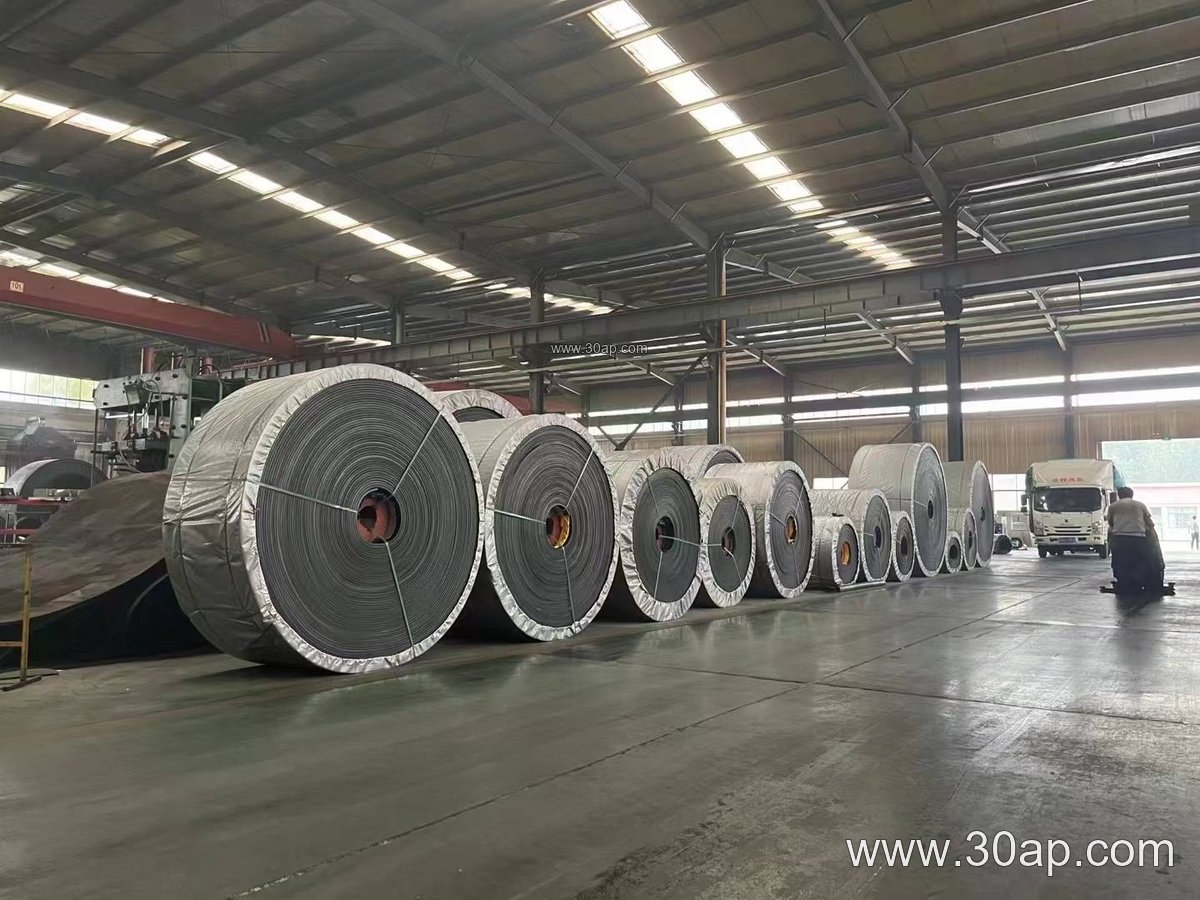
Construction and Common Specifications
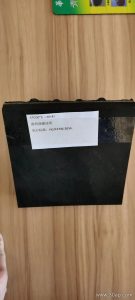
The belt is a composite: a load-carrying carcass, top and bottom rubber covers, and often an edge treatment. Carcass options include EP fabric, NN nylon fabric, steel cord and solid-woven PVC or PVG constructions. For a 1500mm width, fabric belts usually run multiple plies, and steel cord belts are common where long center distances and high tension demand it.
| Parameter | Typical Options |
|---|---|
| Belt width | 1500 mm (B1500) |
| Carcass type | EP fabric, NN nylon, steel cord, PVC/PVG solid woven |
| Strength grade | EP200, EP315, EP400, EP500, EP630, EP800 and above, selected by design |
| Number of plies | Commonly 2 to 6 for fabric belts |
| Top/bottom cover | 3+1.5, 4+2, 5+2, 6+2, 8+3 mm |
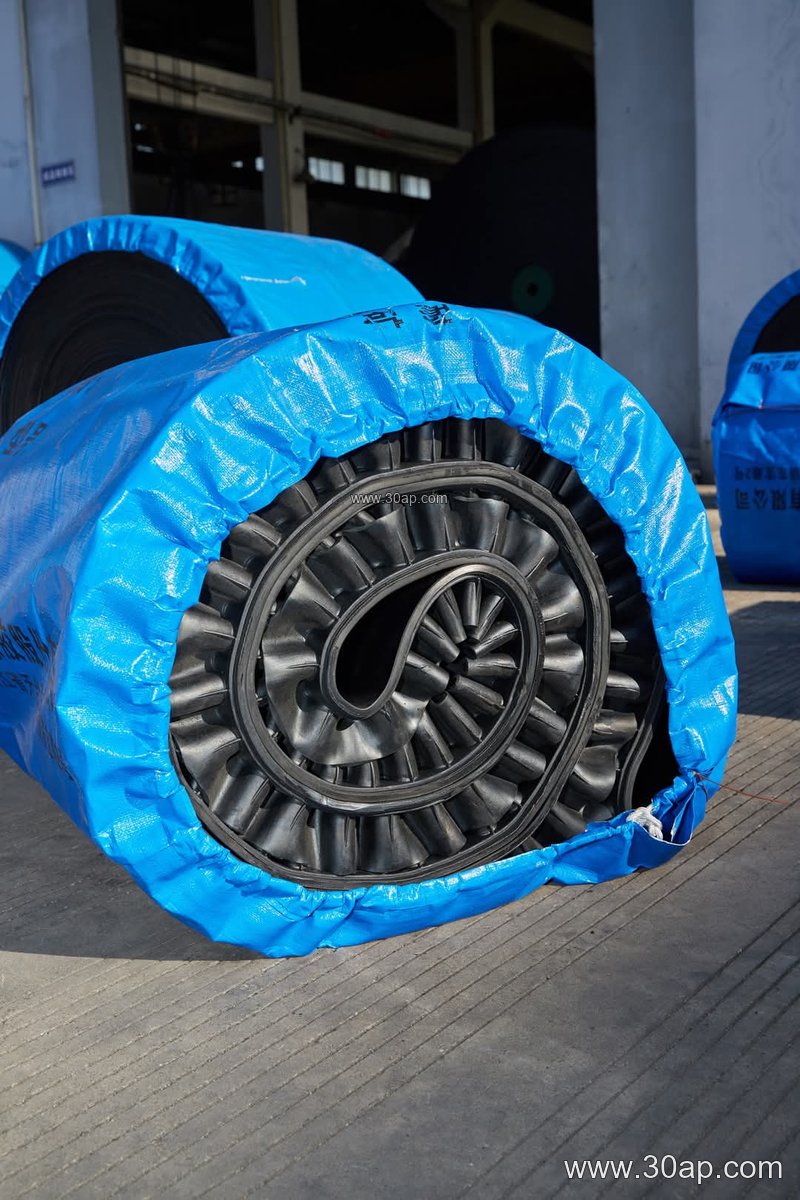
| Surface form | Smooth, patterned, chevron, or with corrugated sidewalls |
| Special grades | Abrasion resistant, heat resistant, oil resistant, flame retardant, antistatic, cold resistant, acid and alkali resistant |
These values are reference ranges, not fixed combinations. A cement plant handling hot clinker may choose a heat-resistant cover, while a coal mine often specifies flame retardant and antistatic grades. A sand and gravel operation moving sharp aggregate usually favors a thick abrasion-resistant top cover.
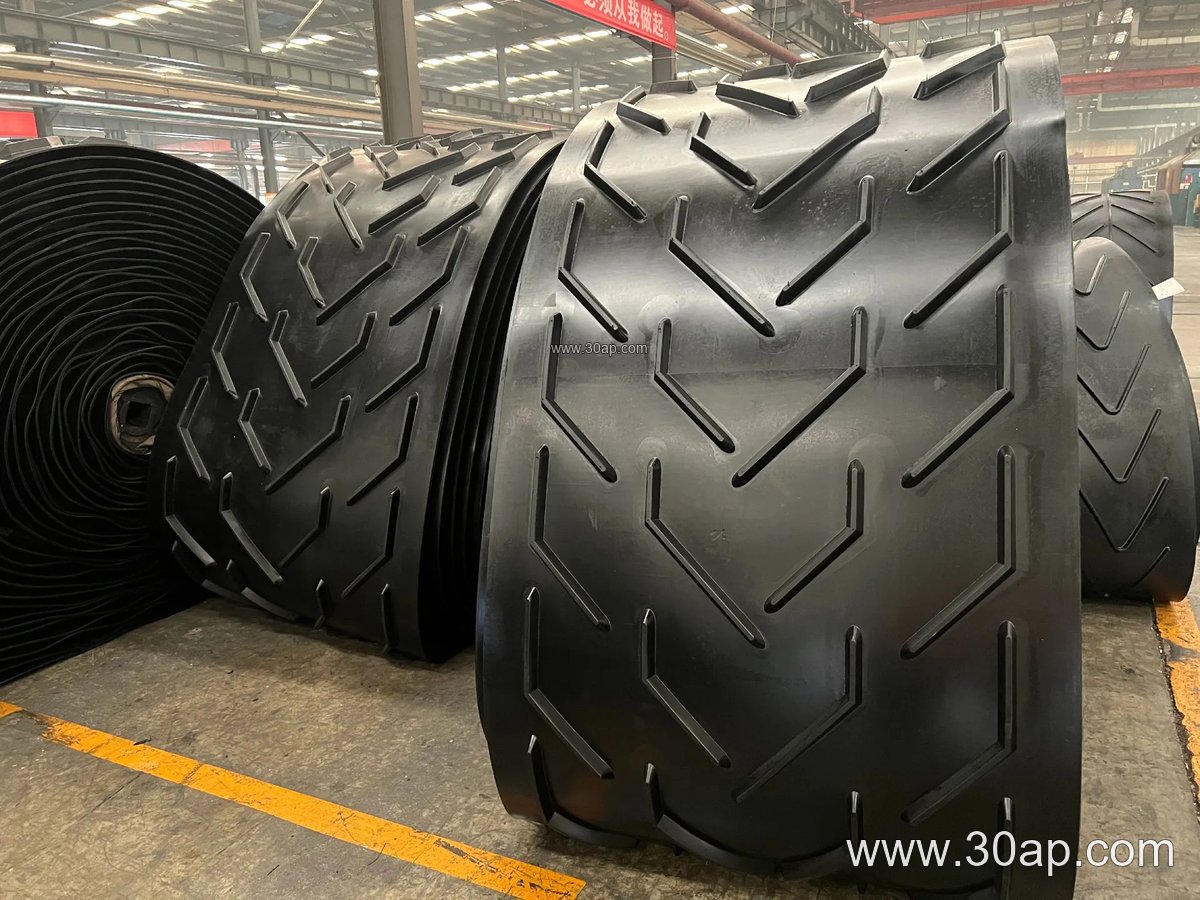
Where the Width Fits in the Conveyor
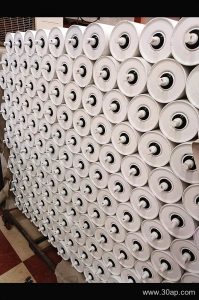
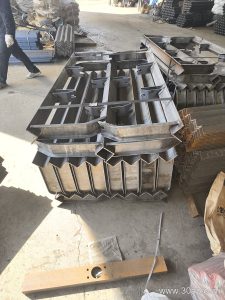
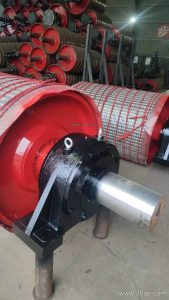
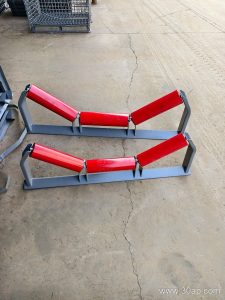
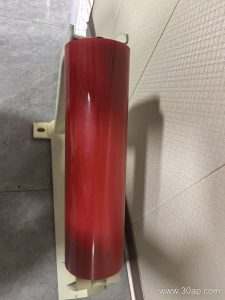
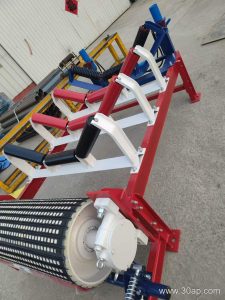
The belt works together with the rest of the conveyor. A 1500mm belt typically rides on troughing idler rollers arranged in three or five rolls, returns over flat return rollers, and wraps around a drive pulley at the head and a tail pulley at the feed end. Bend pulleys and take-up pulleys manage tension along the route. Conveyor brackets and frames must be sized for the belt width and the loaded weight.
Belt width and pulley diameter are separate design decisions. A 1500mm belt can be paired with different pulley diameters depending on tension, wrap angle and carcass flexibility. Do not assume a fixed shaft or pulley size from width alone; the conveyor designer sets those values from the actual duty.
Width also affects transition zones. A wide belt needs enough transition distance between the tail pulley and the first troughing set so the edges do not lift or fold. In coal handling and power plant coal yards, this detail matters because mistracking on a 1.5m belt causes edge damage quickly.
Applications Across Industries
- Mining and metallurgy: ore transport from crushing stations to stockpiles.
- Coal mines and coal washeries: raw coal and washed coal handling.
- Cement plants: limestone, clinker and additive conveying.
- Power stations: coal yard and boiler feed systems.
- Sand and gravel plants: aggregate and screened stone transport.
- Ports and bulk terminals: loading and unloading lines.
In each case, the belt is only one part of the system. Properly matched idler rollers, pulleys and brackets keep the belt centered and extend service life.
Buyer Checklist
Before ordering a 1500mm conveyor belt, confirm the material type, lump size, temperature, moisture and any fire or antistatic requirement. State the required tensile strength and cover thickness, and specify the carcass type. Ask how the belt edges are finished and whether the surface needs a pattern or sidewalls. Check that the existing conveyor frame, idler rollers and pulley faces suit the belt width and that the take-up has enough travel. Finally, request the manufacturer’s data sheet for the exact construction, since cover grades and ply counts vary between suppliers.