What an Impact Idler Bracket Does
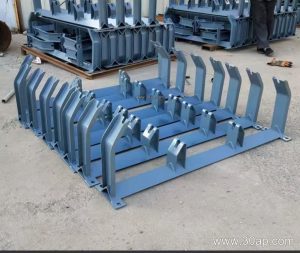
An impact idler bracket is the support frame that holds the impact idlers directly beneath the loading point of a conveyor. This is where material leaves the chute and strikes the belt with full force, so the bracket has to keep the rollers steady while the belt absorbs the shock. At a quarry, a limestone mine, or a crusher discharge, the impact idler bracket protects both the conveyor belt and the idler roller from the worst of the drop. It is a small component, but its placement and rigidity often decide how long a loading section lasts.
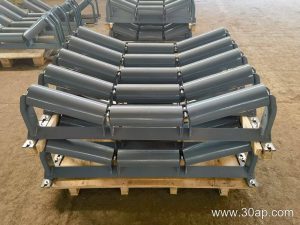
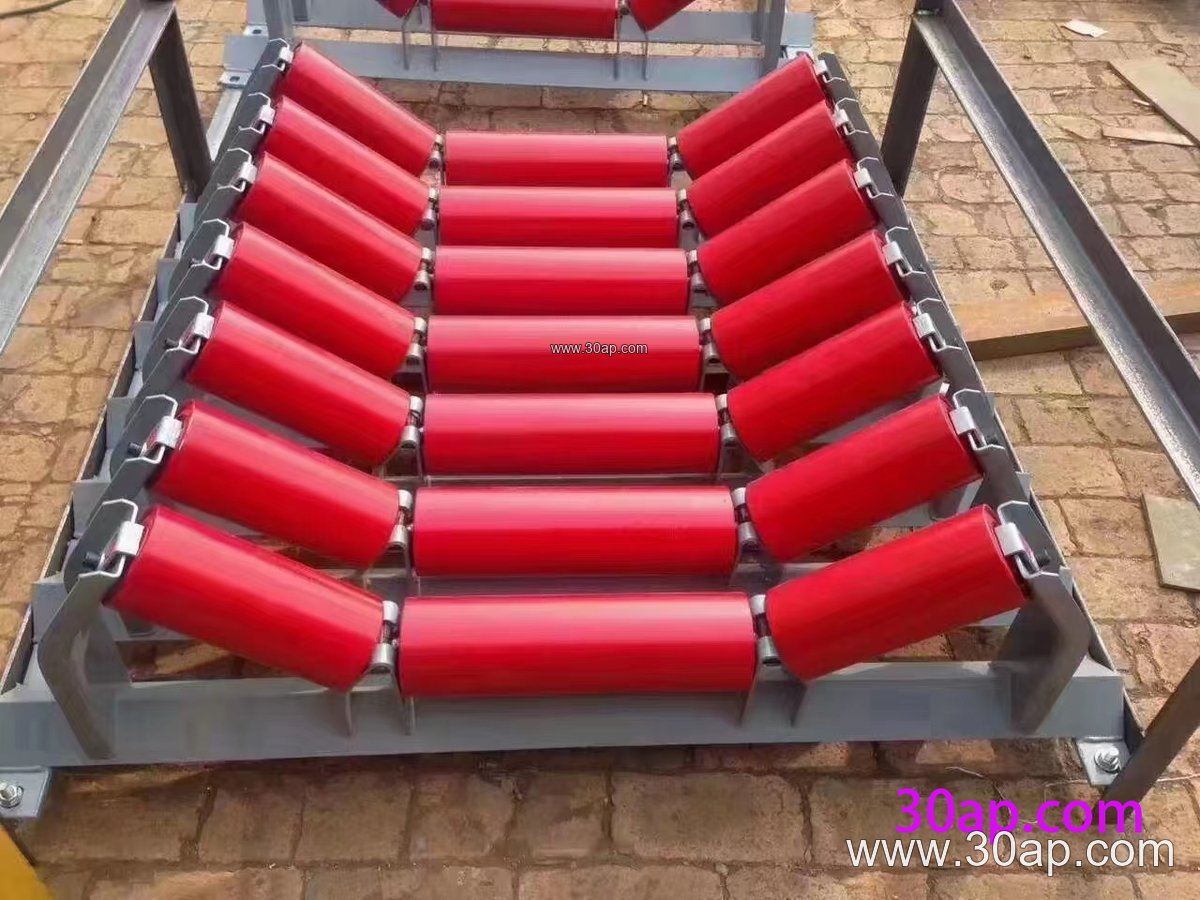
The working position is easy to recognise: the bracket is fixed to the conveyor stringer or cross beam just below the skirted loading area, carrying a group of impact rollers at the same trough angle as the adjacent carrying idlers. When the bracket is correctly aligned, the belt sits on the rollers with even contact and the falling material is cushioned instead of hammering the frame.
How the Frame Is Built
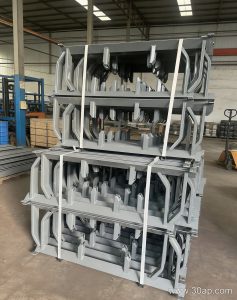
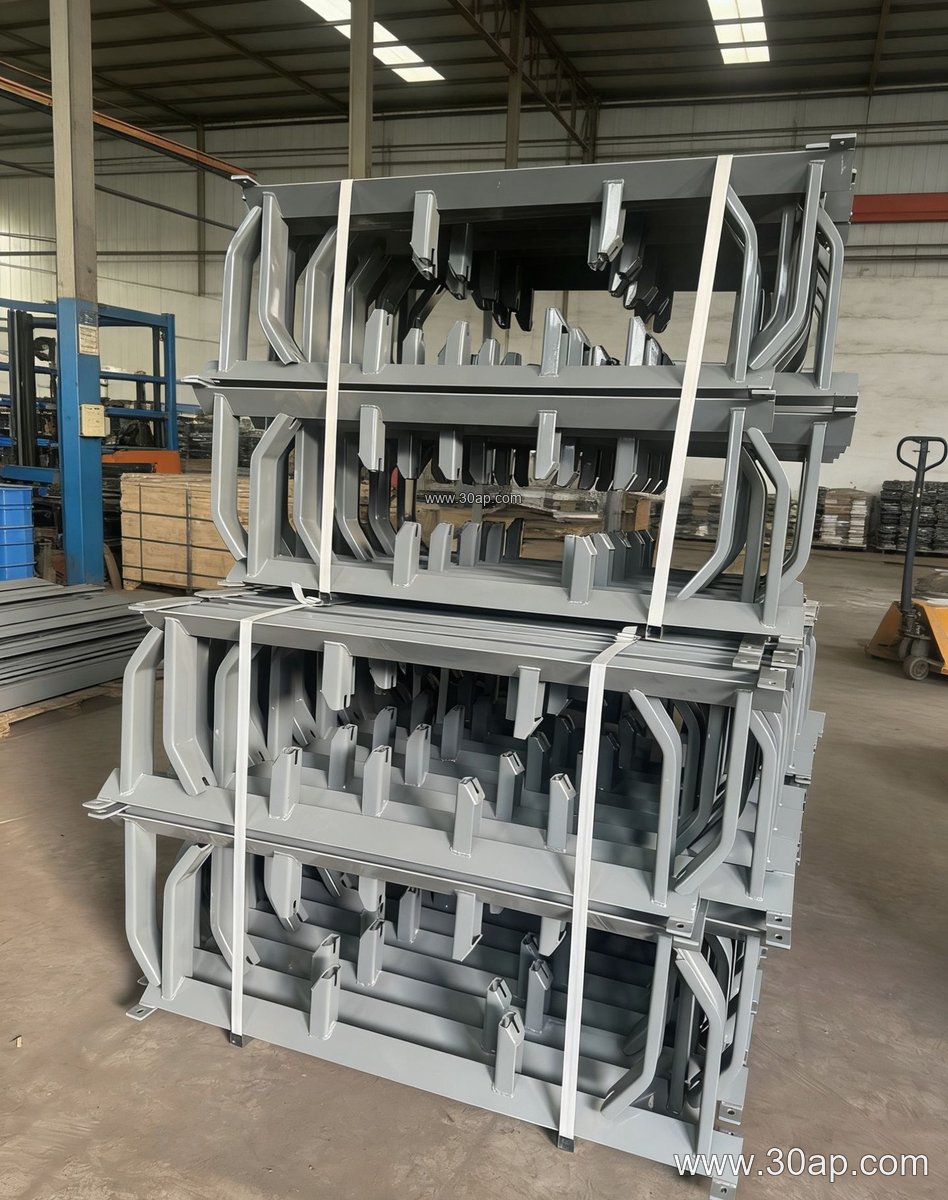
Most impact idler brackets are fabricated from angle steel, channel steel, or folded steel plate. The choice depends on belt width, the weight of the falling material, and the load the frame must transmit to the conveyor structure. A typical build includes a cross beam, two side brackets with mounting holes, and roller seats machined or punched to suit the shaft ends of the impact rollers.
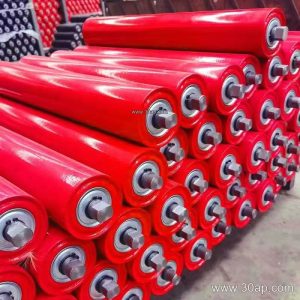
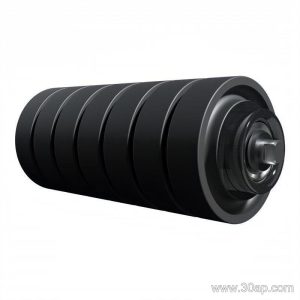
Impact brackets differ from ordinary carrying brackets in a few practical ways. The frame is usually heavier, the roller seats are reinforced, and the assembly is designed to accept rubber-ring or cushion-type impact rollers. In some designs, the bracket also carries a rubber impact bar or a buffer plate beneath the belt. The bracket does not replace the idler roller; it positions and supports it, and the two parts are selected together.
Matching the Bracket to Belt Width and Trough Angle
An impact idler bracket is ordered by belt width, trough angle, and roller diameter, and these three values are read as a set rather than as fixed rules. Common belt widths range from B500 to B2200, trough angles of 20, 30, 35, and 45 degrees are widely used, and roller diameters such as Ø89, Ø108, Ø133, Ø159, and Ø194 appear across different duty levels. A wider belt generally calls for a longer cross beam and a stiffer frame, but the exact hole spacing and beam length are determined by the conveyor design, not by a single standard table.
- B650 with 30 degrees and Ø89 suits lighter loading sections.
- B800 with 35 degrees and Ø108 is a common mid-duty combination.
- B1200 with 45 degrees and Ø133 is often seen where the drop height is significant.
These examples show how values are combined in practice. They are reference points, not a guarantee that one belt width only matches one angle or one roller diameter. Adjustable brackets allow the trough angle to be changed between settings, which helps when a loading zone is modified or when the belt runs better at a slightly different profile.
Where It Fits on the Conveyor
The impact idler bracket belongs to the loading zone, and it is usually installed together with skirted conveyor belt sections, a feed chute, and a set of transition idlers on each side. In a coal handling plant or power plant coal yard, the bracket is positioned where the belt receives fuel from the crusher; in a cement plant it sits under the clinker or raw material transfer point; in a sand and gravel line it works below the primary screen discharge.
The bracket should not be confused with the conveyor pulley at the drive, tail, or bend position. Those pulleys transmit power or change belt direction, while the impact bracket simply carries rollers and absorbs loading shock. A conveyor bracket of this type also differs from a return bracket or a V-shaped return bracket, which supports the belt on its empty side. Each has its own position and purpose.
Buyer Checklist
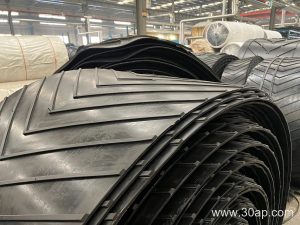
Before ordering, confirm the belt width, the required trough angle, the impact roller diameter, and the mounting hole spacing on the existing stringer. Check whether the frame is fixed or adjustable, and ask for the material and plate thickness of the cross beam. For abrasive duties, a high abrasion resistant conveyor belt or an impact resistant conveyor belt at the loading point reduces the stress on the whole assembly, and a flame retardant conveyor belt is often specified in underground coal mining conveyor systems. A heavy-duty mining conveyor belt may need a stronger bracket and larger rollers than a light aggregate line.
Installation matters as much as the part itself. Align the bracket with the adjacent idlers, tighten the fasteners to the specified torque, and check that the belt rests evenly across all rollers. Inspect the loading zone regularly for loose bolts, bent frames, and worn rubber rings. Replacing a distorted impact idler bracket early is cheaper than repairing a damaged belt or a bent idler roller later. For buyers comparing suppliers, ask for drawings that show hole spacing, beam length, and roller seat dimensions, so the bracket fits the conveyor on the first attempt.