Why the Conveyor Bracket Determines Long-Term Alignment
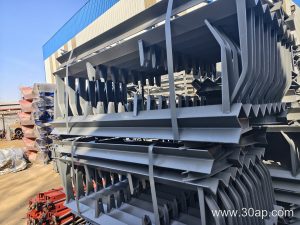
Every conveyor line depends on the conveyor bracket to hold rollers, pulleys, and idlers in precise position. A weak or mis-sized bracket causes belt drift, vibration, and premature wear on bearings and frames.
Key Load Factors Before You Buy
Evaluate the dynamic load, not just static weight. Material impact at transfer points adds shock force that a standard bracket may not absorb.
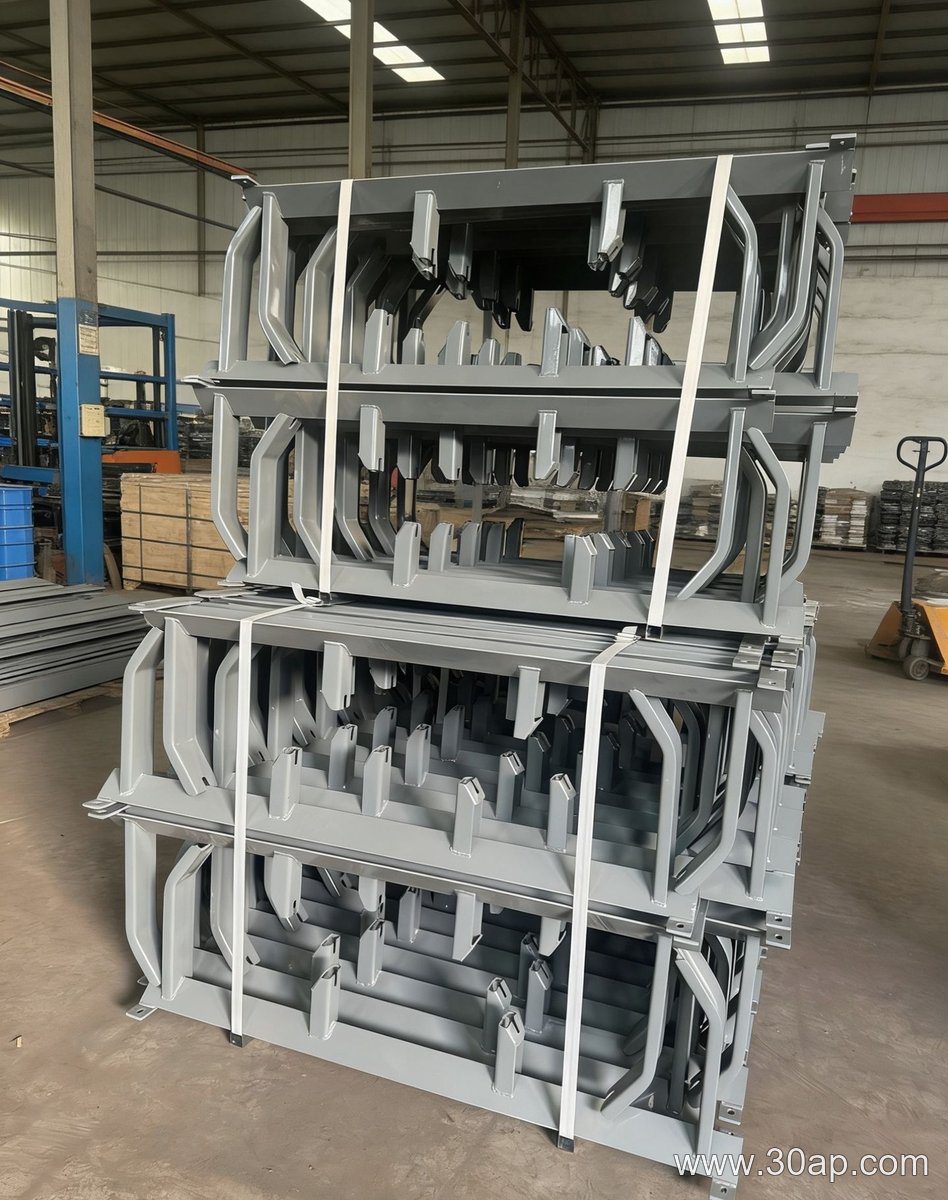
- Check steel grade: use galvanized or stainless for washdown environments.
- Match bracket slot width to your roller shaft tolerance (avoid play).
- Confirm weld type: continuous welds outperform stitch welds under cyclic stress.
Purchasing Advice for Maintenance Teams
Always order spare conveyor brackets from the original frame supplier. If retrofitting, measure the base mounting hole pattern in millimeters—do not assume an inch standard. Ask for a deflection test report if you run heavy bulk loads over 50 kg per meter.
For adjustable brackets, verify the locking mechanism resists vibration loosening. Choose a bracket with a reinforcement gusset when your conveyor exceeds 6 meters in length.
Why Your Conveyor Belt Choice Defines Throughput
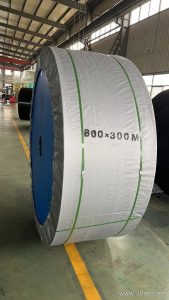
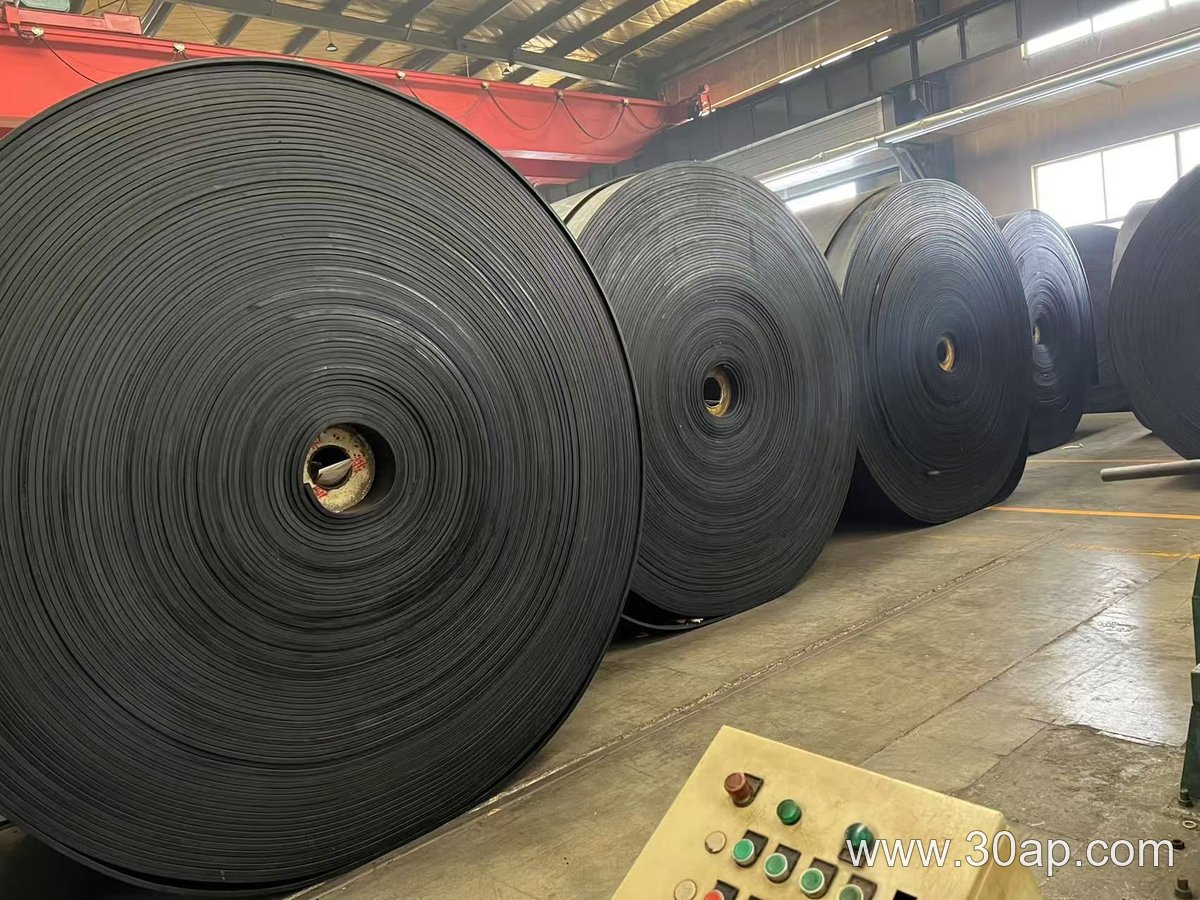
A conveyor belt is the circulatory system of any bulk handling or assembly operation. Choosing the wrong construction leads to unscheduled downtime, product damage, and inflated energy costs.
Core Material Considerations
Match the belt carcass and cover to your load. For sharp or abrasive materials, specify a multi-ply rubber belt with a thick top cover. For food contact, use FDA-grade thermoplastic or stainless-steel mesh belts that withstand washdown chemicals.
Profile and Tracking Essentials
- Cleats or sidewalls prevent rollback on inclines over 18 degrees.
- V-guides or crowned pulleys keep the belt centered under variable load.
- Check troughability: fabric belts suit 20–30 degree idler troughs; steel cord belts handle high tension and long centers.
Purchasing and Maintenance Guidance
Always request a splice or joint type compatible with your maintenance crew. Ask for elongation values and minimum pulley diameters. Buy from suppliers who offer field splicing and keep replacement stock for your belt width and ply count. Finally, verify fire resistance and antistatic ratings if your plant handles combustible dust or volatile vapors.
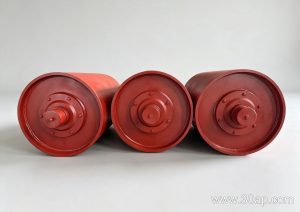
Why the Idler Roller Determines Your Conveyor’s Lifespan
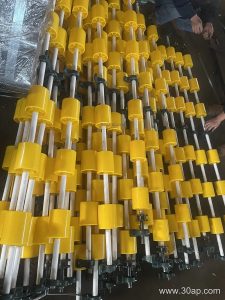
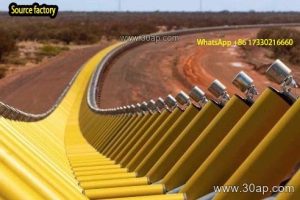
The idler roller is the unsung hero of any bulk handling system. It supports the belt, shapes the load, and absorbs impact—yet a poorly chosen roller causes tracking issues, belt wear, and unplanned downtime. This guide focuses on the idler roller alone, not just as a component, but as a decision that affects your entire operation.
Key Specifications to Evaluate
- Roller diameter and wall thickness – Match to belt speed and load density. Heavier loads require thicker steel or HDPE.
- Bearing type and seal class – For dusty or wet environments, choose labyrinth seals with C3 clearance.
- Shaft end configuration – Ensure compatibility with your frame (tapered, threaded, or quick-change).
Application-Based Buying Advice
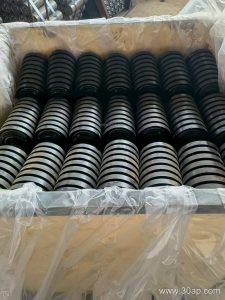
For high-impact loading zones, select an idler roller with reinforced rubber discs. For high-speed overland conveyors, precision-balanced rollers reduce vibration. Always request run-out tolerance data—below 0.5 mm ensures belt stability.
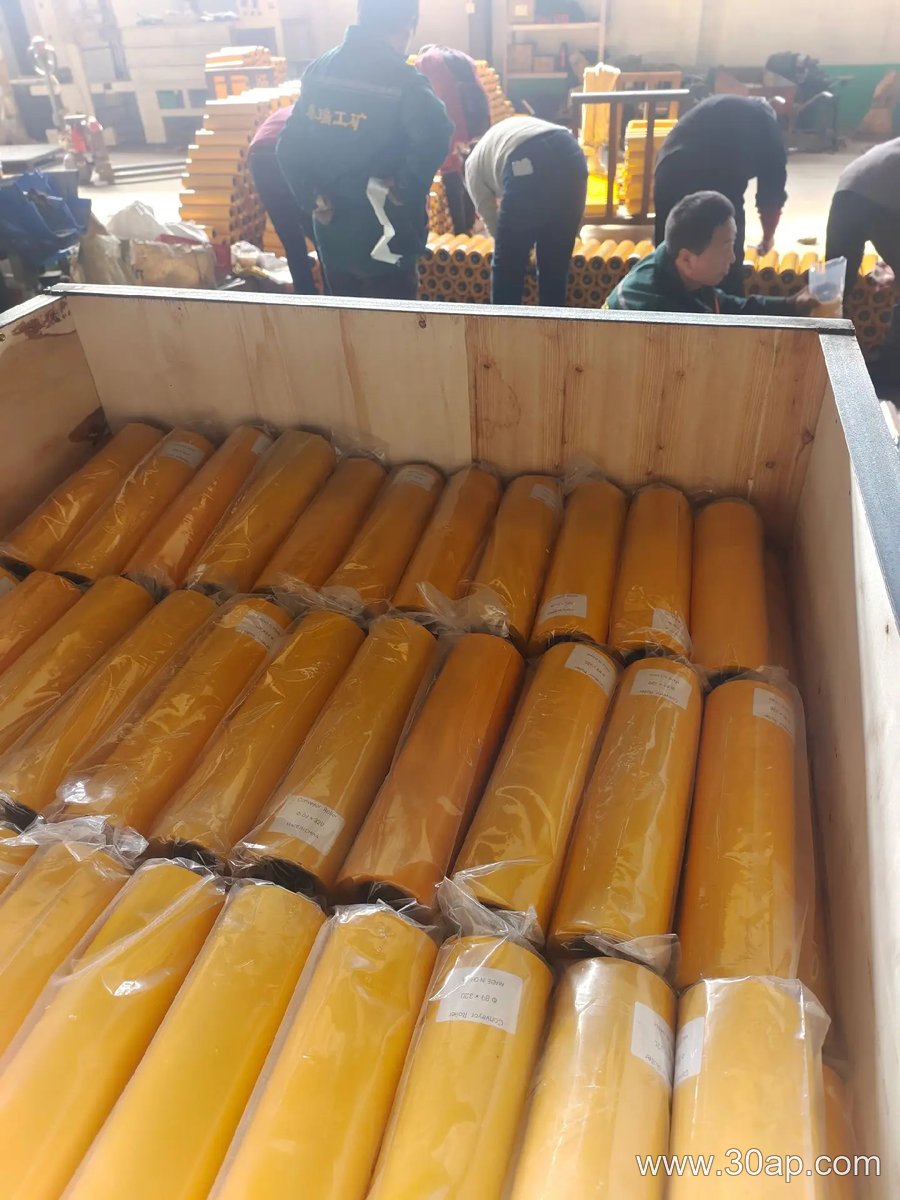
Finally, verify the roller’s load rating against your maximum lump size. A common mistake is under-specifying for abrasive materials. Request a free sample test before bulk order, and ask for the manufacturer’s MTBF data on similar installations.
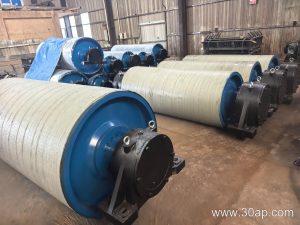
Why the Conveyor Pulley Is the Heart of Your Belt Line
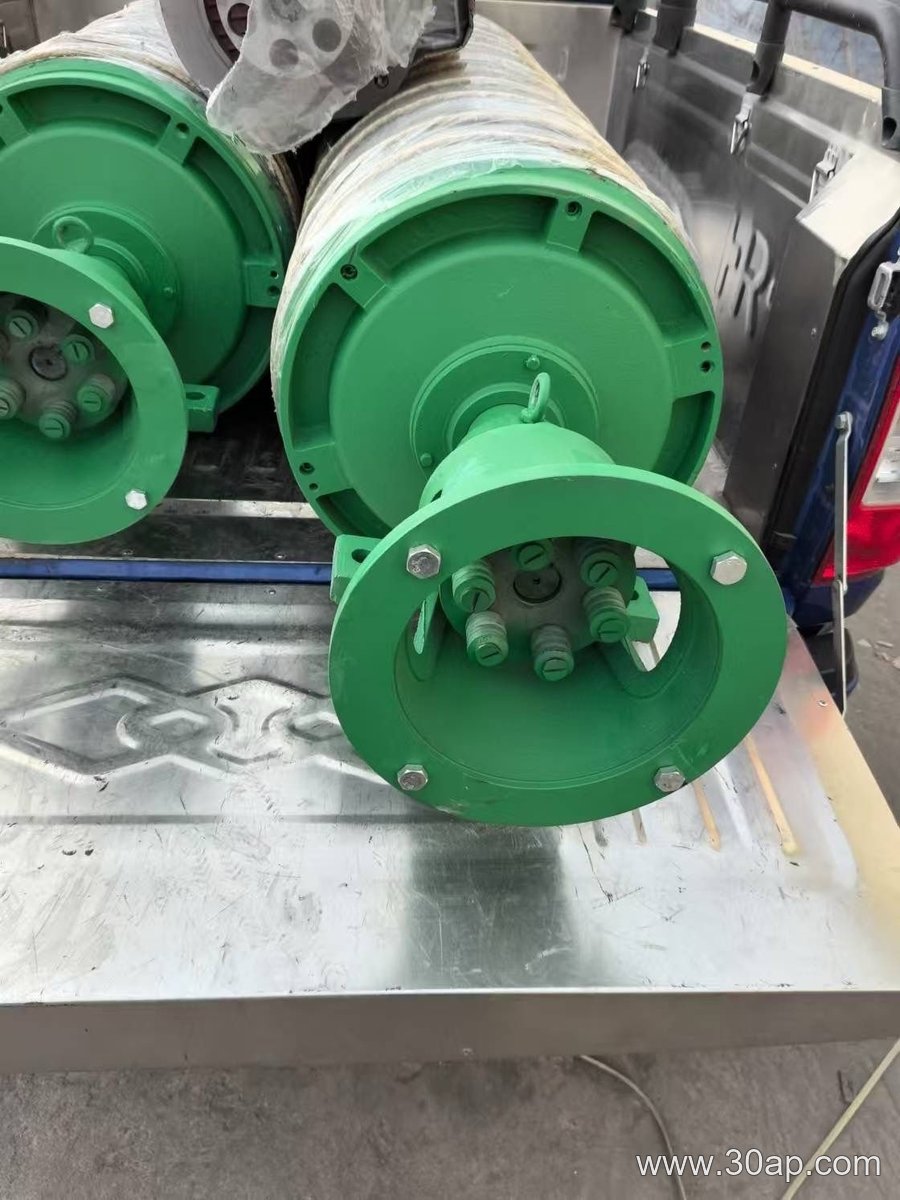
The conveyor pulley is the cylindrical component that drives, redirects, or tensions the conveyor belt. Its surface condition, diameter, and bearing alignment directly determine belt tracking, wear, and overall system efficiency. Neglecting pulley specification is a leading cause of unscheduled downtime.
Key Types and Their Roles
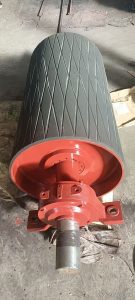
- Drive pulley – transmits torque from the motor; requires lagging (rubber or ceramic) to increase friction.
- Bend pulley – changes belt direction, often on the return side; needs minimal wrap angle.
- Take-up pulley – maintains tension; choose a screw or gravity type based on load variability.
Selection and Purchasing Advice
First, calculate the effective belt tension (Te) using load, speed, and distance. Then select the pulley diameter to keep the belt flex life above the manufacturer’s minimum. For abrasive or wet environments, opt for a crowned face or self-cleaning wing pulley. Always verify shaft deflection under peak load – a weak shaft causes premature bearing failure. Specify the lagging pattern (grooved for wet, plain for dry) and request a dynamic balancing report above 2.5 m/s. When purchasing, ask for surface hardness (Shore A ≥ 60 for rubber lagging) and weld quality certificates. Finally, confirm the hub and bushing system matches your existing shaft tolerances to avoid retrofitting costs.