What a rubber lagged pulley does on a conveyor
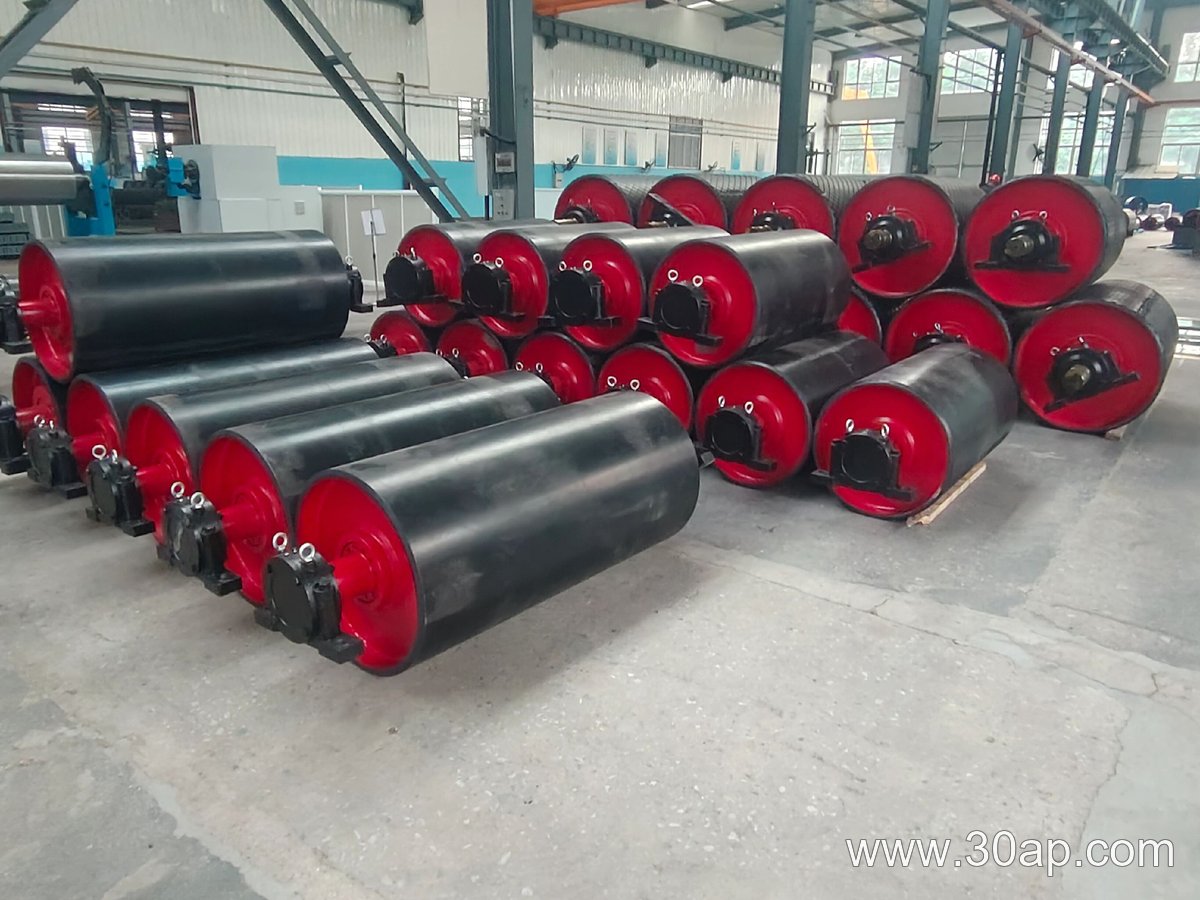
In a quarry, a coal preparation plant, or a cement clinker line, the rubber lagged pulley is often the part that decides whether the belt tracks straight and starts without slipping. It is a conveyor pulley whose outer shell carries a bonded rubber layer, usually called lagging. The rubber is not a cosmetic coating. It raises friction between the shell and the conveyor belt, protects the steel shell from abrasive dust, and can be grooved to help shed water or fines. A drive pulley and a tail pulley both may be lagged, but they are not the same position and should not be treated as one component. The same is true for a bend pulley, which only changes belt direction and normally carries a lighter load.
How the lagging is built onto the shell
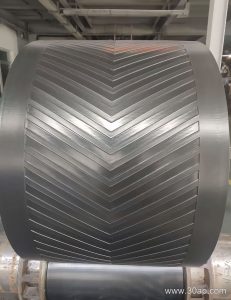
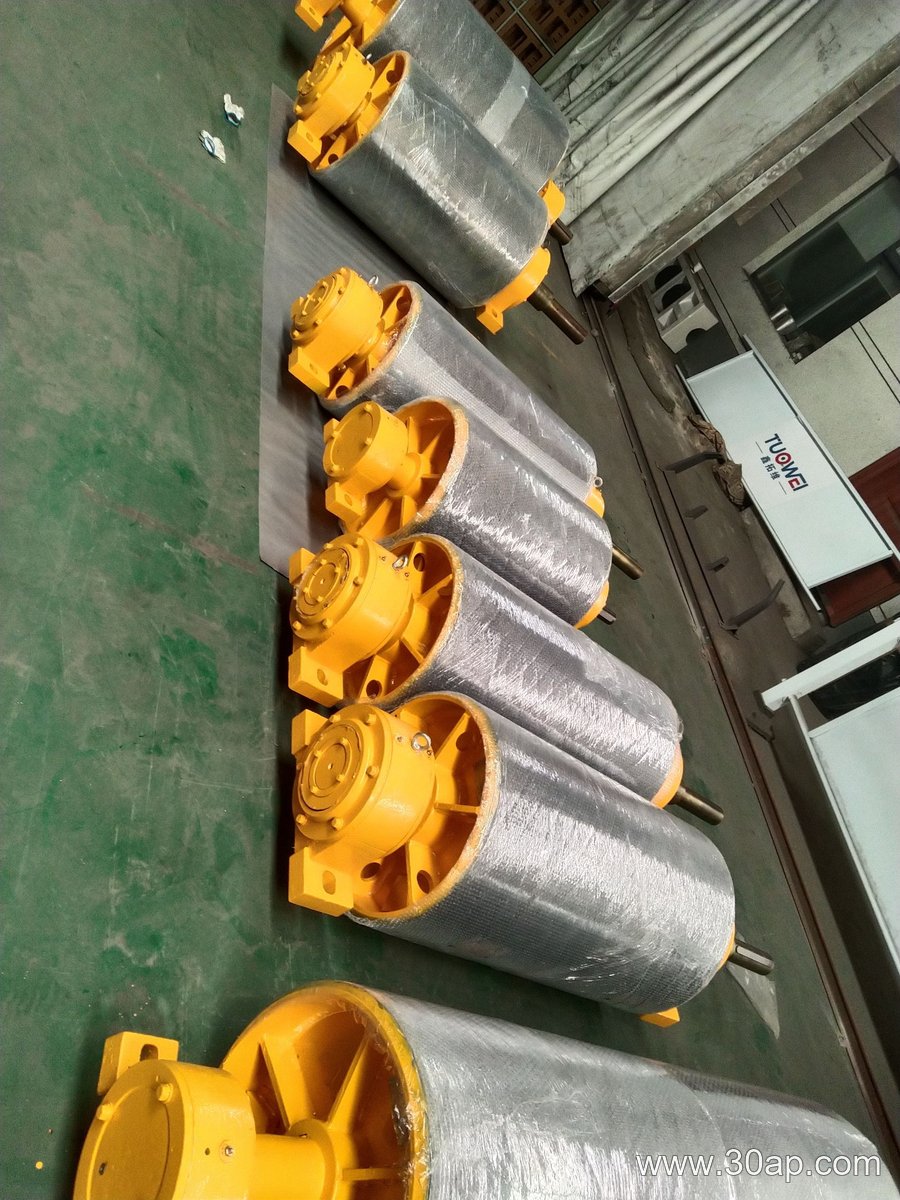
The pulley body is a cylindrical shell with end discs and a shaft, often with a hub and locking assembly. Lagging can be applied in several ways. Cold bonded rubber uses room temperature adhesive and is common for field repair or smaller units. Hot vulcanized rubber is cured under heat and pressure for a stronger bond in heavy duty service. Cast rubber is poured directly onto the prepared shell. Surface patterns include plain, diamond, herringbone, and ceramic embedded rubber. Thickness commonly runs from 8 mm to 20 mm, with 10 mm and 12 mm seen in many general duties. A diamond or herringbone pattern can improve grip on wet or dusty belts, while a plain surface suits cleaner, dry conditions. The shell face width is usually a little wider than the belt, for example about 1150 mm face for a B1000 belt or about 1400 mm for a B1200 belt, but this is a design choice, not a fixed rule.
Where it fits in the conveyor layout
A rubber lagged pulley appears in several positions. At the head or discharge end, a lagged drive pulley transmits torque from the gearbox to the belt. At the tail, a lagged tail pulley can act as a tension and return point, especially when the belt carries wet material. A take-up or tension pulley may also be lagged to maintain grip as the belt stretches. In a coal handling system, a lagged drive pulley helps start a fully loaded belt without excessive slip. In an aggregate plant, a lagged tail pulley resists wear from gritty return material. A bend pulley, by contrast, is usually not the main driver and may be supplied plain or lightly lagged only when traction or wear demands it.
Common sizes and how they relate
Sizes are chosen from belt width, belt tension, shaft torque, and the space available. The table below shows common reference combinations; these are not universal pairings and any pulley diameter should be confirmed by the conveyor designer.
| Belt width | Typical face width | Example pulley diameter | Common lagging |
|---|---|---|---|
| B500 | about 600 mm | Ø250, Ø315 | 8–10 mm rubber |
| B650 | about 750 mm | Ø315, Ø400 | 10 mm diamond |
| B800 | about 950 mm | Ø400, Ø500 | 10–12 mm diamond |
| B1000 | about 1150 mm | Ø500, Ø630 | 12 mm diamond or plain |
| B1200 | about 1400 mm | Ø630, Ø800, Ø1000 | 12–15 mm herringbone |
| B1400 | about 1600 mm | Ø800, Ø1000, Ø1250 | 15 mm rubber or ceramic |
Shaft diameters are not selected from belt width alone. Common shaft sizes include Ø80, Ø100, Ø120, Ø140, Ø160, and Ø180, but the correct value depends on torque, bending load, and bearing life. A B1200 belt may use a Ø1000 drive pulley with a Ø160 shaft in one duty and a different shaft in another. That is why a buyer should provide the actual conveyor duty rather than ask for a pulley by belt width only.
What a buyer should check before ordering
- Position and function: drive, tail, take-up, or bend. These are not interchangeable names, and each has different traction and load requirements.
- Belt width and required face width, plus the pulley diameter that fits the frame.
- Lagging type, thickness, and surface pattern. Rubber, ceramic, plain, diamond, and herringbone suit different materials and moisture levels.
- Shaft diameter, keyway, bearing type, and locking method, based on the actual torque and load.
- Working environment: coal dust, limestone slurry, clinker heat, or port humidity. Each affects rubber compound choice and groove design.
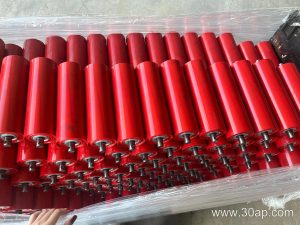
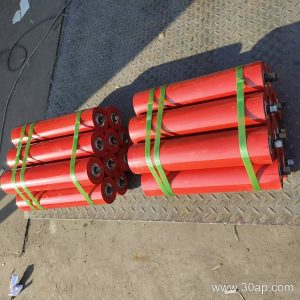
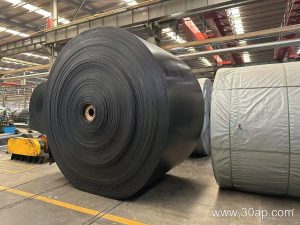
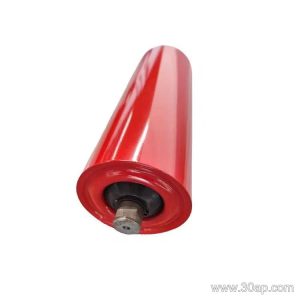
A rubber lagged pulley is only one part of the conveyor, but it works with the conveyor belt, idler roller, and conveyor bracket to keep material moving. In a sand and gravel line or a power plant coal yard, matching the lagging to the duty is what prevents slip, belt wander, and premature shell wear.