What an Idler Seal Does
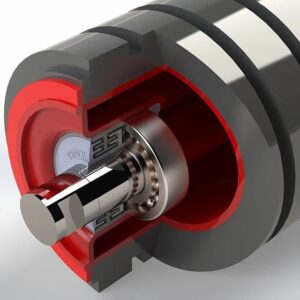
In a conveyor idler roller, the idler seal is the small but critical barrier that keeps dust, water, and fine particles away from the bearing while holding lubricant inside. On a quarry conveyor belt or a coal mining conveyor belt, grit and moisture are constant threats; without a proper idler seal, bearing life drops fast and the whole idler roller may seize. The seal is part of the end assembly, working together with the bearing housing, shaft, and roller shell. It is not a glamorous component, but it directly affects maintenance intervals and the uptime of the conveyor line.
How an Idler Seal Is Built
Most idler seals combine a rubber or elastomeric lip with a metal case or reinforcement. The lip is designed to ride against a rotating surface or a stationary face, creating a close but non-binding fit. Common constructions include single-lip and double-lip designs, and some seals add an outer dust lip to block larger particles. The seal must tolerate the idler roller’s operating temperature, the ambient conditions, and the load from the conveyor belt. In a cement plant or a power plant coal handling system, fine abrasive dust can penetrate joints, so the seal’s fit and lip tension matter as much as the material. A seal that is too tight adds drag; one that is too loose lets contamination in. The balance is set by the idler manufacturer based on the bearing size, shaft diameter, and housing geometry.
Where Idler Seals Are Used
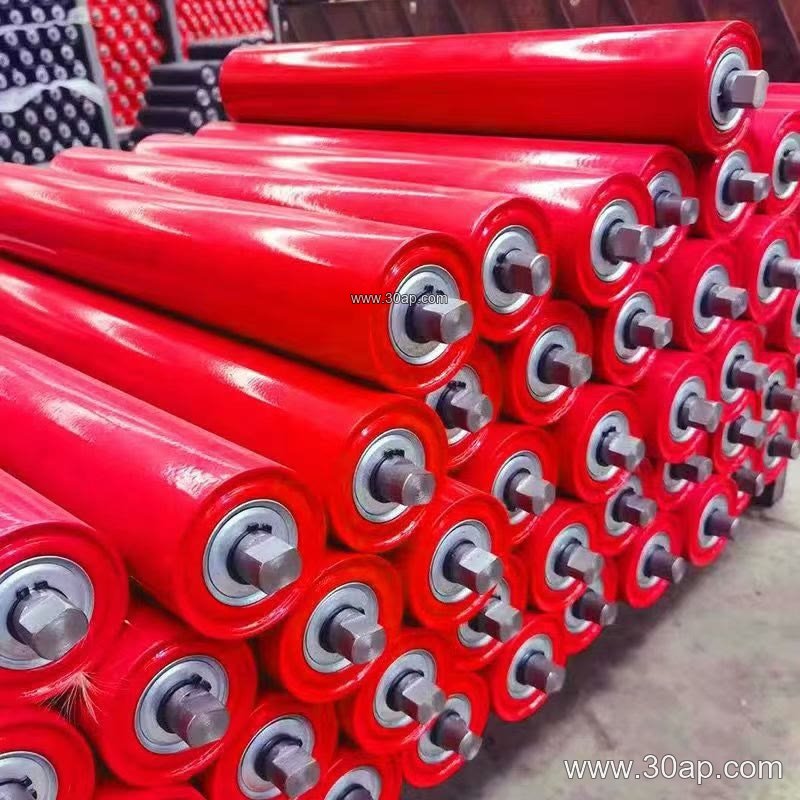
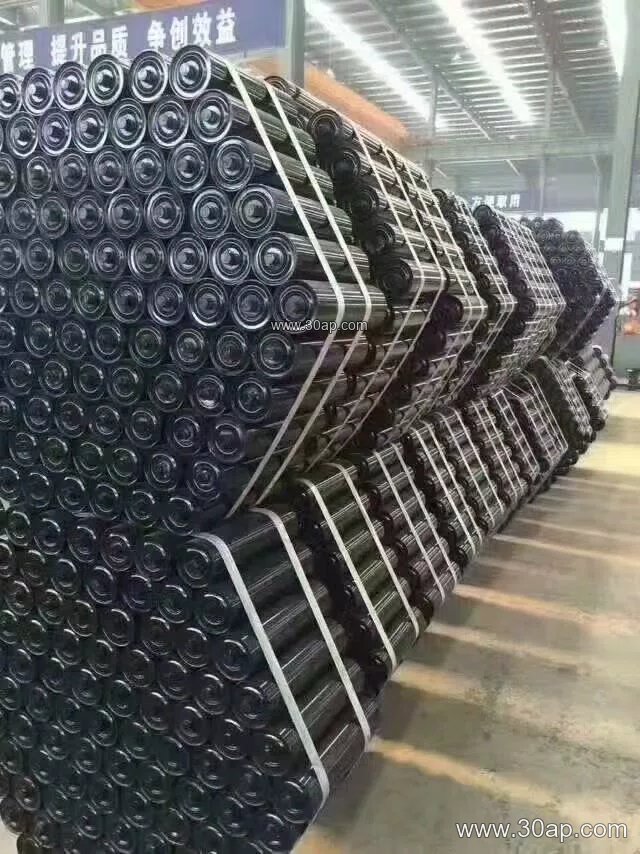
Idler seals appear in carrying idlers, return idlers, impact idlers, and training idlers. They are equally important on a heavy-duty mining conveyor belt and on a smaller aggregate conveyor belt. In a stone crushing line, the belt is often exposed to sharp rock dust; in a port ship loading conveyor, salt air and moisture are the main concerns. The seal design may vary with the environment: a double-lip seal is common where water spray is present, while a seal with an added dust lip suits dry, powdery conditions in a cement plant or a lime plant. The idler seal is not interchangeable with the pulley seal used on a drive pulley, tail pulley, or bend pulley; those are different assemblies. When comparing, note that a conveyor pulley has its own sealing needs, but the idler roller seal is specific to the idler’s smaller bearing cavity.
Choosing the Right Idler Seal
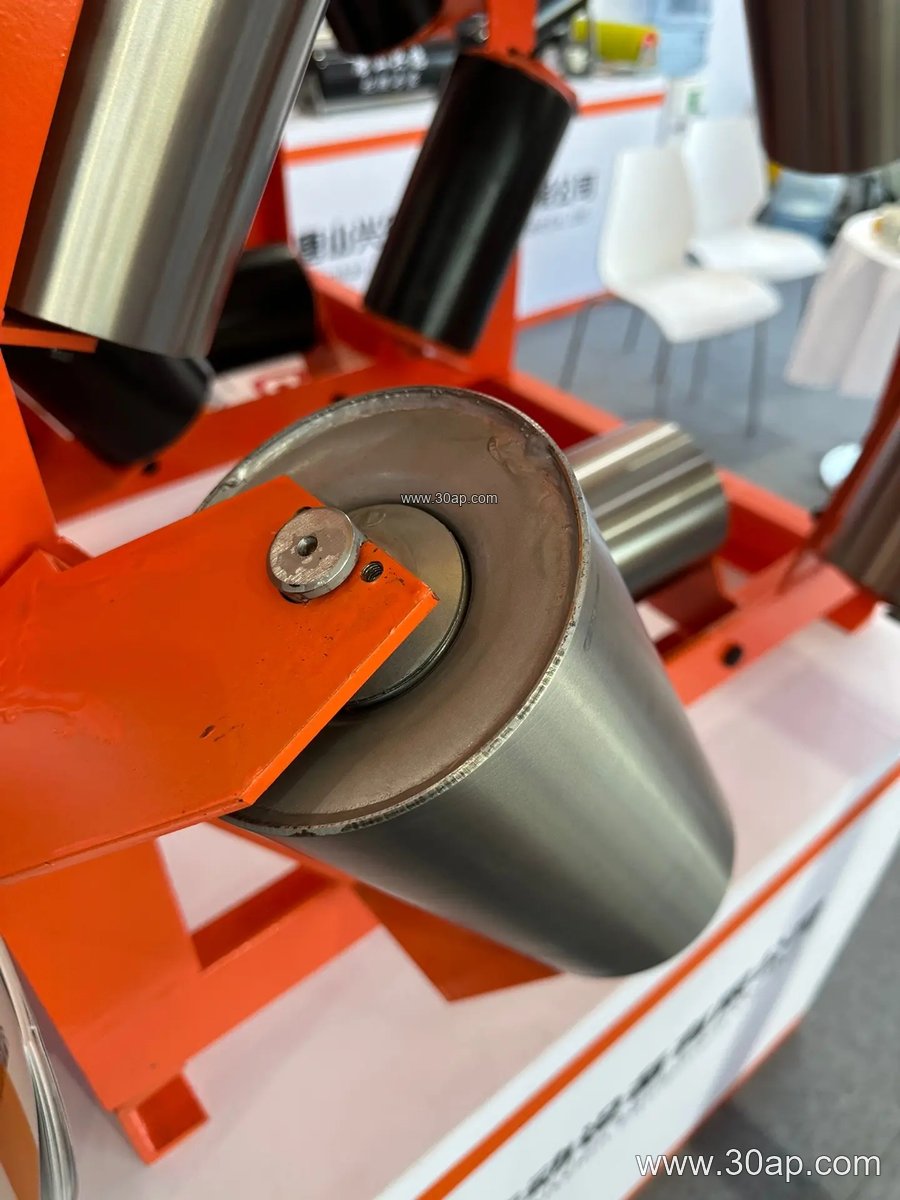
Buyers should match the seal to the idler roller’s bearing and shaft dimensions, not just to the belt width. A Ø89 idler with a 6204 bearing will use a different seal than a Ø159 idler with a 6310 bearing. Common bearing numbers for idlers include 6204, 6205, 6305, 6306, 6308, and 6310; the seal must fit the corresponding housing. The idler’s roller surface also matters: a steel tube idler and a rubber-disc impact idler may use different end caps and seals. For a conveyor belt in a fertilizer plant, chemical resistance may be needed; for a cold-climate iron ore mine, the seal material should remain flexible at low temperatures. Always ask for the idler’s end-cap drawing or seal part number rather than assuming a standard size. The seal’s axial and radial dimensions should match the housing bore and shaft diameter as specified by the idler maker.
Installation and Maintenance Notes
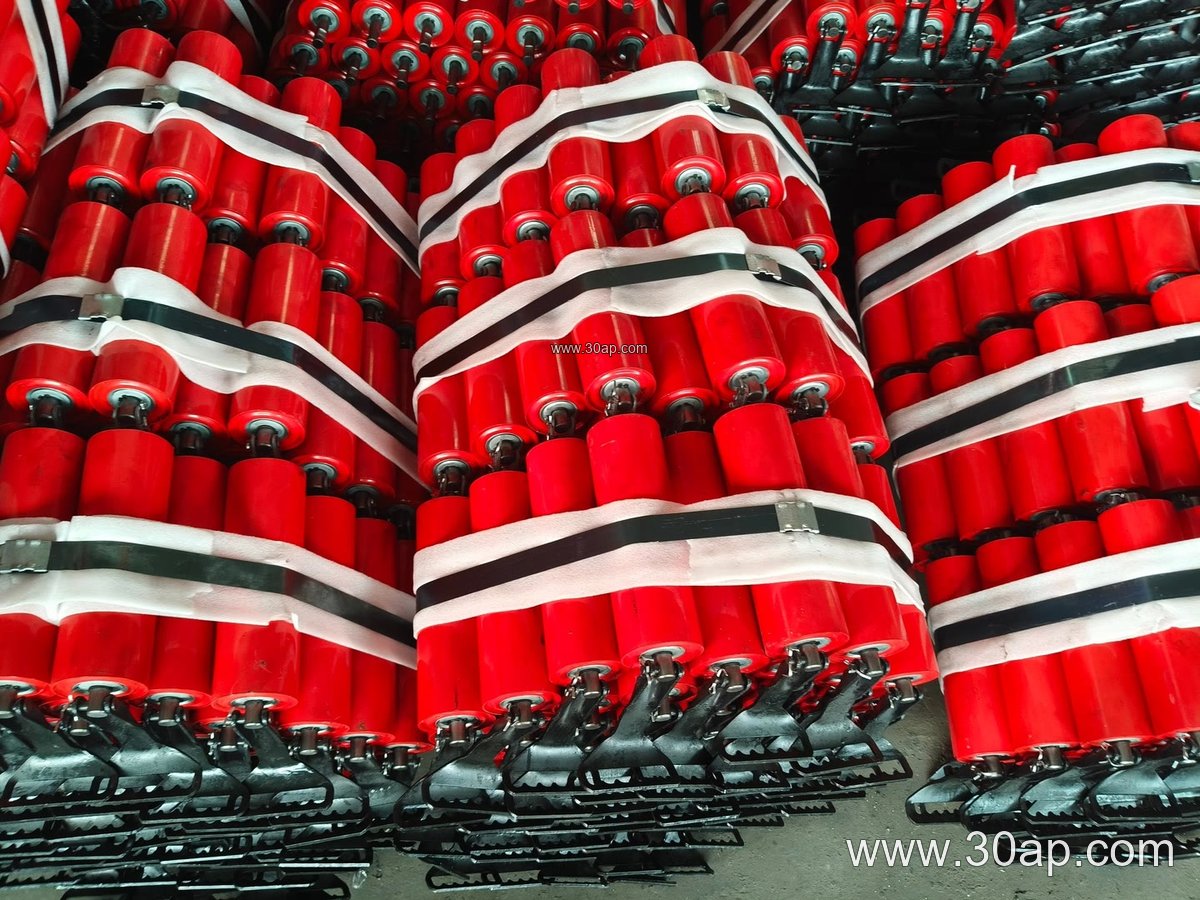
During idler replacement, inspect the seal and the bearing housing for wear. A damaged seal should be replaced before it scores the shaft or lets grit into the bearing. Keep the seal lip clean during installation and avoid prying it with sharp tools. In a coal mining conveyor belt system, frequent wash-down can push water past a worn lip, so periodic inspection of return idlers and impact idlers is wise. Lubricant type should match the seal material; some greases can degrade certain elastomers. If an idler roller is rebuilt, use a seal that matches the original specification for lip material, case material, and dimensions. A small investment in the correct idler seal helps protect the idler roller, the conveyor belt, and the surrounding conveyor brackets and pulley assemblies from premature failure.
Key Parameters at a Glance
The following reference values are common examples, not fixed pairings. Actual idler seal dimensions depend on the specific idler design.
| Idler OD (mm) | Common Bearing | Typical Seal Type | Typical Application |
|---|---|---|---|
| Ø63–Ø89 | 6204, 6205 | Single-lip or double-lip | Light-duty aggregate conveyor |
| Ø102–Ø133 | 6305, 6306 | Double-lip with dust lip | Quarry and cement plant |
| Ø159–Ø194 | 6308, 6310 | Heavy-duty double-lip | Mining and power plant coal handling |
| Ø219 | 6310 or larger | Heavy-duty sealed | High-capacity bulk material conveyor |
Belt widths such as B500, B800, B1200, and B1600 influence idler roller length and load, but they do not dictate a single seal size. Use the idler manufacturer’s drawing to confirm the seal bore, outer diameter, and lip configuration. For conveyors using an EP conveyor belt or a steel cord conveyor belt, the idler seal still follows the idler’s bearing and housing design. The same applies to lines handling abrasive rock or hot clinker: the seal material must suit the temperature and dust load. When in doubt, consult the idler supplier with the bearing number and shaft diameter.