What a Galvanized Conveyor Bracket Does
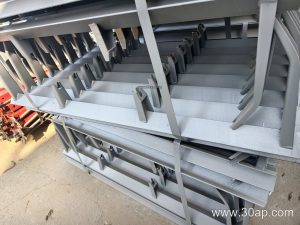
A galvanized conveyor bracket is the structural support that holds idler rollers in place along a belt conveyor. Often called a galvanized conveyor support bracket or galvanized idler bracket, it connects the roller frame to the conveyor stringer and keeps the belt profile stable under load. In a quarry, a cement plant, or a power plant coal yard, these brackets are bolted or welded to the conveyor frame at regular intervals. The galvanized coating is a zinc layer that resists moisture and corrosive dust, which makes the bracket suitable for outdoor yards, wash-down areas, and humid tunnels.
How the Bracket Is Built
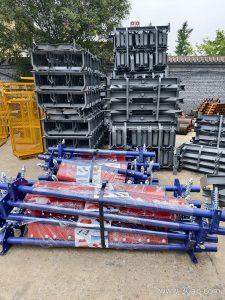
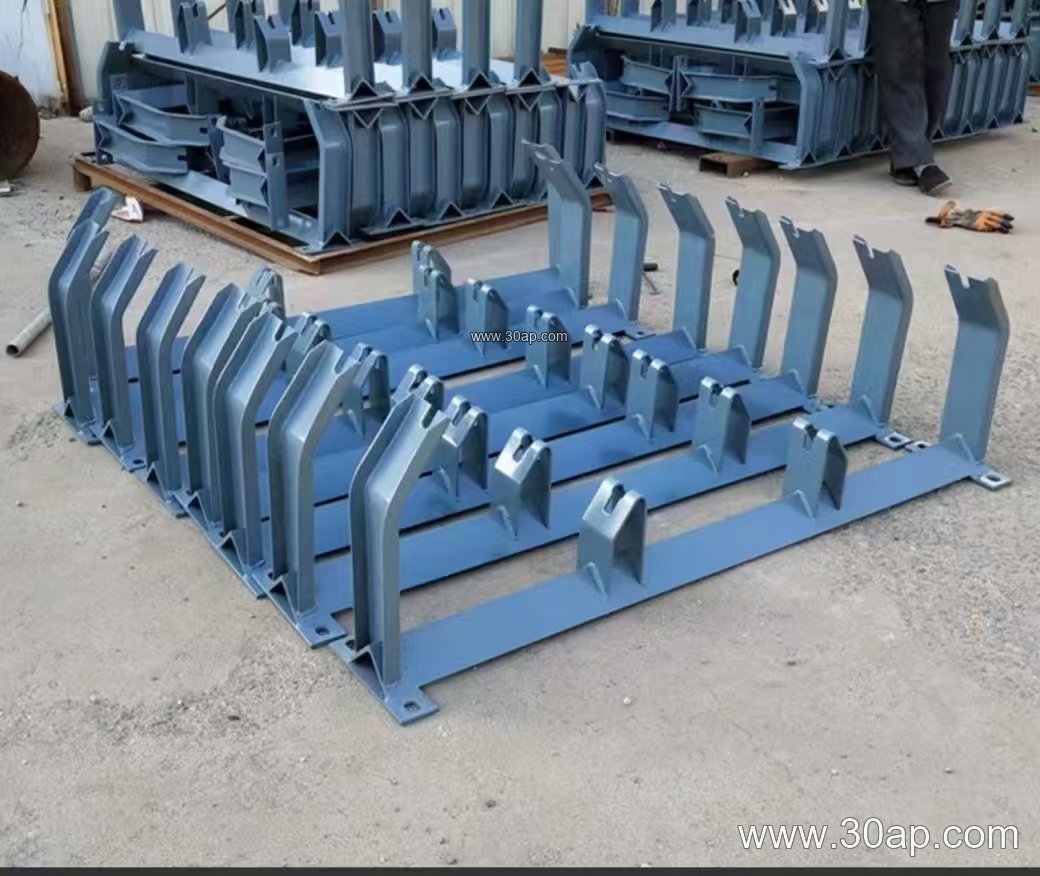
Most brackets are fabricated from angle steel, channel steel, or folded steel plate. The galvanizing process — usually hot-dip — coats the finished shape inside and out, including bolt holes and edges. This matters because brackets often sit in splash zones or under wet material. A well-made bracket has accurate mounting holes, a reinforced base, and a roller seat that matches the chosen idler diameter. For troughing positions, the bracket may be fixed at a set trough angle or built as an adjustable bracket that can be set between common angles.
Typical Material and Surface Forms
- Angle steel body with drilled mounting slots
- Channel steel or folded plate frame for heavier loads
- Hot-dip galvanized surface for corrosion resistance
- Adjustable slot design for trough angle changes
Where It Fits on the Conveyor
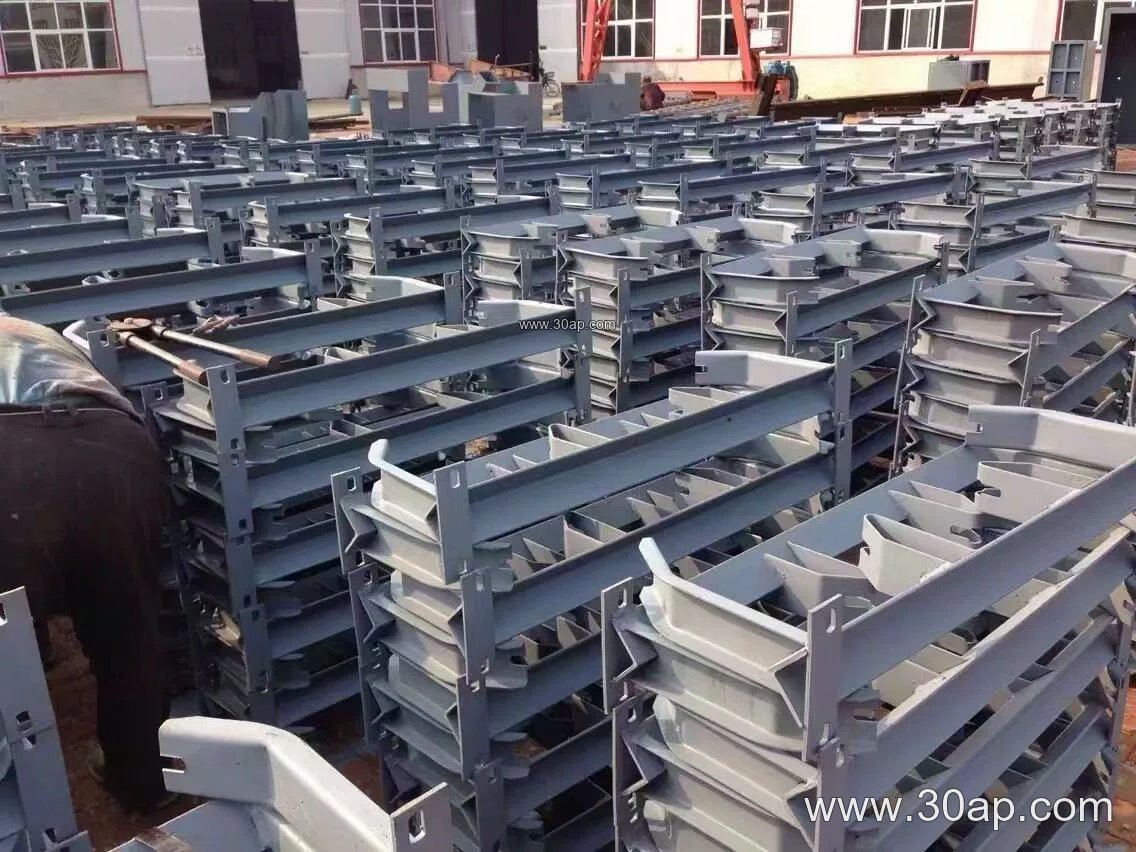
Brackets appear in several positions, and the position determines the shape. A troughing bracket carries the three-roller arrangement that shapes the belt into a trough. A return bracket supports the belt on the return run, often as a flat or V-return set. Impact brackets sit under the loading point to absorb fall energy from rock or ore. Transition brackets help the belt change from flat to troughed without stressing the edges. Self-aligning brackets allow the idler set to pivot slightly and correct minor belt wander.
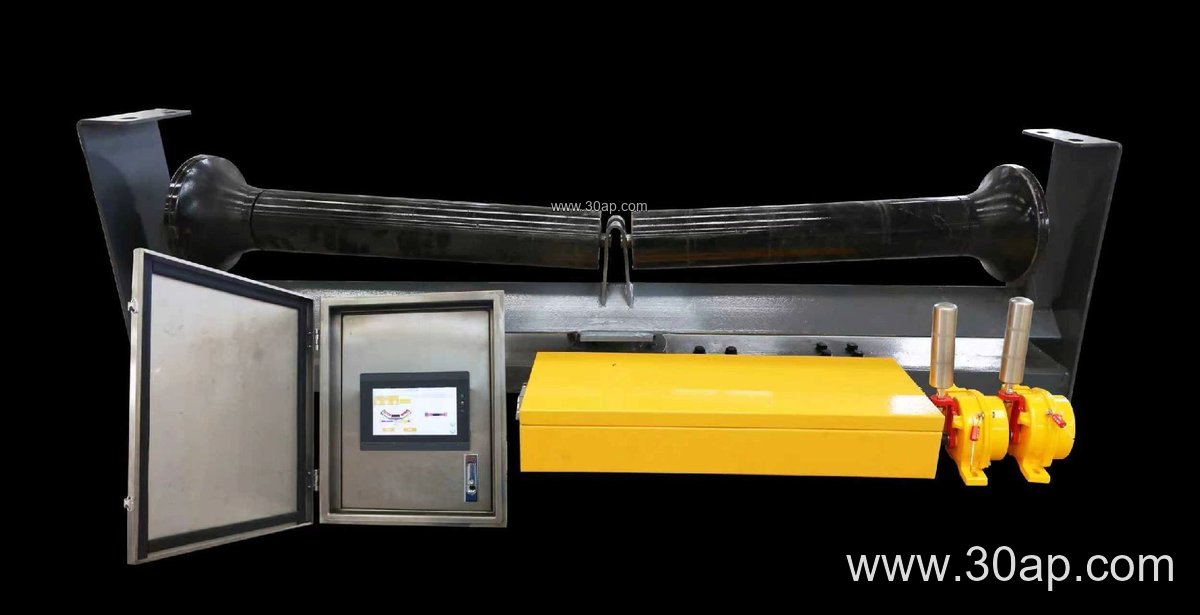
These brackets are common in sand and gravel lines, iron ore plants, limestone quarries, and cement conveyor systems. They also appear in tunnel spoil removal and fertilizer handling. In each case the bracket works with the conveyor belt and the idler roller to keep the line tracking and stable.
Matching Bracket to Belt and Roller
Belt width, trough angle, and roller diameter are chosen together. A wider belt usually needs a longer cross beam and a bracket that matches that span. The trough angle affects how the side rollers sit in the bracket seat. Common trough angles are 20, 30, 35, and 45 degrees; adjustable brackets can move between these settings. Forward-leaning brackets are sometimes set at about 1.5 to 2 degrees to help belt tracking.
Roller diameters such as Ø89, Ø108, Ø133, Ø159, and Ø194 are common, but the right choice depends on belt speed, load, and idler series. A bracket designed for Ø108 will not correctly seat a Ø159 roller without the matching seat. The table below shows reference combinations — not fixed rules.
Reference Combinations for Common Belt Widths
| Belt Width | Trough Angle | Common Roller Diameter | Bracket Note |
|---|---|---|---|
| B500 | 20° or 30° | Ø89 | Light-duty fixed bracket |
| B650 | 30° or 35° | Ø89 or Ø108 | Fixed or adjustable bracket |
| B800 | 35° | Ø108 | Standard troughing bracket |
| B1000 | 35° or 45° | Ø108 or Ø133 | Reinforced bracket for higher load |
| B1200 | 45° | Ø133 | Adjustable bracket common |
| B1400 | 35° or 45° | Ø133 or Ø159 | Heavy frame, longer cross beam |
| B1600 | 35° or 45° | Ø159 | Heavy-duty bracket |
| B1800 | 45° | Ø159 or Ø194 | Wide span, reinforced base |
| B2000 | 45° | Ø194 | Wide conveyor bracket |
| B2200 | 45° | Ø194 | Extra-wide support design |
Mounting hole spacing and cross beam length change with belt width and trough angle. They are not universal numbers. Do not assume a given belt width forces one trough angle or one roller diameter.
Adjustable or Fixed
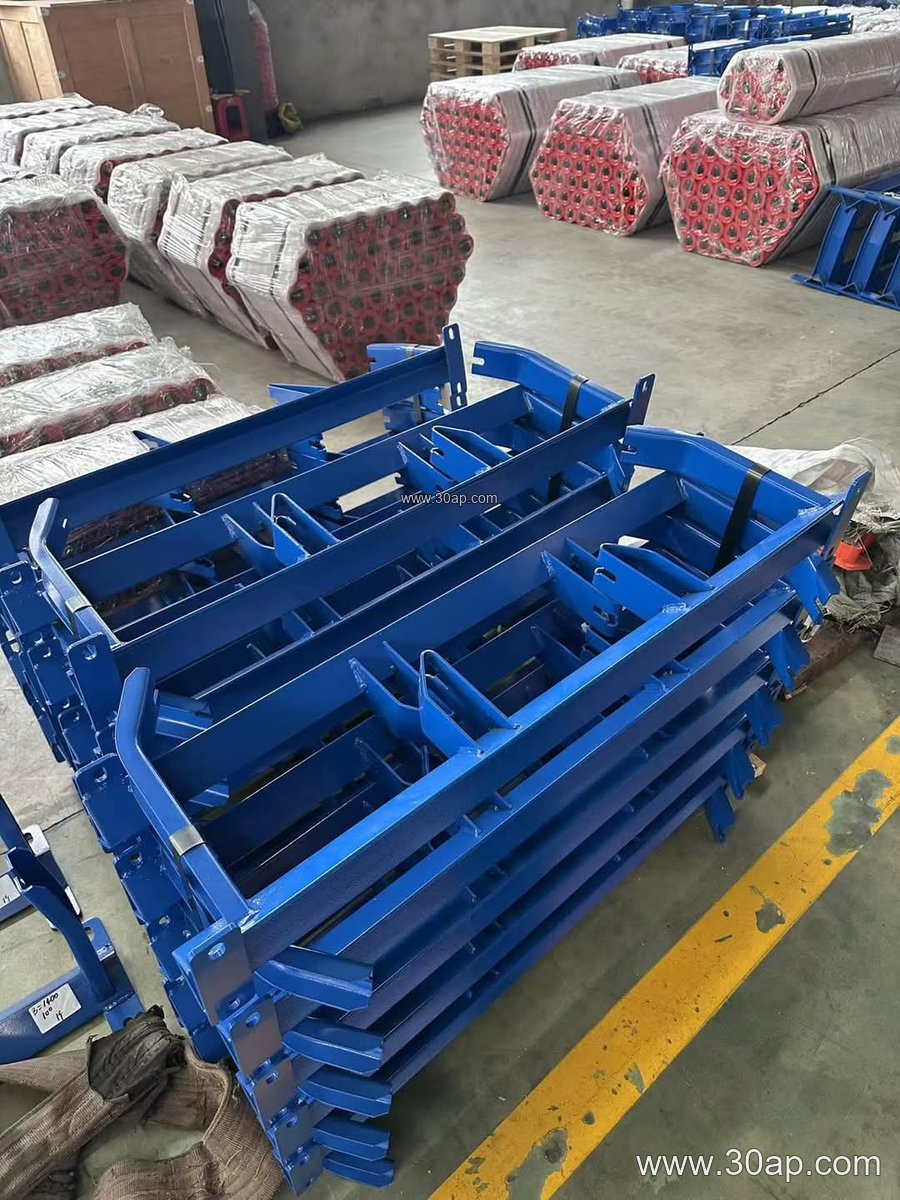
Fixed brackets are simple and rigid. They suit lines where the trough angle and roller size are set for the life of the installation. Adjustable brackets cost more but allow the maintenance team to change trough angle or compensate for wear. On a coal mining conveyor or a steel cord conveyor belt line with heavy loads, the bracket choice should match the idler frame and the belt stiffness. Mixing bracket types along one stringer can cause uneven belt support.
Buyer Checklist
- Confirm belt width and trough angle before ordering.
- Match the bracket seat to the actual roller diameter.
- Check galvanized coating thickness and edge coverage.
- Ask for mounting hole dimensions, not just a photo.
- For corrosive or wet service, confirm the galvanizing standard used.
- Check that the bracket fits the stringer spacing and bolt pattern.
A galvanized conveyor bracket is a small part with a large effect on belt life. When it matches the roller, the belt, and the frame, the conveyor runs straighter and the conveyor pulley and belt last longer. For heavy abrasive service, pair the bracket with an abrasion resistant conveyor belt and check the idler seating at every splice.