What Conveyor Bracket Fabrication Involves
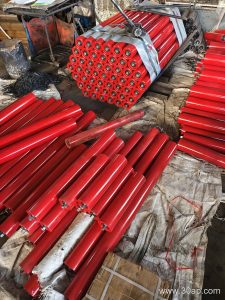
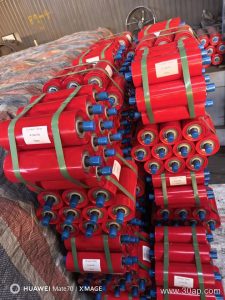
Conveyor bracket fabrication is the process of cutting, forming, and assembling the structural supports that hold idler rollers and define the belt path on a conveyor system. These brackets—often called idler frames or roller stands—are the interface between the conveyor belt and the supporting structure. In a quarry, a coal preparation plant, or a cement kiln feed line, the quality of this fabrication directly affects belt tracking, roller life, and maintenance frequency.
The work is not simply bending steel. It requires matching the bracket geometry to the belt width, trough angle, and roller diameter so that the conveyor belt runs centered and the idler roller carries load evenly. A poorly fabricated bracket can cause edge damage, spillage, and premature bearing failure.
Materials and Build Methods
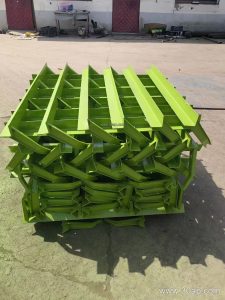
Fabricators typically work with angle steel, channel steel, or folded steel plate. The choice depends on load and environment. For a heavy-duty mining conveyor belt carrying ore, channel steel frames with reinforced gussets are common. In a sand and gravel plant where corrosion is less severe, folded plate brackets can be sufficient.
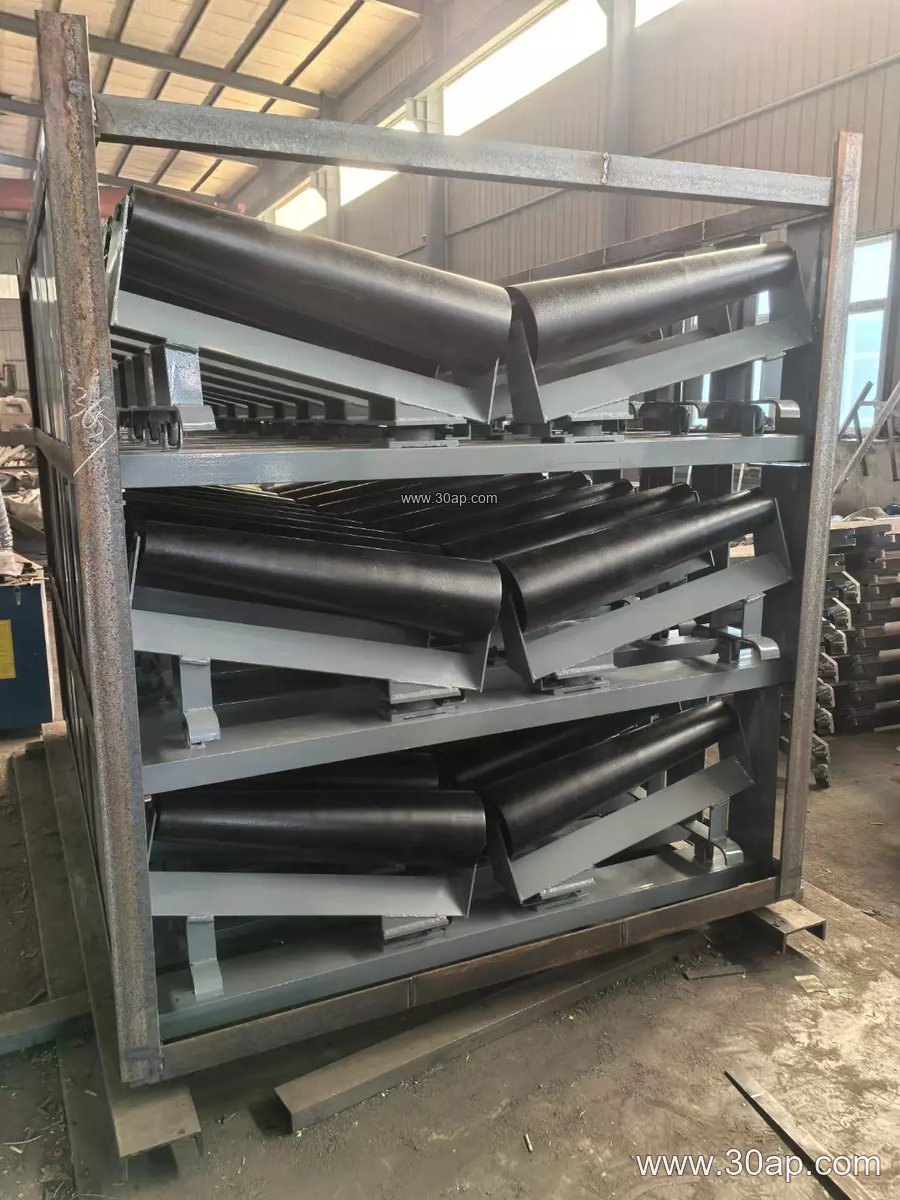
Fabrication steps usually include:
- Cutting and drilling mounting holes to match the conveyor stringer spacing
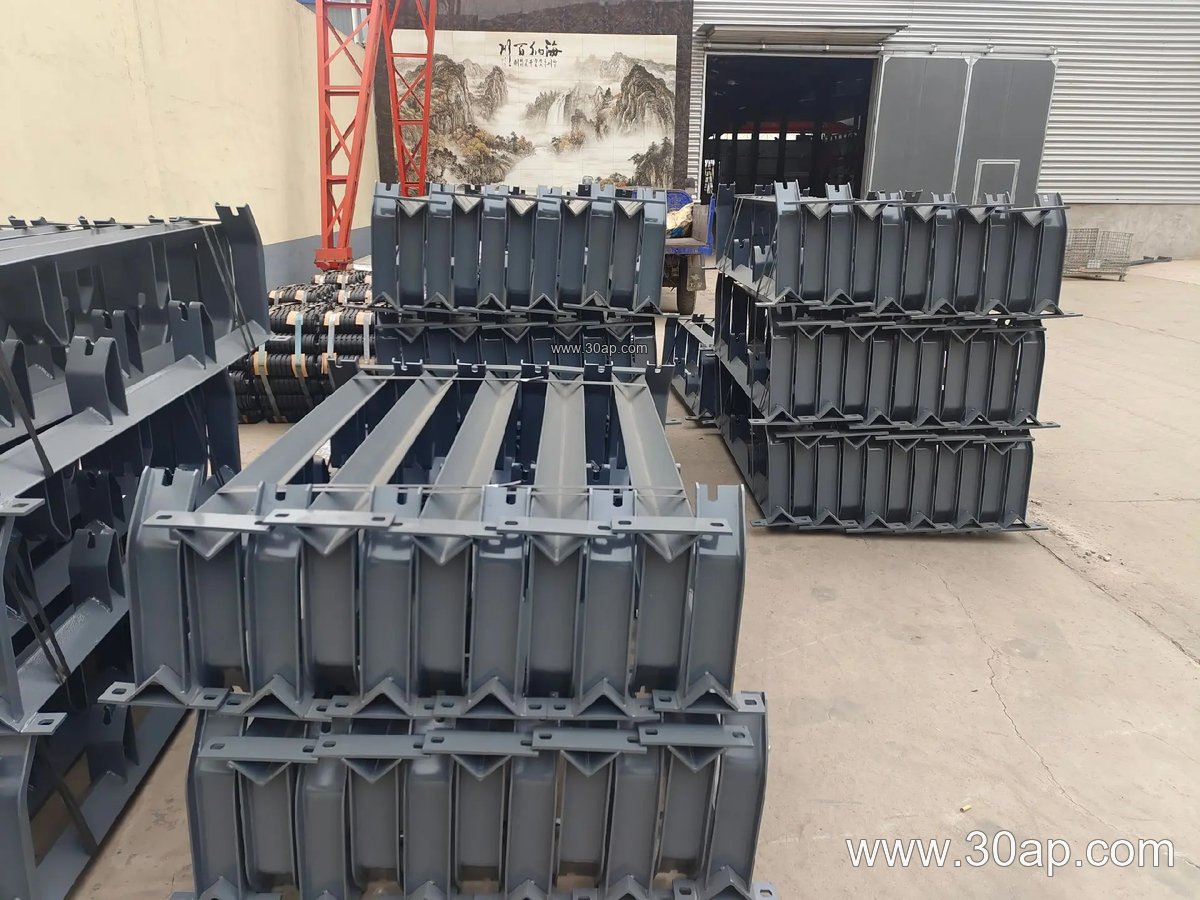
- Forming the trough shape for carry-side brackets
- Welding or bolting roller seats and end stops
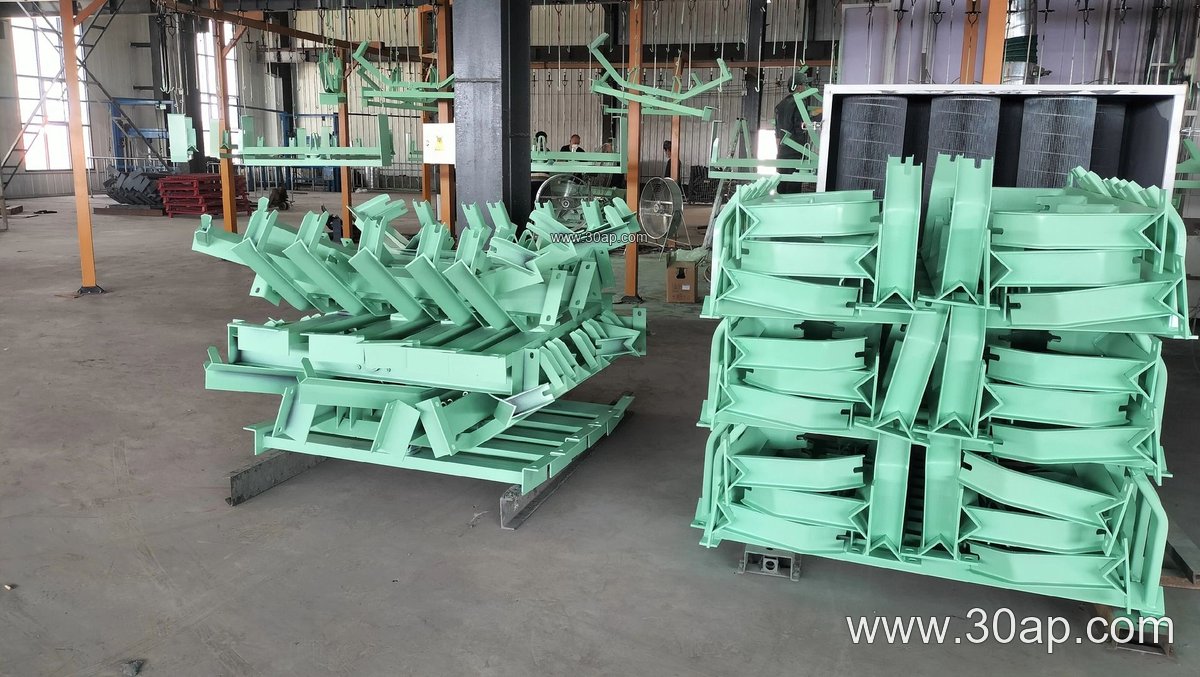
- Surface treatment such as painting or galvanizing
Installation hole spacing and crossbeam length are not fixed numbers; they change with belt width and trough angle and are confirmed per design drawing.
Common Bracket Types and Their Roles
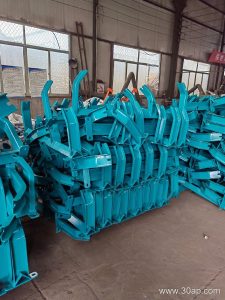
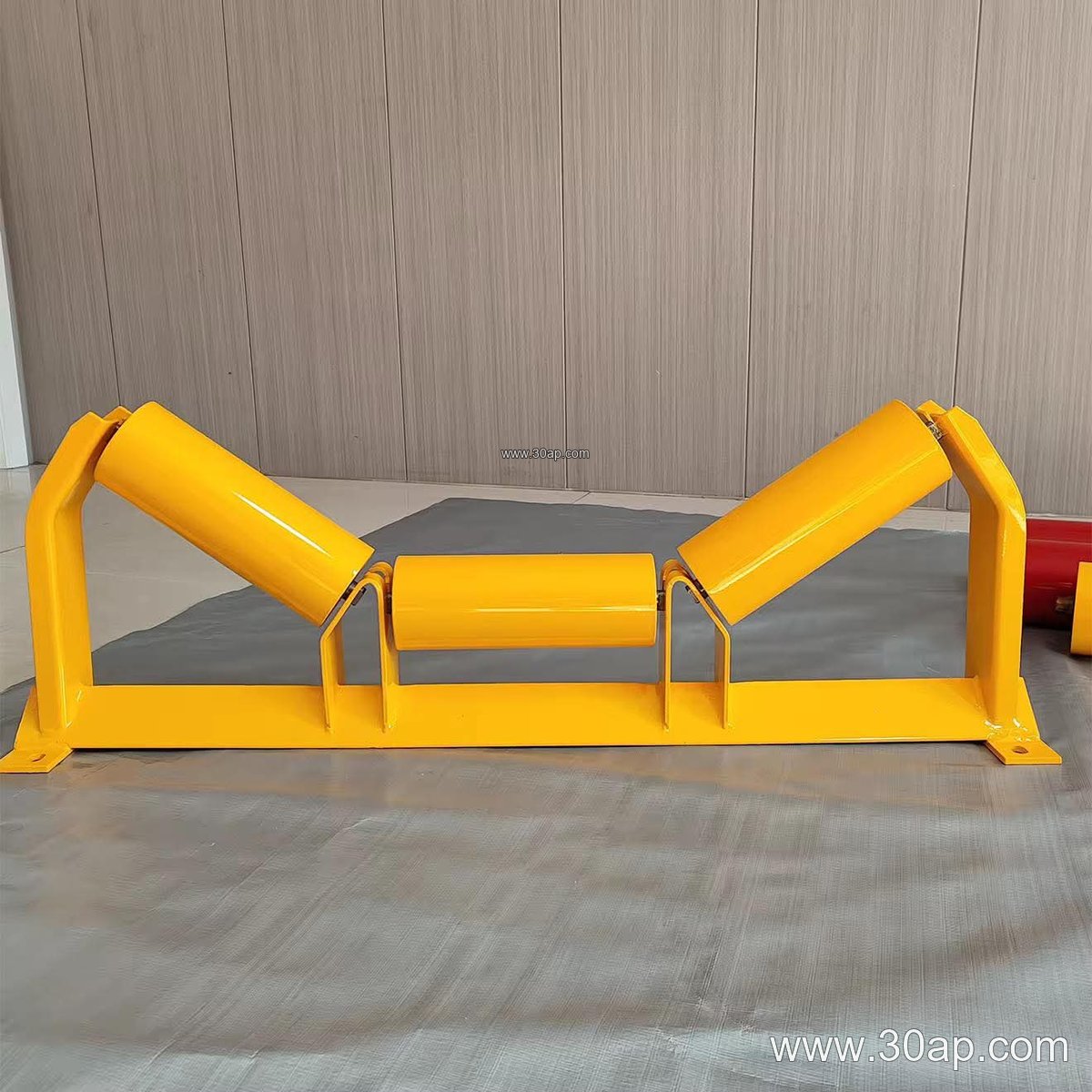
The fabrication scope often covers several bracket families. Trough brackets (carry-side) support the loaded belt, while return brackets hold the belt on the return run. Transition brackets guide the belt from flat to troughed profile near pulleys. Impact brackets with rubber cushions are used at loading points to absorb shock from falling material.
Self-aligning brackets and forward-leaning brackets help correct belt misalignment. Adjustable brackets allow the trough angle to be set between common values such as 20, 30, 35, or 45 degrees. For comparison, a bend pulley changes belt direction, while a bracket only supports the belt line—the two are not interchangeable.
Matching Brackets to Belt and Roller
Fabrication drawings usually reference belt width, trough angle, and roller diameter together. Typical combinations include B800 with 35 degrees and Ø108 rollers, or B1200 with 45 degrees and Ø133 rollers. These are common references, not fixed rules; the same belt width may use different roller diameters depending on load and speed.
| Belt Width (B) | Common Trough Angle | Typical Roller Diameter |
|---|---|---|
| B650 | 30° | Ø89 |
| B800 | 35° | Ø108 |
| B1000 | 35° | Ø108 / Ø133 |
| B1200 | 45° | Ø133 |
| B1400 | 45° | Ø159 |
| B1600 | 45° | Ø159 / Ø194 |
Forward-leaning brackets are often set at about 1.5 to 2 degrees to improve belt centering. Adjustable versions let maintenance teams fine-tune the trough angle after installation.
Where Fabricated Brackets Are Used
These structures appear wherever a conveyor belt runs on idler rollers. In an iron ore mine, heavy-duty brackets support high-abrasion loads. In a power plant coal yard, flame retardant conveyor belt systems rely on sturdy frames to keep the belt aligned through transfer points. A limestone quarry may use impact brackets at the crusher discharge, while a fertilizer plant might specify corrosion-resistant finishes.
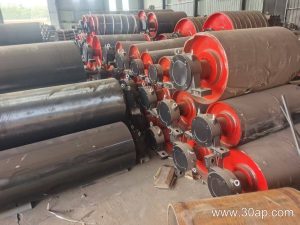
In each case, the bracket must suit the conveyor pulley layout and the belt’s running direction. Drive, tail, and bend pulleys each have distinct roles, and bracket fabrication must leave adequate clearance for them.
Buyer Checklist for Conveyor Bracket Fabrication
Before placing an order, confirm the following with the fabricator:
- Belt width and required trough angle range
- Roller diameter and mounting hole dimensions
- Material thickness and surface treatment
- Whether fixed or adjustable brackets are needed
- Compatibility with the existing conveyor pulley and stringer spacing
Ask for fabrication drawings that show hole spacing and crossbeam length, since these are design-specific. A bracket that fits one conveyor may not fit another even when the belt width is the same.
For more information on matching brackets with conveyor belt and idler roller systems, visit our site at www.example.com/conveyor-bracket.