What a Mining Fire Resistant Conveyor Belt Is
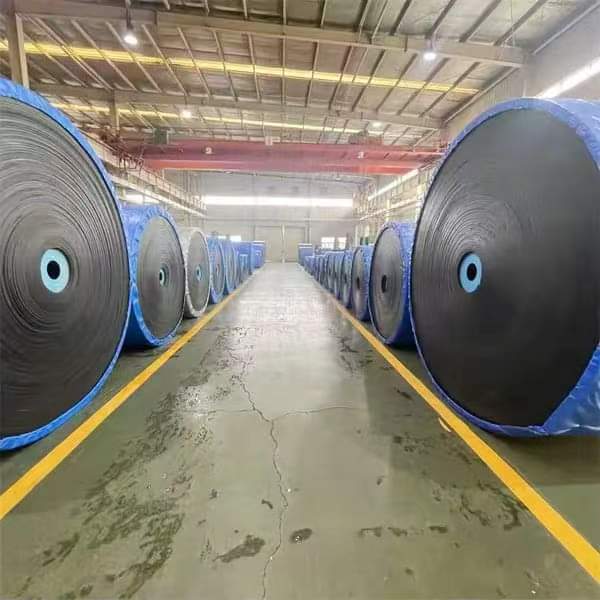
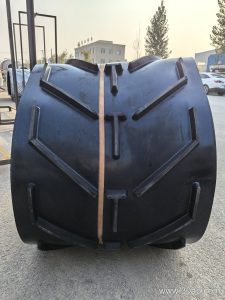
A Mining Fire Resistant Conveyor Belt is a rubber or PVC/PVG belt engineered to resist ignition and limit flame spread when it operates underground or in other dusty, enclosed areas. The accurate equivalent name for the same product is flame retardant conveyor belt. Both terms describe belting that carries coal, ore, or waste rock while meeting fire safety expectations for the site. These belts also usually include antistatic properties, because static discharge can be a real risk around coal dust and methane.
Construction and Materials
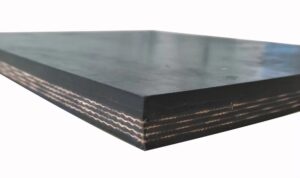
The belt is built around a tension-carrying carcass. Common options include EP fabric, NN nylon fabric, and steel cord. Fabric belts often have two to six plies, while steel cord belting uses a single layer of cables for higher strength. Cover rubber is applied to both sides. Typical cover combinations include 3+1.5 mm, 4+2 mm, 5+2 mm, 6+2 mm, or 8+3 mm, with thicker covers for coarse, abrasive material.
Fire resistance comes from the compound, not from a single additive. The rubber may contain halogenated or non-halogenated flame retardants, and the formulation is balanced with antistatic agents and wear-resistant fillers. The result is a belt that will not easily sustain a flame after the ignition source is removed. PVC and PVG belting are solid-woven or fabric-reinforced constructions that also provide flame resistance, and they are often chosen for underground coal haulage where a lighter, more flexible belt is preferred.
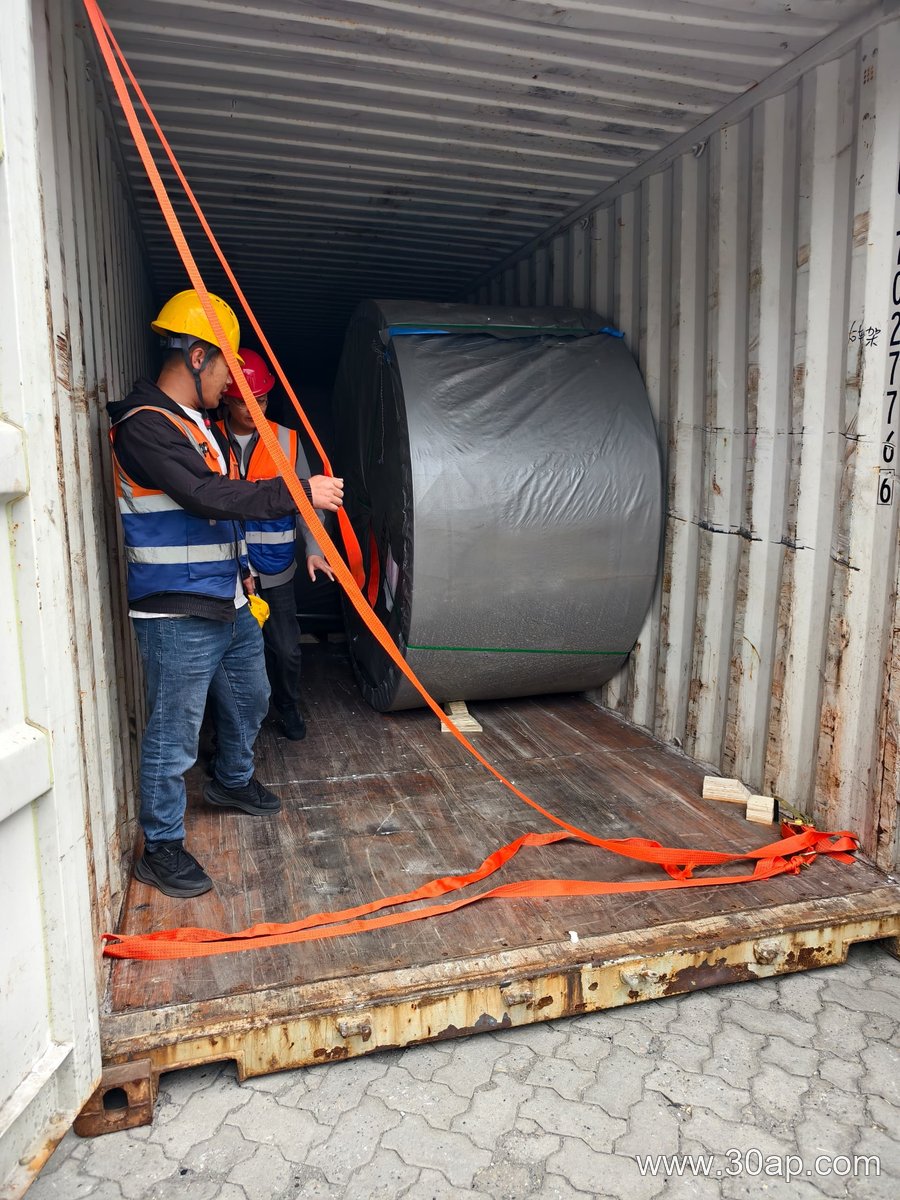
Where It Is Used
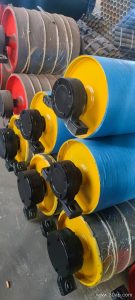
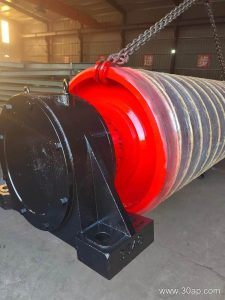
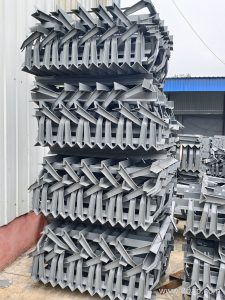
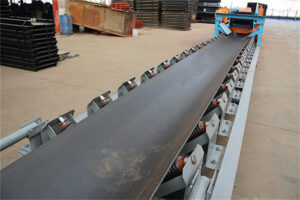
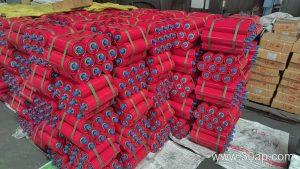
The main application is underground mining, especially coal mines where conveyor systems run long distances through restricted tunnels. The belt also appears in ore handling plants, transfer towers, and surface bunkers where dust is present. It works together with idler rollers, conveyor pulleys, and conveyor brackets to form the carrying and return runs. Drive pulleys, tail pulleys, and bend pulleys each have a different function, so a fire resistant belt must be selected with the full conveyor layout in mind.
Other belting types exist for specific duties. A heat resistant belt is used when the material is hot, and an oil resistant belt is used when grease or fuel contact is expected. These are different from a fire resistant belt, and they are not interchangeable when flame spread is the primary concern.
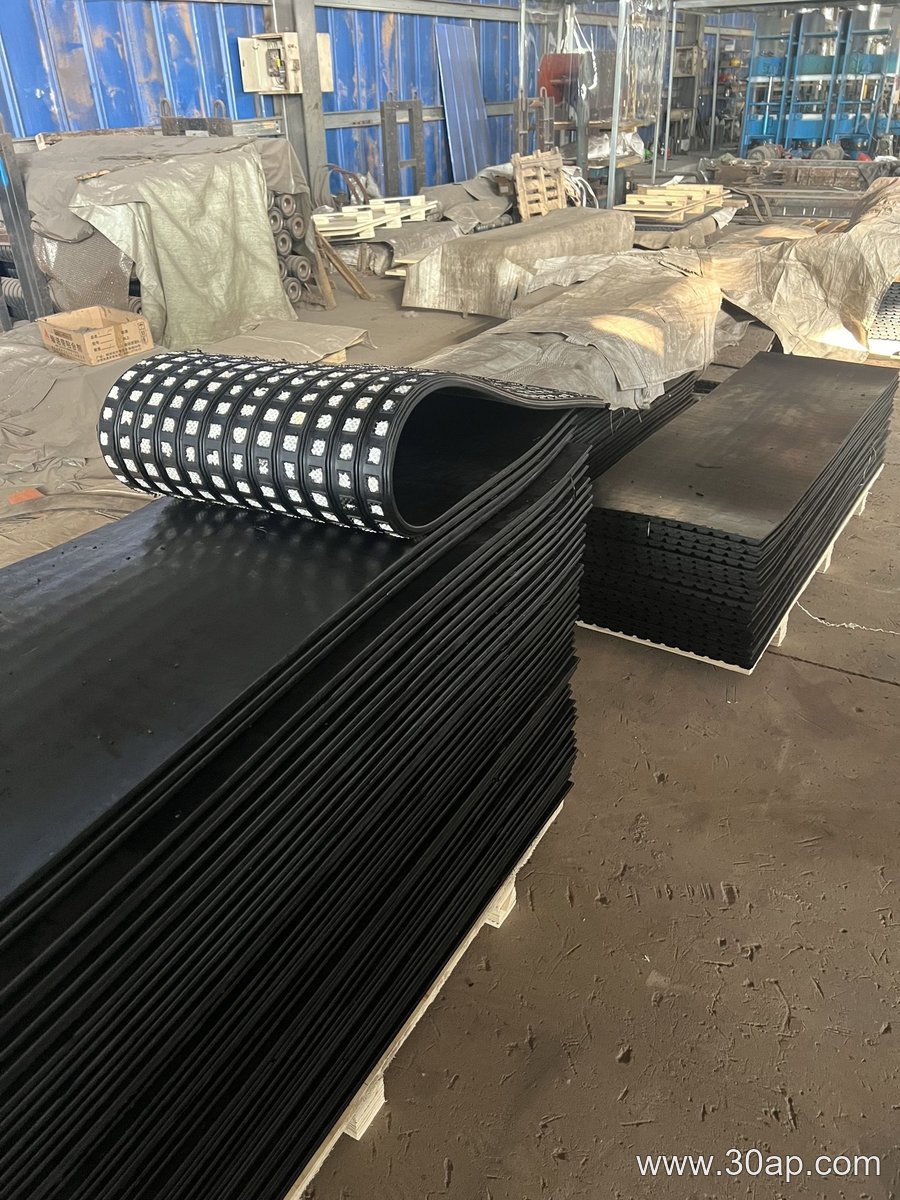
Specifications a Buyer Should Confirm
Strength grades are usually written with a code such as EP200, EP315, EP400, EP630, or EP1000. The number relates to the breaking strength of the carcass, and the required grade depends on the tonnage, the incline, and the pulley diameters. Belt width is another key value. Common widths include B650, B800, B1000, B1200, and B1400, but the correct width is set by the conveyor design, not by habit.
Cover thickness, ply count, and carcass material should all be confirmed against the actual load and the environment. A belt that is too stiff for the pulley size may track poorly, and a belt that is too thin may wear through quickly on sharp ore. Buyers should ask for the fire and antistatic test results that apply to the delivered batch, since factory data can vary between production runs.
Practical Notes for Operators
- Check belt tracking regularly, because a misaligned belt can rub against the structure and create heat.
- Keep idler rollers turning freely, and replace seized rollers before they damage the cover.
- Inspect the belt at splices, since a poor splice can open a path for flame and moisture.
- Store spare belting away from direct sunlight and oil, and keep it dry.
- Match the belt to the pulley diameters and the take-up travel; the belt should not be forced into a tight bend.
A Mining Fire Resistant Conveyor Belt is not a single universal item. It is a family of belting defined by its carcass, cover compound, and safety performance. When the mine plan, the material, and the conveyor geometry are known, the correct belt can be specified with confidence.