What the Ø108 Conveyor Idler Is
The Ø108 conveyor idler is a carrying or return roller with a nominal diameter of 108 mm, widely used in belt conveyor systems to support the conveyor belt and the material load. In many plants it is simply called a 108 idler roller or a Ø108 carrying idler, and it belongs to the family of idler rollers that keep the belt tracking smoothly along the conveyor structure. The size sits between smaller units such as Ø89 and heavier options like Ø127, making it a common choice for medium-duty to heavy-duty conveyors in quarry, cement, and power plant applications.
This idler is not a drive pulley, tail pulley, or bend pulley; those are separate components that transmit power or change belt direction. The Ø108 idler roller works together with the conveyor belt, conveyor bracket, and conveyor pulley to form a complete conveying line.
How a Ø108 Idler Roller Is Built
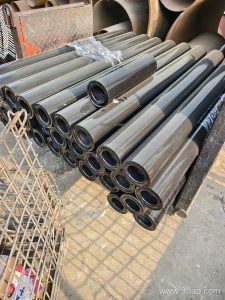
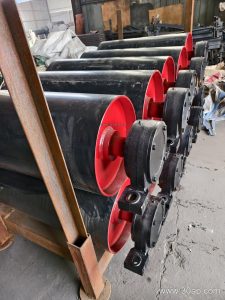
A typical Ø108 conveyor idler consists of a steel tube shell, bearing housings, a shaft, and sealing arrangements. The roller surface may be plain steel, nylon, ceramic, or rubber rings depending on the duty. Bearing sizes commonly used in this diameter range include 6204, 6205, 6305, 6306, and 6308, but the exact bearing is selected according to load and speed rather than fixed to the diameter alone.
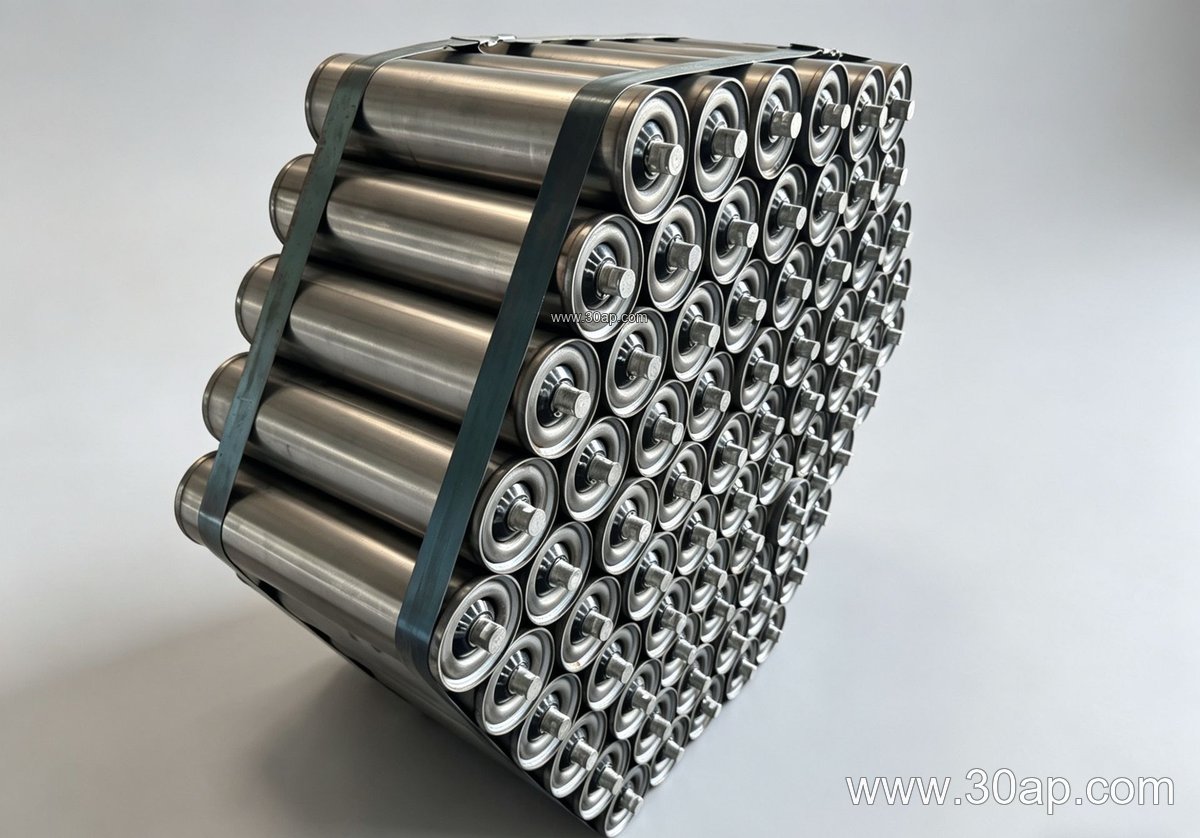
Sealing is critical in dusty environments such as coal mines, limestone quarries, and cement plants. A well-designed labyrinth seal helps keep fine particles out of the bearing cavity, extending service life. The shaft ends are usually flattened or machined to fit standard conveyor brackets, allowing quick replacement on the conveyor frame.
Common Forms and Arrangements
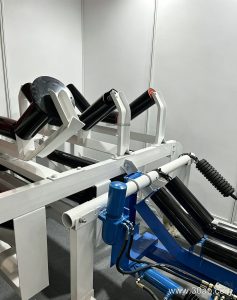
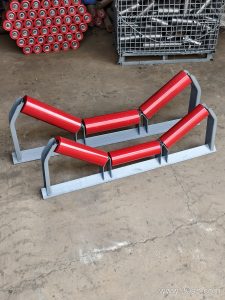
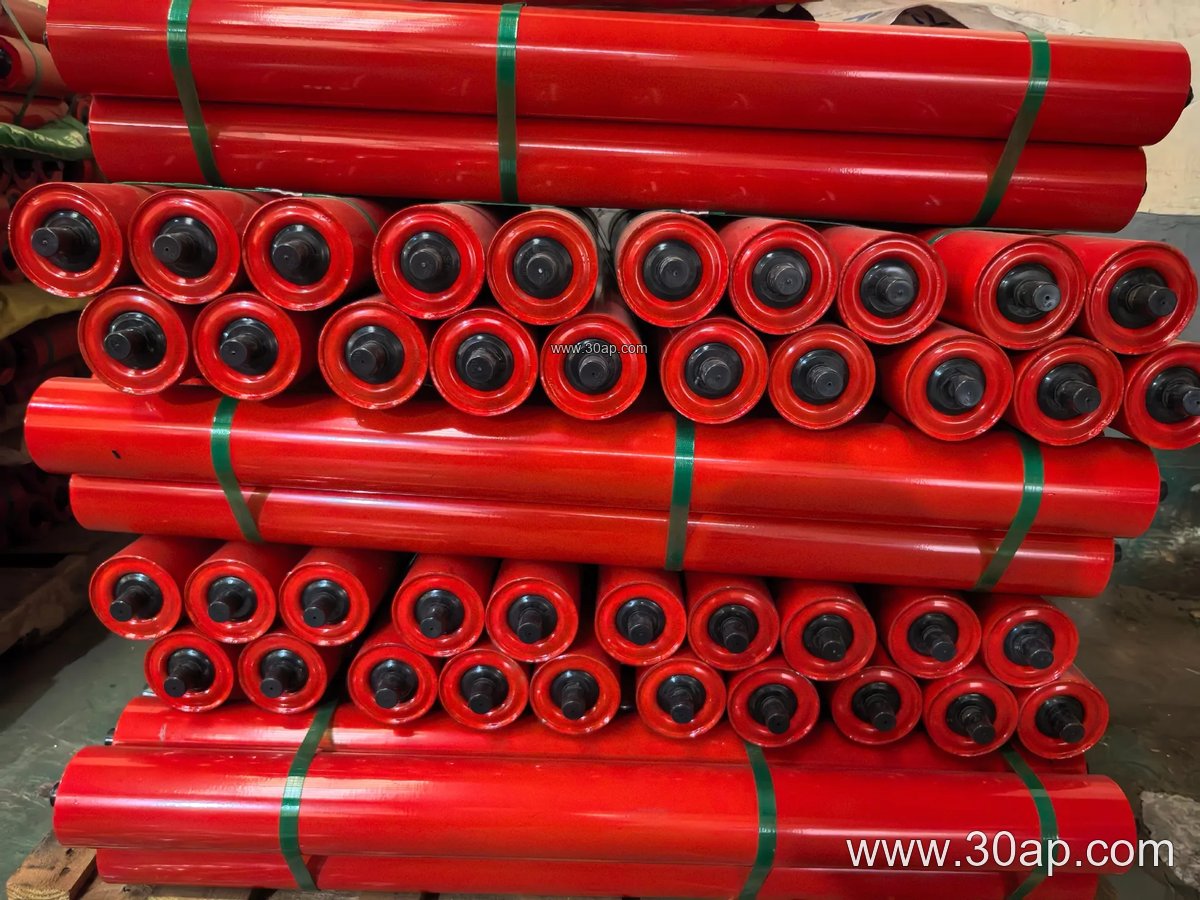
The Ø108 idler can be supplied as a single roller, a two-roll set, or a three-roll troughing set. Troughing angles of 20, 30, 35, and 45 degrees are common, and the choice affects how the belt forms its load profile. For transition zones near pulleys, transition idlers may be used to gradually change the belt shape. Return side arrangements include flat return rollers and V-return rollers.
Roller length varies with belt width and trough angle. For reference, a three-roll troughing set may use roller lengths of approximately 200 mm for B500, 250 mm for B650, 315 mm for B800, 380 mm for B1000, 465 mm for B1200, 530 mm for B1400, 600 mm for B1600, 670 mm for B1800, and 750 mm for B2000. These are common examples only; side rollers and center rollers can differ, and final dimensions are determined by the conveyor design.
Typical reference dimensions for Ø108 idlers
| Belt width | Common roller length (three-roll troughing) | Typical trough angle |
|---|---|---|
| B500 | 200 mm | 20–35° |
| B650 | 250 mm | 20–35° |
| B800 | 315 mm | 30–35° |
| B1000 | 380 mm | 30–35° |
| B1200 | 465 mm | 30–45° |
| B1400 | 530 mm | 30–45° |
| B1600 | 600 mm | 35–45° |
| B1800 | 670 mm | 35–45° |
| B2000 | 750 mm | 35–45° |
These values are indicative and should be confirmed against the conveyor layout. The Ø108 size is not mandatory for every belt width, and other diameters such as Ø127 or Ø133 may be more suitable for very wide or high-load belts.
Where the Ø108 Conveyor Idler Is Used
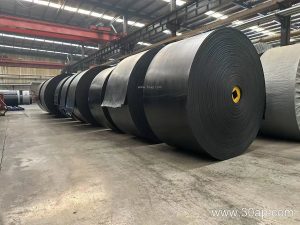
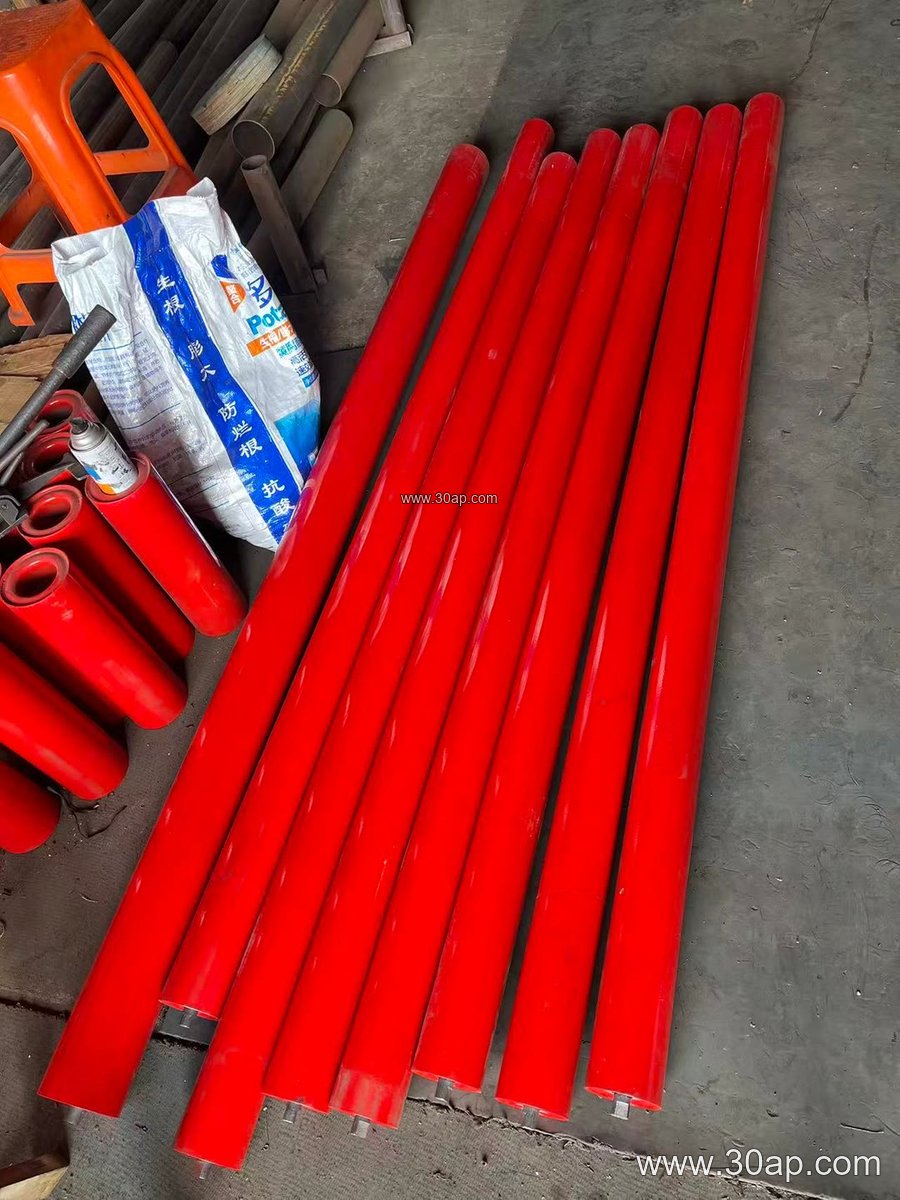
This idler diameter is frequently seen in aggregate plants, cement kiln feed lines, and coal handling systems at power stations. In a quarry or sand making plant, Ø108 troughing idlers support abrasive rock and aggregate loads, often paired with abrasion resistant conveyor belt or EP conveyor belt constructions. In a coal mining conveyor, flame retardant conveyor belt and anti-static properties may be required, and the idler must be selected with appropriate sealing for dusty conditions.
Other applications include iron ore handling, copper ore transport, and general bulk material conveyors. Where the belt carries hot clinker or sinter, heat resistant conveyor belt grades may be used, and the idler bearing lubricant should match the temperature. The same Ø108 idler roller can serve as a return roller under the belt, helping to control belt sag and reduce friction.
Buyer Checklist for Ø108 Idlers
- Confirm the belt width, trough angle, and whether a two-roll or three-roll arrangement is needed.
- Specify the roller surface: plain steel, rubber ring, nylon, or ceramic, according to abrasion and material buildup.
- Check bearing size and seal type against the environment; dusty coal or cement service demands better sealing.
- Verify shaft end dimensions and bracket compatibility before ordering.
- Ask for dimensional drawings and material certificates where required, but avoid assuming one bearing fits every Ø108 idler.
For more information on matching idlers with conveyor belt and pulley systems, visit our product pages at conveyor idler and conveyor belt.