What a Rubber Lagged Pulley Does on a Conveyor
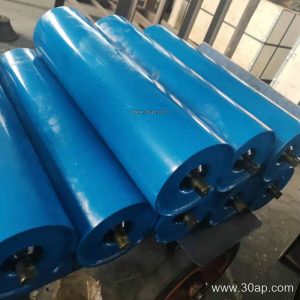
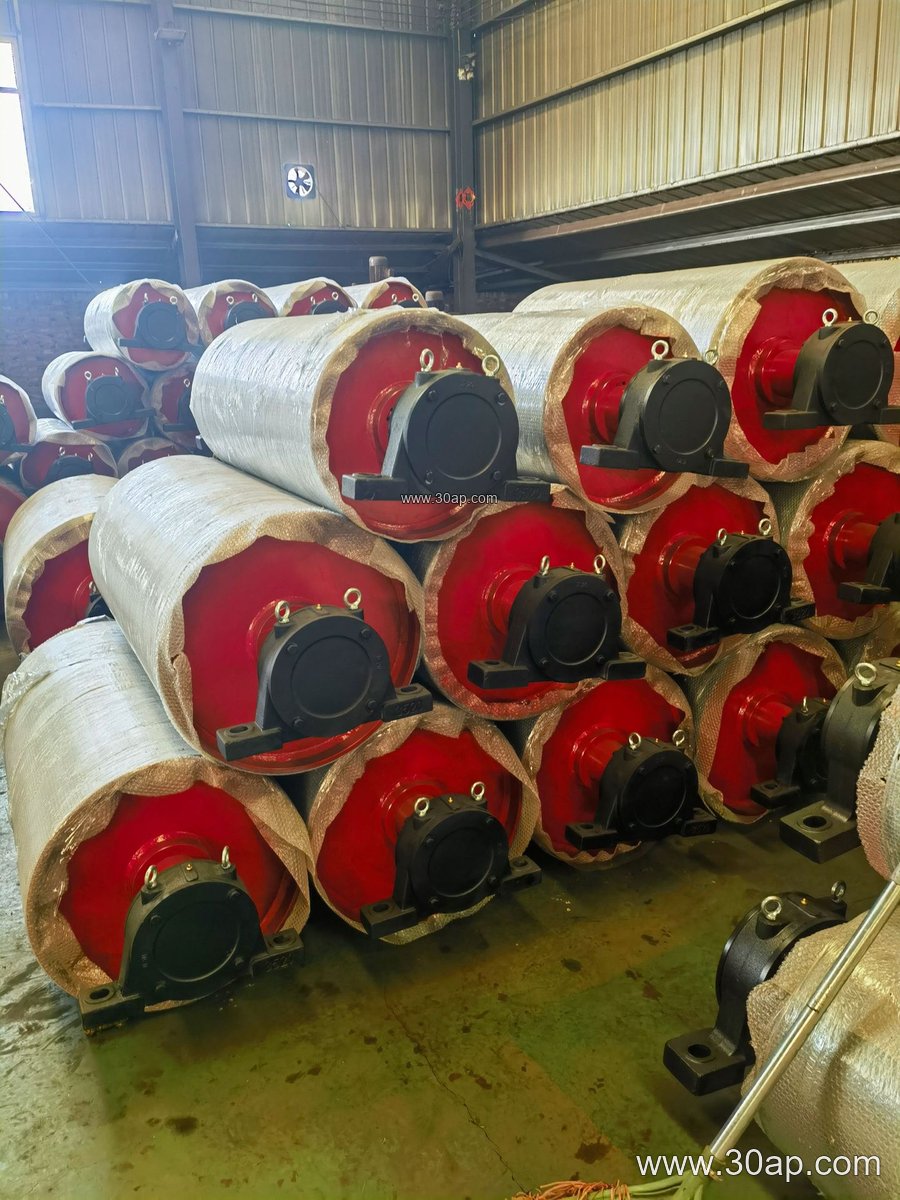
A belt conveyor rubber lagged pulley is a conveyor pulley whose steel shell is covered with a rubber layer, usually applied by hot vulcanization or cold bonding. The rubber raises friction between the shell and the conveyor belt, which reduces slip at the drive position and helps keep the belt tracking steadily. In a quarry, a coal preparation plant, or a cement clinker line, this grip matters most where the belt carries a heavy load and starts under tension.
The lagging also protects the shell from abrasive dust and damp conditions. Instead of the belt polishing the bare steel, the rubber takes the wear and can be replaced when it thins. That is why operators often treat the lagging as a wear part rather than a permanent feature of the pulley.
How the Pulley Is Built
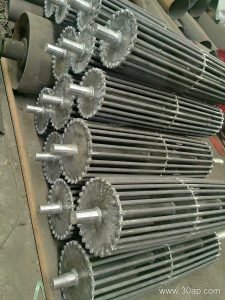
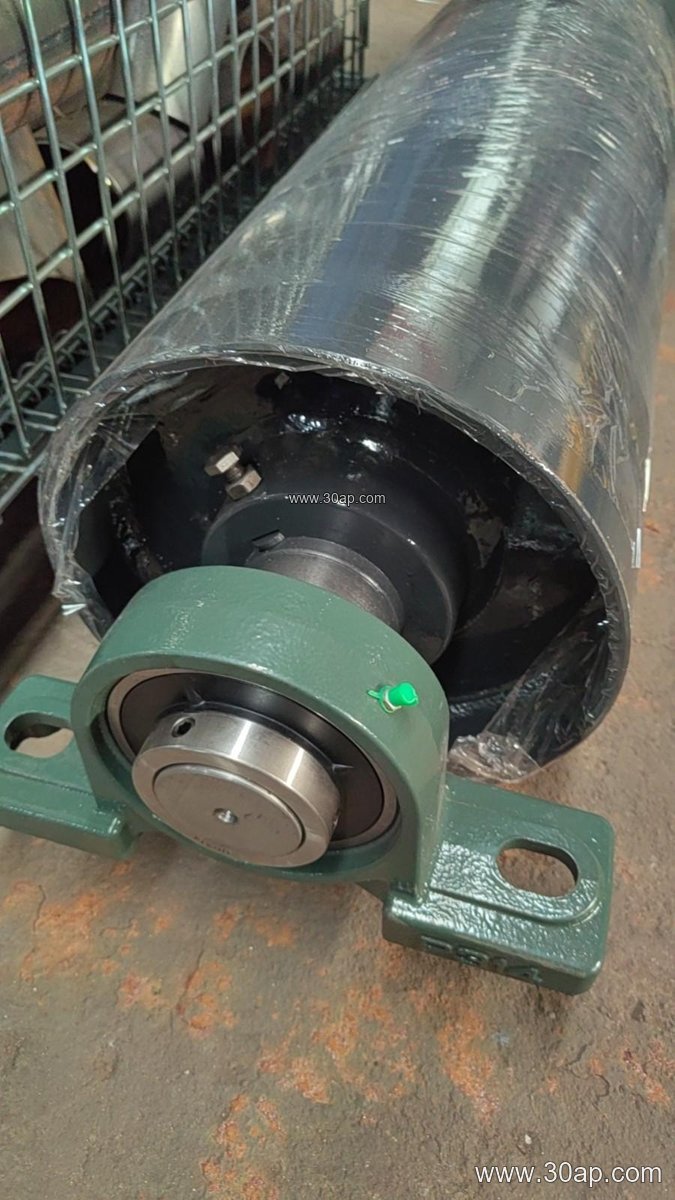
The core is a welded steel drum with a shaft, hubs, and end discs. The rubber layer is bonded to the drum face, then finished to the required surface pattern. Common builds include:
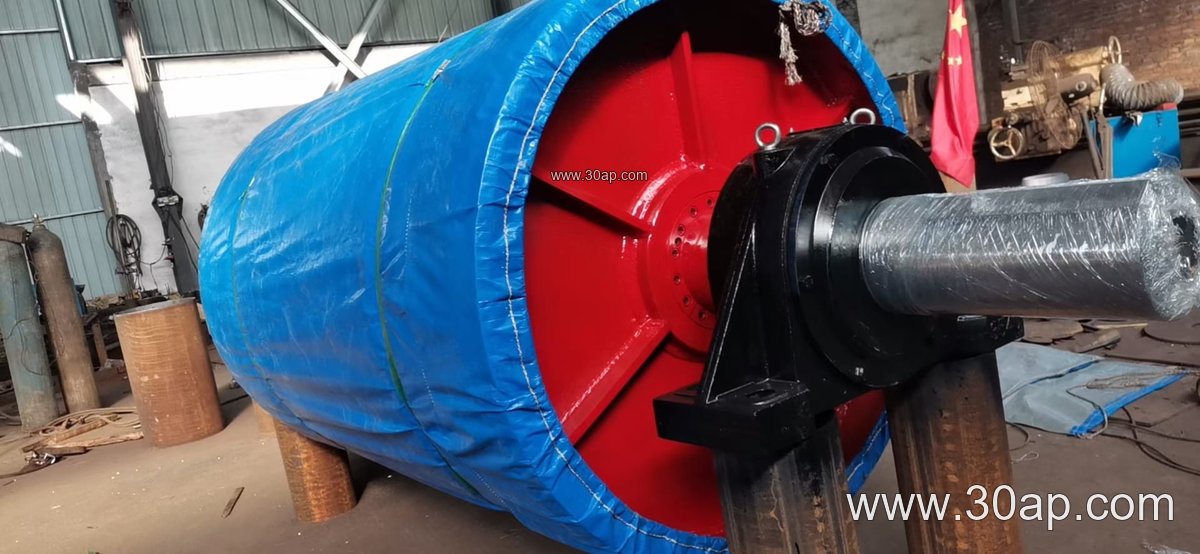
- Plain or smooth rubber lagging for general grip
- Diamond pattern lagging to help shed water and fines
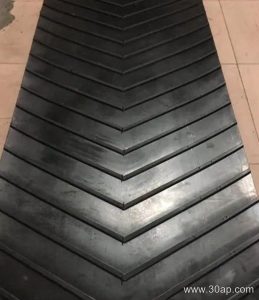
- Herringbone pattern for better traction in one or both directions
- Ceramic lagging inserts for severe abrasion
Thickness is usually 8, 10, 12, 15, or 20 mm, chosen according to duty. A pulley that drives a heavy-duty mining conveyor belt may use a thicker cover than a small transfer pulley on a gravel line. The rubber itself is often a wear-resistant compound, and in underground coal mining it may need flame retardant and anti-static properties to suit the site rules.
Common Sizes and Reference Data
The pulley face is normally wider than the belt so the belt is supported across its full width. Face width, diameter, and shaft size are all selected together, not from belt width alone. Typical combinations seen in catalogues include B800 × Ø500 and B1200 × Ø1000, but many other pairings are possible.
| Belt width | Typical pulley face width | Example diameter range |
|---|---|---|
| B400 | about 500 mm | Ø200 to Ø400 |
| B650 | about 750 mm | Ø250 to Ø500 |
| B800 | about 950 mm | Ø315 to Ø630 |
| B1000 | about 1150 mm | Ø400 to Ø800 |
| B1200 | about 1400 mm | Ø500 to Ø1000 |
| B1400 | about 1600 mm | Ø630 to Ø1250 |
| B1600 | about 1800 mm | Ø800 to Ø1400 |
| B1800 | about 2000 mm | Ø1000 to Ø1600 |
These are reference figures, not fixed rules. Shaft diameters commonly range from Ø50 up to Ø200, but the final size depends on torque and load, so it should not be inferred from belt width alone.
Where It Fits in the Conveyor
The rubber lagged version is most often a drive pulley, because that is where slip must be controlled. It can also appear as a tail pulley on a long overland run, or as a bend pulley where the belt changes direction under load. Note that a drive pulley, tail pulley, and bend pulley are separate positions and are not interchangeable. A head or discharge pulley may be lagged for grip, while a tension pulley may use plain rubber to avoid building up material.
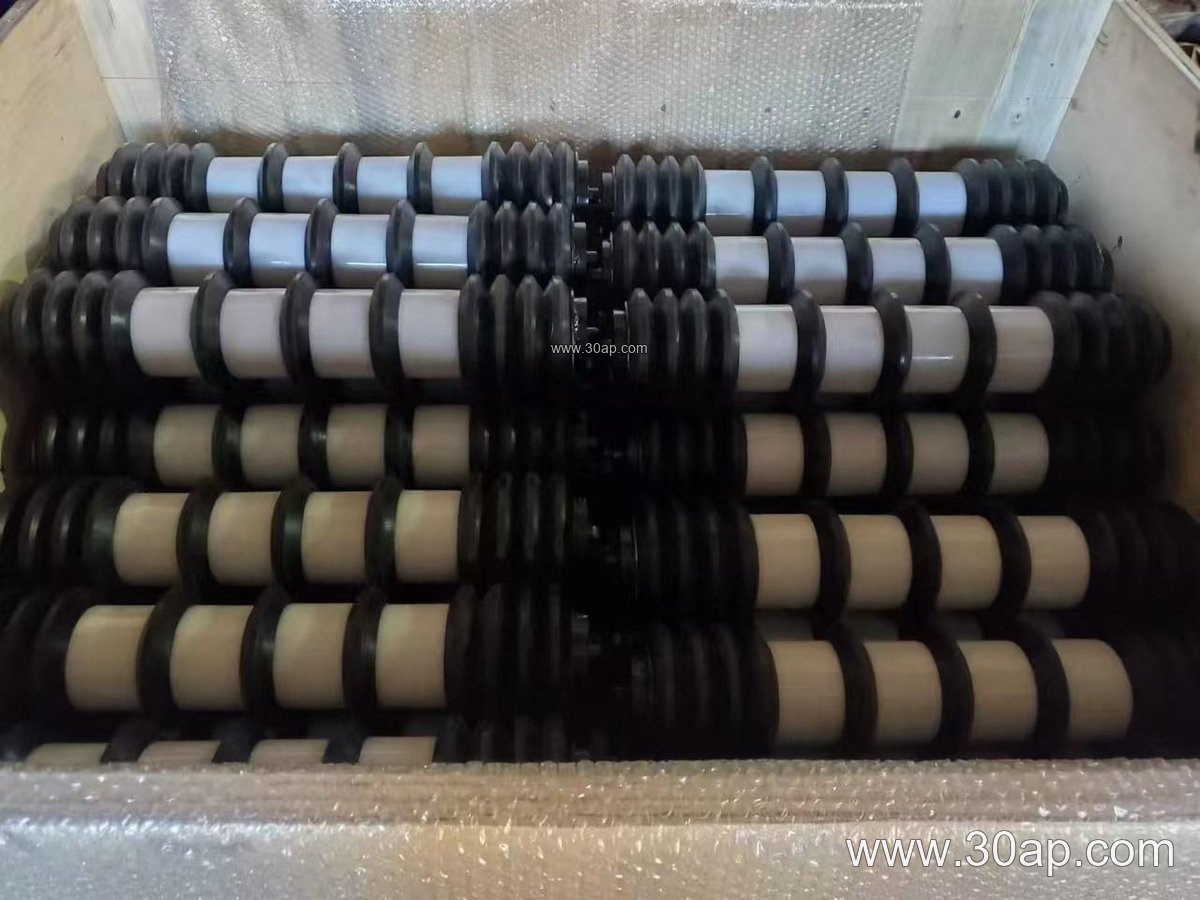
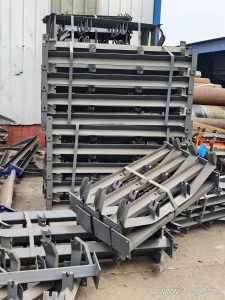
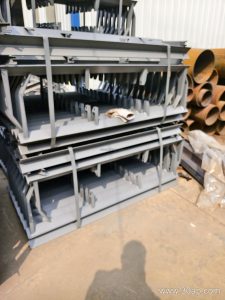
On a stone crushing line, the drive pulley may be paired with an abrasion resistant conveyor belt and a set of idler rollers, with the pulley held in a sturdy conveyor bracket. In a power plant coal handling system, flame retardant and fire resistant conveyor belt grades are common, and the lagging should match that environment. The same principle applies in an iron ore or copper ore terminal, where dust and moisture attack both the belt and the pulley face.
Buyer Checklist
- Confirm the position: drive, tail, bend, or tension, since each has different demands.
- Match the pulley face width to the belt, and check the diameter against belt speed and wrap angle.
- Choose the lagging pattern and thickness for the material and the moisture level.
- State the shaft size from the actual torque calculation, not from a belt-width table.
- Ask how the rubber is bonded, since hot vulcanized and cold bonded covers differ in service life.
For site planning, the pulley should be considered together with the conveyor belt, the idler roller, and the supporting conveyor pulley layout. A correct match between lagging, belt grade, and pulley position keeps a bulk material conveyor running with less downtime.