What a Conveyor Impact Idler Does
At the transfer point where material drops onto a conveyor belt, the belt takes a beating. A conveyor impact idler is the component placed directly under that loading zone to absorb the force of falling rock, ore, clinker, or aggregate. Unlike a standard carrying idler that mainly supports the belt and material weight, this impact roller is built with shock-absorbing elements—most often rubber rings or resilient discs—so the belt is cushioned rather than hammered against a rigid steel surface. In a quarry, a coal preparation plant, or a cement plant, this small detail often decides how long the belt itself will last.
The same product is also called an impact roller, impact idler, or buffer idler. These names refer to the same item; they are not interchangeable with troughing idlers, return idlers, or self-aligning idlers, which serve different positions and functions on the conveyor.
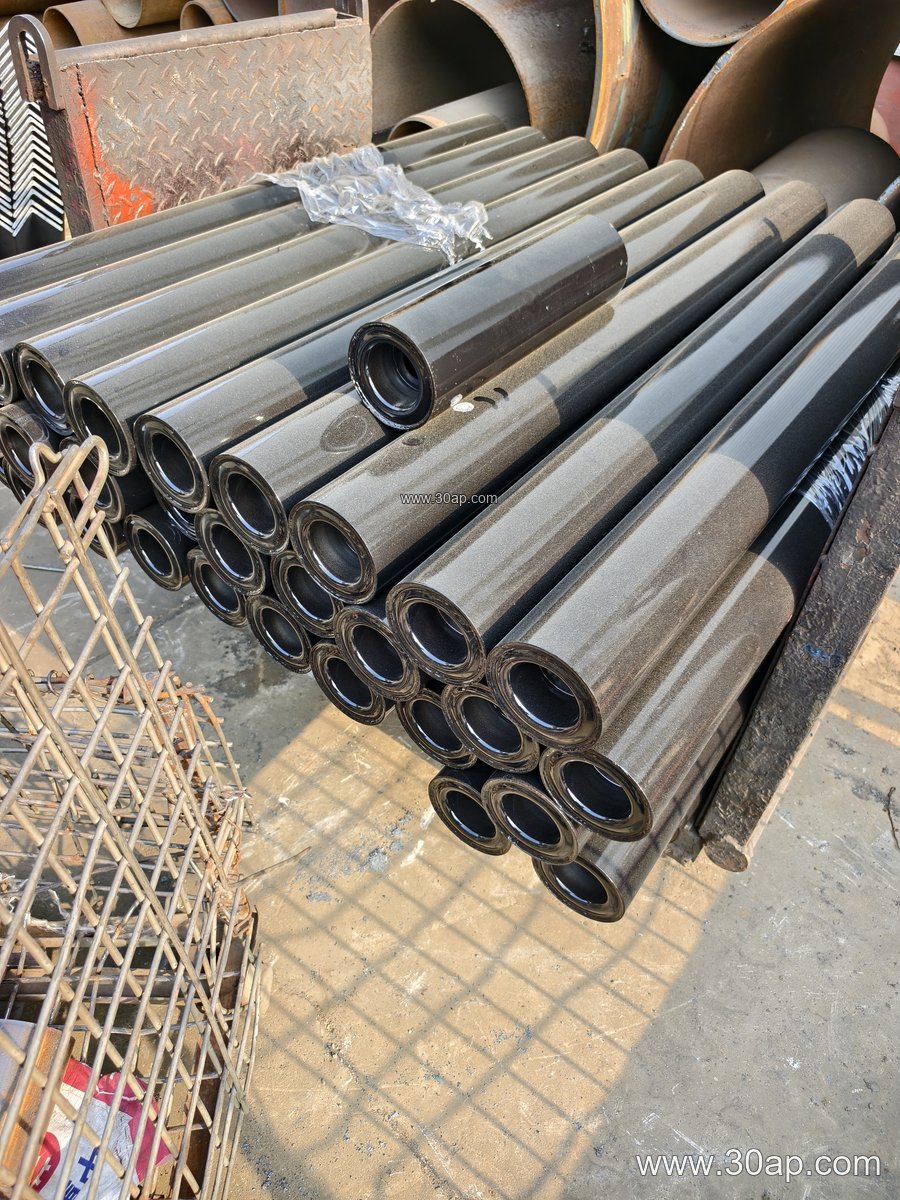
Construction Details That Matter
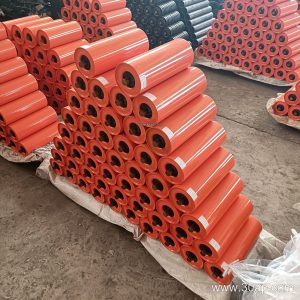
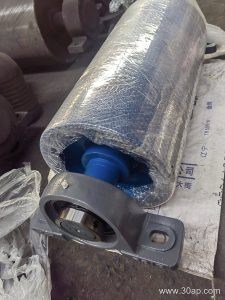
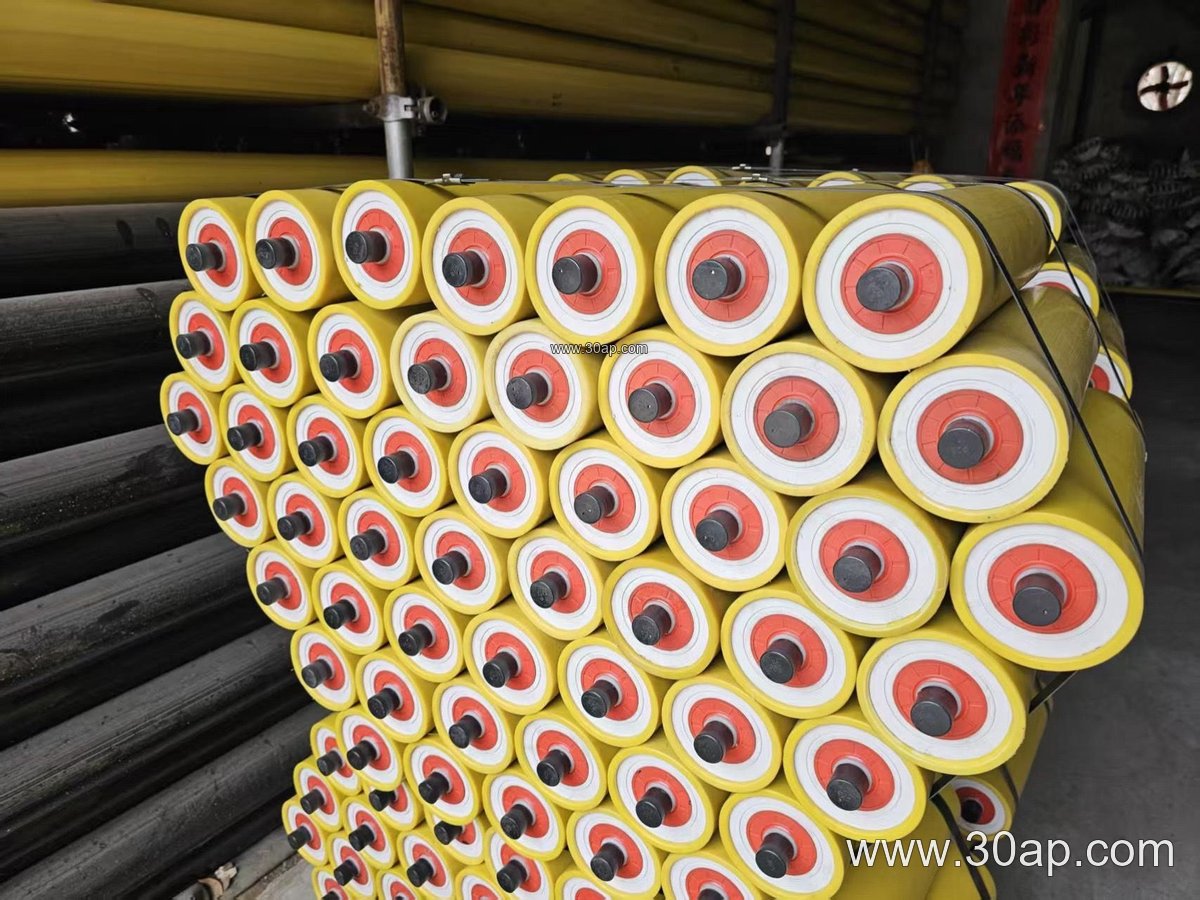
A typical impact idler uses a heavy-gauge steel tube as the base shell, fitted with a series of rubber rings or a rubber-covered surface. The rubber rings are spaced along the roller and can compress under impact, spreading the load over a longer section of belt. Inside, the shaft runs through sealed bearings—common sizes include 6205, 6305, 6306, and 6308—selected according to the roller diameter and load rather than a single fixed rule. The end caps and sealing arrangement are critical in dusty conditions such as a crushing and screening line or a power plant coal yard, where fine particles can destroy an unprotected bearing quickly.
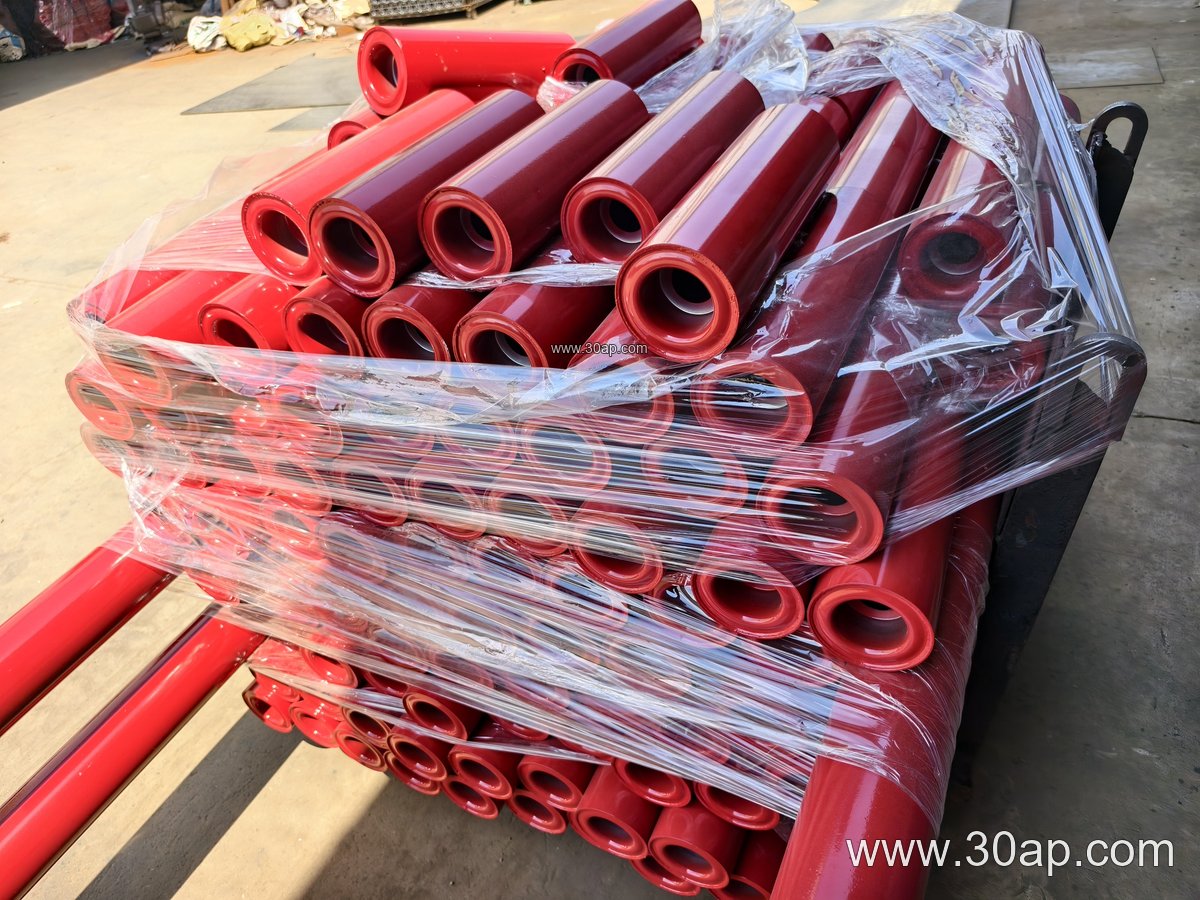
Roller diameter for impact idlers usually falls in the range of Ø89 to Ø159 mm, with larger diameters used where lump size and drop height are significant. Surface forms vary: plain rubber rings, reinforced rubber discs, and in some designs a combination of rubber and steel. The goal is always the same—deform slightly under impact, then recover, without transferring the full shock to the belt carcass.
Where Impact Idlers Fit on the Conveyor
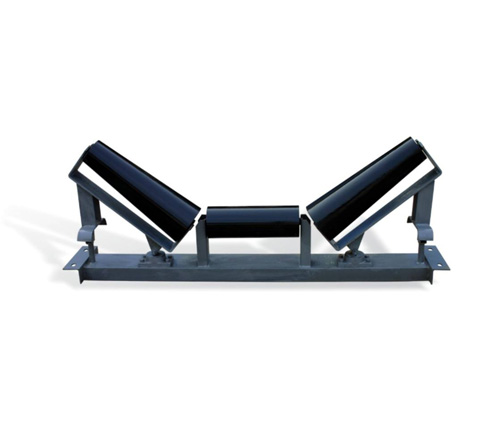
These idlers are installed in the impact zone, typically a group of two to five idlers immediately beneath the loading chute. They are not a replacement for the troughing idlers along the carrying run, nor for the return idlers under the belt. On a typical bulk handling conveyor, you will find them at the head of a conveyor belt system, just after the feed point, and sometimes at transfer points between conveyors. In a sand and gravel plant, the impact zone after the primary crusher is a classic location. In an underground coal mine, impact idlers help protect the belt from lump coal drop energy while the flame retardant belt runs through a confined space.
Because the loading point often coincides with a transition in belt support, impact idlers are frequently used together with transition idlers, but the two are not the same. Transition idlers gradually change the belt from flat to troughed; impact idlers absorb energy. Using one in place of the other can lead to belt damage or poor material containment.
Common Sizes and Configuration Reference
The table below lists typical reference values for impact idler rollers. These are common examples, not fixed rules; actual roller length depends on belt width, trough angle, and the specific idler arrangement. Final selection should always follow the conveyor design.
| Belt Width (mm) | Common Roller Length for 3-Roll Trough Set (mm) | Typical Roller Diameter Range (mm) | Common Bearing Sizes |
|---|---|---|---|
| B500 | 200 | Ø63–Ø89 | 6204, 6205 |
| B650 | 250 | Ø76–Ø108 | 6205, 6305 |
| B800 | 315 | Ø89–Ø127 | 6305, 6306 |
| B1000 | 380 | Ø102–Ø133 | 6306, 6308 |
| B1200 | 465 | Ø108–Ø159 | 6308, 6310 |
| B1400 | 530 | Ø127–Ø159 | 6308, 6310 |
| B1600 | 600 | Ø133–Ø178 | 6310 |
| B1800 | 670 | Ø159–Ø194 | 6310 |
| B2000 | 750 | Ø159–Ø219 | 6310 |
Trough angles of 20°, 30°, 35°, and 45° are common, and the impact idler set must match the trough angle of the adjacent carrying idlers to avoid belt stress. For comparison, a standard troughing idler in the same position would usually have a steel surface with no rubber cushioning—adequate for steady load but not for high drop energy.
Buyer Checklist for Impact Idlers
- Confirm the belt width and existing trough angle before ordering; a set that does not match will not seat properly.
- Specify the drop height and lump size so the supplier can recommend rubber ring thickness and roller diameter.
- Check the bearing seal type for dusty or wet conditions; this is often more important than the bearing number itself.
- Ask whether the roller shell is plain steel or rubber-covered, and whether replacement rings are available.
- Consider the conveyor bracket and frame dimensions—mounting centers must align with the existing structure.
- For coal or underground use, ensure the belt and components suit the fire resistance requirements of the site; the impact idler itself should not compromise the system.
A well-chosen impact idler protects the most expensive part of the conveyor—the belt. Whether the conveyor handles EP conveyor belt in an aggregate plant or a steel cord conveyor belt in a heavy-duty mining operation, the cushioning effect at the load point reduces belt surface damage, edge wear, and splice failure. It is a small investment compared with unscheduled belt replacement.
Maintenance is straightforward: inspect rubber rings for cracking or flattening, check for bearing play, and confirm that the idler still rotates freely. In a cement plant or a port terminal, a monthly walk-by inspection of the impact zone often catches problems before they affect the conveyor pulley or the belt itself. Replacing worn rings early keeps the impact idler doing its job without disturbing the rest of the conveyor structure.