What a Conveyor Support Leg Does
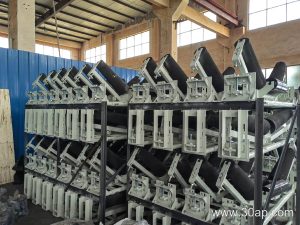
A conveyor support leg is the vertical member that carries the weight of a belt conveyor frame and transfers it to the floor, foundation, or steel structure. In many installations the leg is paired with a cross beam, and together they form the support station on which idler rollers, brackets, and the loaded conveyor belt rest. The leg looks simple, but its geometry, material, and anchoring decide whether a conveyor runs straight or drifts.
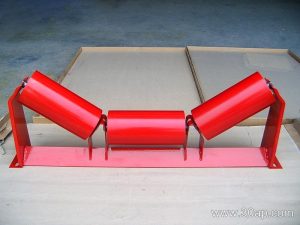
Support legs are often supplied as part of a modular frame system. A typical station includes two legs, a horizontal beam, and mounting plates for the idler set. On long overland lines the legs may be tall and braced; inside a transfer house they may be short and bolted to a steel floor.
How the Leg Is Built
Most legs are fabricated from angle steel, channel steel, or folded steel plate. The choice depends on load, height, and the environment. A dusty quarry line may favor heavier channel sections, while a compact plant conveyor can use folded plate legs with punched holes for adjustment.
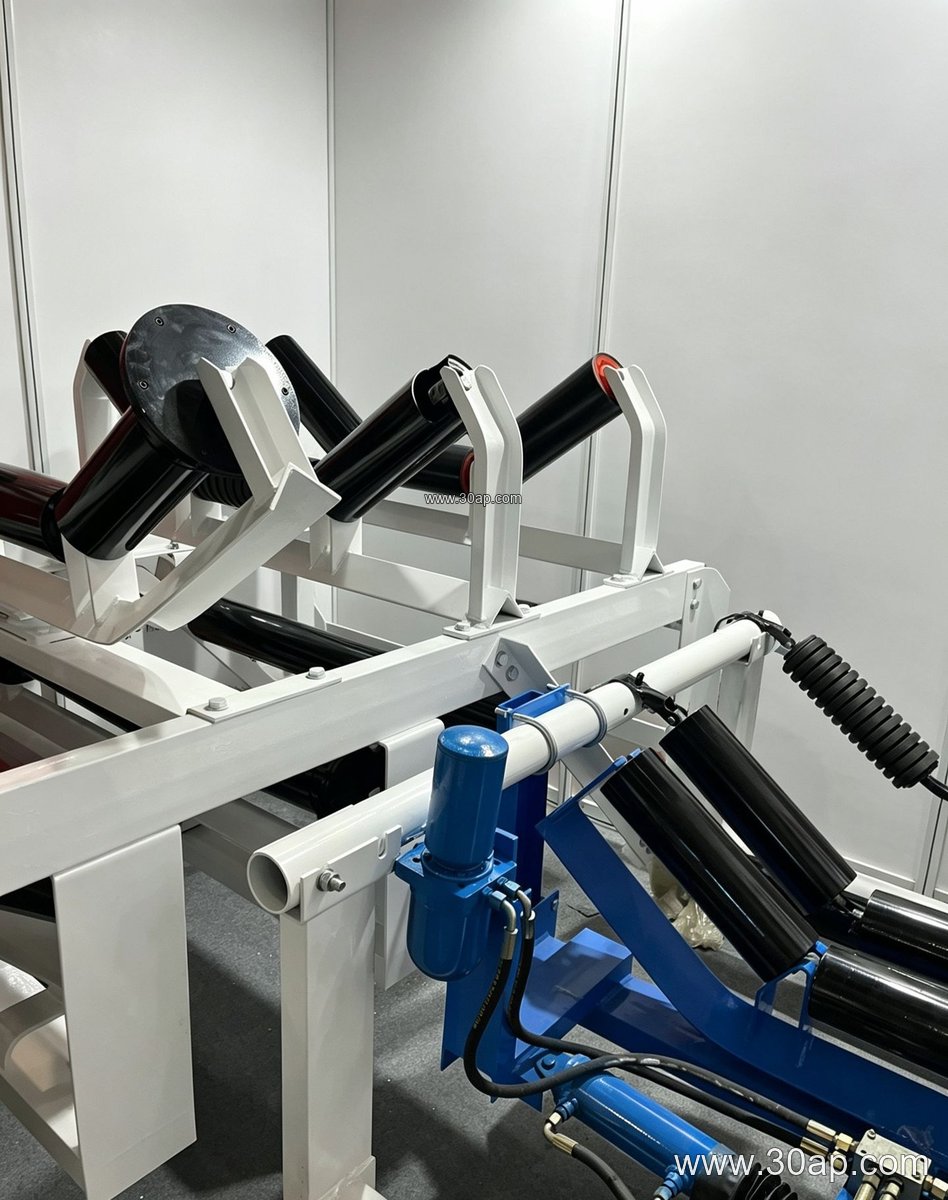
- Vertical post with a base plate for anchor bolts
- Top plate or bracket to receive the cross beam
- Slotted holes for height or alignment adjustment
- Diagonal bracing on tall or heavily loaded stations
- Galvanized or painted finish for corrosion protection
The leg is not a standalone product. It works with the conveyor bracket, the idler roller, and the frame beam. A mismatch in hole spacing between leg and beam is a common cause of installation delay, so buyers should confirm the interface dimensions rather than assume they are standard.
Where Support Legs Are Used
Support legs appear wherever a conveyor needs a stable, elevated frame. In a limestone quarry they carry the incline section that lifts crushed rock to the screening plant. In a coal preparation plant they support the main haulage conveyor between the transfer points. The same component is used in cement plants, power station coal yards, port loading lines, and aggregate plants.
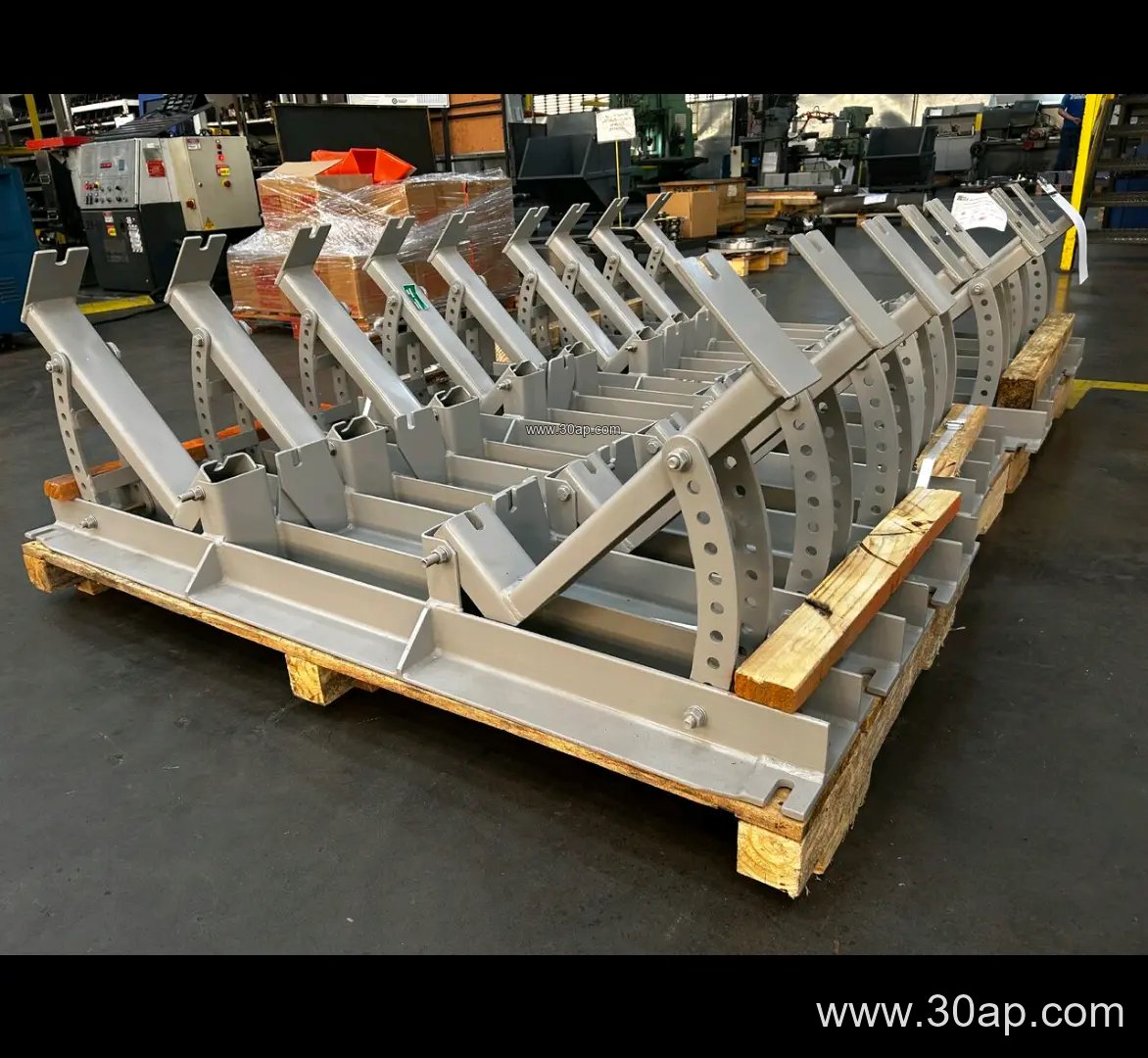
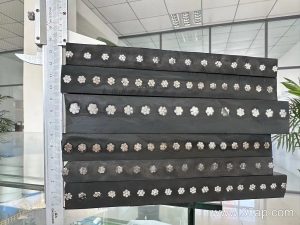
The leg must suit the belt and the material. A heavy-duty mining conveyor belt carrying iron ore imposes different loads than a fabric core conveyor belt on a short plant run. Where a steel cord conveyor belt is used on a long, high-tension line, the support stations are usually designed with greater stiffness and closer spacing.
Matching the Leg to Belt Width and Idler Size
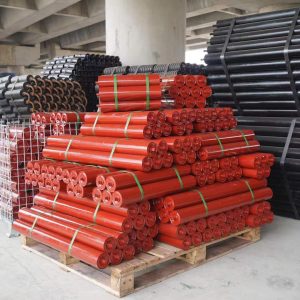
Support leg dimensions follow the belt width, the trough angle, and the roller diameter. Common belt widths include B500, B650, B800, B1000, B1200, B1400, B1600, B1800, B2000, B2200. Trough angles are usually 20, 30, 35, or 45 degrees, and roller diameters commonly range from Ø89 to Ø194. These are reference values, not fixed pairings; the final combination is set by the conveyor design.
| Belt width | Typical trough angle | Common roller diameter | Support leg note |
|---|---|---|---|
| B500 | 20–30 degrees | Ø89 | Light frame, short stations |
| B650 | 30 degrees | Ø89–Ø108 | Adjustable height often useful |
| B800 | 35 degrees | Ø108 | Standard plant conveyor station |
| B1000 | 35–45 degrees | Ø108–Ø133 | Check beam and leg bolt spacing |
| B1200 | 45 degrees | Ø133 | Heavier section for loaded spans |
| B1400–B1600 | 35–45 degrees | Ø133–Ø159 | Bracing recommended on tall legs |
| B1800–B2000 | 35–45 degrees | Ø159–Ø194 | Engineered frame, wider base |
Installation hole spacing and beam length change with belt width and trough angle, so they should be confirmed from the drawing rather than taken as a constant.
Fixed, Adjustable, and Specialized Legs
A fixed support leg has a set height and is used where the conveyor profile is already final. An adjustable support leg allows small changes in height or alignment during commissioning, which helps when a conveyor belt tracks poorly or when a structure settles. Transition stations near a conveyor pulley often need a different leg height from the standard carrying stations, and the leg at that point should follow the transition design rather than the standard drawing.
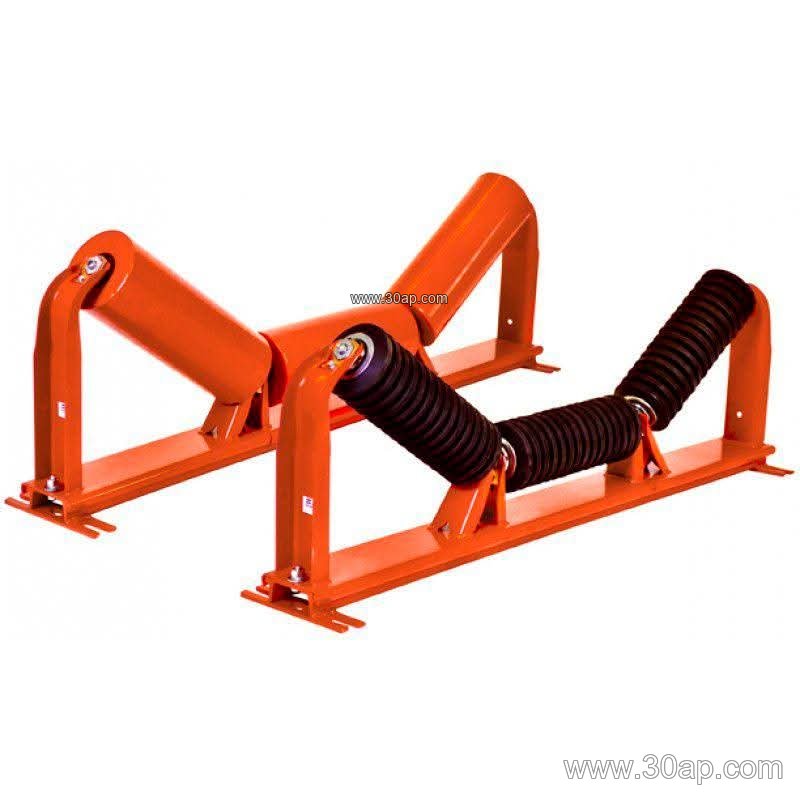
For comparison, a bend pulley station and a drive pulley station each need their own support arrangement, and the leg under them is not interchangeable with a standard carrying leg. The same applies to different idler brackets: a troughing bracket, a return bracket, and a self-aligning bracket each present a different mounting face to the leg.
Buyer Checklist
- Confirm belt width, trough angle, and roller diameter before ordering.
- Ask for the interface drawing showing bolt holes and beam connection.
- State the environment: wet, dusty, corrosive, or high temperature.
- Check whether height adjustment is needed for tracking or settlement.
- Match the leg material and finish to the plant conditions.
- Plan anchor bolts and base plates together with the foundation work.
A well-chosen conveyor support leg keeps the frame square, the idlers level, and the belt running true. For related components such as the conveyor belt, idler roller, and conveyor pulley, the leg is the quiet foundation that holds everything in line.