What a Steel Cord Conveyor Belt Is
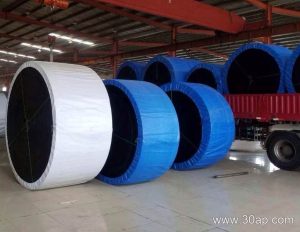
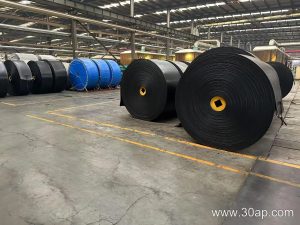
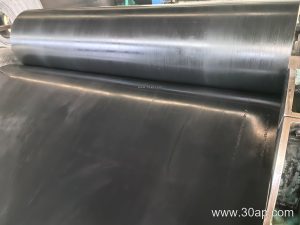
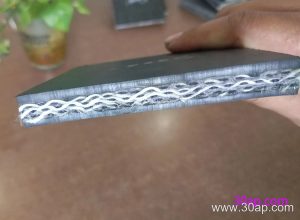
A steel cord conveyor belt is a heavy duty rubber belt whose tension carrying body is made from parallel steel cords instead of woven fabric plies. The cords run lengthwise through the belt and are embedded in a rubber core, with a rubber cover on the top and bottom faces. Because the steel cords take the pull, this belt type suits long center distances, high tonnage and demanding duties in mining, coal preparation, cement plants, power stations and sand and gravel yards.
The product is also called a steel cord belt or wire cord belt. All three names describe the same belt construction, and they are not interchangeable with fabric reinforced belts such as EP or NN nylon conveyor belts, which use textile plies as the strength member.
How the Belt Is Built
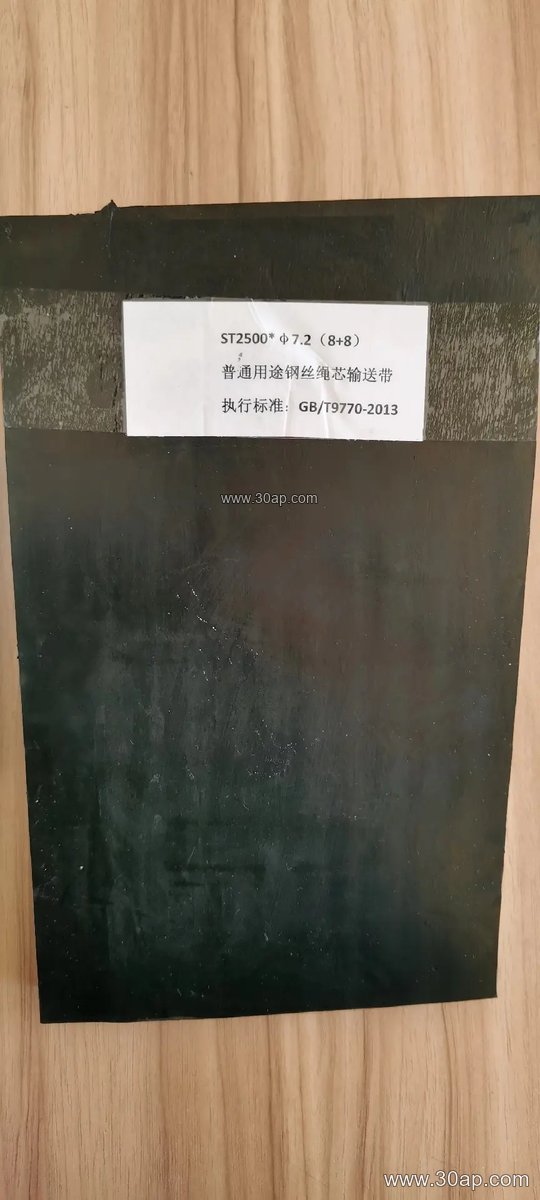
The core is a set of high tensile steel cords spaced evenly across the width and held in a thin layer of bonding rubber. A top cover and a bottom cover protect the cords from abrasion, impact and moisture. Cover thickness is usually described as a pair of numbers in millimeters, such as 4+2, 5+2, 6+2 or 8+3 mm, where the first figure is the carrying cover and the second is the pulley side cover. Common belt widths include B800, B1000, B1200, B1400, B1600 and B1800, though the actual width, cord pitch and cover gauge are set by the conveyor design.
Steel cord belts are normally spliced on site. The belt ends are stepped, the cords are joined, and the joint is vulcanized to restore continuity. A good splice depends on clean cord preparation, correct step length and controlled press temperature and pressure.
Where It Fits on a Conveyor
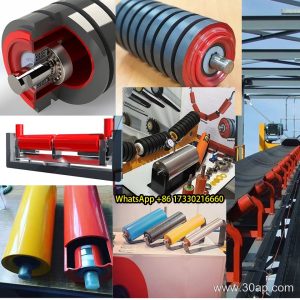
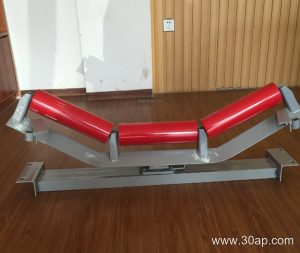
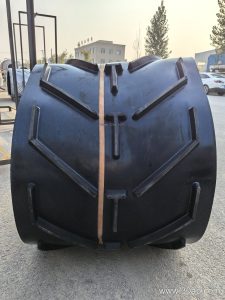
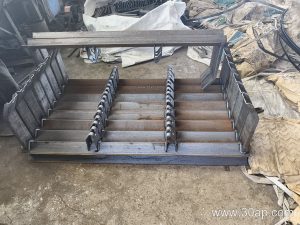
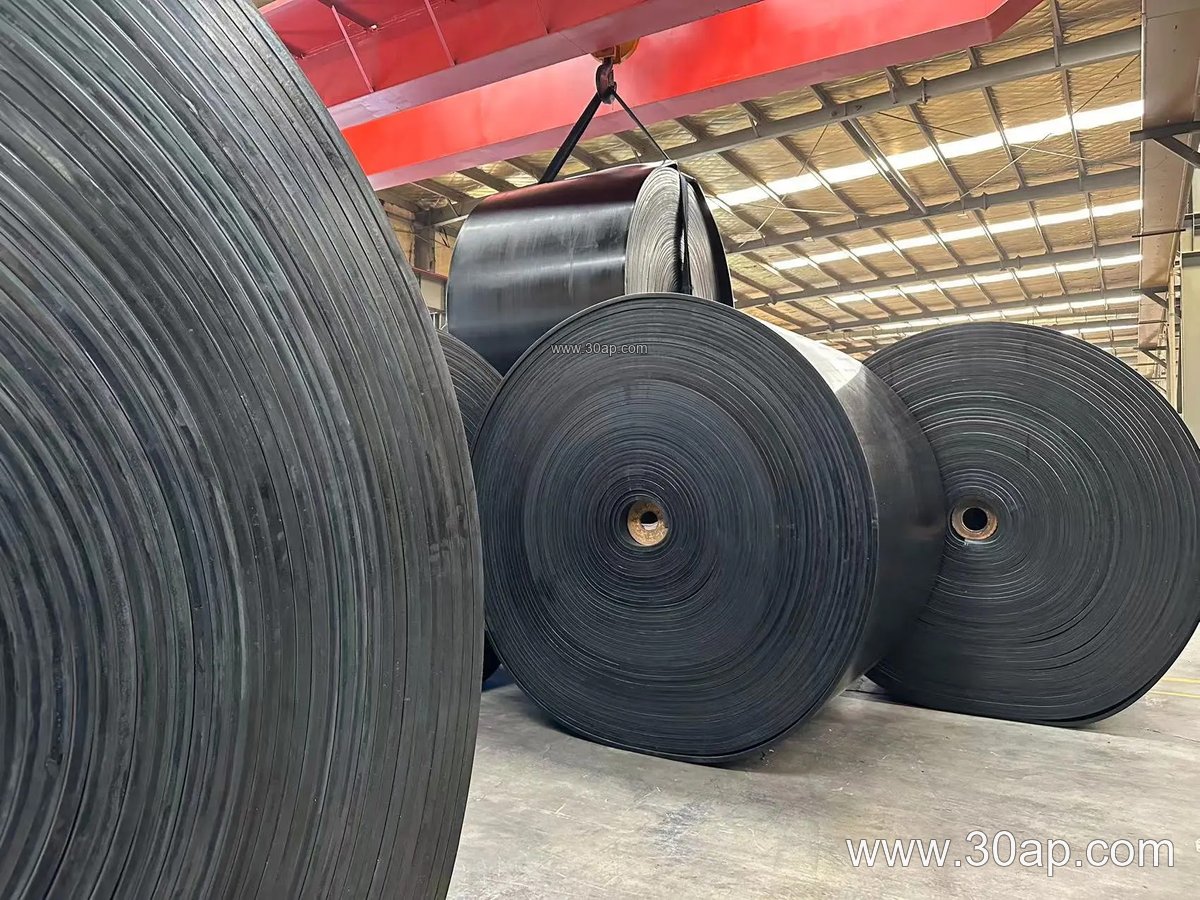
The belt wraps around a drive pulley, a tail pulley and any bend pulleys along the route, and it is supported on the carrying side by idler rollers mounted on conveyor brackets. In a typical bulk handling line, the belt moves coal, ore, clinker, limestone or aggregate at high capacity over long distances.
Other belt types appear in the same plants for lighter duties. An EP conveyor belt is often chosen for shorter runs or lower tensions, while a PVC or PVG belt may serve special fire safety or underground needs. These are alternatives for different duties, not substitutes for a steel cord belt where high tension and long distance are the design drivers.
Points a Buyer Should Check
- Strength class and safety factor. The required breaking strength follows from the calculated belt tension and the chosen safety factor. The final value is set by the conveyor designer, not by a single rule of thumb.
- Cover grade. Choose a cover matched to the material and environment, for example abrasion resistant, heat resistant, oil resistant, flame retardant, antistatic or cold resistant rubber.
- Cover thickness. Impact from large lumps may call for a thicker carrying cover, while pulley side cover is kept to a practical minimum to help flexibility.
- Pulley and idler details. Belt width and pulley diameter are linked by design calculations, and the belt supplier should confirm the minimum pulley diameter for the selected cord construction. Do not assume a fixed shaft size from belt width alone.
- Joint method and site conditions. Confirm who performs the splice, what press equipment is available and how much time the shutdown allows.
- Storage and handling. Coils should be stored on a clean, dry surface, kept away from heat and oil, and lifted with proper slings rather than narrow hooks.
Everyday Care That Extends Belt Life
Check the belt line for material spillage, misalignment and damaged idler rollers. A seized idler roller or a worn conveyor pulley face can wear the cover quickly. Keep the tail area clean, inspect the splice regularly and watch for edge damage or exposed cords. Small cover repairs done early usually cost far less than a full splice or belt replacement.
When requesting a quotation, provide the belt width, strength class, cover grade and cover thickness, the center distance, the material carried and its lump size and temperature, and the pulley diameters. With those details, a supplier can propose a suitable steel cord conveyor belt rather than a generic one.