What a Double-Sealed Idler Is
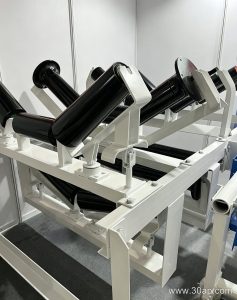
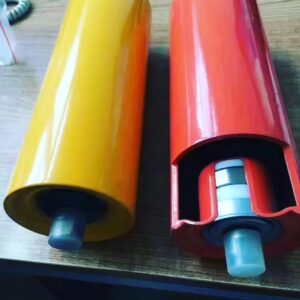
A double-sealed idler is a carrying or return roller whose bearing housings use two sealing elements instead of one. On a conventional idler roller, a single lip seal or labyrinth ring may be enough for dry, clean service. The double-sealed version adds a second barrier, usually a combination of a labyrinth path and a contact seal, so fine dust and water mist have a much harder route to the bearing cavity. In practice, the term is used for troughing idlers, flat return idlers, and impact idlers alike, as long as the seal arrangement is doubled.
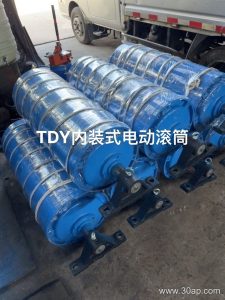
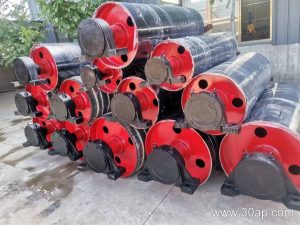
The accurate equivalent name is a dual-seal conveyor roller. Both expressions describe the same product; neither should be confused with a conveyor pulley, because a drive pulley, tail pulley, and bend pulley perform completely different duties at the ends of the belt.
How the Sealing and Bearing Assembly Works
Inside a double-sealed idler, the shaft is fixed and the shell rotates on bearings, commonly 6204, 6205, 6305, 6306, 6308, or 6310 depending on the load and roller diameter. The bearing seat is machined, then packed with grease. The first seal is often a labyrinth ring that spins with the shell, throwing particles outward. The second is a lip seal or felt-and-labyrinth combination that holds grease in and keeps contaminants out. Together they form a two-stage barrier.
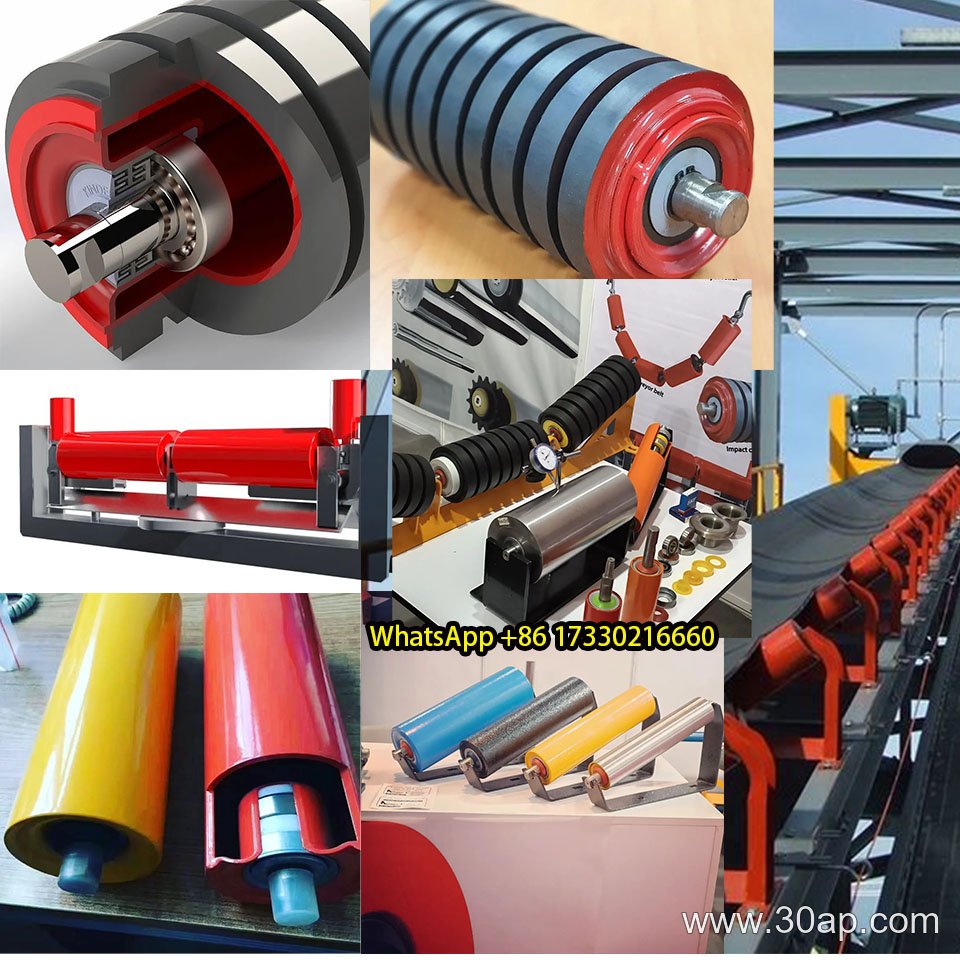
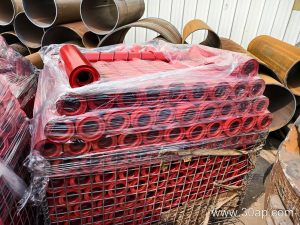
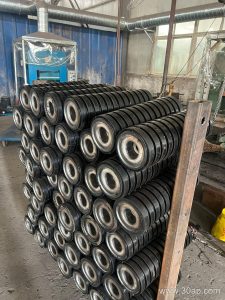
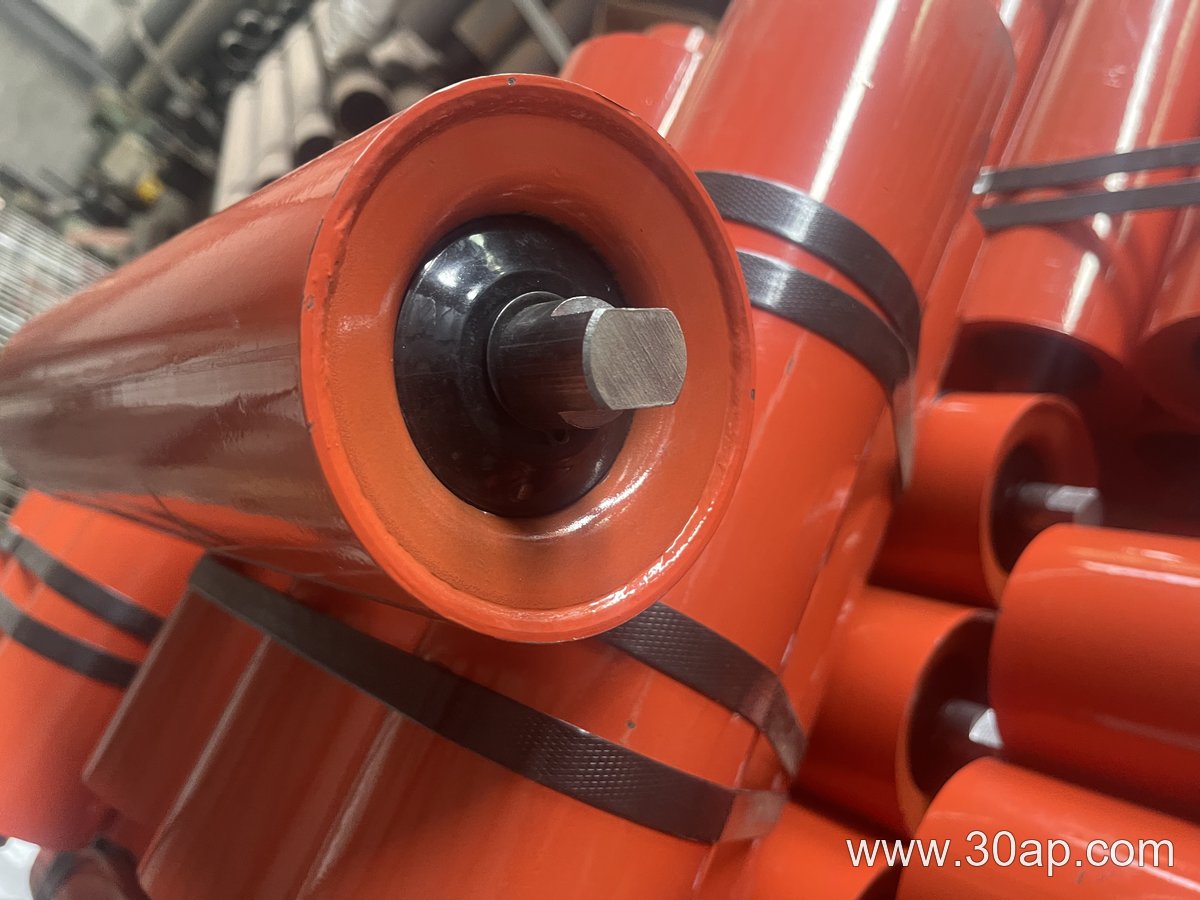
Roller diameters commonly range from Ø63 and Ø76 for light-duty lines up to Ø108, Ø127, Ø133, Ø159, and larger sizes for heavy service. Shell material may be steel tube, nylon, or rubber-covered for impact zones. The seal choice does not change the roller’s basic geometry; it changes how long the bearing survives in a dirty or damp environment.
Where Double-Sealed Idlers Are Used
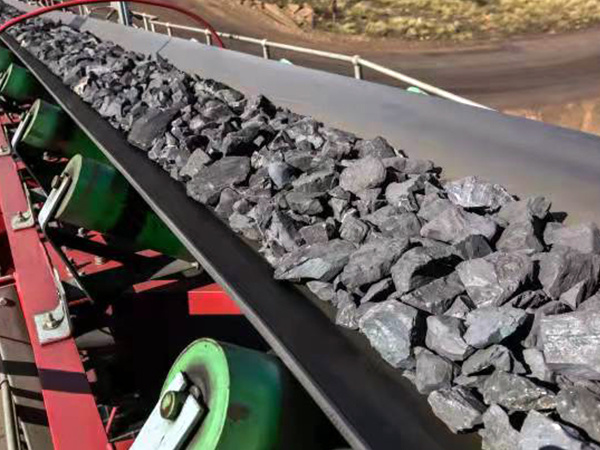
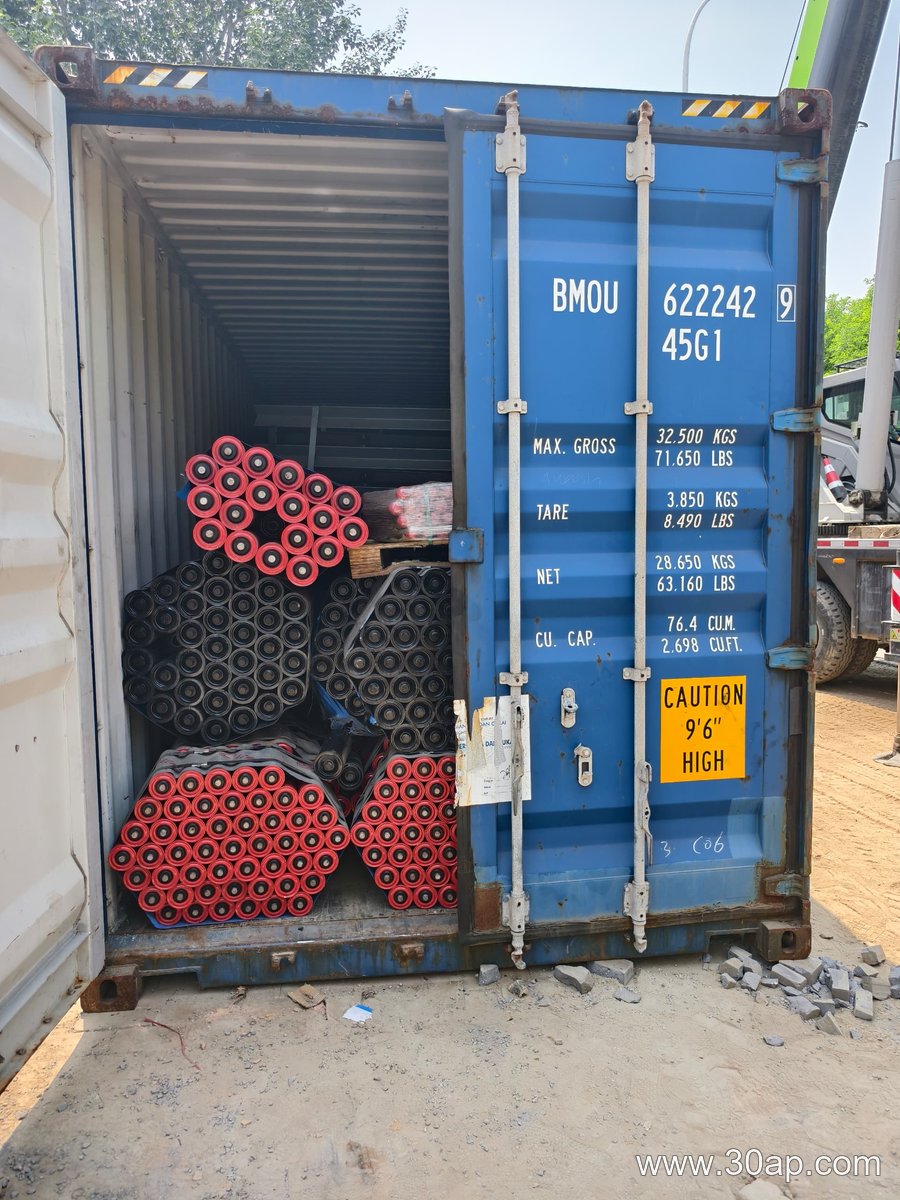
These rollers are often specified for washing plants, cement mills, power station coal handling, and quarry or sand-and-gravel lines where dust and moisture are both present. In an iron ore or copper ore transfer point, a standard idler may fail early because fines work past a single seal. A double-sealed idler slows that ingress. In a coal preparation plant or a tunnel muck line, water spray and fine particles are common, so the extra seal is a practical choice rather than a luxury.
The idler still has to match the conveyor belt and the bracket. A troughing set may be single-roll, two-roll, or three-roll, with trough angles of 20, 30, 35, or 45 degrees. A 35-degree three-roll set on a B1000 belt might use a middle roller of about 380 mm and side rollers of a different length, but the exact figures are set by the conveyor designer, not by the seal type.
Common Reference Dimensions
The table below is a general reference only. Roller length varies with belt width, trough angle, and roll configuration; side rollers and center rollers often differ.
- B500: common three-roll center roller length about 200 mm
- B650: about 250 mm
- B800: about 315 mm
- B1000: about 380 mm
- B1200: about 465 mm
- B1400: about 530 mm
- B1600: about 600 mm
- B1800: about 670 mm
- B2000: about 750 mm
Belt widths from B400 to B2400 are all seen in the field, but no single roller diameter is tied to one belt width. A B800 line may run Ø89 or Ø108 rollers, while a B1400 heavy-duty line may use Ø133 or Ø159. Shaft diameter is determined by the bracket and load calculation, never by belt width alone.
Selection and Maintenance Notes
A buyer should confirm the roller diameter, shaft end type, bracket spacing, and seal class before ordering. For a dusty quarry or a wet coal plant, the double-sealed version is usually worth the small extra cost. For a clean, dry aggregate line, a standard sealed idler may be sufficient. When replacing rollers, check that the new unit matches the existing conveyor bracket and that the shell does not rub the belt. Also inspect the return run: a flat return idler or V-return idler may need the same double-seal protection as the carrying side.
Double-sealed idlers do not remove the need for alignment and belt training, but they do extend bearing life where dust and water are constant companions. Choose the seal for the environment, match the roller to the belt and bracket, and let the conveyor designer confirm the final dimensions.