Conveyor Belt Selection and Purchasing Guide
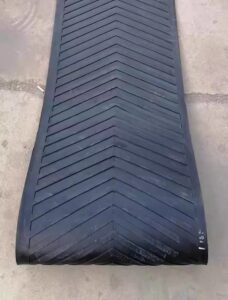
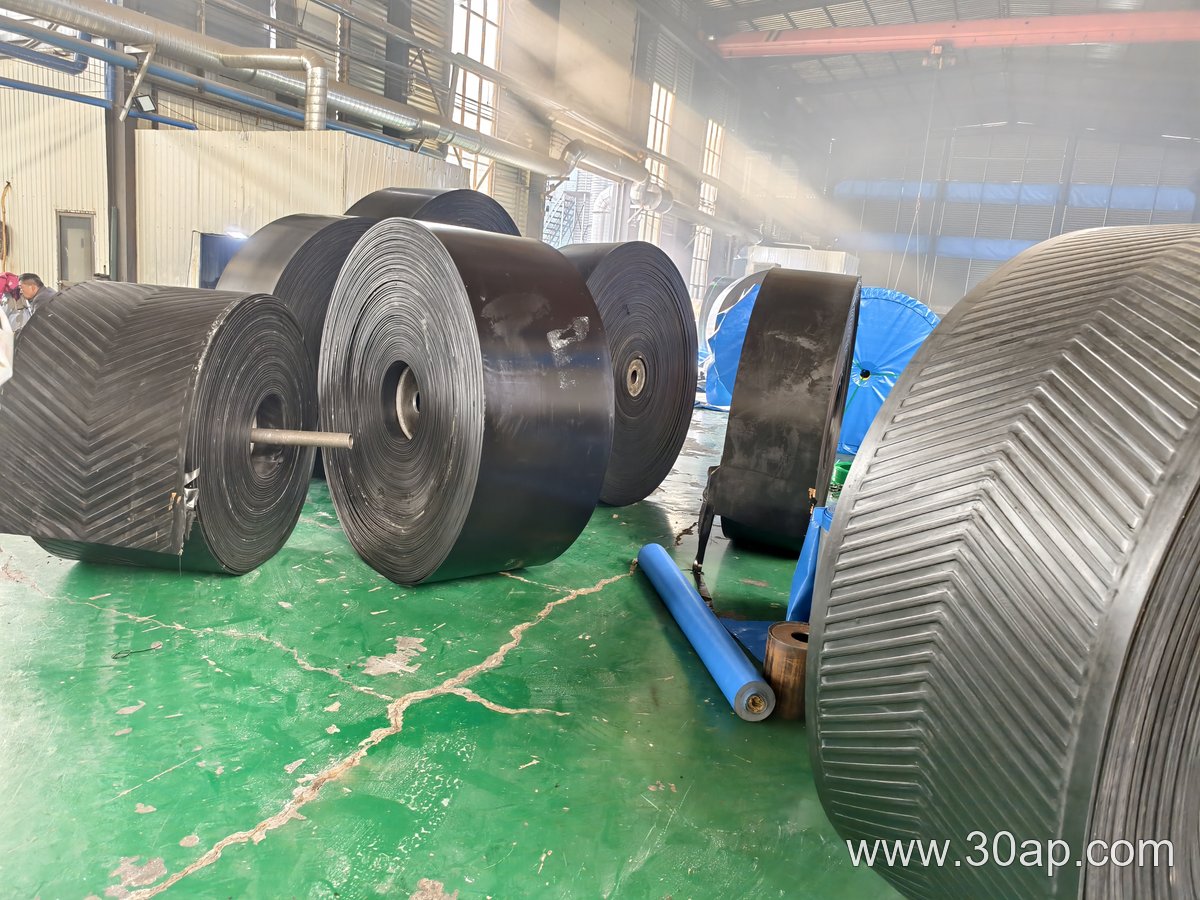
A conveyor belt is a continuous loop used to move materials efficiently. Choosing the right belt improves safety, uptime, and cost per ton.
Key Selection Factors
- Material: rubber, PVC, or steel cord
- Load weight and belt width
- Speed, incline, and environment
- Cleat or cleatless surface
Purchasing Advice
Match belt tension rating to your drive. Confirm splice type, pulley diameter, and temperature range. Request wear data and warranty. Buy from a supplier offering local support and replacement parts.
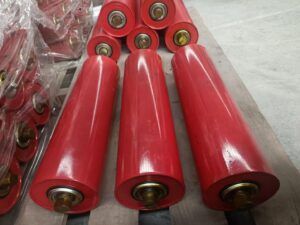
Idler Roller: The Backbone of Conveyor Efficiency
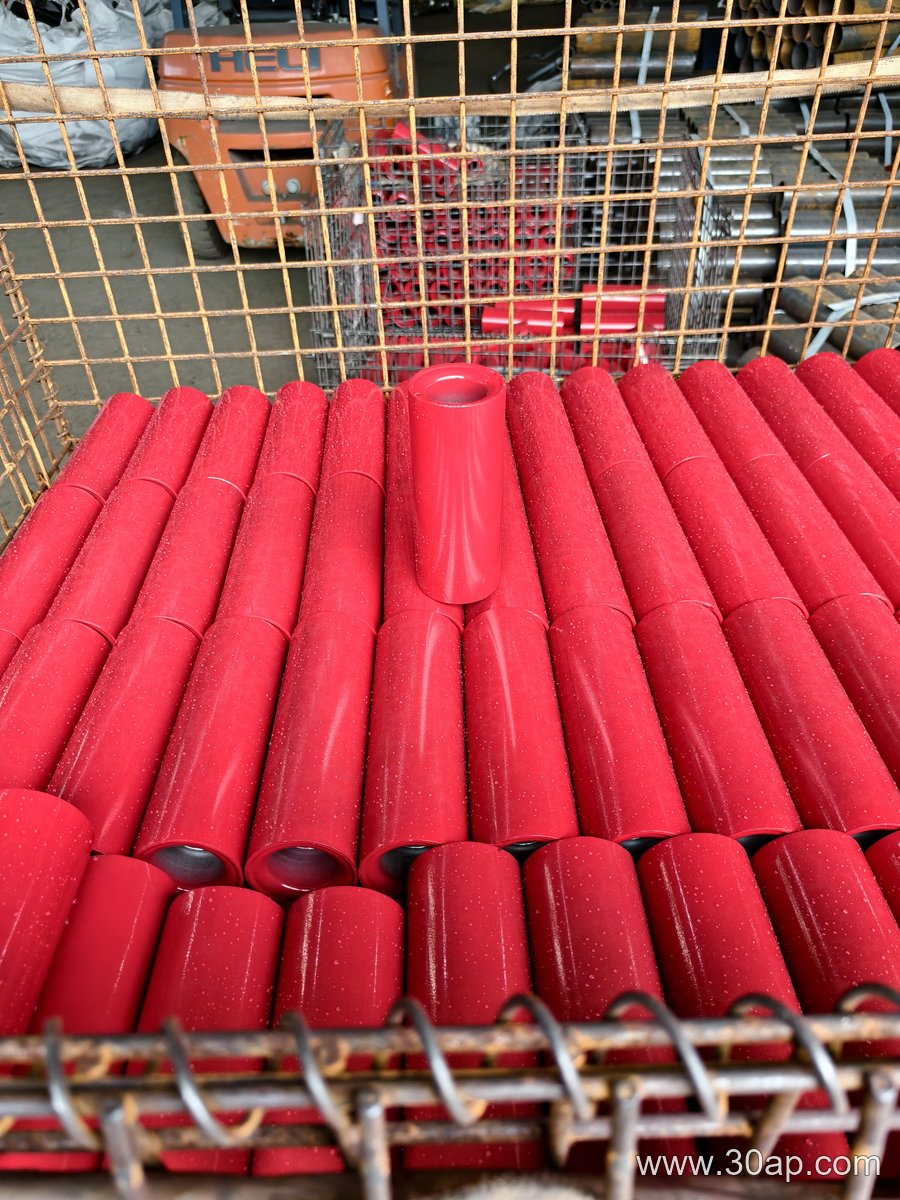
An idler roller supports the belt and reduces friction, cutting energy costs and downtime. Choose the right one to extend conveyor life.
Key Selection Factors
- Load capacity and belt width
- Bearing type: sealed vs. open
- Material: steel, PVC, or stainless
- Environmental resistance
Purchasing Advice
Verify diameter, shaft size, and tolerance. Buy from suppliers offering test data and warranties. Match roller to your duty cycle.
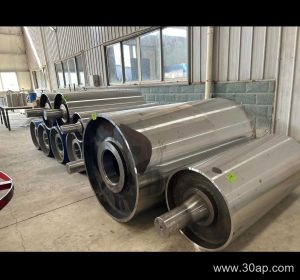
Conveyor Pulley Essentials
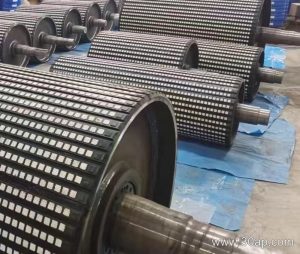
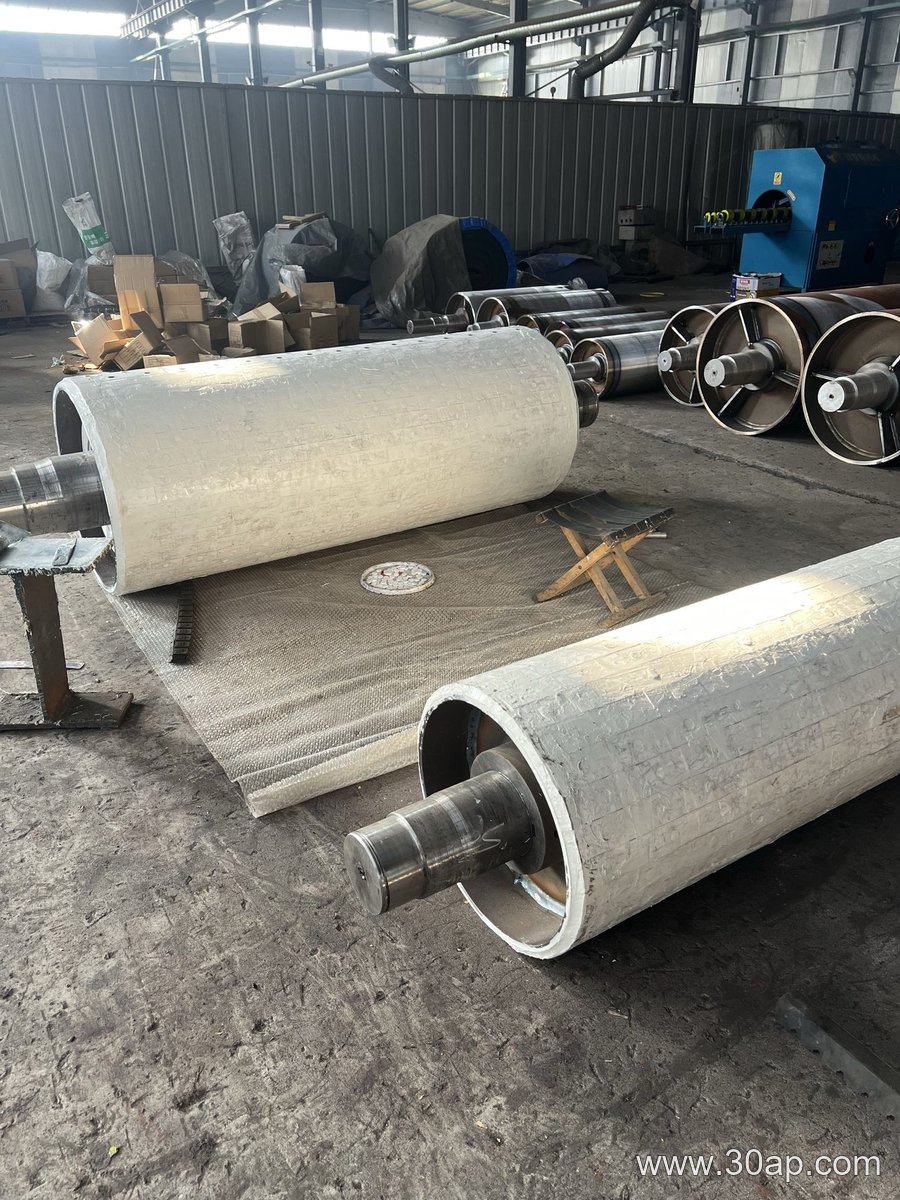
A conveyor pulley drives and tensions the belt. Choose drum or wing type based on duty.
Selection Tips
- Match diameter to belt speed and torque.
- Specify lagging for grip and wear resistance.
- Confirm shaft, bearing, and hub fit.
Purchasing Advice
Request load ratings, balance class, and material certificates. Compare lead times and warranty.
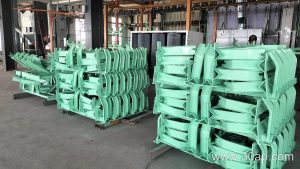
Why the Conveyor Bracket Matters
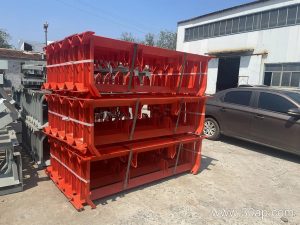
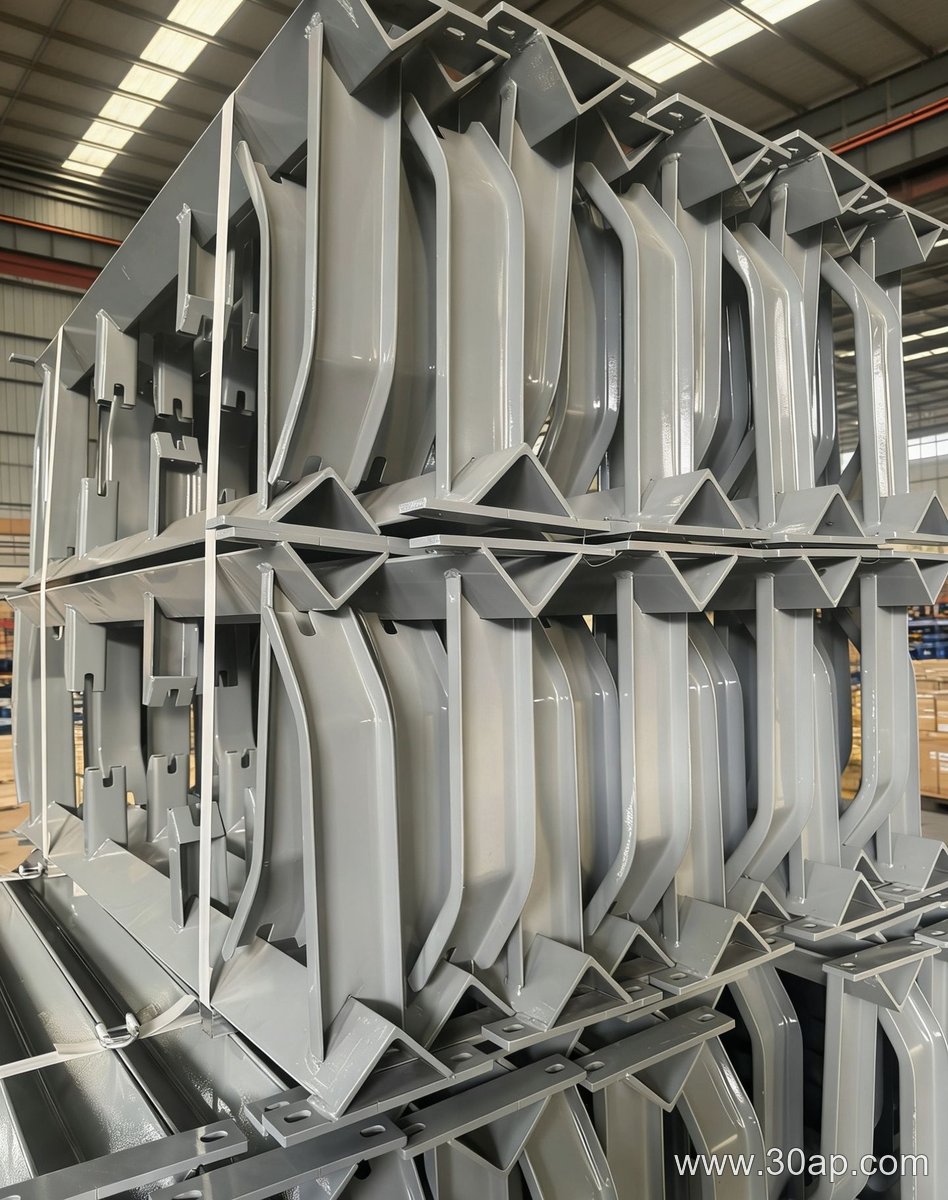
A conveyor bracket is the structural link that holds rollers, idlers, and frames in precise alignment. Without it, even a premium belt system fails early.
Selection and Purchasing Advice
- Match bracket material to load and environment: mild steel for dry goods, stainless steel for washdowns, galvanized for outdoor use.
- Check slot and hole patterns against your existing conveyor frame before ordering.
- Confirm load rating and corrosion resistance with the supplier.
- Buy from manufacturers offering dimensional drawings and batch traceability.
Prioritize fit, finish, and verified load capacity over lowest price to reduce downtime and replacement costs.