What the Anti-Impact Idler Does at the Loading Point
An anti-impact idler is a type of conveyor idler roller designed to absorb the shock of falling material at transfer points, preventing damage to the conveyor belt and the idler itself. Also called a buffer idler or impact roller, this component is installed in the loading zone where ore, coal, stone, or aggregate drops onto the belt. Without cushioning, the repeated impact can cause belt puncture, edge tearing, and premature wear on standard idlers. The anti-impact idler uses rubber rings or a flexible surface to dampen the force, making it essential in heavy-duty mining conveyor systems and quarry conveyor lines.
Construction and Key Components
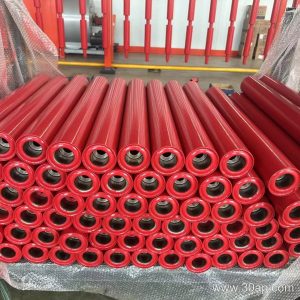
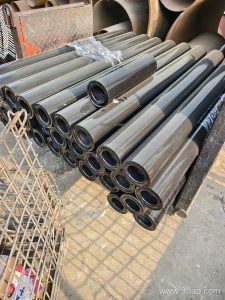
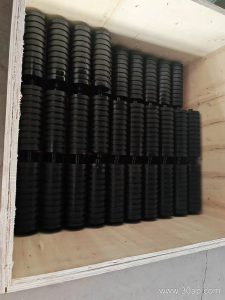
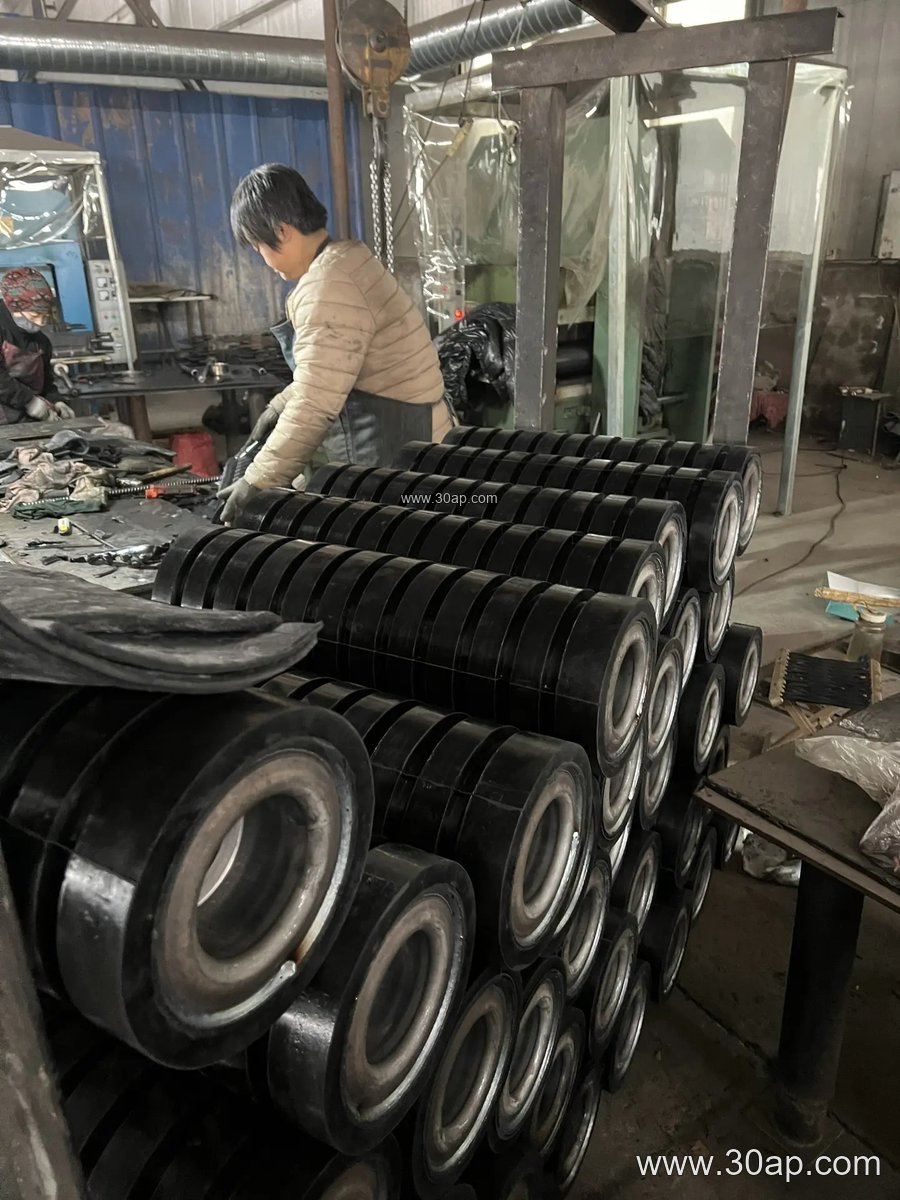
A typical anti-impact idler consists of a steel tube core covered with thick rubber rings or discs. The rubber rings are spaced along the roller to create a cushioning effect. The bearing housing is sealed to keep out dust and water, which is critical in dusty environments like coal mines and cement plants. Common bearing types include 6204, 6205, 6305, and 6306, selected according to load and speed requirements. The roller diameter often ranges from Ø89 to Ø159, with larger diameters for higher belt widths and heavier impact loads. The shaft is supported by a sturdy bracket that mounts to the conveyor frame.
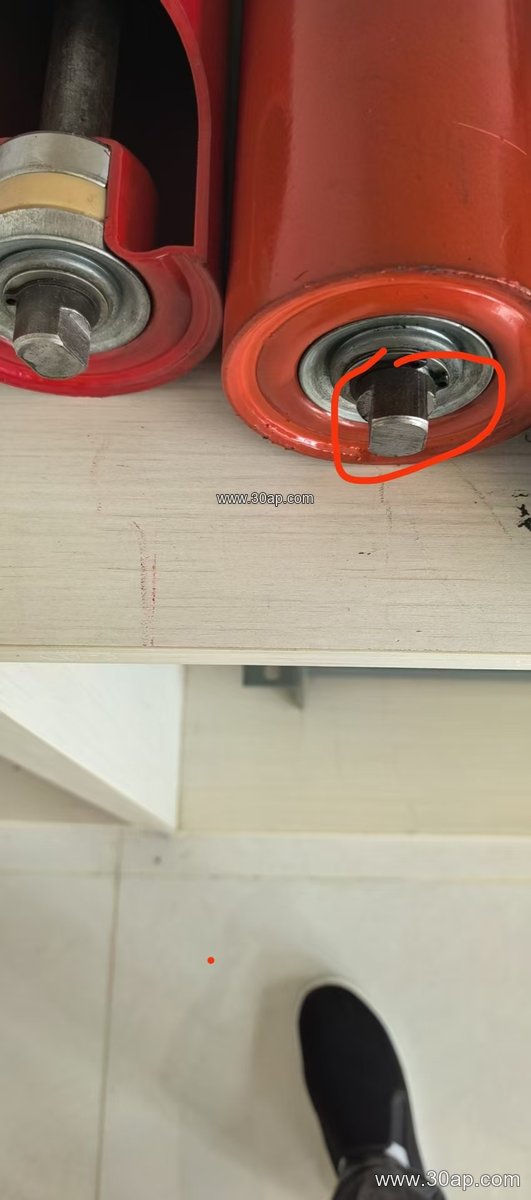
For abrasive materials, the rubber rings can be made from abrasion-resistant rubber to extend service life. In some designs, the impact idler is combined with a troughing arrangement, such as a three-roll set with 30-degree or 35-degree trough angle, to support the belt and guide the material. The idler length is matched to the belt width; for example, a B1000 belt typically uses a roll length around 380 mm in a three-roll troughing set, but this is a common reference and actual dimensions should be confirmed with the conveyor design.
Where Anti-Impact Idlers Are Used
These idlers are found in industries where bulk material is transferred with significant drop height. In coal mining, they protect the conveyor belt at the crusher discharge and at belt-to-belt transfer points. In aggregate and quarry operations, they are placed under the primary crusher and screen feed points to handle large rock lumps. Cement plants use them at clinker and raw material loading zones, while power plants rely on them in coal handling systems. The rubber rings also help reduce noise and vibration, contributing to a safer workplace.
When selecting an anti-impact idler, consider the belt width, material lump size, drop height, and belt speed. The idler should be mounted on a rigid frame with adequate support to prevent deflection. Regular inspection of the rubber rings for wear or cracking is recommended, and replacement should be done before the rings wear down to the metal core. Properly installed anti-impact idlers extend the life of the conveyor belt and reduce downtime in demanding applications.
Selection and Maintenance Tips
- Choose the idler diameter and bearing based on the belt width and load; for instance, a B1200 belt may use Ø133 or Ø159 idlers with 6305 or 6308 bearings.
- Ensure the rubber ring hardness matches the material; softer rubber for light aggregate, harder for heavy ore.
- Check alignment and clearance during installation to avoid belt mis-tracking.
- Inspect rubber rings monthly for cuts, wear, or hardening; replace worn rings to maintain cushioning.
- Keep the idler area clean to prevent material buildup that can cause belt damage.
For more information on conveyor components, visit our website conveyor idler and conveyor belt pages.