What a Stone Conveyor Idler Does
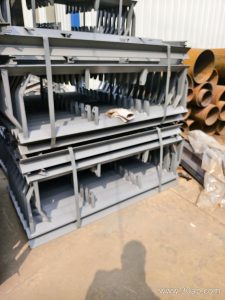
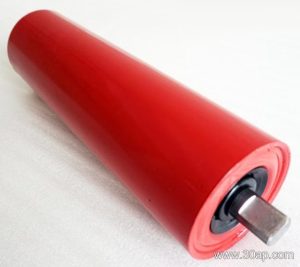
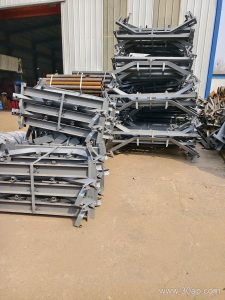
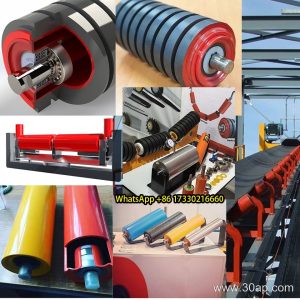
A stone conveyor idler is the rotating roller assembly that supports and guides the conveyor belt along the carrying and return runs. In hard-rock quarries, limestone mines, iron ore plants and sand and gravel lines, the stone conveyor idler carries a heavy, abrasive load while keeping the belt tracking smoothly. The idler roller turns on its shaft through bearings, and the frame or bracket holds the roller at the correct angle. Rather than one uniform part, the stone conveyor idler family includes troughing idlers, return idlers, impact idlers and self-aligning idlers, each chosen for a specific position on the conveyor.
How a Stone Conveyor Idler Is Built
The main components are the roller shell, the shaft, the bearing housing and the sealing arrangement. Shells are commonly made from steel tube, and in dusty crushing circuits the surface may be fitted with rubber rings for impact absorption. Bearings such as 6204, 6205, 6305, 6306, 6308 and 6310 are used depending on load and roller diameter. The seal is critical in stone applications because fine dust and water ingress shorten bearing life. A well-built stone conveyor idler uses labyrinth or multi-stage seals and sufficient grease to resist grit. Typical roller diameters for stone duty include 89 mm, 108 mm, 133 mm, 159 mm and 178 mm, though the exact size follows the belt width, load and speed.
Common Types and Their Place on the Conveyor
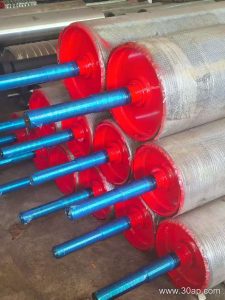
The troughing idler, often supplied as a two-roll or three-roll set, forms the belt into a trough so that bulk stone stays centered. Trough angles of 20 degrees, 30 degrees, 35 degrees and 45 degrees are common; a larger angle suits wider belts and higher capacity. Return idlers support the empty belt underneath, and a V-shaped return idler helps remove sticky fines and improves tracking. Impact idlers with rubber rings sit under the loading point to cushion falling rock. Self-aligning idlers, including friction and tapered types, correct belt drift on long curves. It is worth noting that a conveyor pulley at the drive, tail or bend position serves a completely different function from an idler roller, so the two should never be treated as interchangeable.
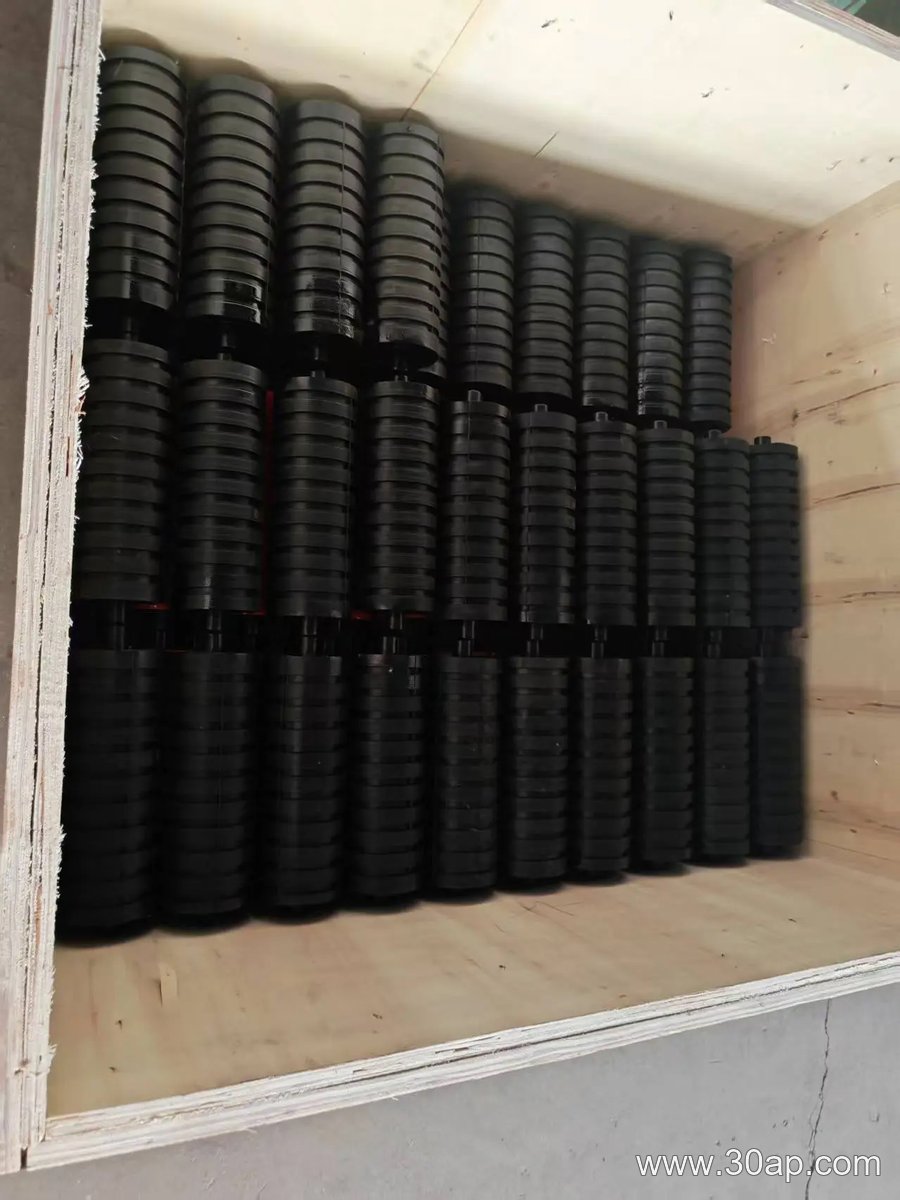
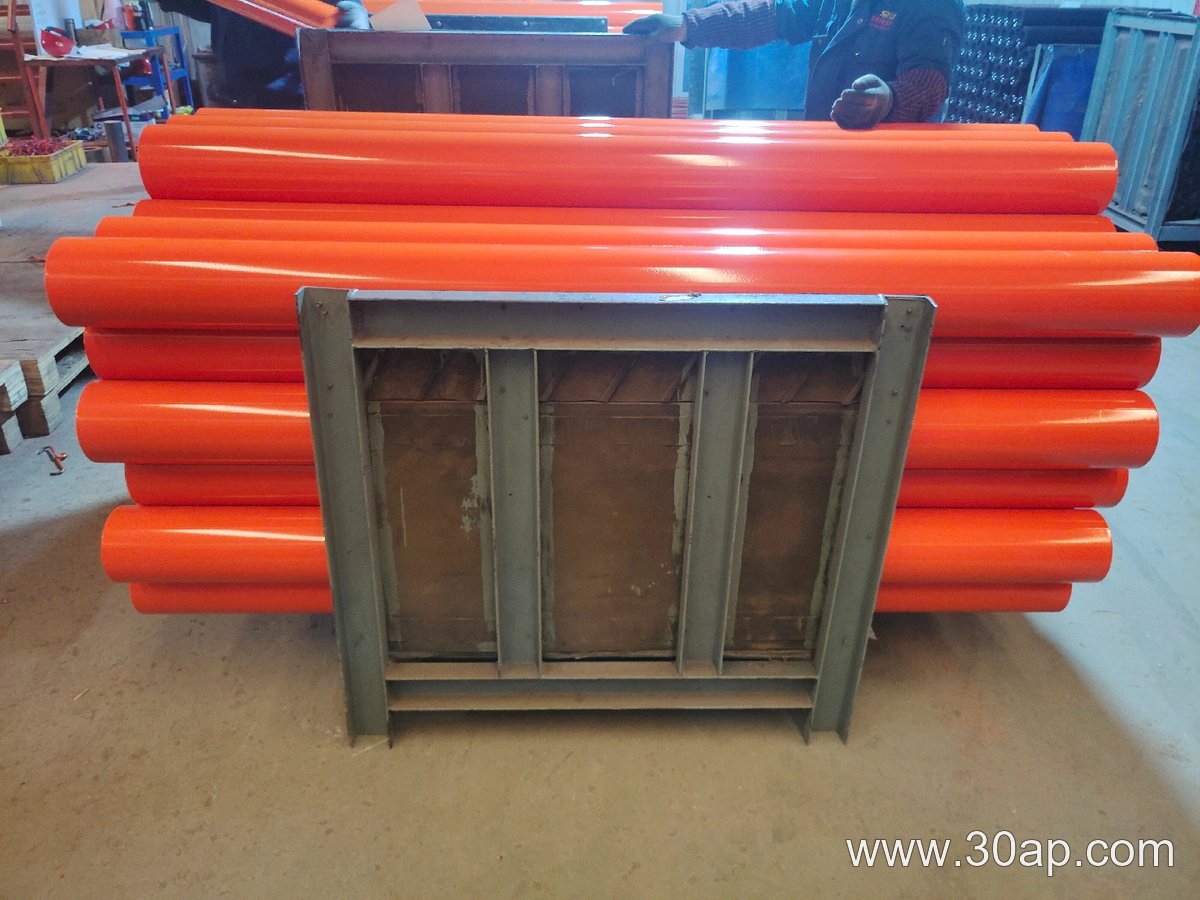
Typical Stone Conveyor Idler Dimensions
The table below gives common reference values. Roller length varies with belt width, trough angle and idler arrangement, and side rollers may differ from the center roller. Treat these as general examples, not fixed pairings.
| Belt width | Common roller length (three-roll troughing) | Typical roller diameter range |
|---|---|---|
| B500 | about 200 mm | 63–89 mm |
| B650 | about 250 mm | 76–108 mm |
| B800 | about 315 mm | 89–133 mm |
| B1000 | about 380 mm | 108–159 mm |
| B1200 | about 465 mm | 108–178 mm |
| B1400 | about 530 mm | 133–178 mm |
| B1600 | about 600 mm | 133–194 mm |
| B1800 | about 670 mm | 159–219 mm |
| B2000 | about 750 mm | 159–219 mm |
Belt widths from B400 up to B2400 exist across the industry, and larger widths generally call for larger idler diameters and heavier brackets. A single belt width does not lock the design to one pulley diameter or one shaft size; those values follow the full conveyor calculation.
Where Stone Conveyor Idlers Are Used
These idlers appear in quarry primary crushing stations, aggregate washing plants, cement raw-material handling, coal preparation plants, power station coal yards, port bulk terminals and tunnel muck removal. In each case the environment decides the specification. A crushing and screening line with heavy drop heights needs impact idlers at the transfer point, while a long overland stone conveyor may use self-aligning idlers on every few hundred meters to hold the belt on track.
What Buyers Should Check Before Ordering
- Confirm the belt width, trough angle and idler arrangement so that roller length and bracket spacing match the existing conveyor.
- Match the roller diameter to belt speed and load; a larger diameter reduces rotational speed and can extend bearing life.
- Check the seal class and bearing number for dusty or wet stone conditions.
- Decide whether steel, nylon, ceramic or rubber-ring surfaces suit the material being carried.
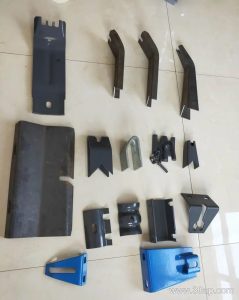
- Verify shaft end fixing, bracket type and mounting hole spacing, since these differ between manufacturers.
- Ask for the grease type and service interval, and keep a stock of spare rollers for critical transfer points.
Regular inspection of the stone conveyor idler set, together with correct alignment and tension of the conveyor belt, prevents most premature failures. Replacing a seized idler roller early is far cheaper than repairing a damaged belt or a scored conveyor pulley.