What a Conveyor Impact Idler Does at the Loading Point
At the transfer point where bulk material first lands on the belt, the conveyor impact idler absorbs the energy of falling rock, ore, or aggregate. Unlike a standard carrying idler, this idler is built with resilient surfaces that cushion the load before it reaches the belt cover. In a quarry, limestone mine, or crusher discharge line, the impact zone is where a conveyor belt suffers the most abuse. A properly specified impact idler roller reduces point loading, protects the carcass, and keeps the belt tracking straight through the loading chute.
How the Impact Idler Is Built
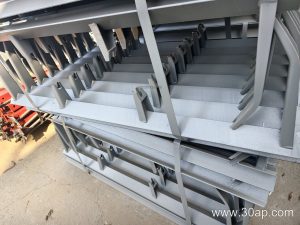
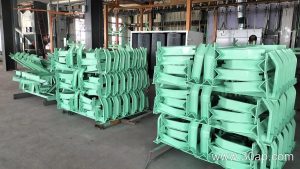
The typical conveyor impact idler uses a steel tube body fitted with rubber rings or a continuous rubber sleeve. The rubber rings are spaced along the roller face so that fines can fall through rather than pack between them. Inside, the bearing housing is sealed against dust and water, often with a labyrinth seal and grease retention system. The shaft ends sit in a conveyor bracket that mounts to the conveyor frame. Bearing sizes vary with load and roller diameter; common selections include 6205, 6305, and 6306, but the bearing is matched to the duty rather than to a single roller size.
Core Components
- Heavy-gauge steel roller shell
- Rubber rings or rubber lagging for impact absorption
- Sealed ball bearing assembly
- Fixed or adjustable shaft with bracket mounting
- Anti-corrosion finish for wet or dusty environments
Where Impact Idlers Fit on the Conveyor
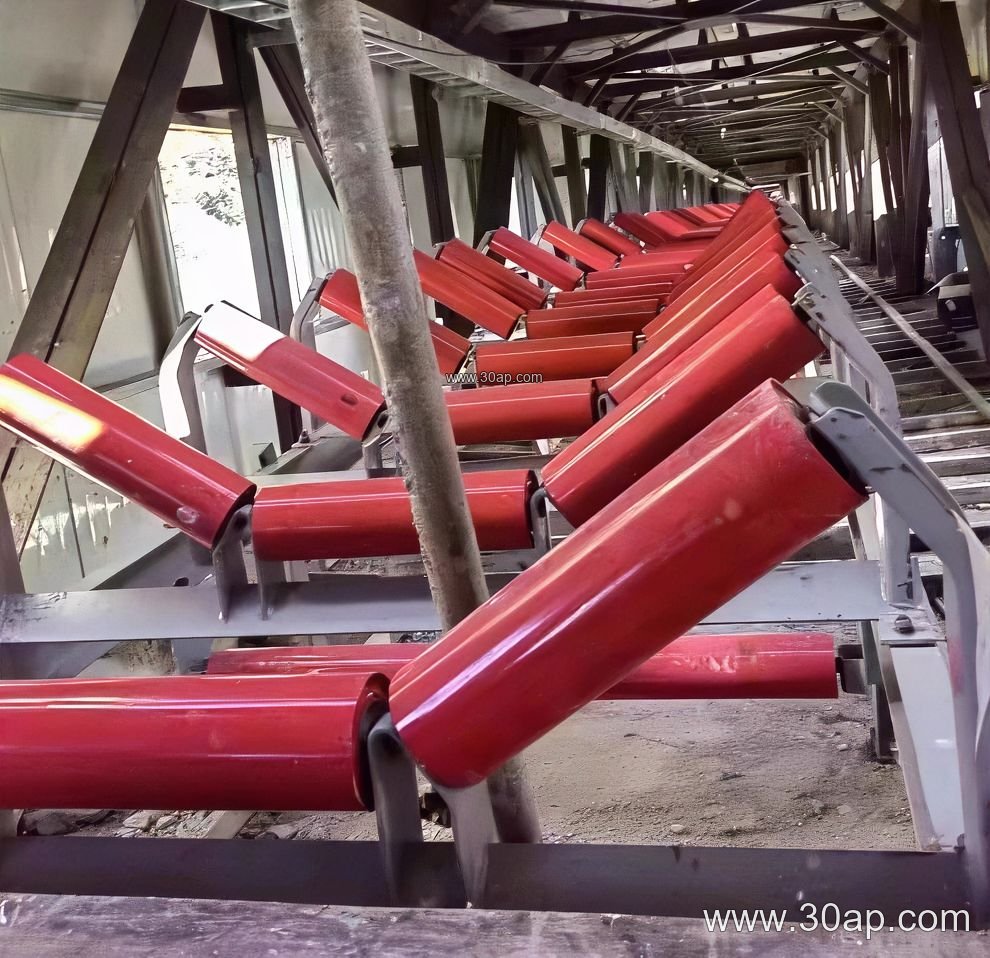
These idlers are installed in the impact cradle directly under the loading chute, usually as a three-roll troughing set or a closely spaced series of idlers. In a coal mining conveyor or power plant coal handling line, impact idlers sit beneath the transfer point where coal drops from the crusher or screen. In a cement plant, they protect the belt at the clinker and raw material transfer. The same applies in aggregate conveyors, sand and gravel plants, and port ship loading systems where material free fall is significant.
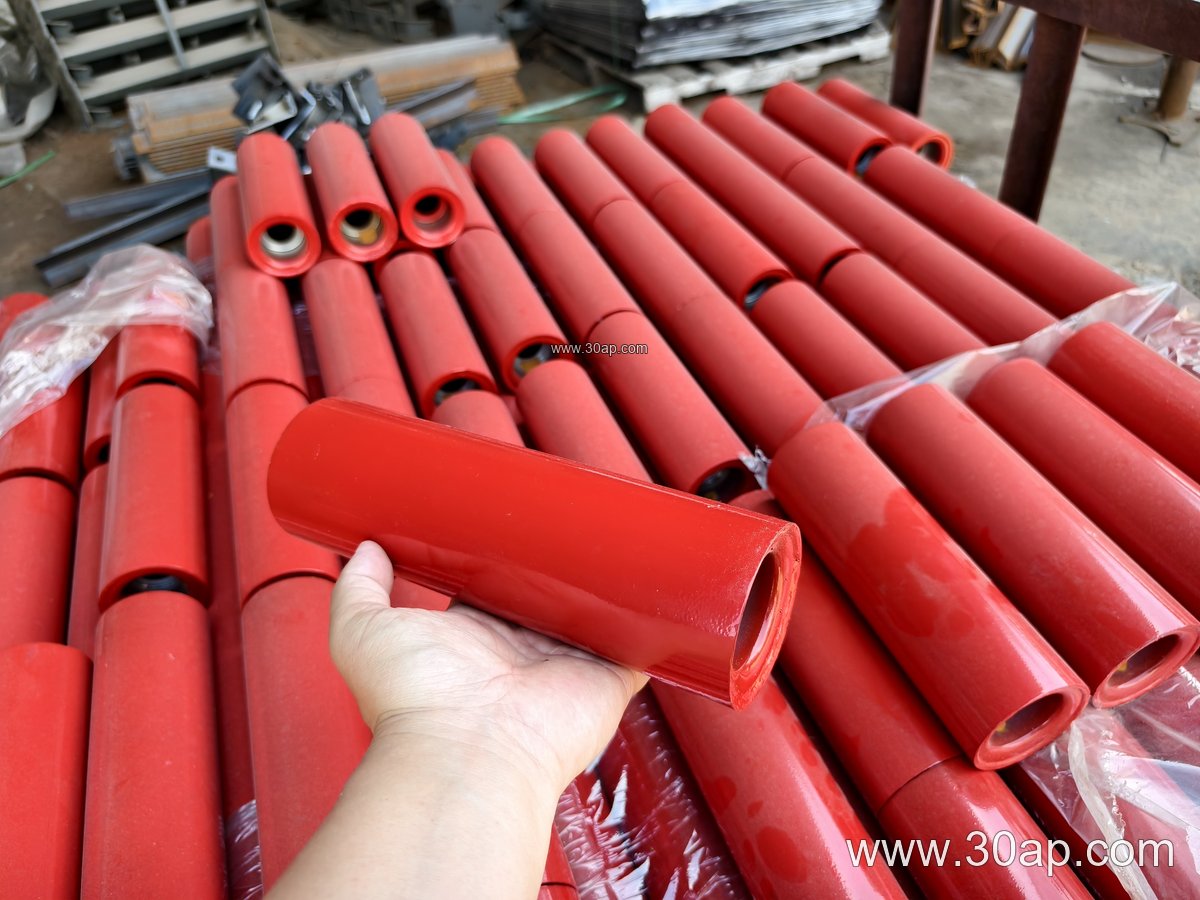
Impact idlers are not a substitute for the carrying idler train or the return idler set. They are a specific subtype used only at high-shock locations. For general troughing, a standard three-roll carrying idler is used; for the return side, a flat or V-return idler is chosen. The impact idler is selected for the loading zone alone.
Matching Impact Idler Dimensions to the Conveyor
Roller diameter, belt width, and trough angle all influence the impact idler selection. The following table lists common reference dimensions; actual values should be confirmed with the conveyor design.
| Parameter | Common Range or Example |
|---|---|
| Roller diameter | Ø89, Ø102, Ø108, Ø127, Ø133, Ø159, Ø178 mm |
| Belt width | B500, B650, B800, B1000, B1200, B1400, B1600, B1800, B2000 mm |
| Trough angle | 20°, 30°, 35°, 45° |
| Roller length (three-roll trough, example) | B500 ≈ 200 mm; B650 ≈ 250 mm; B800 ≈ 315 mm; B1000 ≈ 380 mm; B1200 ≈ 465 mm; B1400 ≈ 530 mm; B1600 ≈ 600 mm |
| Bearing (typical) | 6204, 6205, 6305, 6306, 6308, 6310 |
These figures are typical examples, not fixed pairings. The side roll and center roll may differ in length, and the impact idler length is determined by belt width, trough angle, and frame design. A 1200 mm wide conveyor belt does not automatically require one specific shaft diameter; the shaft is sized by load and bearing selection.
Belt Protection and Material Compatibility
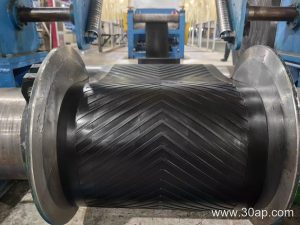
The impact idler works together with the conveyor belt cover. A high abrasion resistant conveyor belt or a heavy-duty mining conveyor belt is often used in the same impact zone, but the idler still plays the primary role in absorbing shock. For hot materials such as clinker or sinter, a heat resistant conveyor belt may be paired with heat-tolerant impact idlers. In underground coal mining, flame retardant conveyor belt and anti-static conveyor belt grades are common, and the impact idler should be selected with sealed bearings that resist coal dust. In a quarry or iron ore line, an abrasion resistant conveyor belt and robust impact rollers extend service life.
Buyer Checklist for Conveyor Impact Idlers
- Confirm the belt width and trough angle before choosing roller length.
- Check the drop height and material lump size to estimate impact energy.
- Select roller diameter and bearing based on load, not on belt width alone.
- Verify the bracket pattern matches the existing conveyor frame.
- Choose rubber ring spacing that suits the material; fine wet material may need closer spacing or a different surface form.
- Review seal type for dust, water, or washdown conditions.
- For extreme conditions, consider a rubber ring impact idler with reinforced shell.
Maintenance Notes
Inspect impact idlers at the loading point for rubber ring wear, shell deformation, and bearing play. A seized bearing can score the shaft and damage the bracket. Grease ports, where present, should be serviced on a schedule. In a coal handling plant or cement plant, fugitive material buildup around the impact cradle should be cleared to prevent the belt from riding off-center. Replacing worn impact idlers before the belt cover is damaged is far less costly than replacing the belt itself.
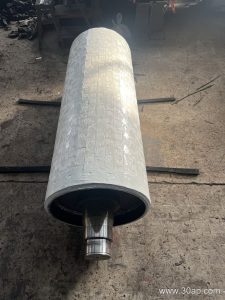
For related conveyor components, matching the impact idler with the correct conveyor pulley and conveyor bracket ensures a stable loading zone. The impact idler remains a focused solution for shock absorption, not a general replacement for carrying or return idlers.