What a Q235 Conveyor Bracket Does
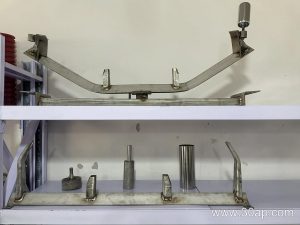
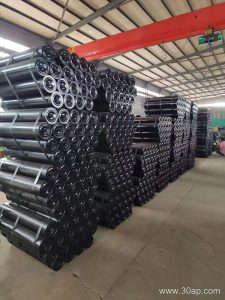
A Q235 conveyor bracket is the structural support that holds idler rollers in place on a belt conveyor. Often called a conveyor idler bracket or roller support bracket, it keeps the rollers at the correct height, angle, and spacing so the conveyor belt runs smoothly. In a quarry, cement plant, or coal handling system, these brackets carry the weight of the belt, the material, and the rollers themselves. Without a sturdy bracket, the idler roller would shift, the belt would misalign, and maintenance costs would climb.
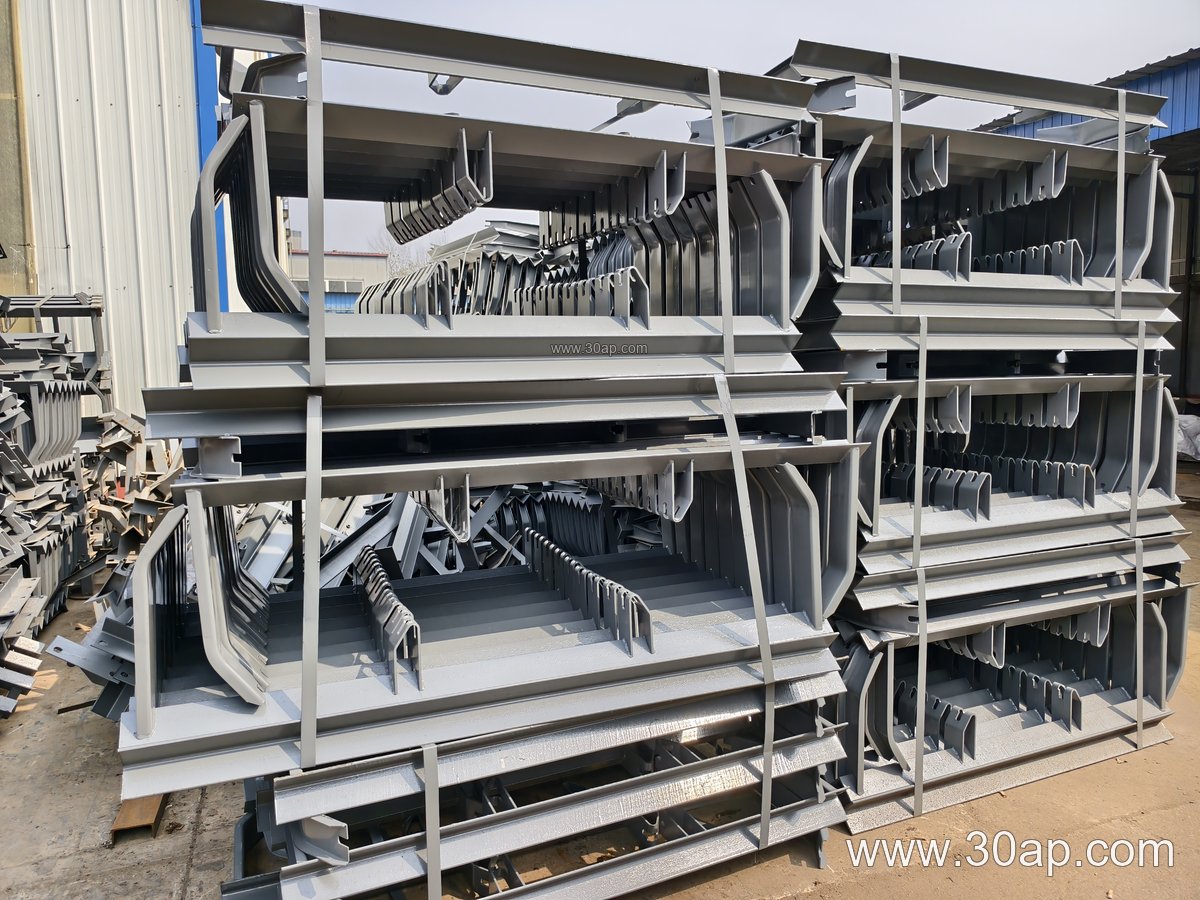
Q235 refers to a common carbon structural steel grade. It offers good weldability and enough strength for typical conveyor frames. Brackets are usually formed from angle steel, channel steel, or bent steel plate, then drilled and welded to match the roller shaft and the conveyor stringer.
How the Bracket Is Built
The construction depends on the bracket type and the conveyor design. A troughing bracket, for example, uses angled arms to set the side rollers at a specific trough angle. A return bracket holds the belt on the return run, often with a flat or V-shaped arrangement. The bracket may be fixed or adjustable; adjustable types let maintenance crews change the trough angle or roller position without cutting and rewelding.
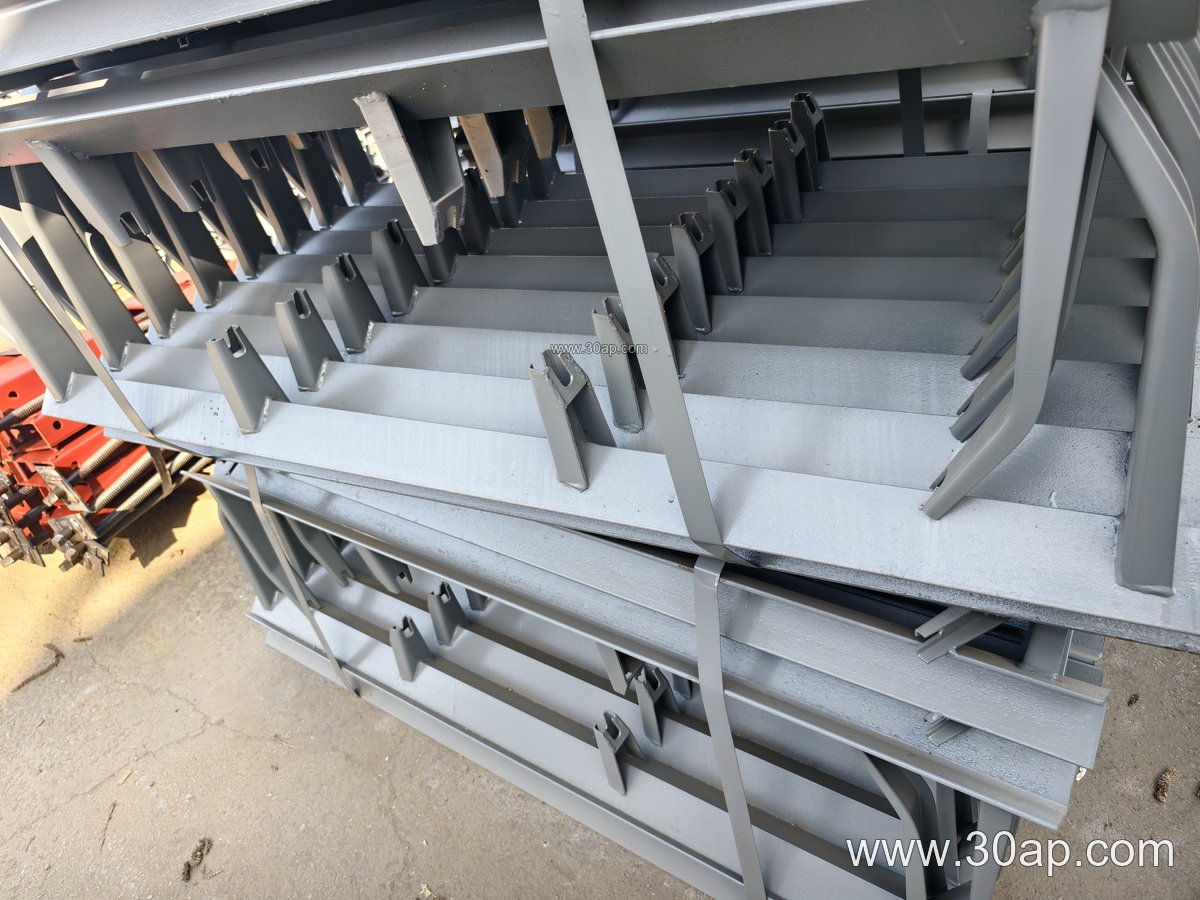
Typical materials include:
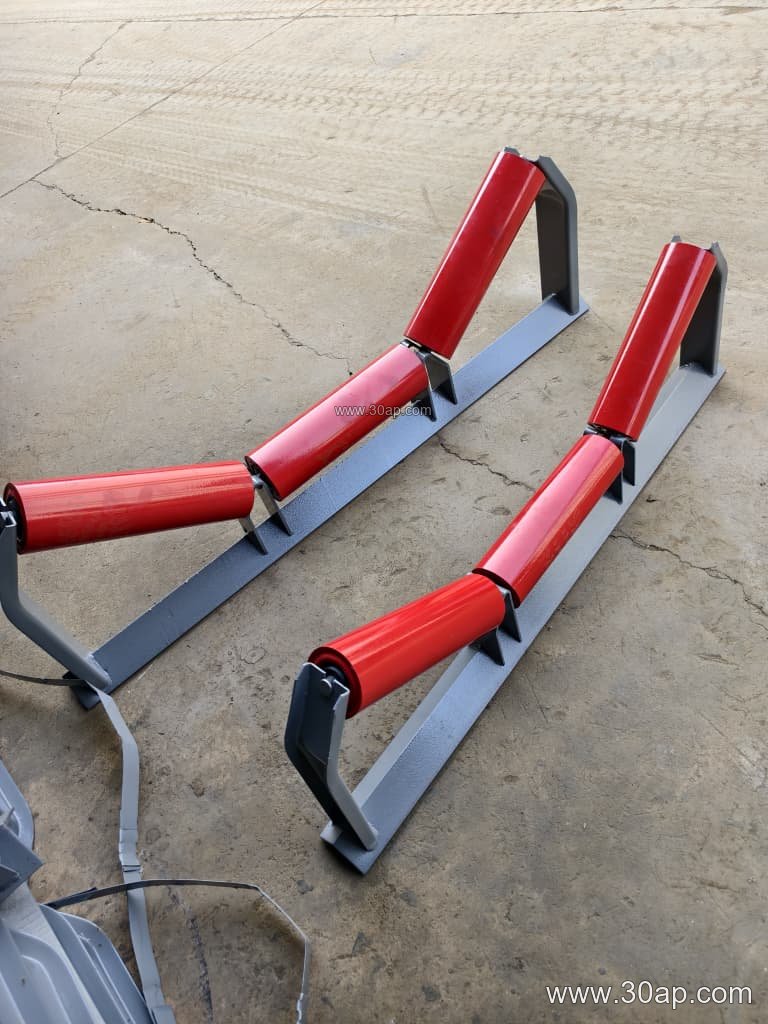
- Angle steel for lighter duty frames
- Channel steel for heavier loads
- Bent steel plate for compact or custom shapes
Mounting hole spacing and crossbeam length are not universal. They change with belt width, trough angle, and the roller diameter used. A bracket that fits a B800 conveyor will not automatically fit a B1200 frame. Buyers should confirm hole centers, beam length, and roller shaft size before ordering.
Where Q235 Conveyor Brackets Are Used
These brackets appear in almost any bulk material handling line. In a limestone mine or crushing plant, they support troughing idlers under a loaded conveyor belt. In a coal washing plant or power station coal yard, they hold return rollers that keep the belt tracking. Sand and gravel lines, fertilizer granulation plants, and grain silos also rely on them. The bracket itself is simple, but it must match the conveyor pulley layout and the idler roller series used on that line.
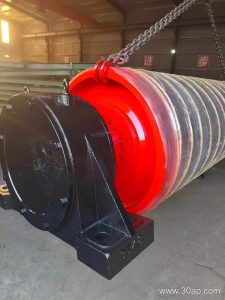
Drive pulleys, tail pulleys, and bend pulleys are not interchangeable with brackets, and each pulley type has its own mounting requirements. A Q235 bracket is specifically the roller support component, not a pulley substitute.
Common Types and Reference Dimensions
Several bracket types cover different positions on the conveyor. The table below shows typical examples; actual sizes follow the conveyor design.
| Bracket Type | Common Belt Width | Trough Angle | Typical Roller Diameter |
|---|---|---|---|
| Troughing bracket | B500, B650, B800 | 20°, 30°, 35° | Ø89, Ø108 |
| Transition bracket | B800, B1000, B1200 | 35°, 45° | Ø108, Ø133 |
| Return bracket (flat) | B650, B800, B1000 | — | Ø89, Ø108, Ø133 |
| V-return bracket | B1000, B1200, B1400 | — | Ø108, Ø133, Ø159 |
| Impact bracket | B800, B1000, B1200 | 30°, 35° | Ø108, Ø133, Ø159 |
| Self-aligning bracket | B800, B1000, B1200, B1400 | 30°, 35°, 45° | Ø108, Ø133 |
Adjustable brackets can usually be set between 20° and 45° trough angles. Forward-leaning brackets often use about 1.5° to 2° of tilt to help belt tracking. These values are reference data, not fixed rules; a B1200 conveyor might use a 30° or 45° trough angle depending on the material and belt speed.
Buyer Checklist
Before selecting a Q235 conveyor bracket, gather the following:
- Belt width and conveyor frame dimensions
- Idler roller diameter and shaft size
- Required trough angle for troughing or transition brackets
- Fixed or adjustable configuration
- Mounting hole pattern and crossbeam length
- Operating environment (dust, moisture, impact load)
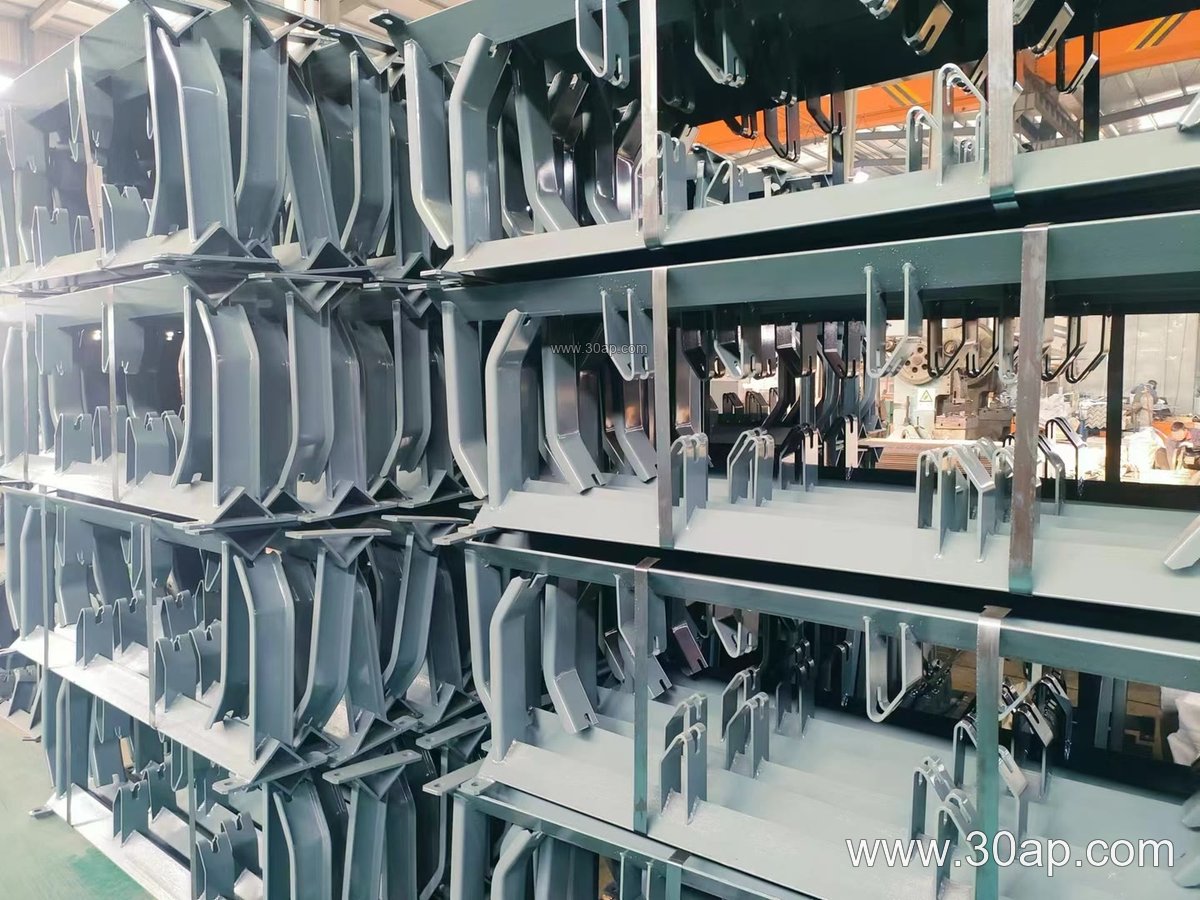
Also confirm whether the bracket will be welded or bolted to the stringer. A bracket that matches the roller series and the frame saves installation time and keeps the conveyor belt centered. For heavy impact zones, such as a crusher discharge, a reinforced impact bracket may be more suitable than a standard troughing bracket. In dusty cement or coal yards, galvanized or painted finishes can help extend service life, though the base material remains Q235 steel.
Finally, remember that the bracket works as part of a system. It must fit the idler roller, align with the conveyor pulley, and support the belt without creating pinch points. Checking these details early avoids downtime and keeps the material flowing.