Why the spiral matters
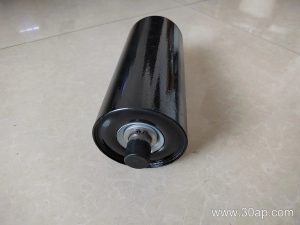
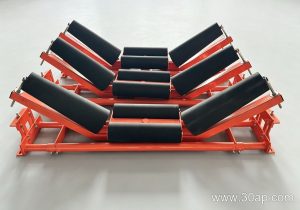
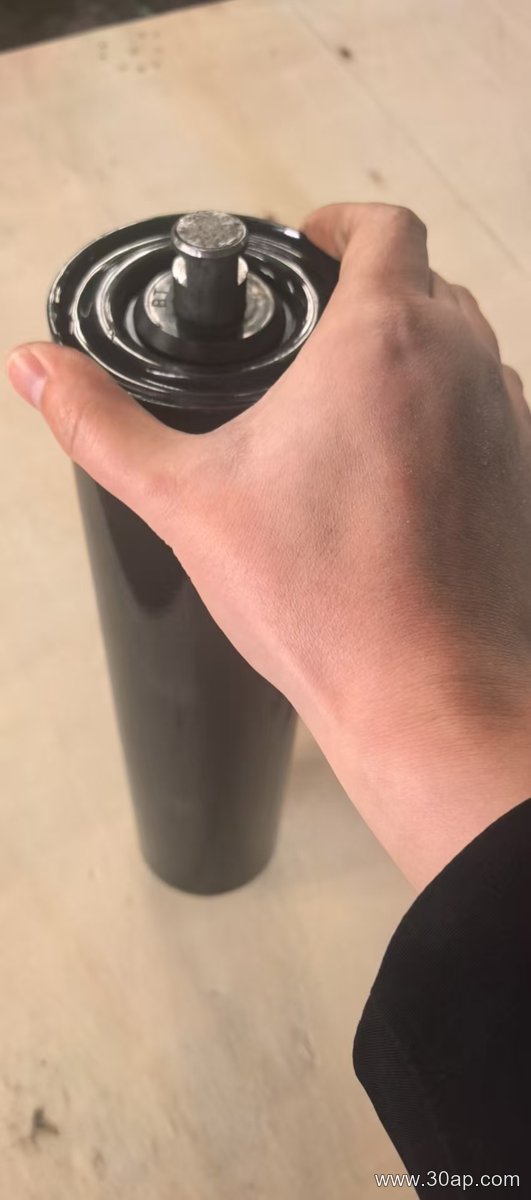
A rubber spiral idler roller uses a helical groove that guides sticky fines away from the belt. In a cement plant, this self-cleaning action reduces build-up on the shell.
Engineering trade-off
The helix angle affects how quickly material migrates to the edges. A steeper spiral sheds faster but can increase belt wander. Specifying a moderate angle balances cleaning with tracking.
How Does a Conveyor Pulley Resist Abrasion in a Dusty Quarry Without Frequent Lagging Replacement
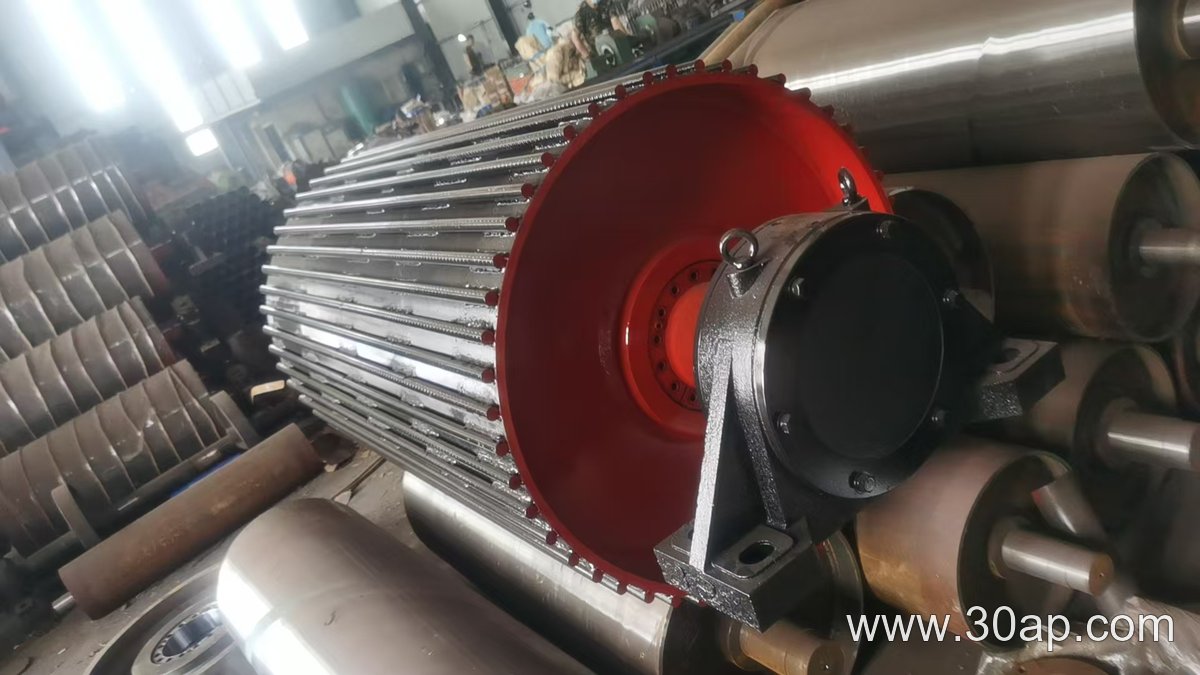
A common misconception is that any rubber lagging will survive a quarry. In reality, abrasive dust grinds the conveyor pulley shell like sandpaper. The mechanism: dust lodges between belt and lagging, creating a cutting action with every revolution.
The abrasion-resistant solution
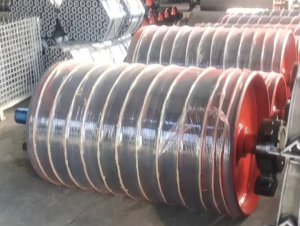
To extend service life, specify a conveyor pulley with thick, high-duration rubber lagging and a robust shell. Grooved lagging channels dust away, reducing wear. Hardened weld overlays on the shell also help. This combination keeps the conveyor pulley running longer in dusty conditions.
Which conveyor bracket fixing method survives a high-speed ore terminal without loosening?
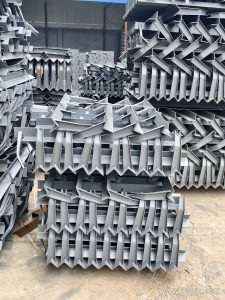
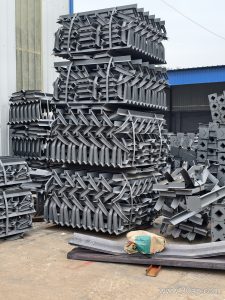
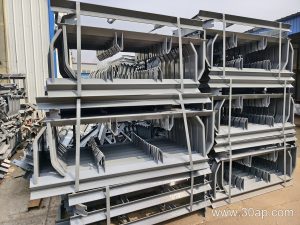
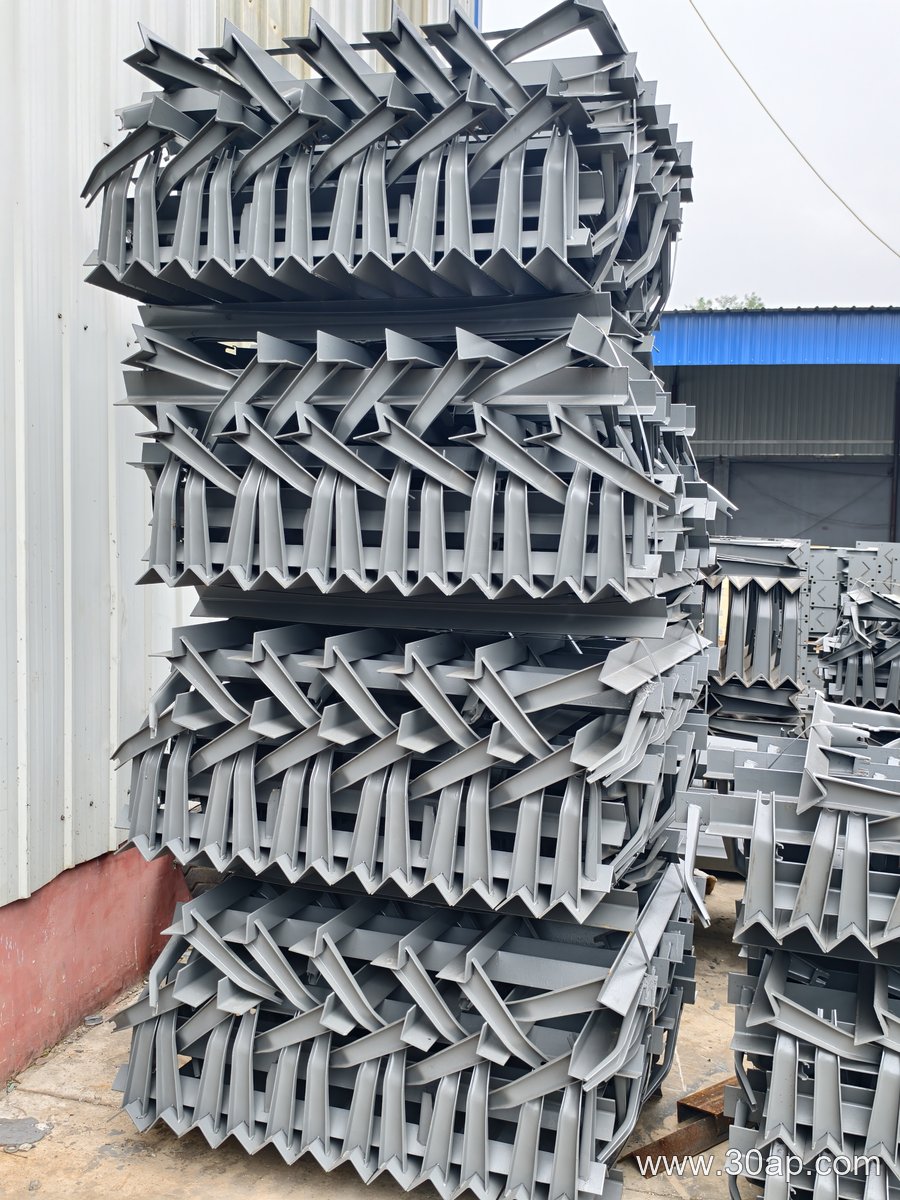
At a high-speed ore terminal, vibration from impact and belt speed can loosen a bolted conveyor bracket. Welded brackets resist loosening but complicate replacement. The choice depends on speed, temperature, and maintenance access.
Material, speed, and temperature checks
For speeds above 4 m/s, use welded or heavy-duty bolted brackets with locking features. In hot zones above 80°C, avoid galvanized coatings; choose carbon steel or stainless. For corrosive salt air, 316 stainless or hot-dip galvanizing helps.
Operating condition trade-offs
- High impact: welded brackets with gussets
- Frequent maintenance: bolted brackets with slotted holes
- Wet or abrasive: sealed fasteners or welded seams
In a hypothetical ore terminal, a bolted conveyor bracket with Nord-Lock washers and weekly torque checks may work, but a welded design often lasts longer. Always verify with a qualified engineer.
How Does a Dusty Quarry Keep a Conveyor Belt Running When Fine Rock Dust Coats Every Roller
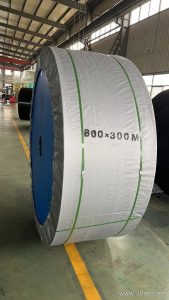
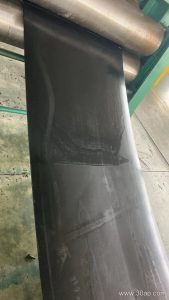
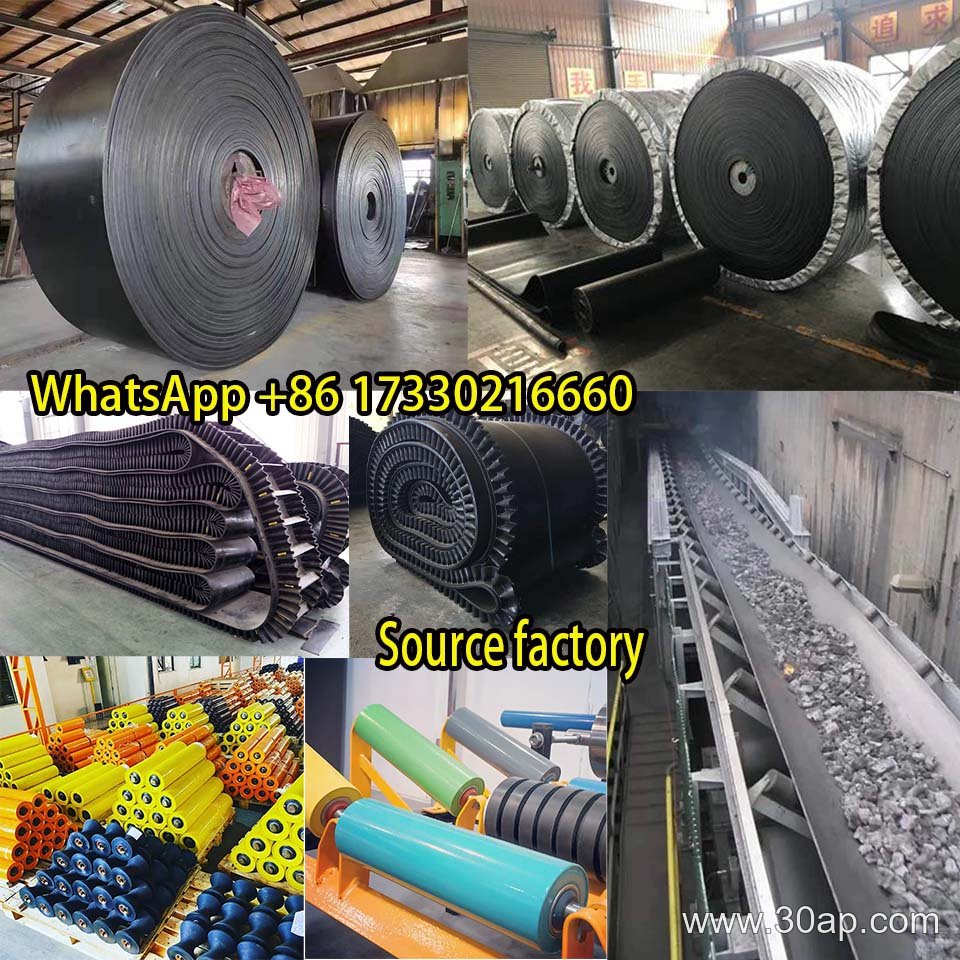
In a quarry, fine dust settles on the conveyor belt and idlers. This dust can cause the belt to slip or mistrack. To solve this, use a belt with a smooth cover and install scrapers. Also, seal the idlers and use a dust suppression system. These actions keep the conveyor belt moving reliably.
Key Actions for Dusty Conditions
- Choose a conveyor belt with a cover that resists abrasion and dust buildup.
- Install belt cleaners to remove dust from the return side.
- Use sealed idlers to prevent dust ingress.
- Apply water sprays or enclosures to reduce airborne dust.