What the Four-Roll Idler Bracket Does
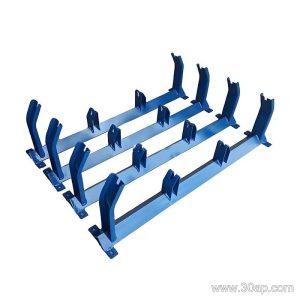
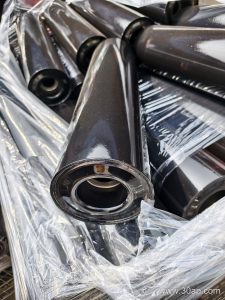
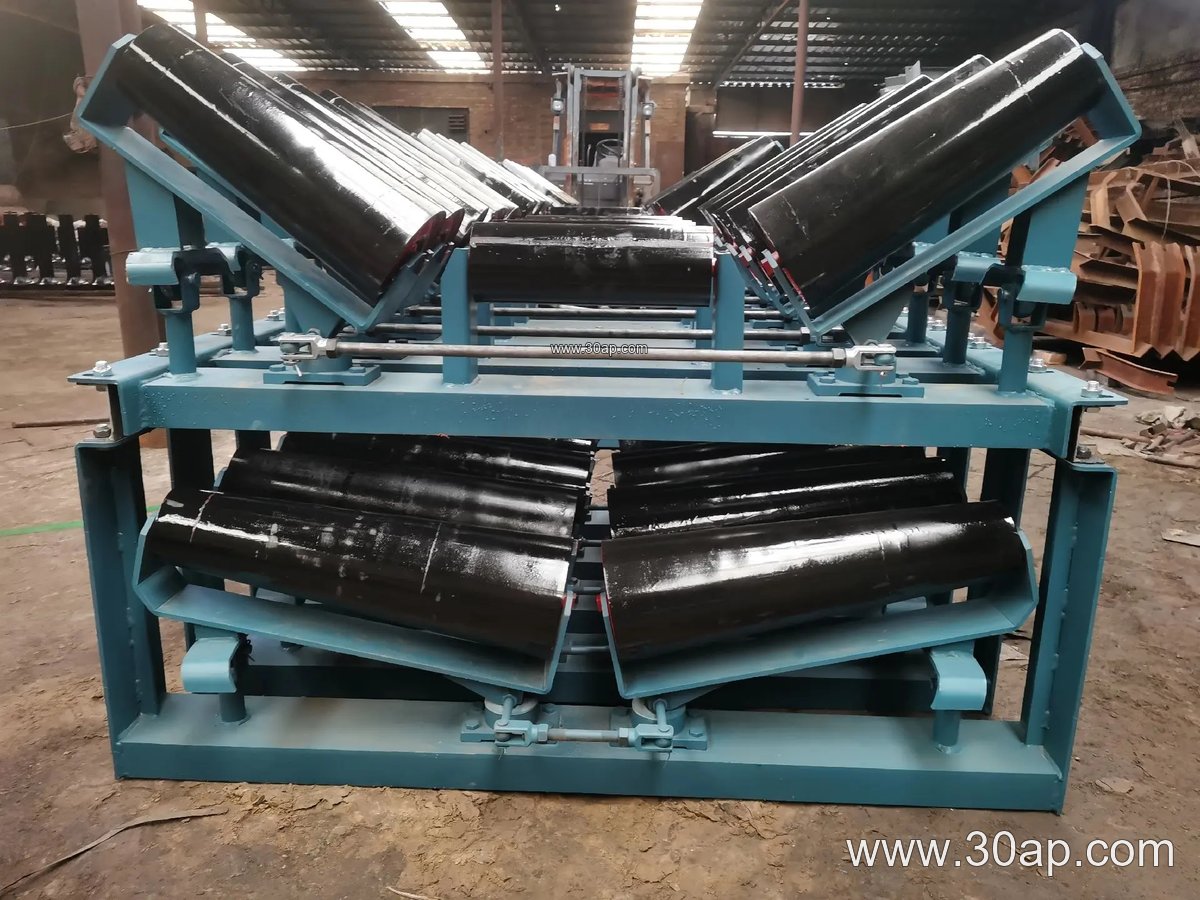
The four-roll idler bracket is a support frame that carries four idler rollers under the loaded side of a conveyor belt. Instead of the usual three-roll arrangement, this bracket positions two outer rolls at a steeper angle and two inner rolls at a shallower angle, forming a deeper, more rounded trough. The result is a belt cross-section that holds bulk material more securely, which matters when a conveyor carries large lumps, wet or sticky loads, or a wide belt that tends to sag between support points. Operators in quarry lines, cement plants and bulk terminals often look at this bracket when a standard three-roll set no longer keeps the belt profile stable.
In everyday plant language the same item is called a four-roller idler frame or a four-roll carrying bracket. Those names describe the same assembly; they are not different products.
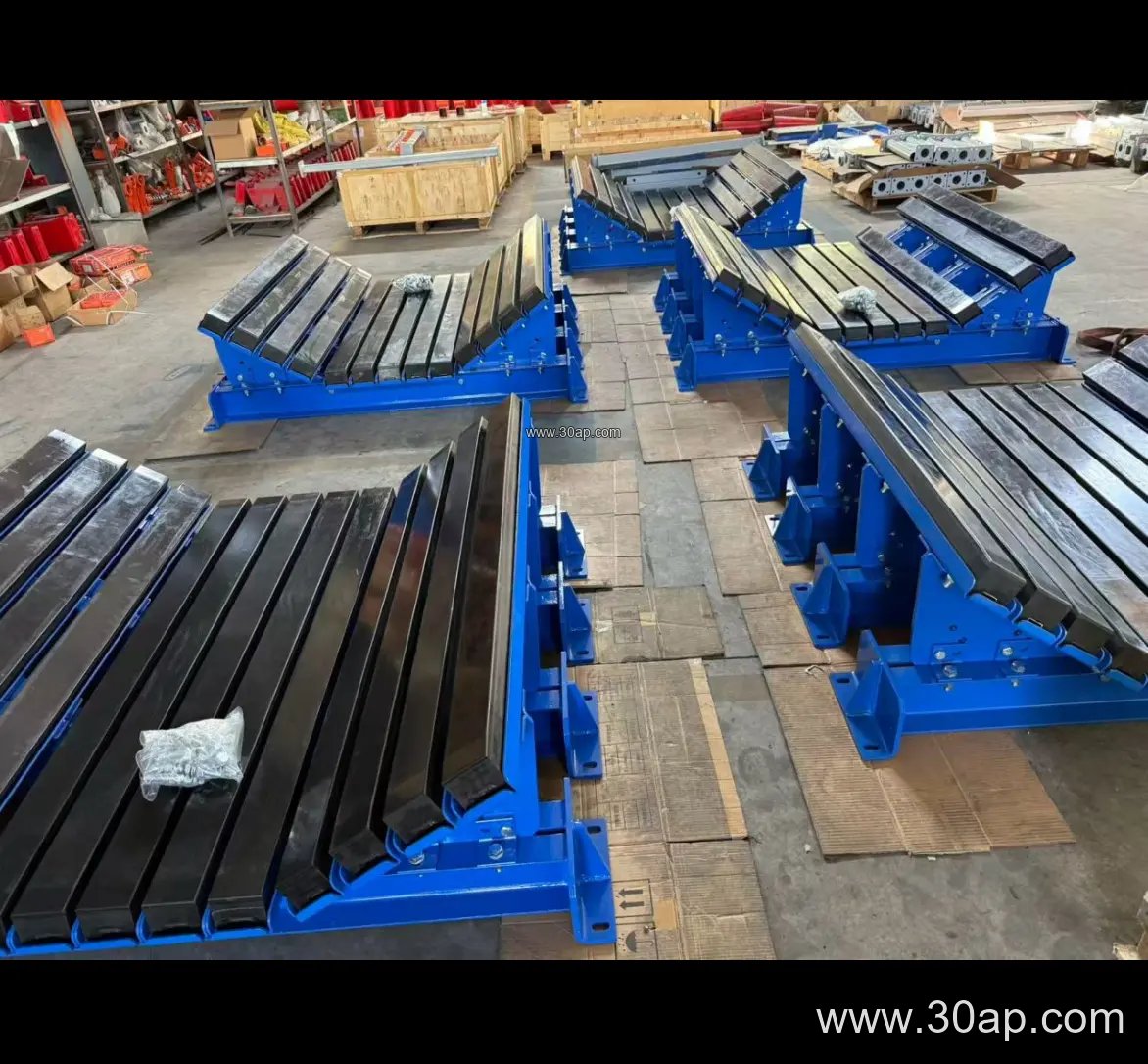
How the Frame Is Built
Most four-roll idler brackets are welded or bolted from angle steel, channel steel or folded steel plate. The cross beam carries four mounting positions, and the two outer stations are set at a larger trough angle than the inner pair. The bracket is fixed to the conveyor stringer with bolts through slotted or drilled holes, and the hole spacing and beam length change with belt width and trough angle, so they are determined by design rather than taken as a fixed figure.
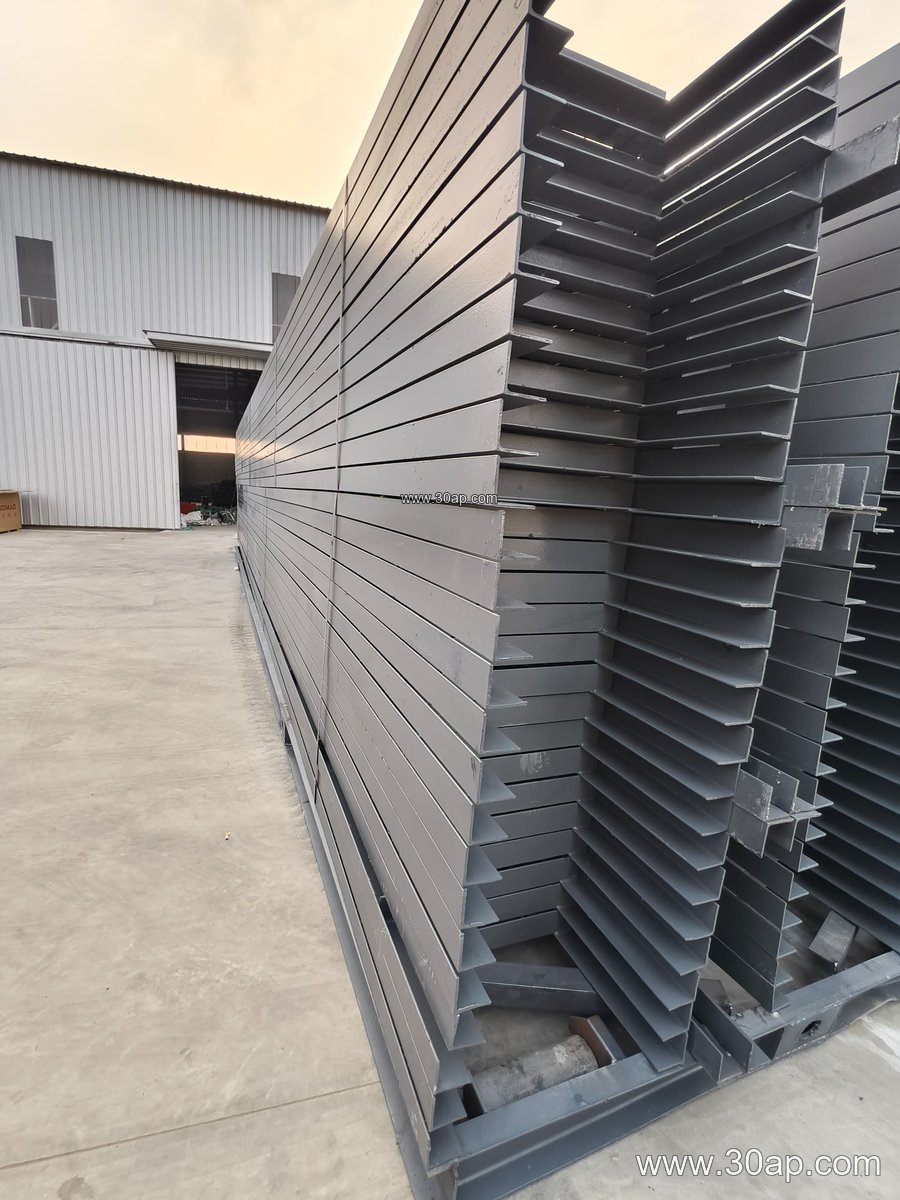
Typical reference values for a four-roll arrangement are shown below. They are common ranges, not universal specifications.
| Item | Common reference values |
|---|---|
| Belt width | B800, B1000, B1200, B1400, B1600, B1800 |
| Trough angle (outer rolls) | 35 degrees, 45 degrees |
| Idler diameter | Ø108, Ø133, Ø159, Ø194 |
| Frame material | Angle steel, channel steel, folded plate |
A combination such as B1200 with 45 degrees and Ø133 is often seen on wide heavy belts, while B800 with 35 degrees and Ø108 suits lighter duties. These pairings are examples, not rules; a given belt width can work with more than one trough angle or roll diameter.
Where It Fits on the Line
The bracket belongs to the carrying side of the conveyor, usually in the loading zone and along sections where material depth must be kept high. In a coal preparation plant or a limestone crushing circuit, a deeper trough reduces spillage at transfer points and helps the belt track straight. On a long overland run feeding a power plant coal yard, the four-roll frame spreads the load over more rollers, which can lower the point load on each idler roller and on the belt cover.
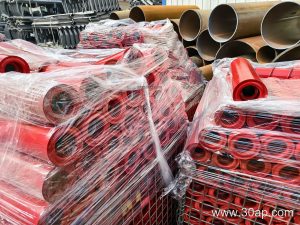
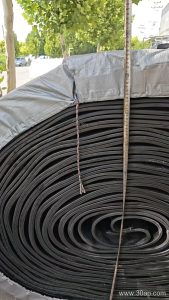
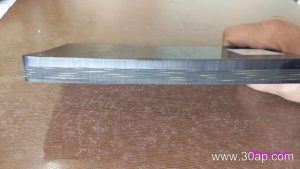
It works together with the rest of the conveyor hardware: a rubber conveyor belt or an EP conveyor belt sits in the trough, the idler rollers turn inside the frame, and the conveyor pulley at the head and tail drives and returns the belt. The bracket itself does not replace any of these parts; it only holds the rollers in the correct geometry.
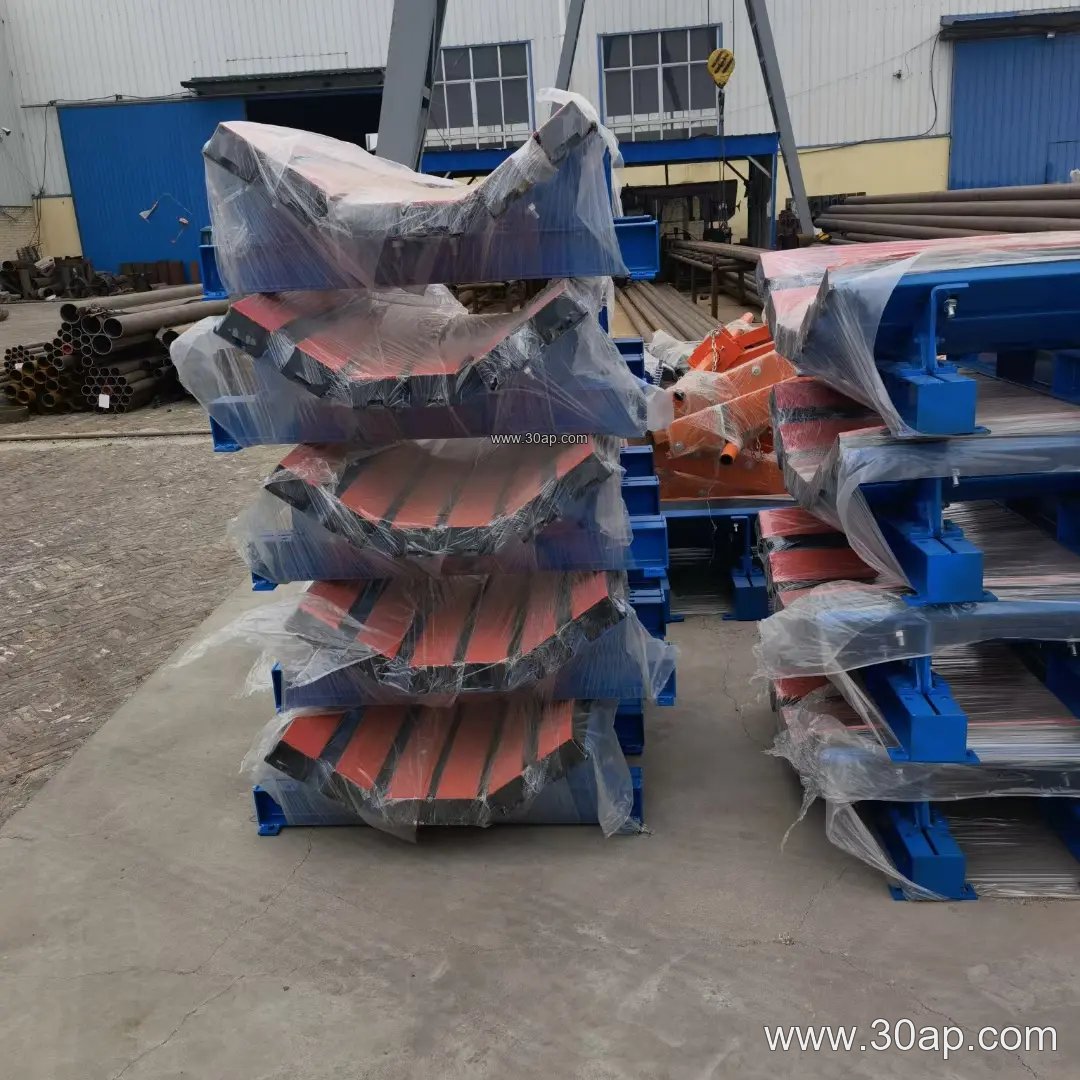
Selection Points for Buyers
- Belt width and trough angle. Confirm the belt width and the required trough angle before ordering, because the frame geometry follows both.
- Roll diameter. Match the idler diameter to the load and belt speed; heavier duty usually calls for a larger roll.
- Mounting interface. Check hole spacing, beam length and bolt size against the existing stringer so the frame drops in without field modification.
- Material and finish. Painted or galvanized steel is common; in wet or corrosive service, confirm the coating with the supplier.
- Adjustability. Fixed and adjustable versions exist. An adjustable bracket lets the trough angle be changed within a range, which helps during commissioning or when the material changes.
Installation and Maintenance Notes
Align the bracket square to the belt centerline and keep all four rolls at the same height so the belt does not twist. After the first weeks of running, re-check the bolts, since vibration can loosen them. Worn or seized rollers should be replaced promptly, because a stuck roll will wear the belt cover quickly, especially with an abrasion resistant conveyor belt carrying sharp rock. In dusty plants such as a sand and gravel line, cleaning around the frame prevents buildup that can lift the belt off the rolls.
For buyers comparing options, the four-roll idler bracket is a practical choice when a standard three-roll set cannot hold the belt profile, and it is worth reviewing together with the belt specification and the roller schedule before the order is placed. More conveyor support details are available at www.beltconveyorparts.com/four-roll-idler-bracket.