Conveyor Belt Fundamentals for Modern Operations
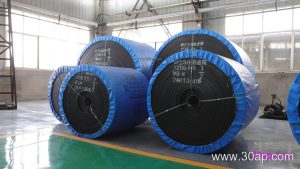
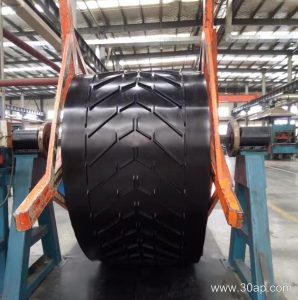
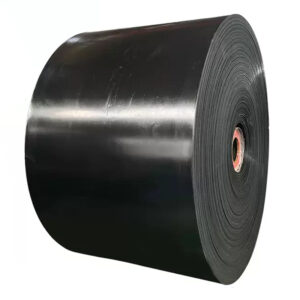
A conveyor belt is the silent workhorse of any production line, moving materials efficiently while reducing manual handling risks. Choosing the correct belt directly impacts uptime, product quality, and total cost of ownership.
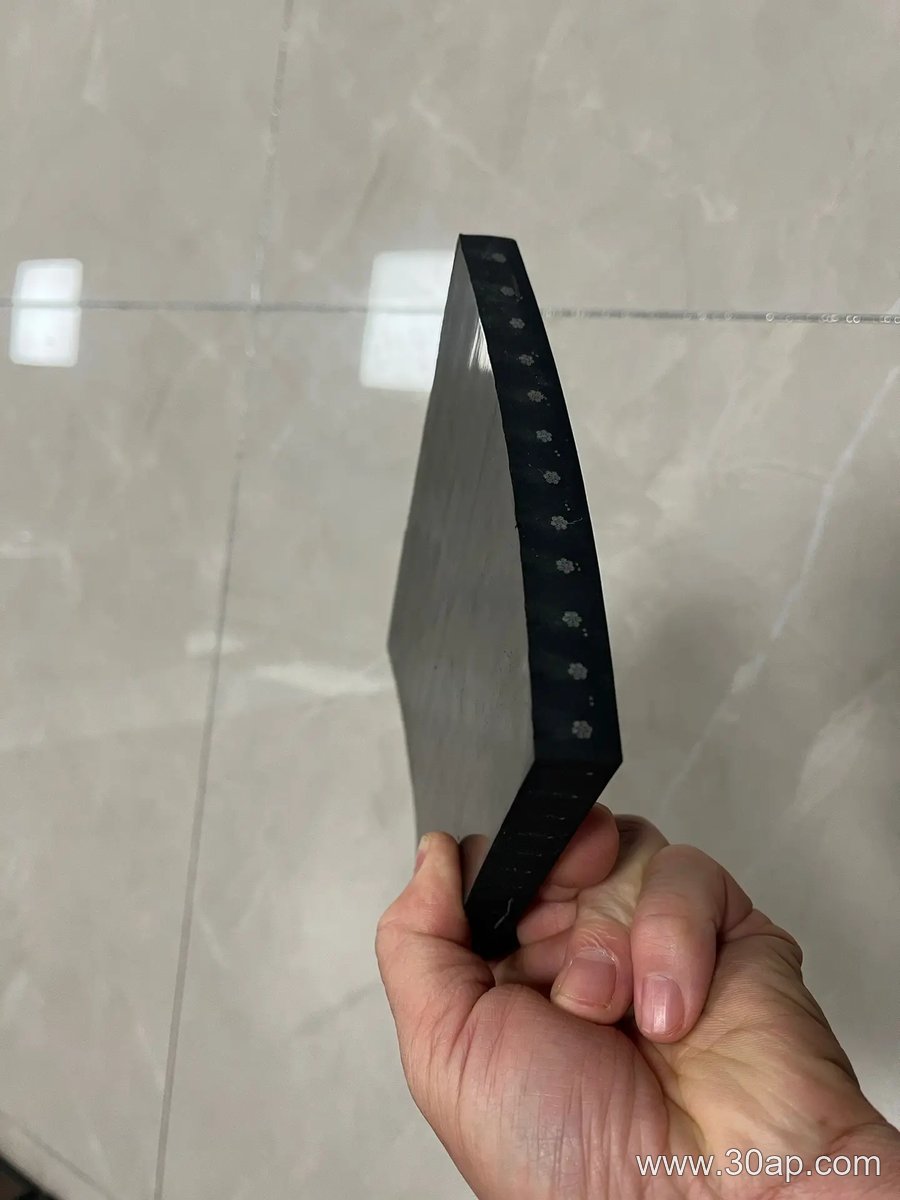
Key Performance Factors
- Material compatibility: abrasion, heat, oil, or chemical resistance
- Tensile strength and carcass construction for load support
- Belt speed and troughing angle for stable transport
- Surface texture: smooth for bulk, rough for incline grip
Selection and Purchasing Advice
Assess your belt’s working tension, pulley diameter, and splice method before ordering. Request a sample for flex testing if the conveyor runs over small idlers. Verify manufacturer certifications for flame resistance and static conductivity. Always keep one spare belt in storage to minimize downtime.
Why the Idler Roller Defines Your Conveyor’s Lifespan
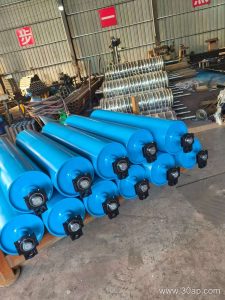
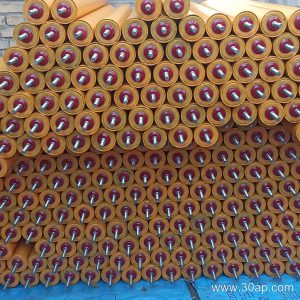
The idler roller is the unsung workhorse of any bulk handling system. It supports the belt, shapes the load, and absorbs impact. A poorly selected roller leads to belt misalignment, premature wear, and costly downtime. This guide focuses on what matters when buying idler rollers for industrial applications.
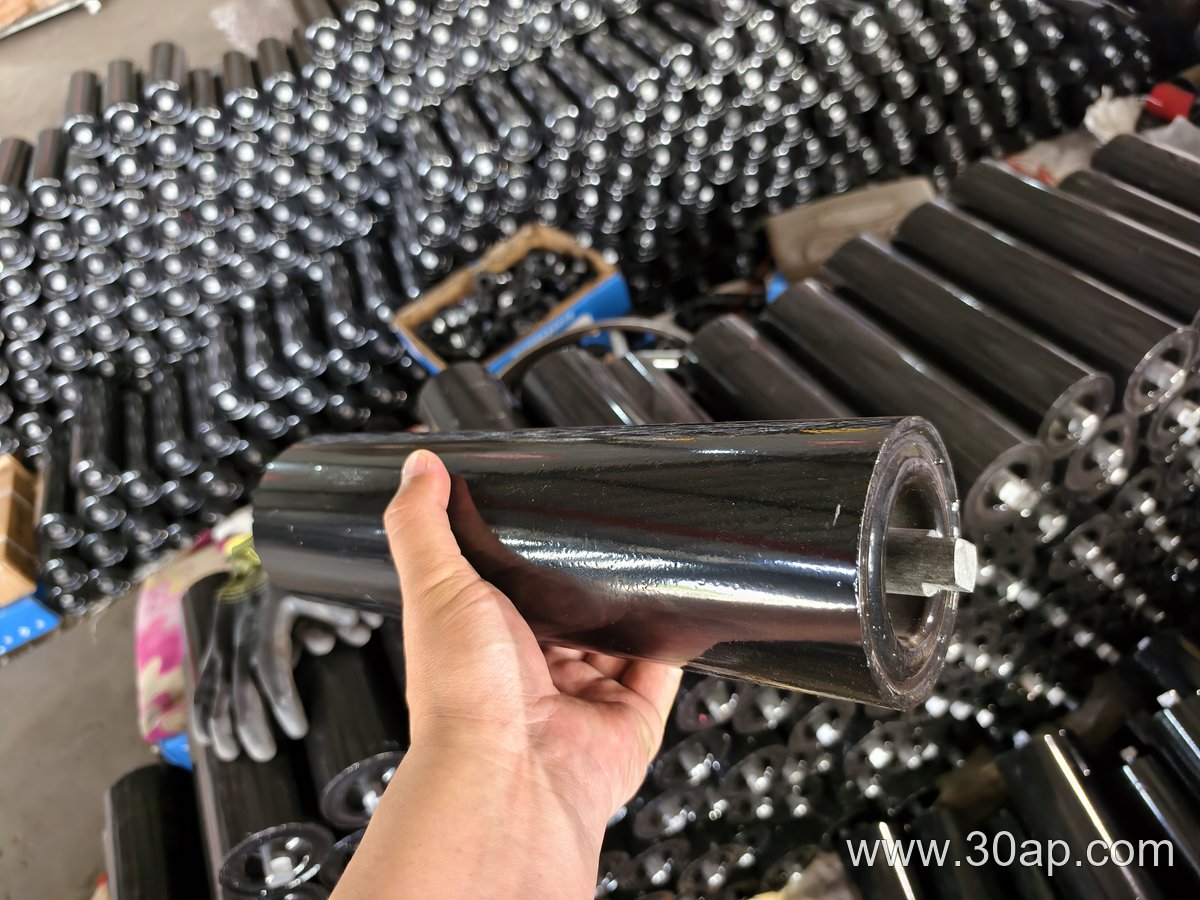
Key Selection Factors
- Load rating: Match the roller’s dynamic capacity to your peak tonnage per hour, not just average flow.
- Diameter and wall thickness: Larger diameters reduce belt sag and energy consumption, but check shaft deflection under heavy loads.
- Sealing system: For dusty or wet environments, choose labyrinth or contact seals that prevent contamination without increasing rolling resistance.
- Bearing type: Deep-groove ball bearings are standard, but tapered roller bearings suit high radial loads and shock.
- Steel or HDPE: Steel offers strength; HDPE reduces noise and corrosion but wears faster with abrasive materials.
Purchasing Advice
Always request the manufacturer’s test data for the idler roller’s runout and rotational resistance. Verify that the roller’s shell thickness meets CEMA or ISO standards for your belt speed. Buy from a supplier that offers interchangeable end caps and shafts—this simplifies replacements. Finally, consider a trial batch: run a few rollers in your harshest transfer point for 1,000 hours before full rollout. This real-world validation saves thousands in unexpected failures.
Why the Conveyor Pulley Is the Load-Bearing Heart of Your System
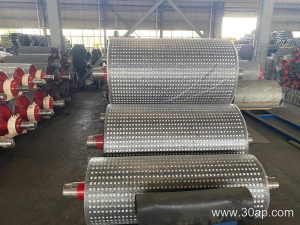
The conveyor pulley is not merely a rotating cylinder; it is the primary force-transfer component that drives belt tension, controls tracking, and dictates the operational lifespan of your entire bulk-handling line. A poorly specified pulley leads to belt slippage, premature lagging wear, and structural fatigue.
Critical Types and Their Roles
Identify the correct duty before purchase: head pulleys (drive and discharge), tail pulleys (return and tension), and bend or snub pulleys (direction changes). Each requires distinct face widths, shaft diameters, and crown profiles.
- For high-torque start-ups, choose a lagged head pulley with a vulcanized ceramic or diamond-groove surface.
- For abrasive materials, specify a heavy-duty, fully welded end-disc design with a thicker shell.
Engineering Checks Before You Commit
Always calculate the effective belt tension (Te) and the pulley wrap angle. Then verify the shaft deflection under full load — a common failure point. Confirm bearing life exceeds 30,000 hours using the CEMA (Conveyor Equipment Manufacturers Association) standard.
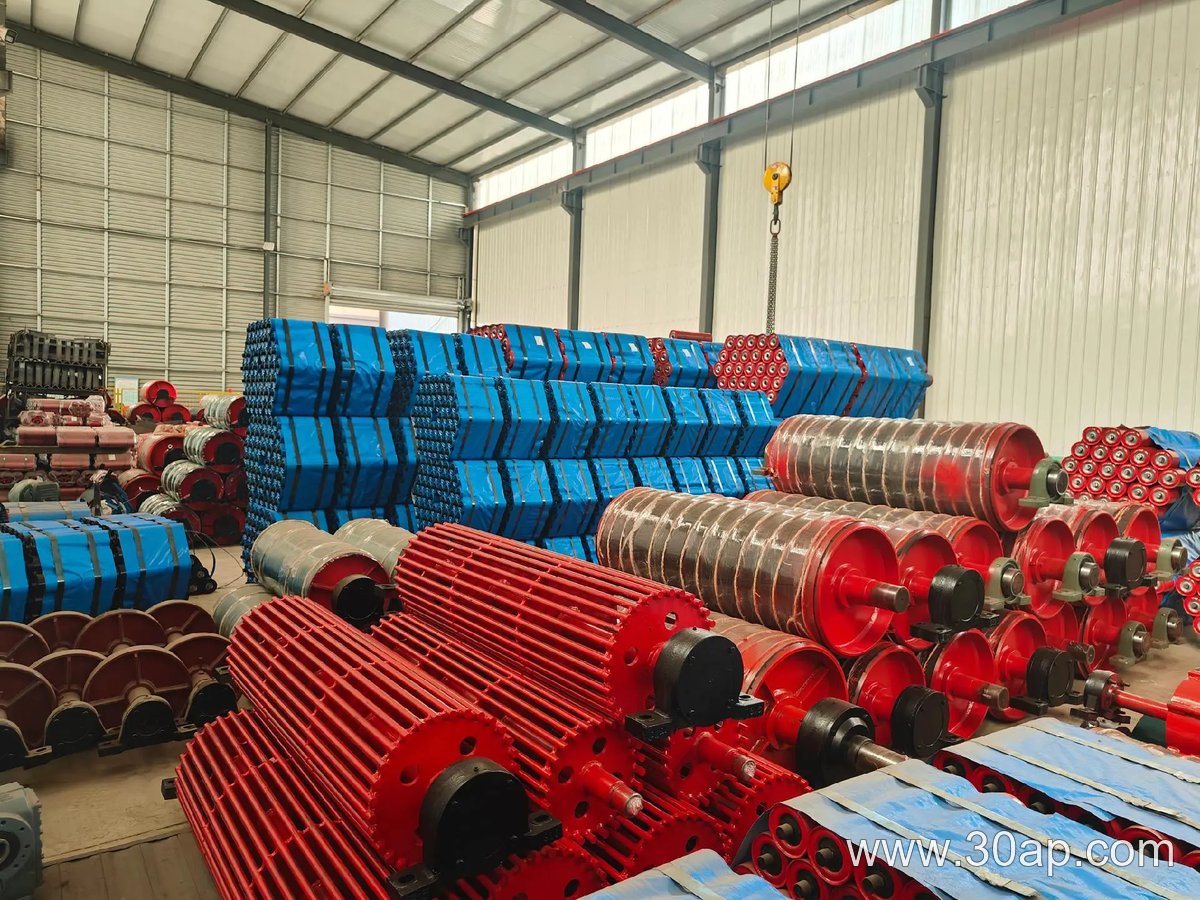
Request a crown tolerance of at least 1:100 for centralizing the belt, and specify Q&T (quenched and tempered) steel for the shaft if the pulley exceeds 500 mm in diameter. Never reuse worn bushings; inspect the hub-to-shaft interference fit during every maintenance window.
Purchasing Advice for Long-Term Value
Buy from a manufacturer that provides a stamped load certificate and a static balance report. Compare total cost of ownership, not just the unit price — a conveyor pulley with a 25 mm thicker shell can double service life. Always stock one spare pulley for your most critical drive position to avoid unplanned downtime exceeding 48 hours.
Why the Conveyor Bracket Matters More Than You Think
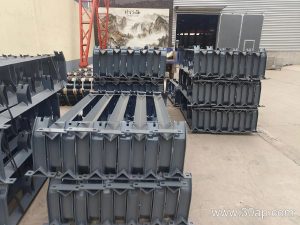
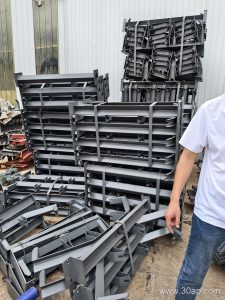
The conveyor bracket is the unsung hero of any bulk handling system. It supports rollers, guides belts, and absorbs vibration—yet it’s often the last component considered during procurement. A poorly chosen bracket leads to misalignment, premature roller wear, and costly downtime. For industrial buyers, understanding bracket material, load rating, and mounting geometry is non-negotiable.
Selecting the Right Conveyor Bracket for Your Application
Start by measuring your existing frame width and roller shaft diameter. Brackets come in light, medium, and heavy-duty classes—match them to your belt speed and maximum lump size. For corrosive environments, specify stainless steel or galvanized finishes. For high-impact zones, choose reinforced gusseted designs.
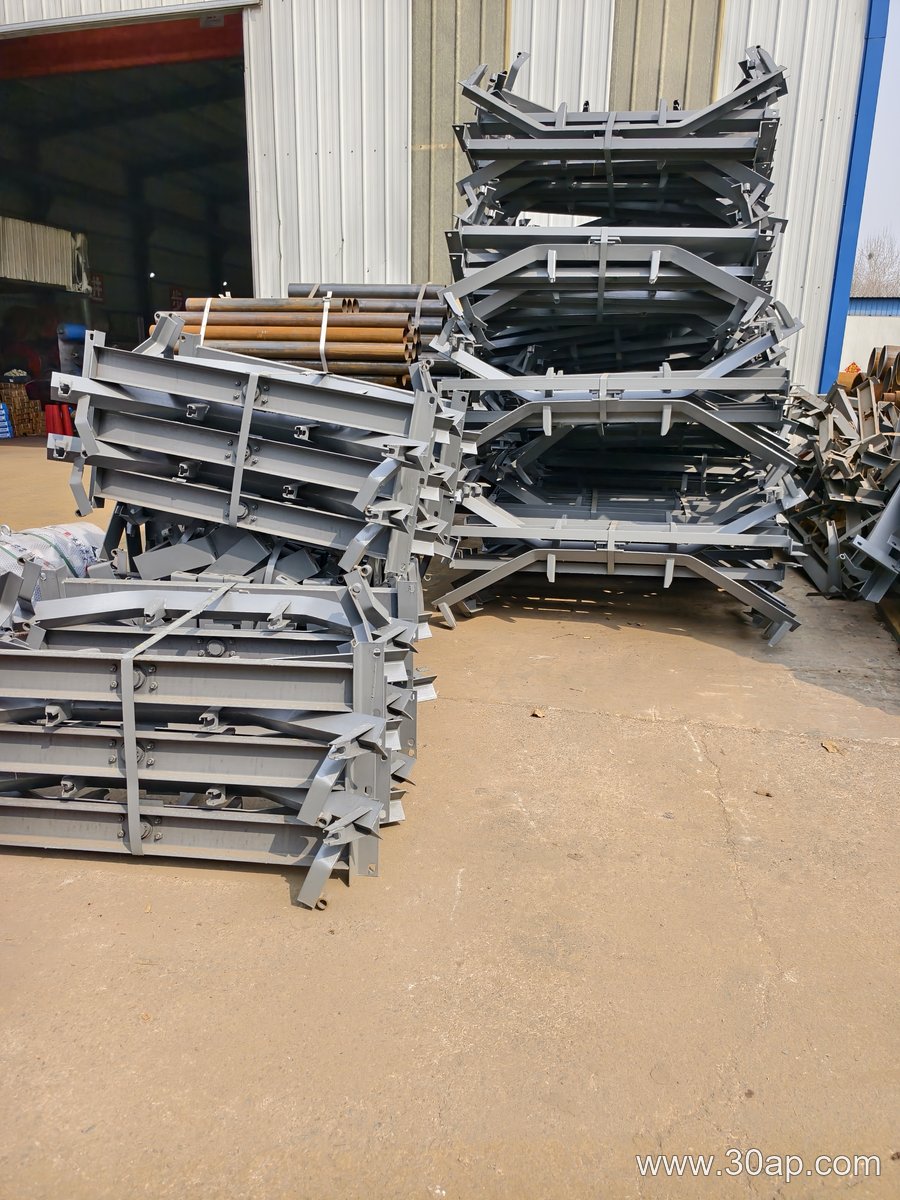
- Check slot vs. fixed hole patterns: slots allow easy belt tracking adjustments.
- Verify weld integrity: look for full-penetration welds on load-bearing faces.
- Request load test certificates for brackets rated above 500 kg static.
- Always order spare brackets with rubber cushion inserts—they extend roller life by 30%.
Common Pitfalls and Purchasing Advice
Avoid universal brackets that claim to fit all—tolerances vary by manufacturer. Measure your conveyor’s stringer angle (usually 0°, 20°, 35°) and select brackets with matching base plates. When buying in bulk, ask for sample testing on one assembly line before full rollout. Also, confirm that fasteners are included and rated to ISO 8.8 or higher.
Finally, factor in environmental temperature: polyamide brackets fail above 80°C, while cast iron handles up to 200°C. For modular conveyors, choose quick-release brackets to reduce changeover time. Invest 10% more upfront in a precision-machined bracket—it will pay back through fewer maintenance hours and longer belt life.