What the ST3150 Conveyor Belt Is
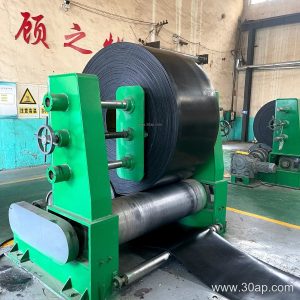
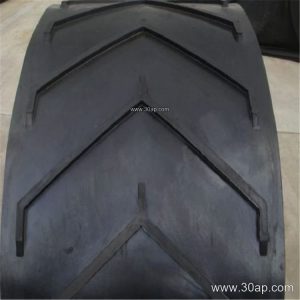
The ST3150 Conveyor Belt is a steel cord conveyor belt with a nominal tensile strength of 3150 N/mm. In this designation, “ST” indicates steel cord construction and “3150” specifies the belt’s rated breaking strength per unit width. As a high-strength steel cord belt, it belongs to the same product family as other ST grades used in heavy-duty conveying, but it is not interchangeable with fabric-core belts such as EP Conveyor Belt or NN conveyor belt. The ST3150 is typically chosen for long-distance, high-tonnage conveying systems where a single flight must carry large volumes of bulk material with limited take-up and low elongation.
Construction and Build
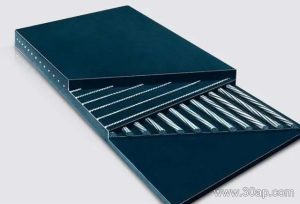
The belt’s core consists of parallel steel cords embedded in a rubber compound. The cords are arranged at a defined pitch and are usually brass-plated to promote adhesion. The top and bottom covers protect the carcass from abrasion, impact, moisture, and in some cases heat or oil. Cover thickness is specified by the system designer and commonly expressed as top cover plus bottom cover, for example 8+3 mm or 6+2 mm, but these are reference configurations rather than fixed requirements. The belt edge is another important detail: an adequate rubber edge strip protects the outermost cords from moisture ingress and mechanical damage. The ST3150 is a subtype of Steel Cord Conveyor Belt, and its exact cord diameter, pitch, and cover grade are determined by the belt manufacturer and the conveyor design.
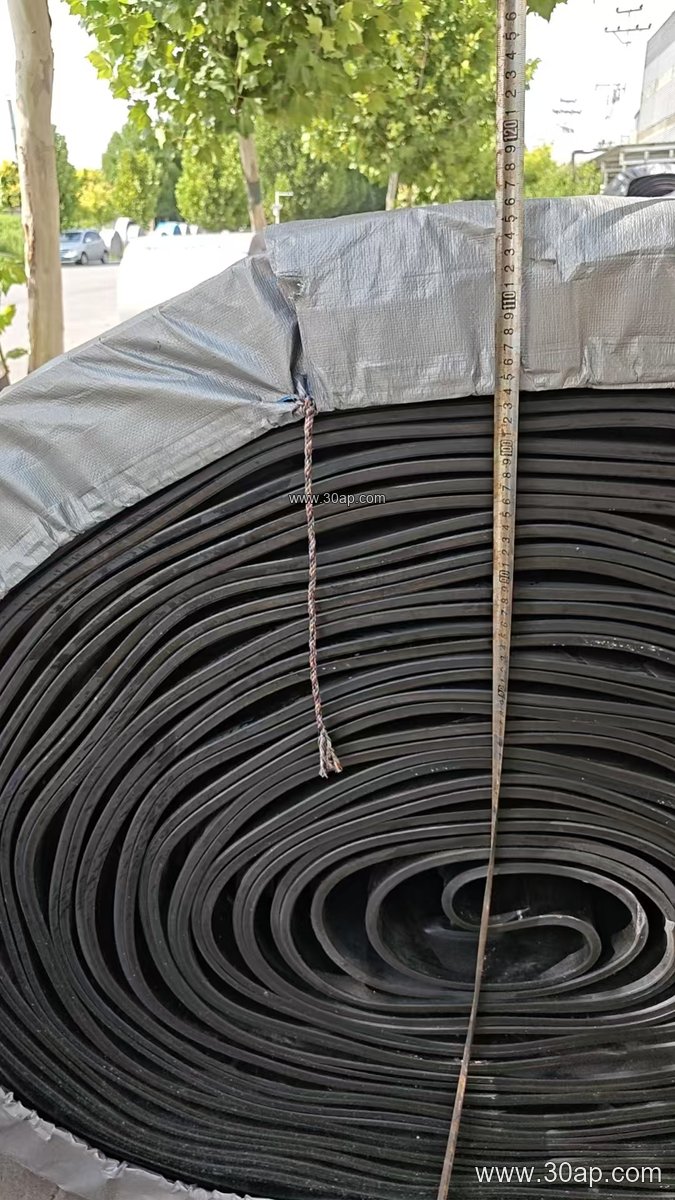
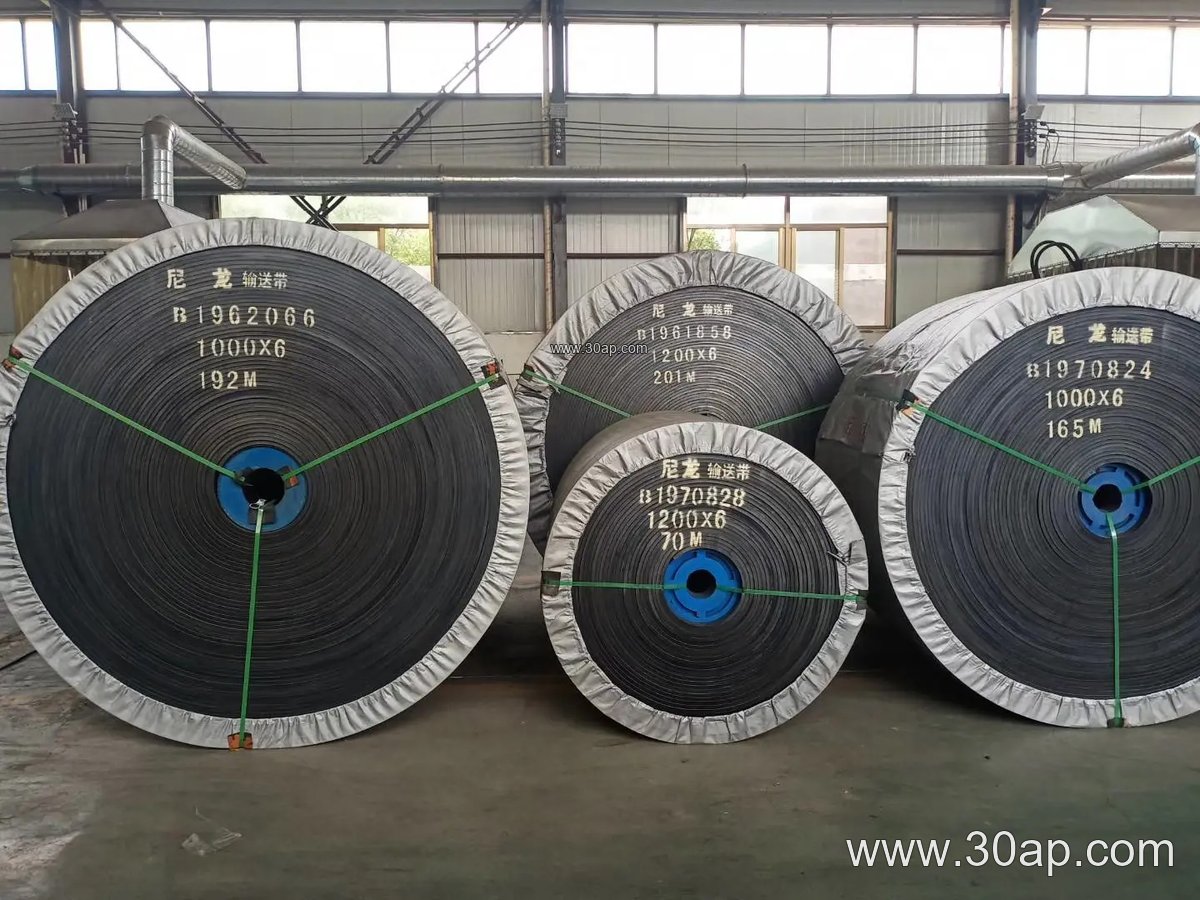
Where It Fits in a Conveying System
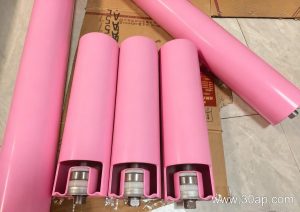
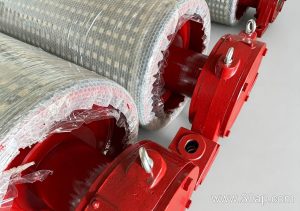
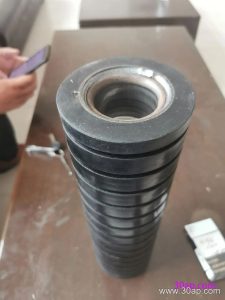
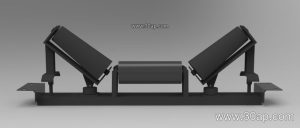
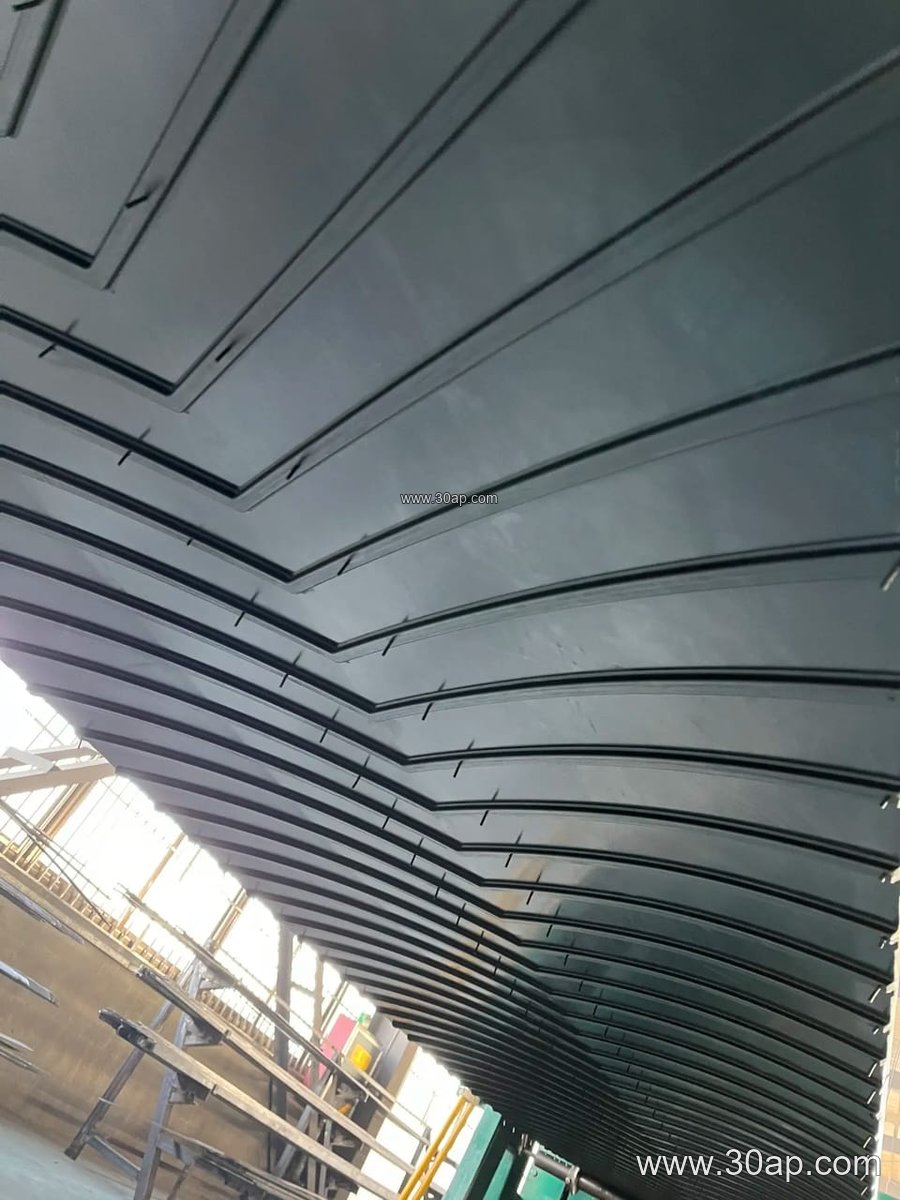
This belt runs over a drive pulley, a tail pulley, and bend pulleys, and it is supported by idler rollers along the carrying and return sides. The belt is not a substitute for any of these components; drive, tail, and bend pulleys perform different functions and are selected separately. The ST3150 is often found in mining, coal preparation, cement plants, power stations, ports, and large quarry or aggregate operations. It can be paired with a Mining Conveyor Belt specification that includes flame retardant or anti-static properties when the installation requires them, but those properties are separate from the strength grade and must be ordered explicitly. In a typical bulk material handling circuit, the belt may discharge onto a crusher or transfer point, where impact-resistant covers and suitable idler roller spacing help protect the carcass.
Typical Parameters and Selection Points
Buyers should treat the following as common reference data, not as universal specifications or a supply promise. Belt width, cord diameter, cover thickness, and pulley diameters are all determined by the conveyor design, the material being carried, and the required safety factor.
| Parameter | Common reference | Notes |
|---|---|---|
| Strength grade | ST3150 (3150 N/mm) | High-strength steel cord grade |
| Belt width | B800, B1000, B1200, B1400, B1600, B1800, B2000 | Selected by capacity and lump size |
| Cover thickness | 6+2 mm, 8+3 mm, or as specified | Top and bottom covers chosen for wear and impact |
| Cover grade | Abrasion resistant, heat resistant, flame retardant, oil resistant, anti-static | Ordered as separate properties |
| Pulley diameters | Determined by cord diameter and belt design | Drive, tail, and bend pulleys are not interchangeable |
| Belt speed | According to system design | Higher speeds affect idler selection and take-up |
When selecting an ST3150 belt, check the calculated maximum tension, the transition distance, the minimum pulley diameters recommended for the cord type, and the available take-up travel. A belt width does not by itself fix a pulley diameter or a shaft diameter; those values come from the conveyor engineer’s calculations. For installations that also require flame resistance, specify a Flame Retardant Conveyor Belt grade in addition to the ST3150 strength class. In cement or power plant service, a Heat Resistant Conveyor Belt cover may be needed for clinker or hot material, but the ST3150 designation alone does not imply heat resistance.
Installation and Maintenance Notes
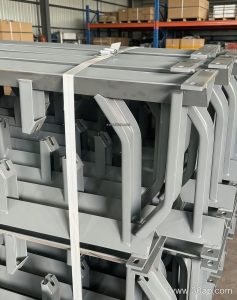
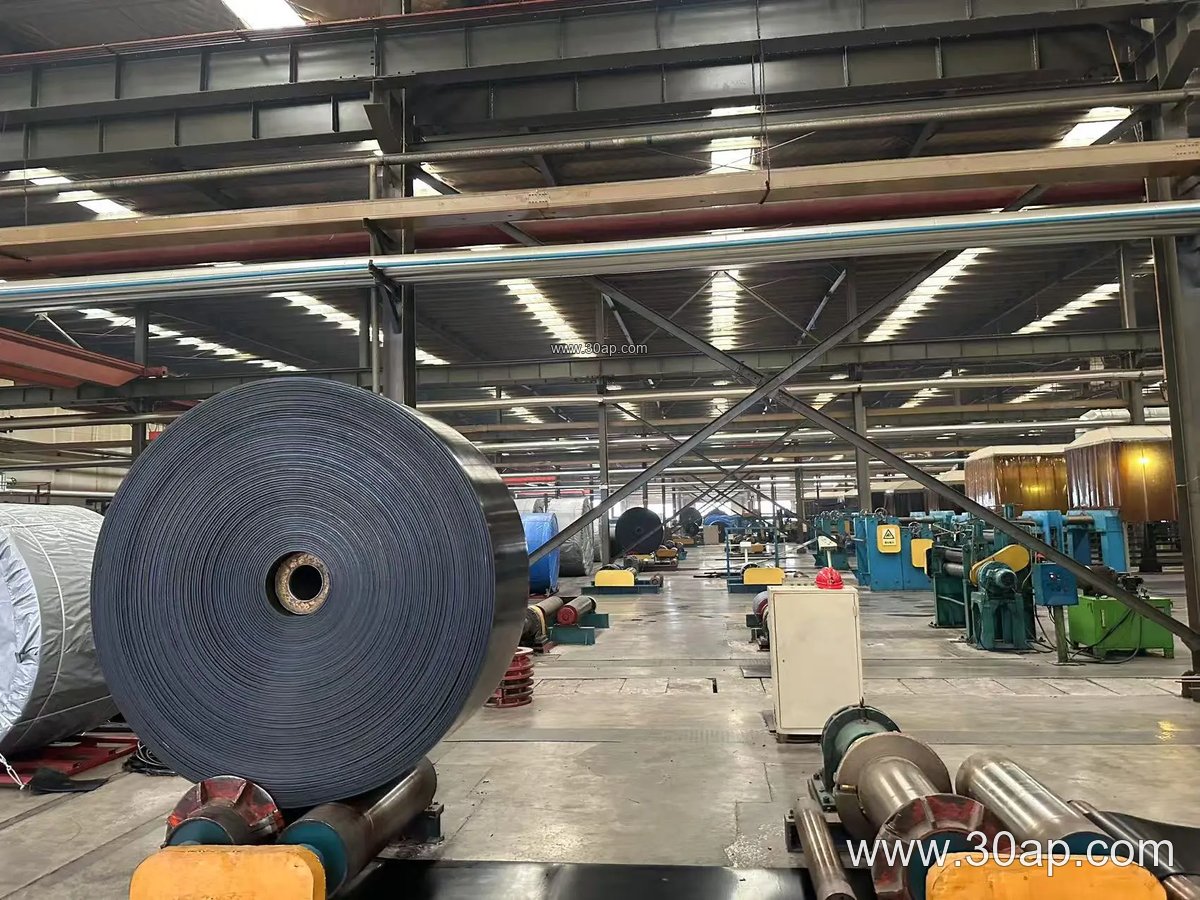
Steel cord belts are heavy and stiff compared with fabric belts, so splicing and handling require proper equipment and trained personnel. The splice is a critical point; follow the belt manufacturer’s splice procedure and cure conditions. During operation, monitor belt tracking, edge condition, cover wear, and splice integrity. Keep idler rollers turning freely and check pulley lagging for wear. A conveyor bracket or frame that is out of alignment can cause edge damage that may reach the steel cords. Because the ST3150 is often used on high-tension, long-run conveyors, regular inspection of the take-up system and the belt’s elongation behavior is good practice. Store spare belts in a dry, shaded area and avoid sharp bends that could kink the cords.
Buyer Checklist
- Confirm the required strength grade and whether ST3150 is the correct class for the calculated tension.
- State belt width, cover thickness, and cover grade clearly in the inquiry.
- Provide the conveyor’s pulley diameters and take-up details so the belt can be matched to the system.
- Specify any additional properties such as flame retardant, anti-static, or oil resistance separately.
- Ask for the manufacturer’s cord pitch, splice recommendations, and storage guidance.
The ST3150 Conveyor Belt is a specialized high-strength component, and its successful use depends on matching the belt to the conveyor design rather than treating the strength grade as a stand-alone specification.