What Is an Anti-Static Conveyor Belt?
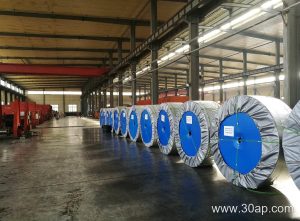
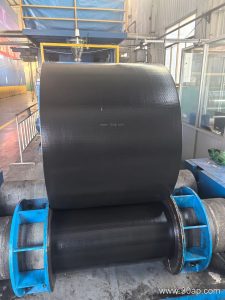
An anti-static conveyor belt is a type of conveyor belt designed to safely dissipate static electricity that can build up during material transport. This is especially important in environments where combustible dust or flammable gases are present, such as coal mines, cement plants, power stations, and aggregate yards. By controlling static discharge, the belt helps reduce the risk of sparks that could ignite explosive atmospheres.
Also known as a static-dissipative conveyor belt, this product is part of the broader family of specialty belts that includes flame-retardant, heat-resistant, and oil-resistant variants. While these other types address different hazards, the anti-static belt focuses specifically on electrical conductivity to prevent charge accumulation.
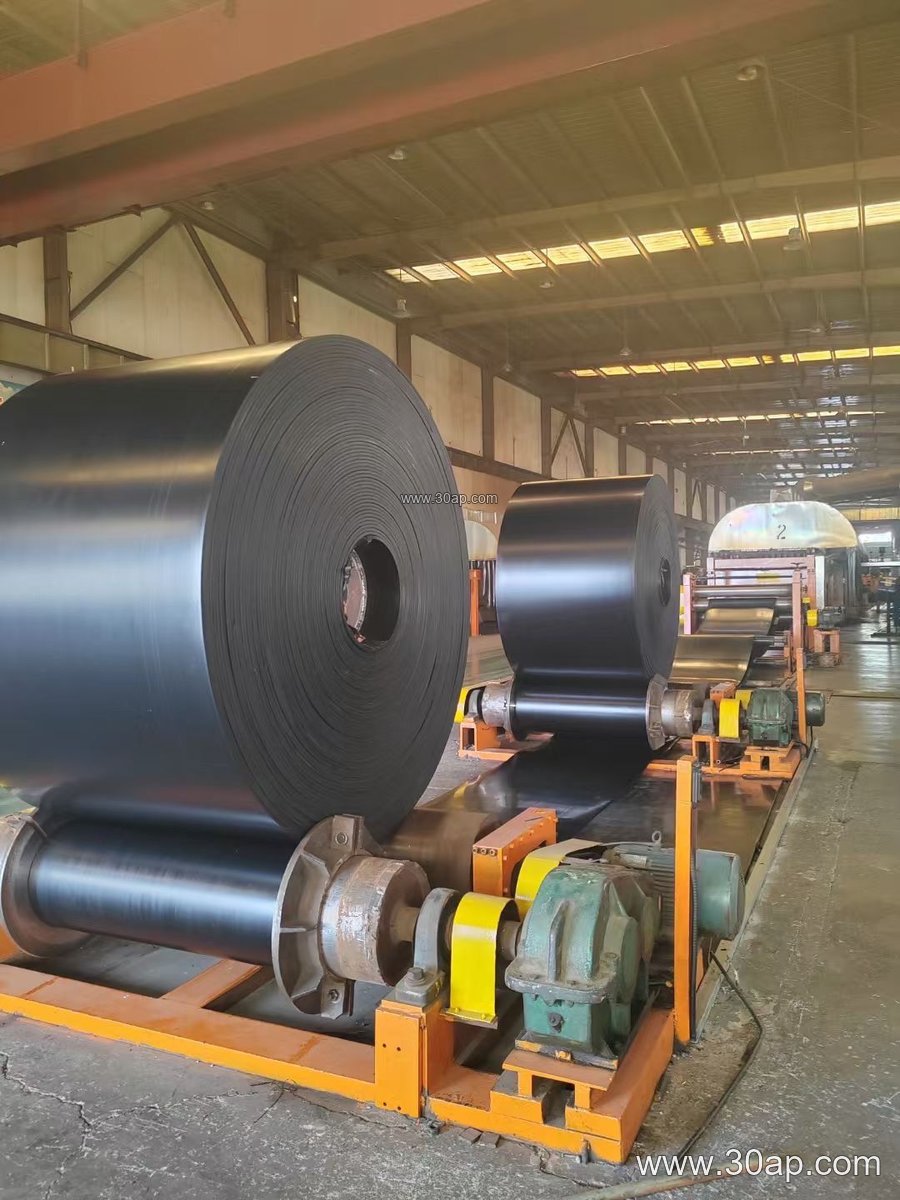
Construction and Key Components
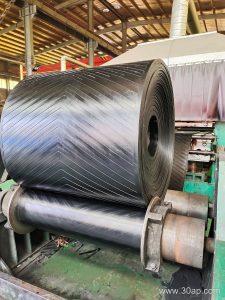
The anti-static property is typically achieved by incorporating conductive materials—such as carbon black or metal fibers—into the rubber cover or the fabric carcass. The belt construction usually consists of a top cover, a bottom cover, and one or more fabric layers (plies) or a steel cord core, depending on the required strength. Common cover thicknesses include 3+1.5 mm, 4+2 mm, and 5+2 mm, with 2 to 6 plies for fabric-reinforced belts.
The electrical resistance is carefully controlled to allow safe discharge without creating a spark hazard. It is important to note that anti-static belts are not necessarily fully conductive; they are designed to dissipate static at a controlled rate. Proper grounding of the conveyor frame and pulleys is essential for the belt to function effectively.
Typical Applications
These belts are widely used in industries where fine dust or volatile substances are present. Examples include:
- Coal handling in mines and power plants
- Cement and clinker transport
- Grain and feed processing
- Chemical and fertilizer plants
- Sand and gravel operations
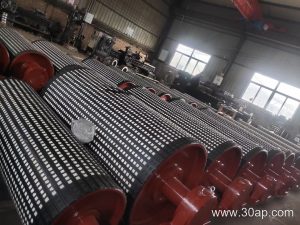
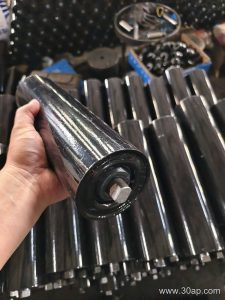
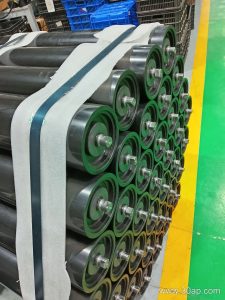
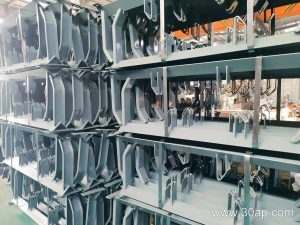
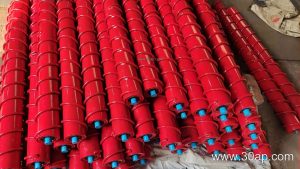
In such settings, an anti-static belt works alongside other conveyor components like idler rollers, conveyor pulleys, and conveyor brackets to ensure smooth and safe operation. The belt’s static-dissipative properties are particularly valuable in coal mines and cement lines where airborne dust is a constant concern.
Specifications and Available Options
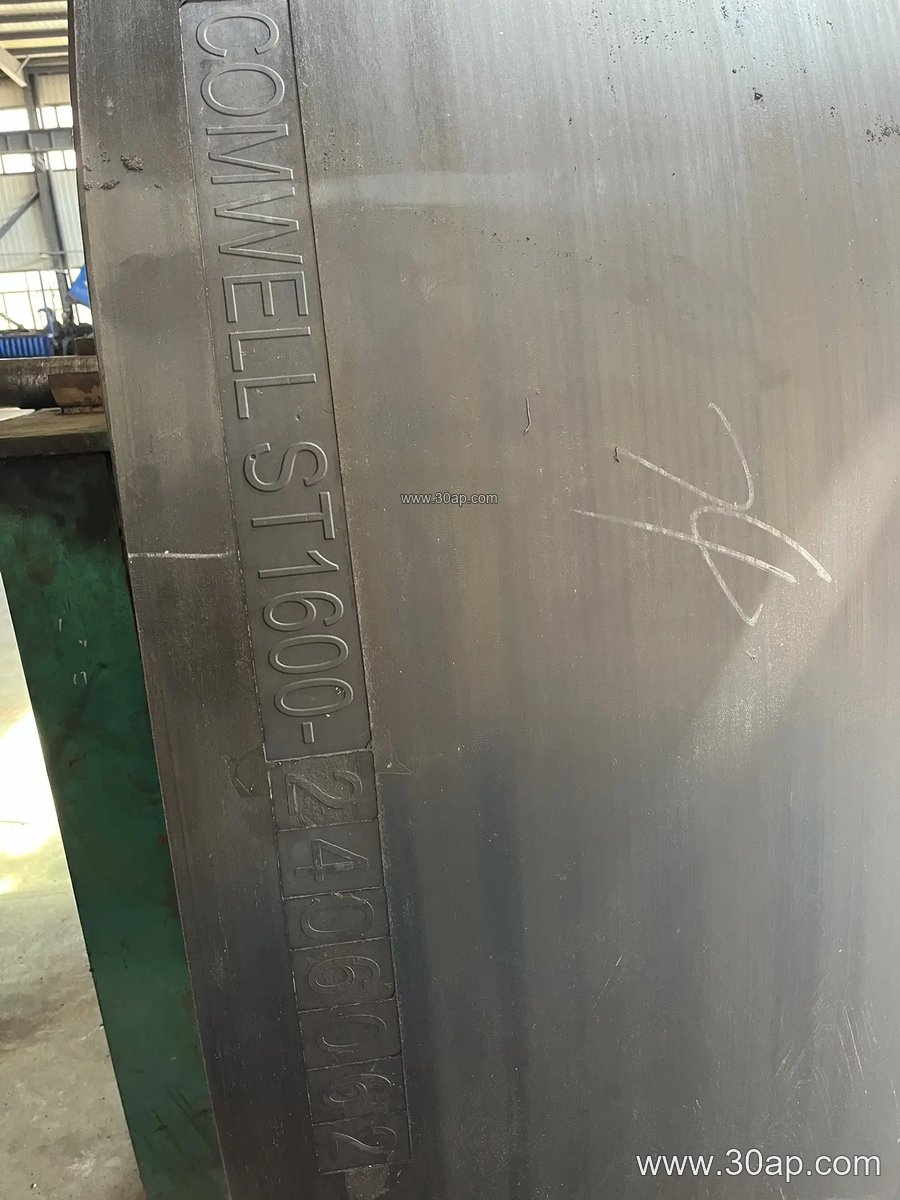
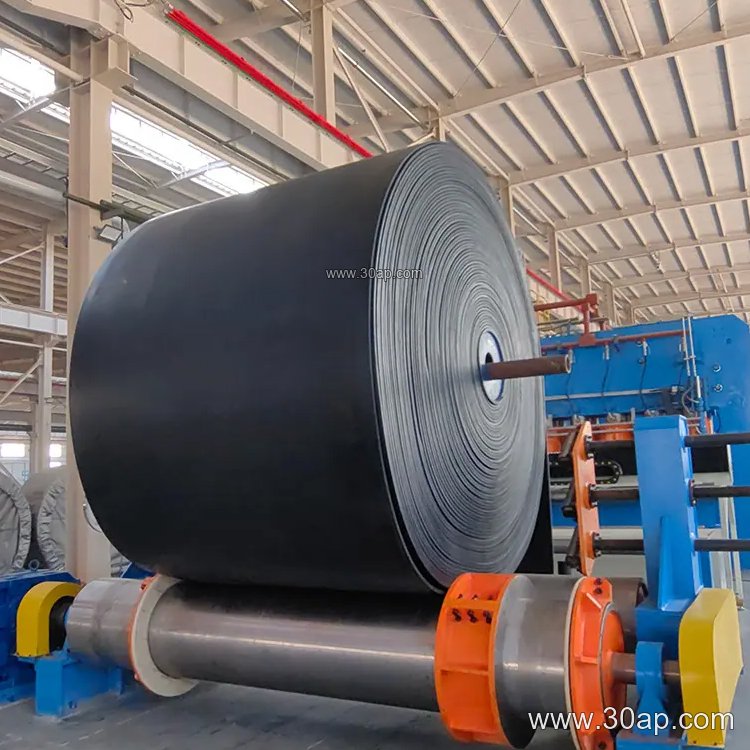
Anti-static conveyor belts are available in various strength grades, widths, and cover types to suit different load and environmental requirements. The table below outlines common reference values; actual specifications should be confirmed with the manufacturer or supplier based on the specific application.
| Parameter | Common Options |
|---|---|
| Belt Type | EP (polyester-cotton), NN (nylon-nylon), steel cord, PVC, PVG |
| Tensile Strength (EP) | EP200, EP315, EP400, EP500, EP630, EP800, EP1000, EP1250, EP1600, EP2000 |
| Belt Width | B500, B650, B800, B1000, B1200, B1400, B1600, B1800, B2000 |
| Cover Thickness | 3+1.5 mm, 4+2 mm, 5+2 mm, 6+2 mm, 8+3 mm |
| Number of Plies | 2 to 6 (fabric belts) |
| Surface Patterns | Plain, patterned, chevron, sidewall |
Specialty variants include anti-static belts that also offer flame resistance, heat resistance, oil resistance, or cold resistance. For instance, a PVG belt with anti-static properties is often used in underground coal mining, where both static and fire safety are critical.
Selection and Installation Tips
When choosing an anti-static conveyor belt, consider the following factors:
- Application environment: Identify the presence of flammable dust or gases, and verify the required level of static dissipation.
- Load and strength: Select the appropriate tensile strength and number of plies based on the material weight and conveyor length.
- Belt width and pulley compatibility: The belt width should match the conveyor pulley and idler roller dimensions. Avoid assuming a fixed relationship between belt width and pulley diameter; consult the conveyor design.
- Grounding: Ensure that the conveyor structure, including pulleys and brackets, is properly grounded to allow static charges to dissipate safely.
- Maintenance: Regularly inspect the belt for wear, cuts, or contamination that could affect its anti-static properties. Clean the belt and avoid using non-conductive dressings.
It is also advisable to check that the belt’s anti-static performance is not compromised by excessive surface contamination or by improper splicing. Always follow the manufacturer’s guidelines for installation and splicing to maintain conductivity across the entire belt loop.
Conclusion
An anti-static conveyor belt is a critical safety component in many industrial material handling systems. By understanding its construction, typical applications, and selection criteria, buyers can make informed decisions that enhance both safety and operational efficiency. Always verify specific product data with the supplier to ensure compatibility with the conveyor system and the working environment.