What a Conveyor Bracket Really Does
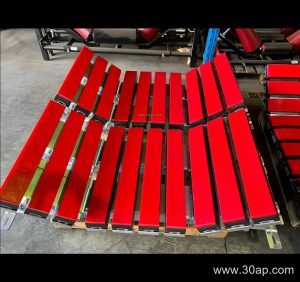
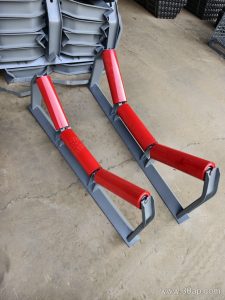
In a troughed belt conveyor, the conveyor bracket is the steel frame that holds each idler roller at the correct angle and spacing. Buyers often call this item a conveyor idler bracket or idler frame, and both names describe the same component. It carries the load transferred from the conveyor belt through the rollers and into the conveyor stringer. In a quarry, a coal preparation plant or a cement kiln line, a weak bracket shows up quickly as belt misalignment and uneven wear.
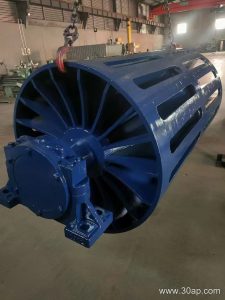
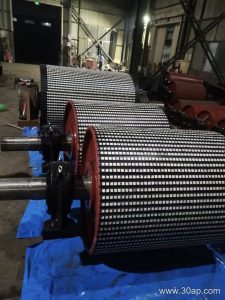
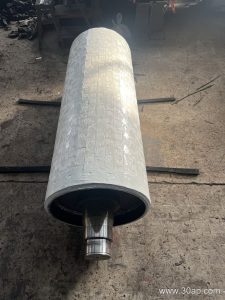
The bracket is not a pulley. A drive pulley, a tail pulley and a bend pulley each have their own duties and are not interchangeable with each other or with a bracket. A bracket only positions and supports rollers.
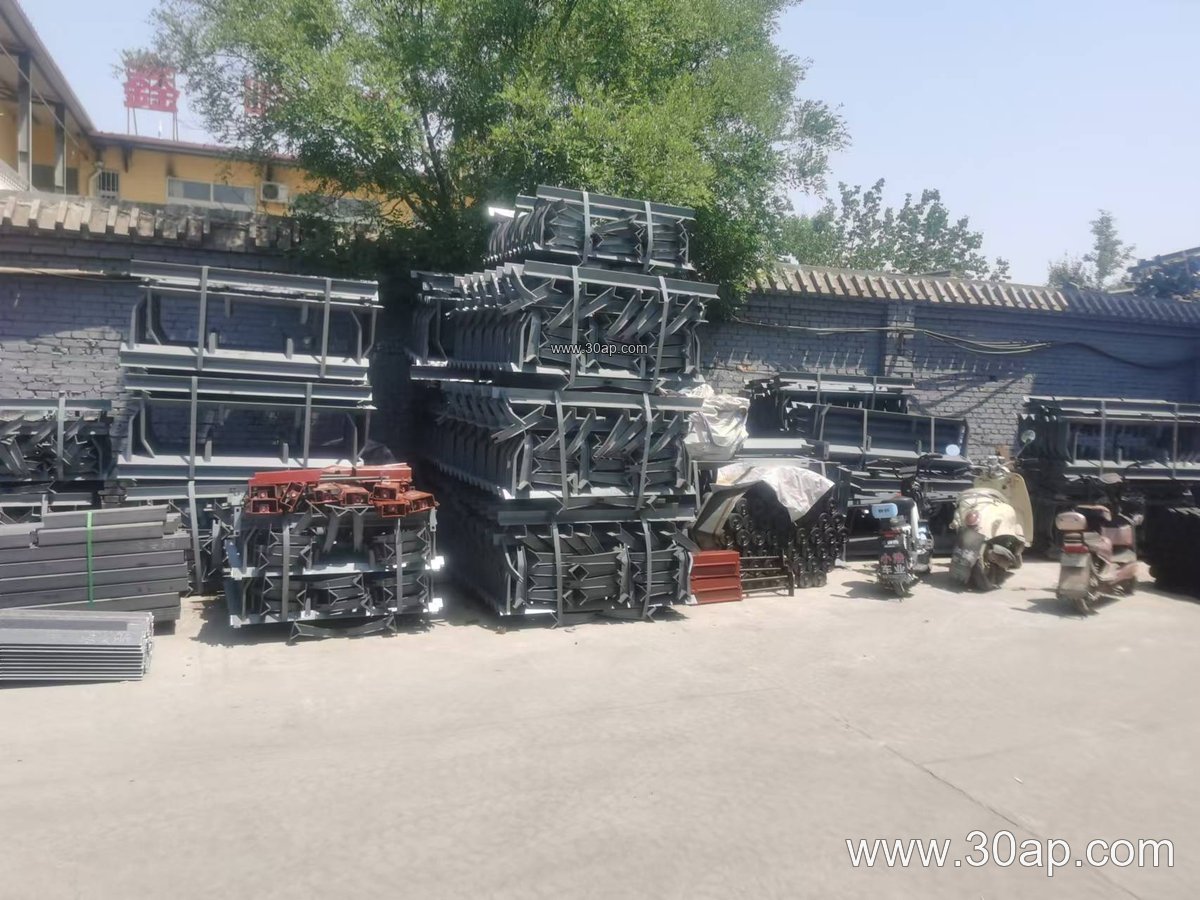
How the Bracket Is Built
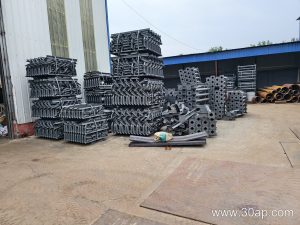
Most brackets are fabricated from angle steel, channel steel or folded steel plate, then drilled for mounting and roller shafts. Common forms include the trough bracket on the carrying side, the transition bracket near the head and tail, the return bracket under the belt, the V-return bracket, the impact bracket at the loading point, the self-aligning bracket and the suspended bracket. Adjustable versions allow the trough angle to be changed on site.
Typical trough angles are 20, 30, 35 and 45 degrees, and a forward-leaning bracket is often set at about 1.5 to 2 degrees. Roller diameters commonly seen are Ø89, Ø108, Ø133, Ø159 and Ø194. Belt widths range from B500 to B2200. Hole spacing and beam length change with belt width and trough angle, so they are determined by design rather than fixed.
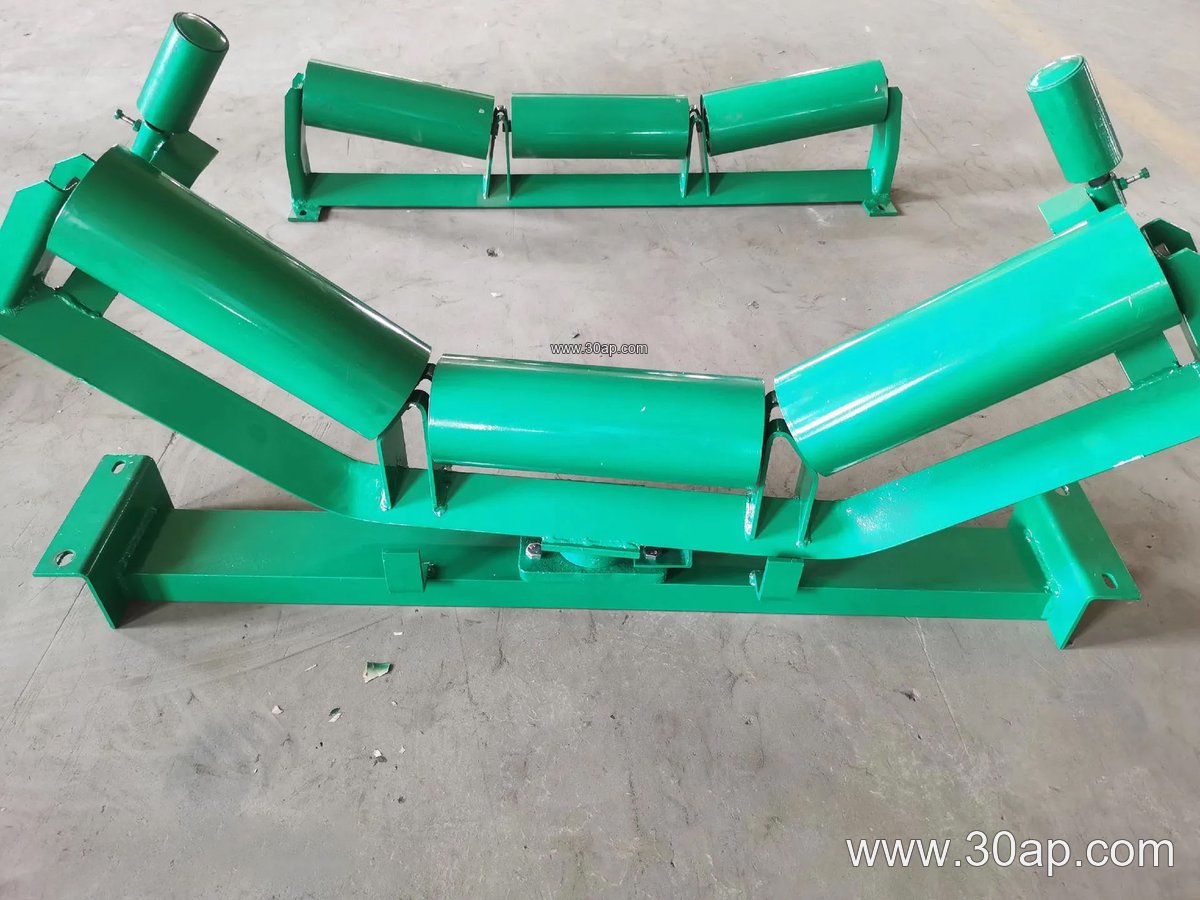
Reference envelope for early planning
- Belt width: B500, B650, B800, B1000, B1200, B1400, B1600, B1800, B2000, B2200
- Trough angle: 20°, 30°, 35°, 45°; adjustable frames can move between these
- Roller diameter: Ø89, Ø108, Ø133, Ø159, Ø194
- Material: angle steel, channel steel, folded plate
Examples such as B800 with 35° and Ø108, or B1200 with 45° and Ø133, are planning references only. No single belt width locks a bracket to one trough angle or one roller diameter.
Where These Frames Are Used
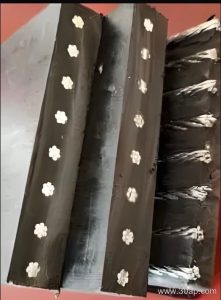
You will find them on aggregate conveyors in a sand and gravel line, on crusher discharge belts, on power plant coal handling systems and in steel plant sintering areas. A heavy-duty mining conveyor belt running at high tonnage needs a stiffer frame than a light transfer belt. At a transfer point, an impact bracket with cushion rollers protects both the frame and the belt. On a long overland route, self-aligning brackets help keep a steel cord conveyor belt or an EP conveyor belt tracking correctly.
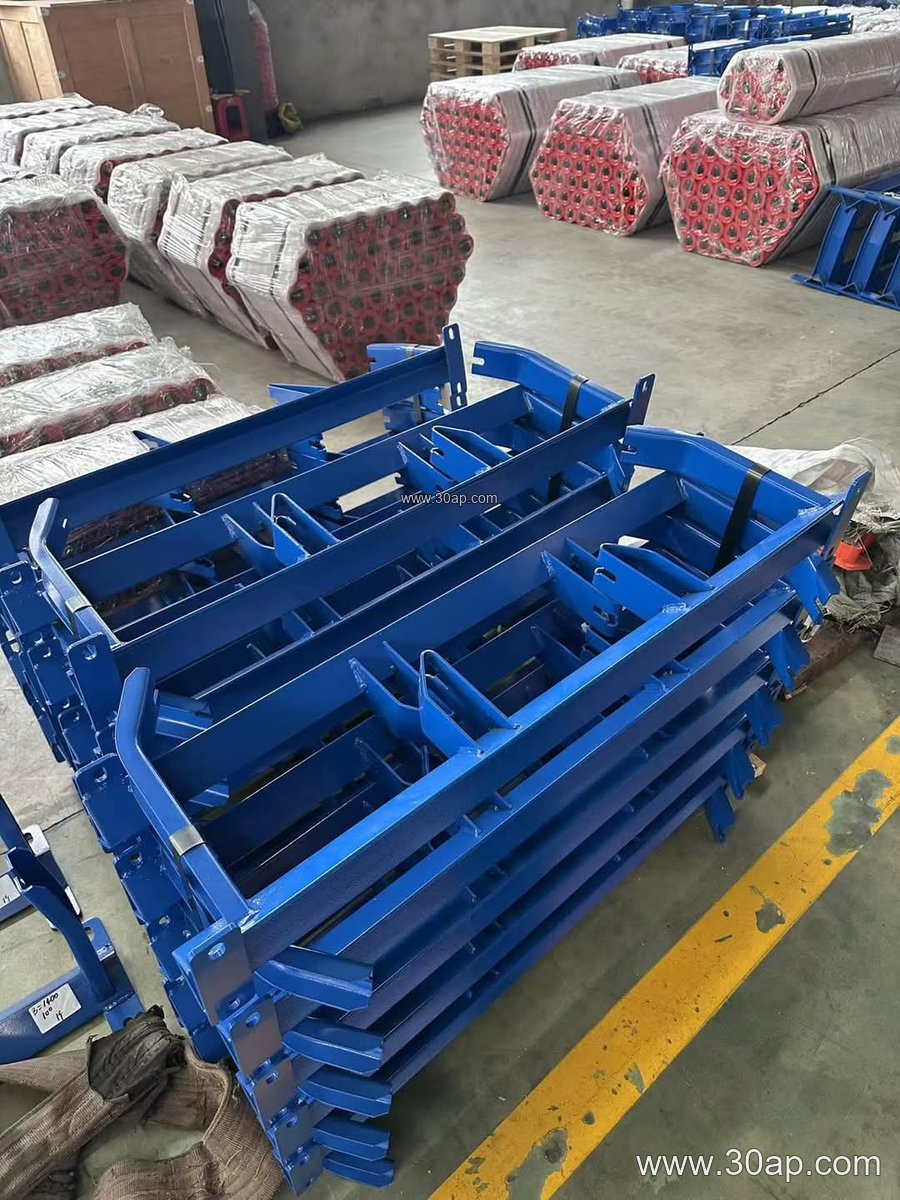
For a full system view, see conveyor bracket and the matching conveyor pulley range. Bracket choice also interacts with the idler roller and the conveyor belt selected for the duty.
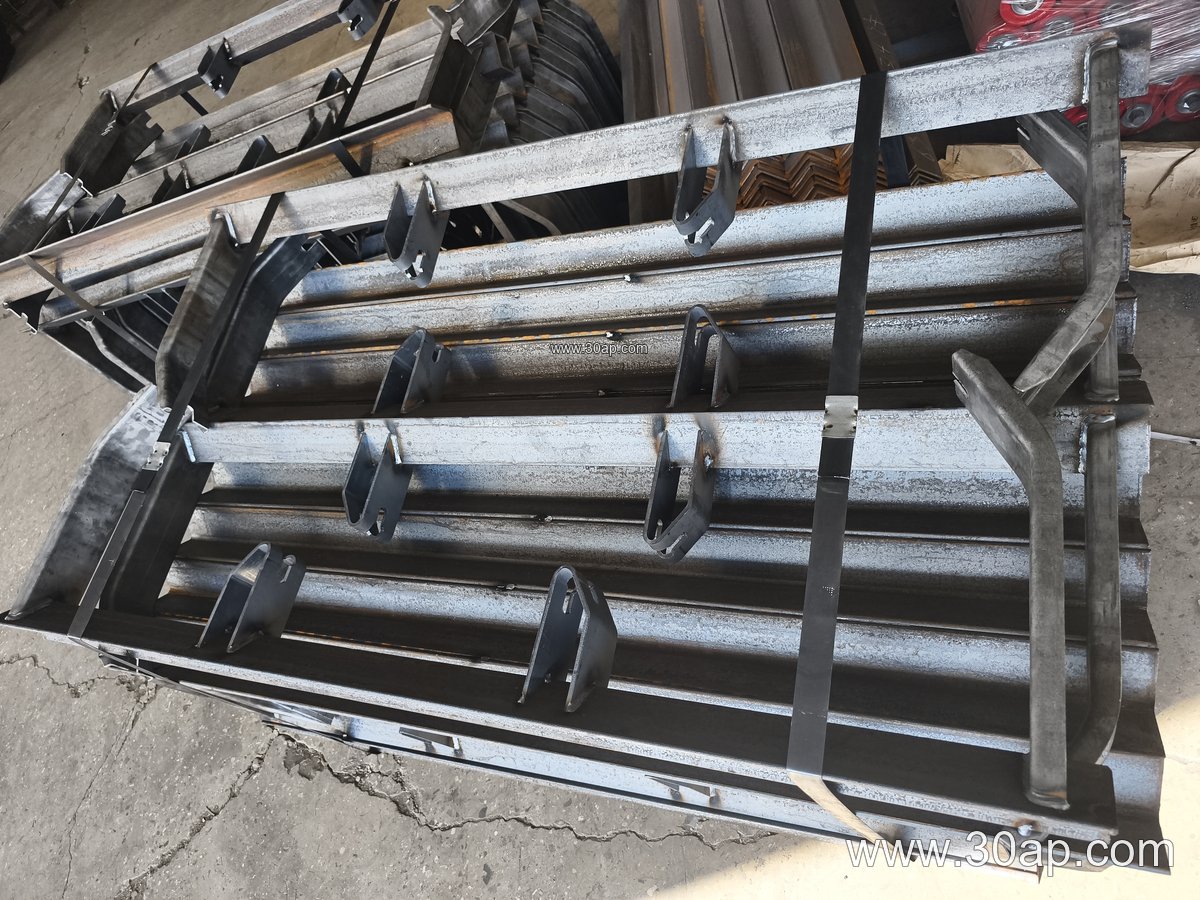
Procurement Points That Matter
Conveyor bracket procurement is mostly about matching the frame to the real load case. Ask for the belt width, trough angle, roller diameter, mounting hole pattern and the stringer spacing before quoting. Confirm whether the frame is fixed or adjustable, and whether it is for the carrying side, the return side or a transition zone.
- Check steel thickness and weld quality, not only the outline drawing.
- Confirm hole spacing against the actual roller shaft, since it varies with width and angle.
- State the environment: wet washing plant, dusty coal yard or hot sinter area.
- For corrosive or coastal sites, discuss surface treatment in advance.
- Order spares for the loading zone, where impact damage is most common.
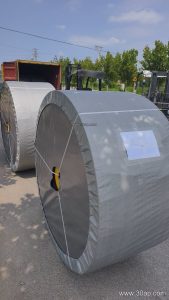
A flame retardant conveyor belt in an underground coal mine and an abrasion resistant conveyor belt in a quarry may share a bracket style, but the duty cycle differs. Buyers should also keep the bracket compatible with the conveyor pulley layout at the head and tail, because a bend pulley cannot substitute for a drive pulley and vice versa.
Installation and Maintenance Notes
Align the brackets square to the belt centerline before tightening. A frame set slightly out of square will push the belt sideways no matter how good the rollers are. Check bolt torque after the first week of running, then at routine intervals. Replace bent frames rather than straightening them repeatedly, since fatigue cracks tend to return.
Keep a simple record of bracket positions, angles and roller sizes. That record makes the next procurement round faster and reduces the risk of ordering a frame that does not fit the existing stringer.