What a Fire Resistant Conveyor Belt Is
A fire resistant conveyor belt is a rubber conveyor belt engineered to resist ignition and limit flame spread when it operates in environments where sparks, hot material, or combustible dust are present. Unlike a standard rubber conveyor belt, this belt uses special cover compounds and, in many cases, fire-retardant additives in the carcass. The product is also called a flame retardant conveyor belt, and both names describe the same family of belting; the exact performance level depends on the compound and the application review. In mining, coal handling, cement plants, and power plants, this belt is often specified together with anti-static properties so that static discharge does not become an ignition source.
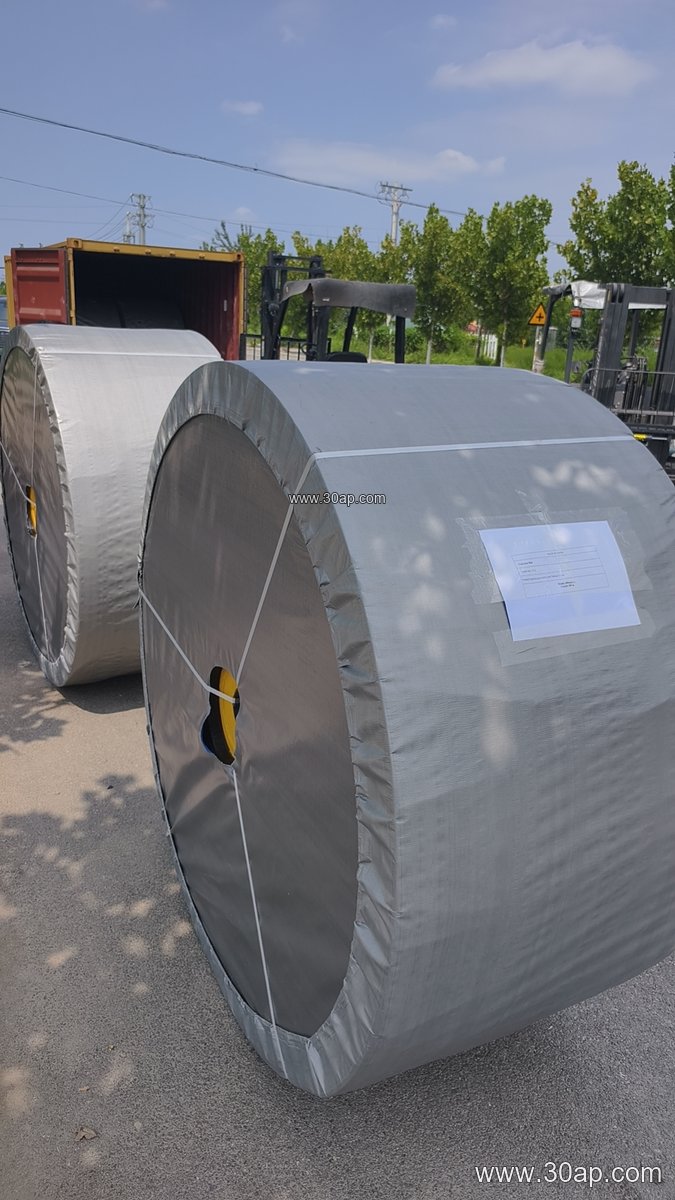
Construction and Compound Design
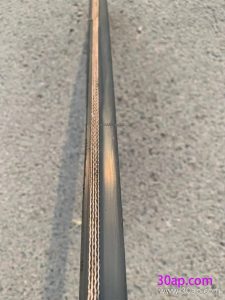
The belt typically combines a fabric core or steel cord carcass with fire-resistant cover rubber. For many mining and coal mining conveyor belt duties, a multi-ply fabric core such as EP conveyor belt or NN conveyor belt construction is common; heavy-duty and long-distance lines may use steel cord conveyor belt construction. The cover grade is where fire resistance is mainly built in, and buyers usually review cover thickness together with the carcass strength. Common cover thickness combinations include 3+1.5 mm, 4+2 mm, 5+2 mm, 6+2 mm, and 8+3 mm, while carcass plies often range from 2 to 6 layers depending on load and impact. A flame retardant conveyor belt may also be supplied with anti-static cover compound; these are related but not identical requirements, so the duty specification should state both when needed.
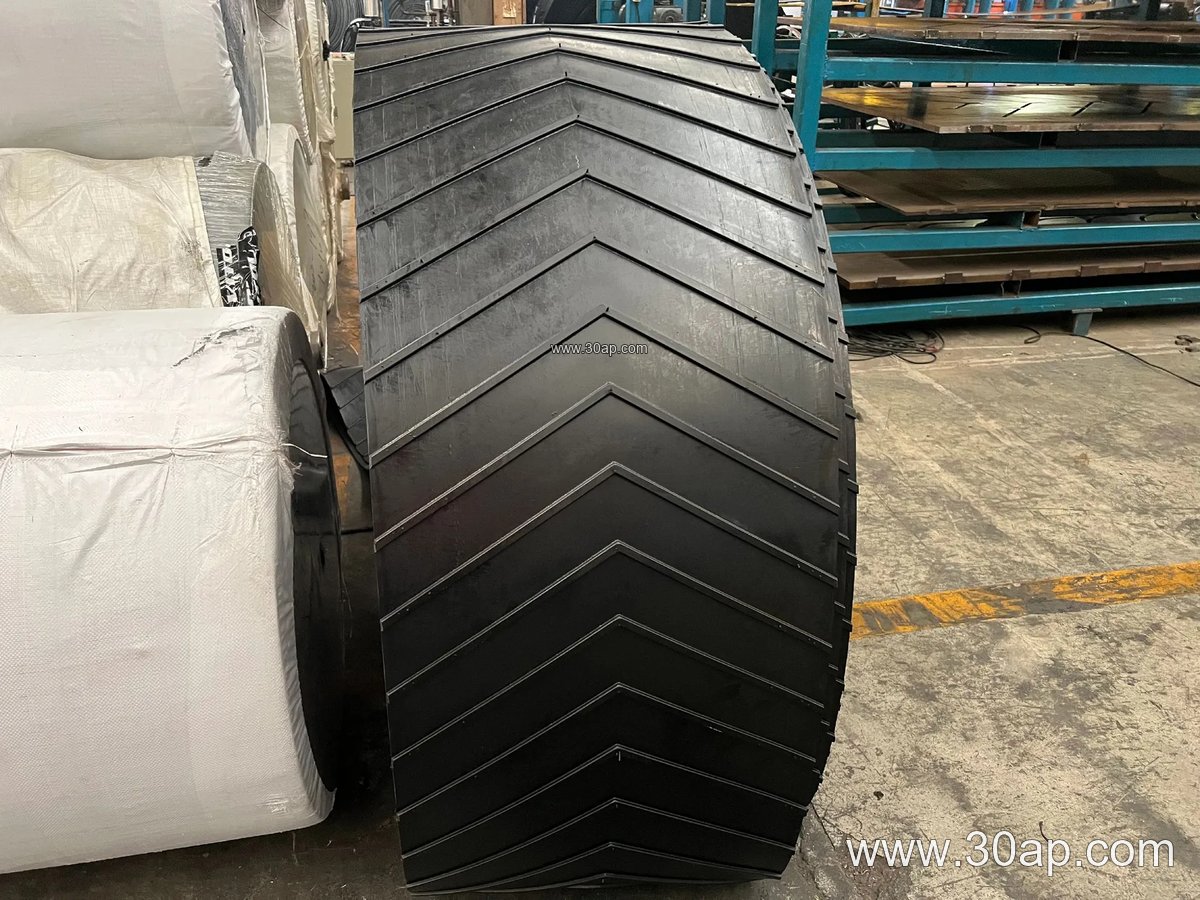
Where It Is Used
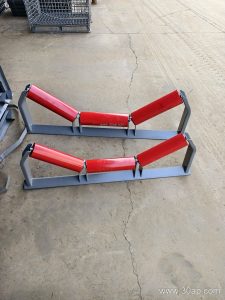
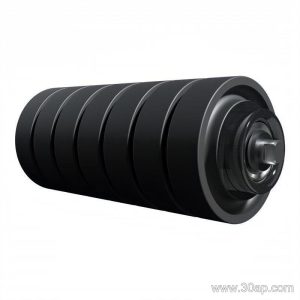
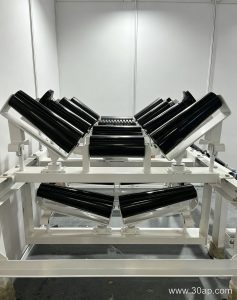
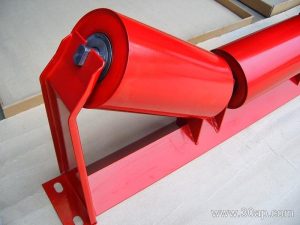
Fire resistant belting is common in underground coal mining, coal preparation plants, power plant coal yards, cement plants, and bulk material handling systems where fine combustible dust accumulates. It also appears in some quarry and aggregate operations where hot work or engine exhaust creates a local ignition risk. In these circuits the belt runs over conveyor pulleys such as drive, tail, and bend pulleys, and it is supported by idler rollers mounted on conveyor brackets. The belt does not replace good housekeeping or proper electrical protection; it is one layer of fire risk reduction. For coal mining conveyor belt systems, the belt is often specified with flame retardant and anti-static properties together, and the same approach applies to underground mining conveyor belt installations.
Specifications and Reference Data
The following table lists common reference values for fire resistant belting. These are indicative ranges, not universal supply promises; actual construction is confirmed by design and by the manufacturer’s data sheet.
| Parameter | Common Reference Values |
|---|---|
| Belt type | Fire resistant conveyor belt, flame retardant conveyor belt |
| Carcass | EP fabric, NN fabric, steel cord |
| Strength grades (EP/NN) | EP200, EP315, EP400, EP500, EP630, EP800, EP1000, EP1250; NN100 to NN400 |
| Steel cord grades | ST1000, ST1250, ST1600, ST2000, ST2500 |
| Belt width | B500, B650, B800, B1000, B1200, B1400, B1600, B1800, B2000 |
| Cover thickness | 3+1.5 mm, 4+2 mm, 5+2 mm, 6+2 mm, 8+3 mm |
| Ply count | 2 to 6 layers, by design |
Width and strength are selected together; a given belt width does not dictate one pulley diameter, and pulley sizing follows the conveyor design. For example, a 1200mm wide belt may run on different pulley sizes depending on tension and load. When comparing options, a heat resistant conveyor belt is chosen for hot material, while a fire resistant belt is chosen for ignition and flame spread risk; the two properties can overlap but should not be treated as interchangeable.
Buyer Checklist
- State the fire performance requirement and whether anti-static behavior is also needed.
- Confirm carcass type and strength grade, such as EP1000 or ST1600, against the actual duty.
- Check cover thickness and rubber grade for impact, abrasion, and material temperature.
- Review belt width and ply count with the conveyor designer; do not assume one width fixes pulley or idler roller sizes.
- Ask for the manufacturer’s data sheet for the specific compound and construction.
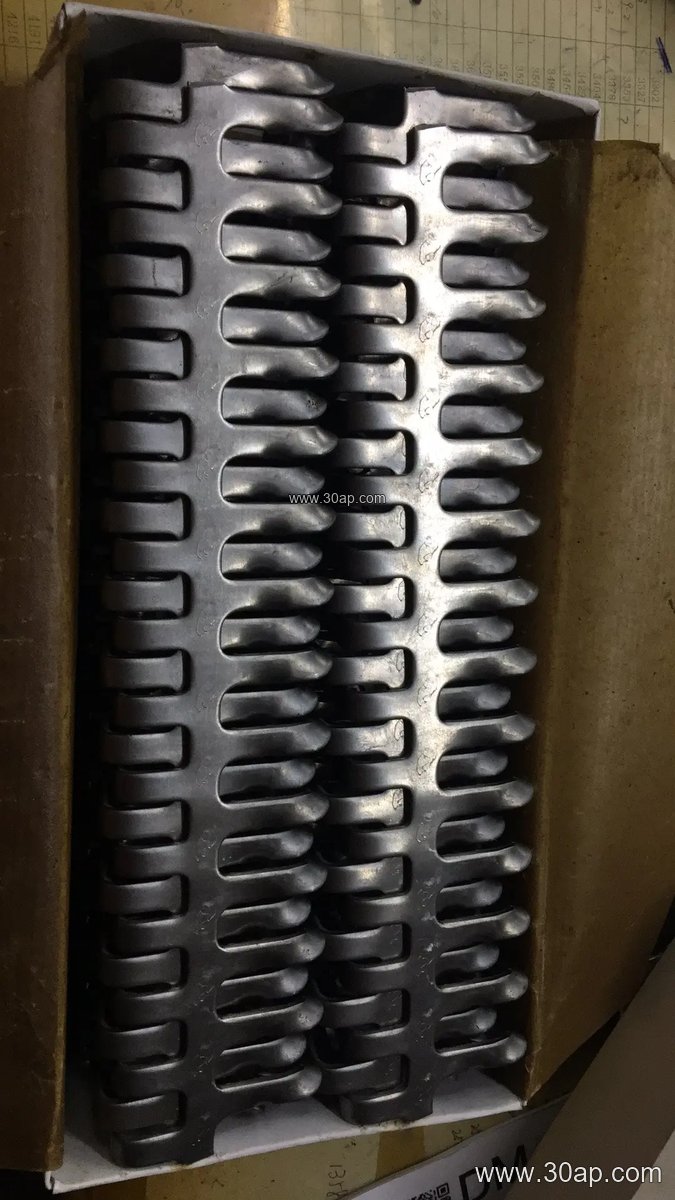
- Plan splicing and inspection so that the fire resistant properties are maintained across the joint.
For a reliable quotation, describe the material handled, the environment, the conveyor layout, and the required fire and anti-static performance. A fire resistant conveyor belt selected on those inputs supports safer operation in mining, coal, cement, power, and bulk handling plants.