What a Power Plant Conveyor Pulley Does
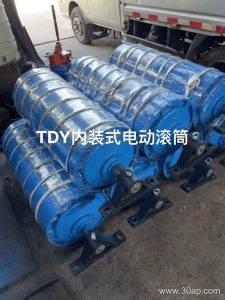
A power plant conveyor pulley is the rotating drum that drives, redirects, or tensions the conveyor belt in a coal handling system or ash removal line. In a coal-fired station, these pulleys sit at the head of the transfer house, at the tail beneath the stockpile, and at bend points where the belt changes direction. The drum transmits torque from the gearbox to the belt through friction, and its shell carries the full belt tension plus the weight of the material being moved. The same product is often called a conveyor drum or belt pulley, and that is the accurate equivalent name used throughout this article.
Because a power plant runs continuous shifts, the drum must hold its shape under constant load. A well-built pulley keeps the belt tracking straight, protects the splice, and reduces wear on the conveyor belt.
How the Drum Is Built
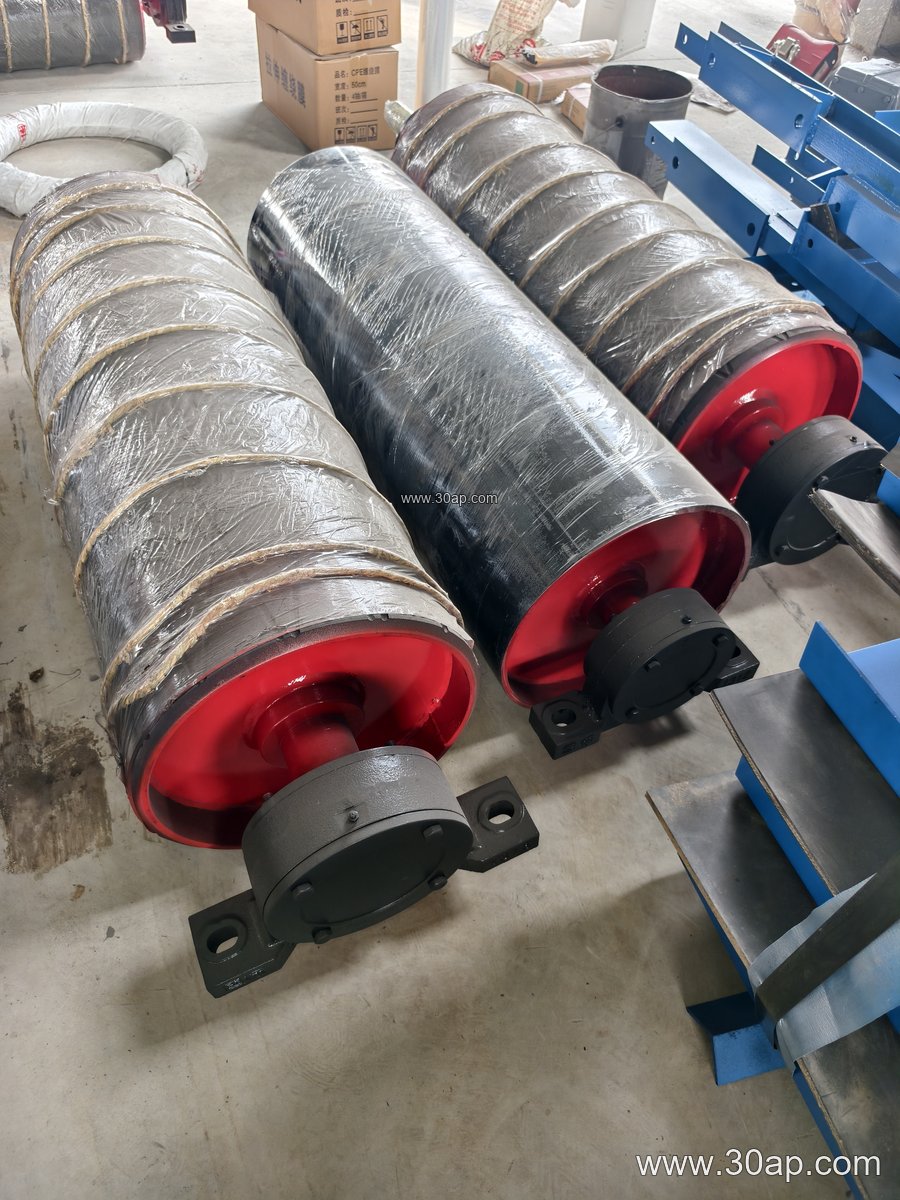
Most units use a welded steel shell with dished or flat end plates, a through shaft, and hub assemblies keyed or shrink-fitted to the shaft. The shell thickness is chosen for the belt tension and the drum diameter, not simply for the belt width. Larger diameters reduce bending stress in the shaft and lower the specific pressure on the belt, which matters when moving abrasive coal or limestone.
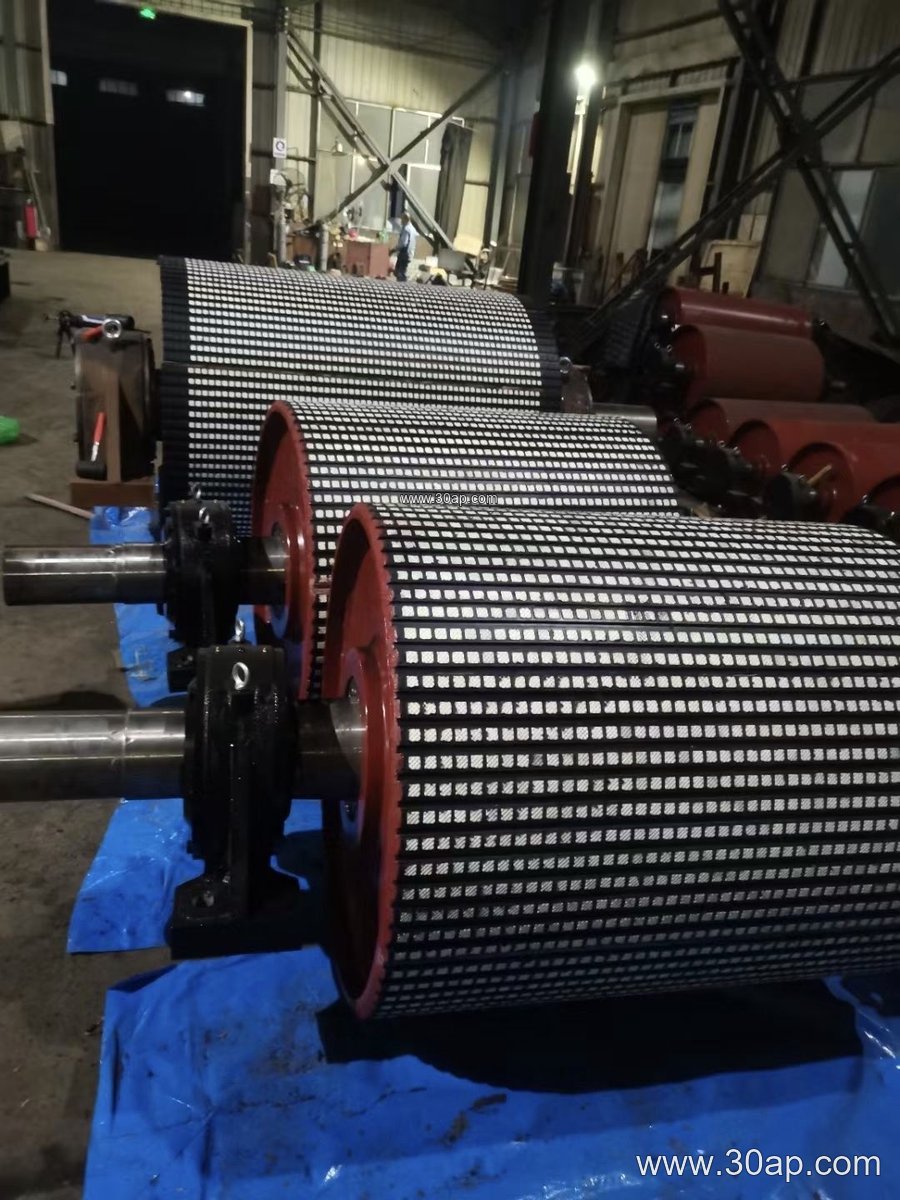
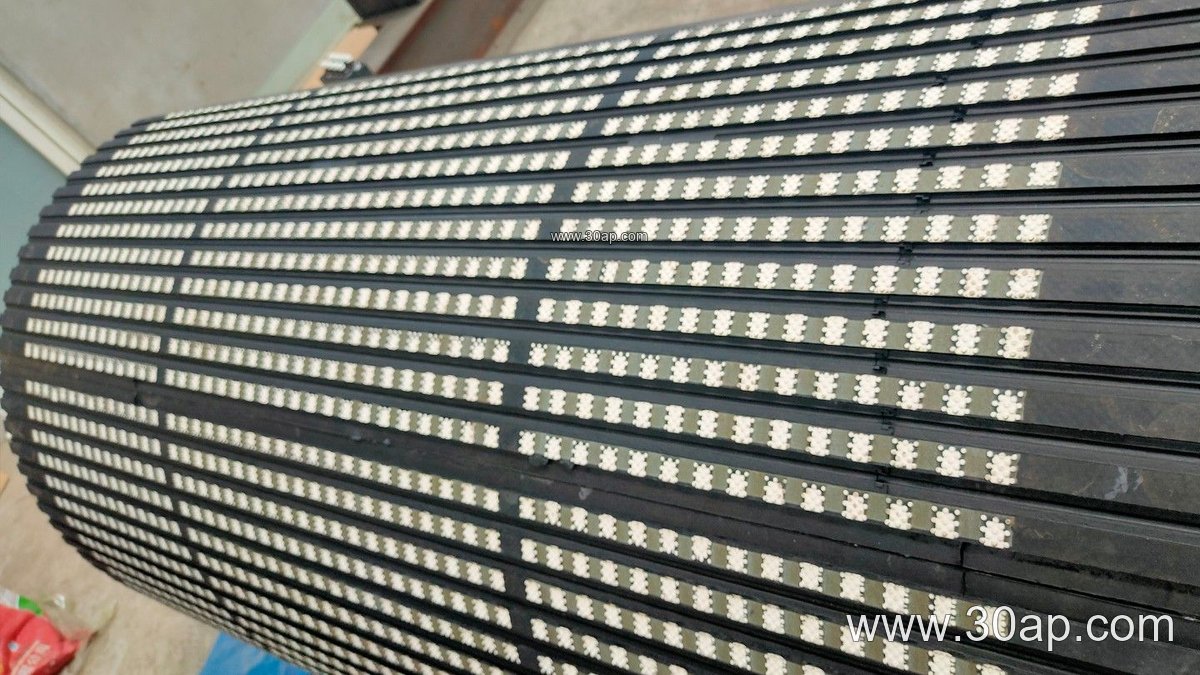
Surface finish is a separate decision. A plain face suits light-duty redirects. Rubber lagging, applied by hot vulcanizing or cold bonding, raises friction at the drive and cushions the belt. Diamond or herringbone grooving helps shed water and fine dust. Ceramic lagging is used where slip and abrasion are severe. Common lagging thicknesses are 8, 10, 12, 15, and 20 mm, selected by duty rather than by habit.
Shaft diameter is determined by torque and bearing load. Typical shafts run from Ø50 up to Ø200, but the correct value comes from the drive calculation, not from a table matched to belt width.
Where It Fits in the Plant
In a coal yard, the head or drive pulley pulls the loaded belt and discharges onto the next stage. The tail pulley at the loading point turns the belt back, and bend pulleys guide it around the take-up. A take-up or tension pulley maintains belt slack so the drive does not slip. These roles are not interchangeable, and a drive drum cannot simply be swapped for a bend drum of the same size.
Ash handling and limestone preparation lines use similar drums, often with abrasion resistant lagging because the material is gritty. In a cement plant or a quarry feeding a crusher, the same logic applies: the drive end needs grip, while the return run needs smooth guidance.
Common Reference Sizes
The table below shows typical combinations seen in plant specifications. These are reference values, not fixed rules, and final dimensions follow the conveyor design.
| Belt width | Typical drum face width | Common diameters |
|---|---|---|
| B500 | about 600 mm | Ø250, Ø315, Ø400 |
| B650 | about 750 mm | Ø315, Ø400, Ø500 |
| B800 | about 950 mm | Ø400, Ø500, Ø630 |
| B1000 | about 1150 mm | Ø500, Ø630, Ø800 |
| B1200 | about 1400 mm | Ø630, Ø800, Ø1000 |
| B1400 | about 1600 mm | Ø800, Ø1000, Ø1250 |
| B1600 | about 1800 mm | Ø1000, Ø1250, Ø1400 |
A drum face is normally wider than the belt so the belt edge does not run off the shell. A B1200 belt on a Ø1000 drive drum is a common arrangement in medium-size coal conveying, but other diameter choices may be correct depending on tension and space.
Buyer Checklist
- Confirm the duty position: drive, tail, bend, or take-up. Each has different loading.
- State the belt width and the required face width, plus the actual belt tension.
- Choose lagging by environment: rubber for general grip, grooved rubber for wet coal, ceramic for high abrasion.
- Provide shaft diameter and bearing centers from the conveyor drawing rather than guessing.
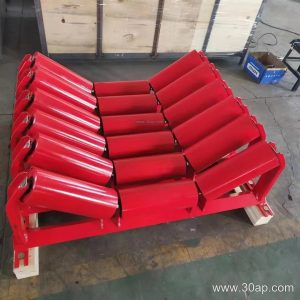
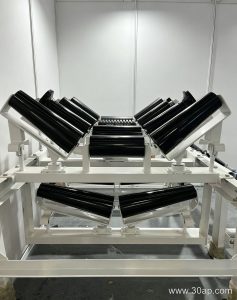
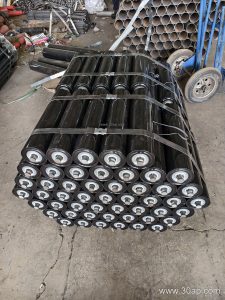
- Check that the conveyor pulley balances with the idler roller profile and the conveyor bracket mounting points.
- Ask for the shell thickness, end plate style, and lagging bond method in writing.
For a coal mining conveyor belt or a steel cord conveyor belt running at high tension, the drive drum and its lagging deserve extra attention, since slip shortens belt life. Matching the drum to the belt, the load, and the plant layout is what keeps a power plant conveyor pulley working through long operating hours.